Cam Newton Education: How a Super Bowl QB Completed College
Cam Newton earned his bachelor's degree in sociology from Auburn University in December 2015, finishing his undergraduate education four years after leading the Tigers to a BCS National Championship and capturing the Heisman Trophy as...
Cam Newton earned his bachelor's degree in sociology from Auburn University in December 2015, finishing his undergraduate education four years after leading the Tigers to a BCS National Championship and capturing the Heisman Trophy as a junior before being selected first overall in the 2011 NFL Draft.
Contents
The intersection of elite athletic achievement and higher education presents a distinct set of challenges for elite college football players. While modern sports media frequently focuses on draft stock, training camps, and multimillion-dollar professional contracts, the academic journeys of high-profile collegiate athletes often require long-term persistence. Cam Newton's academic trajectory reflects a common narrative among elite sports figures: leaving campus early to enter professional sports, establishing a successful professional career, and subsequently returning to complete undergraduate degree requirements. Understanding how a Super Bowl quarterback and NFL MVP completed his college education sheds light on institutional policies for returning student-athletes, the value of degree completion programs, and the personal motivation required to balance academic goals with professional sports demands.
The Early Collegiate Journey: From Blinn College to Auburn University
Cam Newton’s collegiate athletic career began at the University of Florida in 2007, where he served as a backup quarterback to Heisman Trophy winner Tim Tebow. Following an arrest and subsequent suspension in late 2008, Newton made the strategic decision to transfer. His path took him through the junior college ranks, enrolling at Blinn College in Brenham, Texas, for the 2009 season.
At Blinn College, Newton demonstrated exceptional athletic ability, leading the Buccaneers to an NJCAA national football championship. This success generated intense recruitment interest from major Division I programs. Prior to the 2010 season, Newton transferred to Auburn University, entering the Southeastern Conference (SEC) under head coach Gene Chizik and offensive coordinator Gus Malzahn.
During the 2010 college football season, Newton orchestrated one of the most statistically dominant individual campaigns in college football history. He rushed for 1,473 yards and 20 touchdowns while passing for 2,854 yards and 30 touchdowns. His performance secured Auburn's first undisputed national championship since 1957, following a 22-19 victory over the Oregon Ducks in the Tostitos BCS National Game. Additionally, Newton claimed the Heisman Trophy by a wide voting margin, cementing his status as a legendary figure in college football lore.
Transition to the Professional Ranks and the NFL Draft
Following his historic junior season at Auburn, Newton made the financial and career-driven decision to forgo his final year of college eligibility. Entering the 2011 NFL Draft, he was selected first overall by the Carolina Panthers. This immediate transition to professional sports brought intense media scrutiny, playbook mastery, and the physical demands of playing quarterback at the highest level.
Transitioning directly from a college campus into a marquee NFL franchise leaves little time for traditional academic pursuits. For elite draft picks, the primary focus shifts instantly to rookie minicamps, organized team activities (OTAs), and training camps. Consequently, Newton's undergraduate studies at Auburn were temporarily put on hold.
However, many major athletic universities, including Auburn, maintain institutional frameworks designed to encourage student-athletes to return and finish their degrees. These programs often align with National Collegiate Athletic Association (NCAA) initiatives that track institutional graduation success rates and academic progress rates. While professional athletes face few financial incentives to finish degrees compared to everyday students, personal pride, family expectations, and long-term career planning frequently serve as catalysts for academic completion.
The Return to Auburn: Fulfilling the Degree Requirement
In December 2015, while in the midst of an MVP-winning NFL season with the Carolina Panthers, Cam Newton officially graduated from Auburn University with a bachelor's degree in sociology. His return to academic pursuits was not a sudden decision; it was the result of consistent credit accumulation and distance education efforts coordinated through Auburn's academic support staff for student-athletes.
Major universities utilize specialized academic advising units that maintain contact with former student-athletes who left school early. These advisors help players identify remaining degree requirements, map out online coursework options, and coordinate independent study or transfer credits. For Newton, completing his degree required navigating a demanding professional football schedule while simultaneously submitting assignments, communicating with professors remotely, and passing required examinations.
Sociology, the field in which Newton earned his degree, examines human social relationships, institutions, and society. For athletes operating in high-pressure public environments, sociological frameworks offer valuable perspectives on group dynamics, media influence, and community structures. The choice of major reflected an interest in human behavior and societal impact, themes that align with Newton's philanthropic efforts and community engagement throughout his professional career.
Academic Completion Comparison for Elite Quarterbacks
To contextualize Newton's educational milestone, it is helpful to examine how other prominent modern quarterbacks navigated higher education alongside their football careers.
| Quarterback | College Attended | Draft Year & Status | Degree Completion Status | Major Field of Study |
|---|---|---|---|---|
| Cam Newton | Auburn University | 2011 (1st Overall) | Graduated December 2015 | Sociology |
| Tom Brady | University of Michigan | 2000 (199th Overall) | Graduated June 1999 (Prior to Draft) | General Studies |
| Peyton Manning | University of Tennessee | 1998 (1st Overall) | Graduated May 1998 (In 3 Years) | Speech Communication |
| Aaron Rodgers | California / Butte College | 2005 (24th Overall) | Completed via Return Work | Communications |
| Russell Wilson | NC State / Wisconsin | 2012 (3rd Round) | Graduated NC State, Master's at Wisconsin | Communication / Educational Leadership |
This comparison highlights that while some elite signal-callers finished their undergraduate requirements prior to entering the draft—such as Peyton Manning completing his degree in three years—many modern players leave early and utilize institutional completion frameworks during their professional careers.
Institutional Support Systems for Returning Student-Athletes
The successful completion of a college degree by a high-profile professional athlete relies heavily on institutional infrastructure. Athletic departments across the NCAA maintain dedicated staff members who manage academic support, career counseling, and compliance.
When a professional athlete decides to finish their degree, these departments provide several essential services:
- Degree Audit and Evaluation: Academic advisors review the student's historical transcript against current degree requirements to identify exact credit deficits.
- Flexible Distance Learning: With the expansion of online course offerings, universities can accommodate the irregular travel and practice schedules of professional athletes.
- Faculty Coordination: Academic liaisons work directly with professors to establish testing accommodations and assignment schedules that respect professional travel obligations without compromising academic standards.
- Compliance Management: Ensuring that all course selections comply with institutional accreditation standards and university policies.
These support mechanisms ensure that returning athletes are not merely handed honorary tokens or unearned credits, but rather fulfill the rigorous academic standards required of all university graduates.
The Broader Impact of Degree Completion on Professional Athletes
Beyond personal satisfaction, completing a college education serves multiple practical functions for professional athletes. National Football League careers are notoriously short, with the average career spanning approximately three years. While marquee quarterbacks like Newton command substantial career earnings, long-term financial security and post-football transitions remain critical considerations.
A college degree provides a credential for post-athletic ventures, including sports broadcasting, coaching, corporate leadership, and entrepreneurial enterprises. Furthermore, high-profile athletes who return to finish their education set a powerful public example for younger fans and current student-athletes. Emphasizing that education remains valuable even after securing lucrative professional contracts reinforces the importance of long-term personal development.
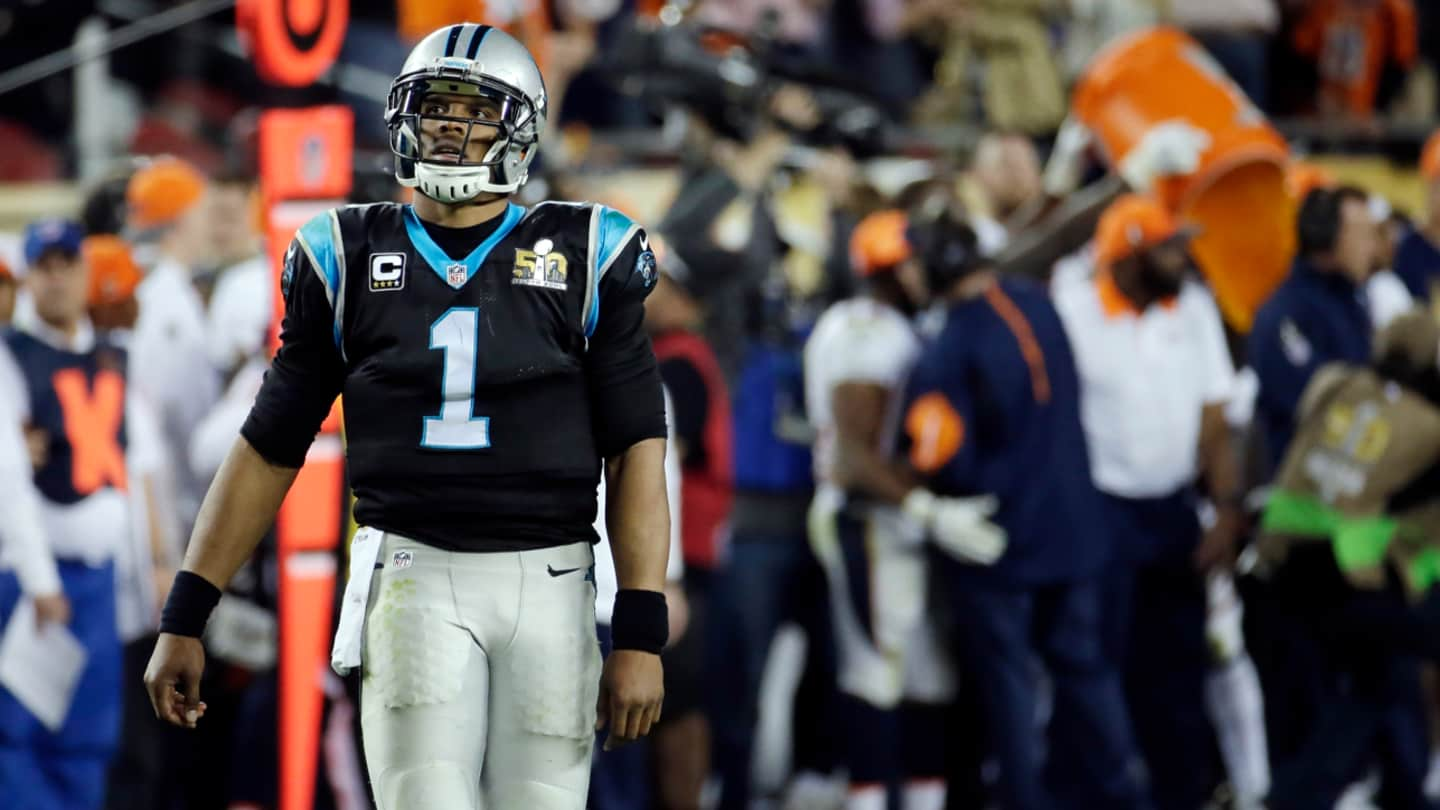
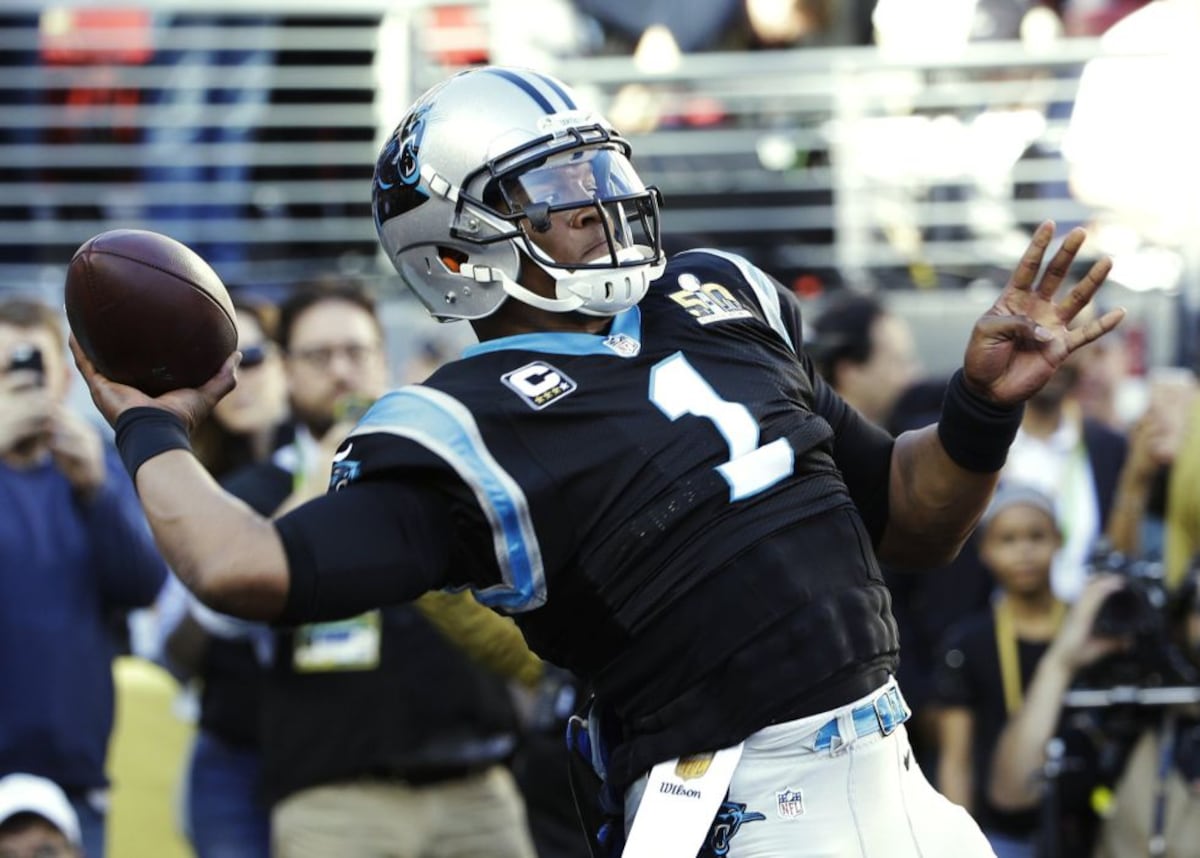
Newton's graduation in late 2015 coincided with one of the most dominant stretches of his professional career, culminating in an NFC Championship and an appearance in Super Bowl 50. Balancing the intense physical and mental demands of an NFL MVP season while completing final undergraduate requirements demonstrates a high level of time management, discipline, and commitment.
Frequently Asked Questions
What degree did Cam Newton earn from Auburn University?
Cam Newton earned a Bachelor of Arts degree in sociology from Auburn University, which he officially completed in December 2015 while playing in the NFL.
When did Cam Newton leave Auburn for the NFL?
Newton left Auburn following his junior season in 2010, after winning the Heisman Trophy and the BCS National Championship. He entered the 2011 NFL Draft and was selected first overall by the Carolina Panthers.
Did Cam Newton finish his degree while playing in the NFL?
Yes. Newton completed his remaining coursework via distance learning and independent study while actively playing quarterback for the Carolina Panthers during the 2015 NFL season.
Why do professional athletes return to finish college?
Athletes often return to complete their degrees for personal fulfillment, to honor commitments made to their families, to set positive examples for younger generations, and to secure foundational credentials for post-athletic careers in business, media, or coaching.
What support systems help professional athletes finish college?
Universities provide specialized academic advisors, flexible online coursework options, faculty liaisons, and individualized degree audits designed to accommodate the rigorous travel and training schedules of professional athletes.
Conclusion and Next Actions
Cam Newton's educational journey illustrates that academic completion is achievable even after reaching the pinnacle of professional sports. For readers, students, and aspiring athletes interested in pursuing similar academic paths while balancing demanding careers, the primary takeaway is the importance of utilizing institutional support systems, maintaining consistent communication with academic advisors, and leveraging flexible online learning environments. Investigating degree-completion programs at your local or alma mater institution is the recommended next step for any individual looking to finish a paused college education.
Image Gallery