The 11 People Who Died in the Deepwater Horizon Disaster: Profiles, Legal Legacy, and Industry Impact
On April 20, 2010, eleven workers lost their lives when a high-pressure pocket of methane gas erupted from the Macondo well, causing a catastrophic blowout and explosion aboard the Deepwater Horizon drilling rig in the Gulf of Mexico....
On April 20, 2010, eleven workers lost their lives when a high-pressure pocket of methane gas erupted from the Macondo well, causing a catastrophic blowout and explosion aboard the Deepwater Horizon drilling rig in the Gulf of Mexico. Nine of the men were employees of rig owner Transocean, and two worked for mud-logging contractor M-I SWACO. Despite intensive search-and-rescue efforts, none of their bodies were ever recovered.
Contents
The Catastrophe on April 20, 2010
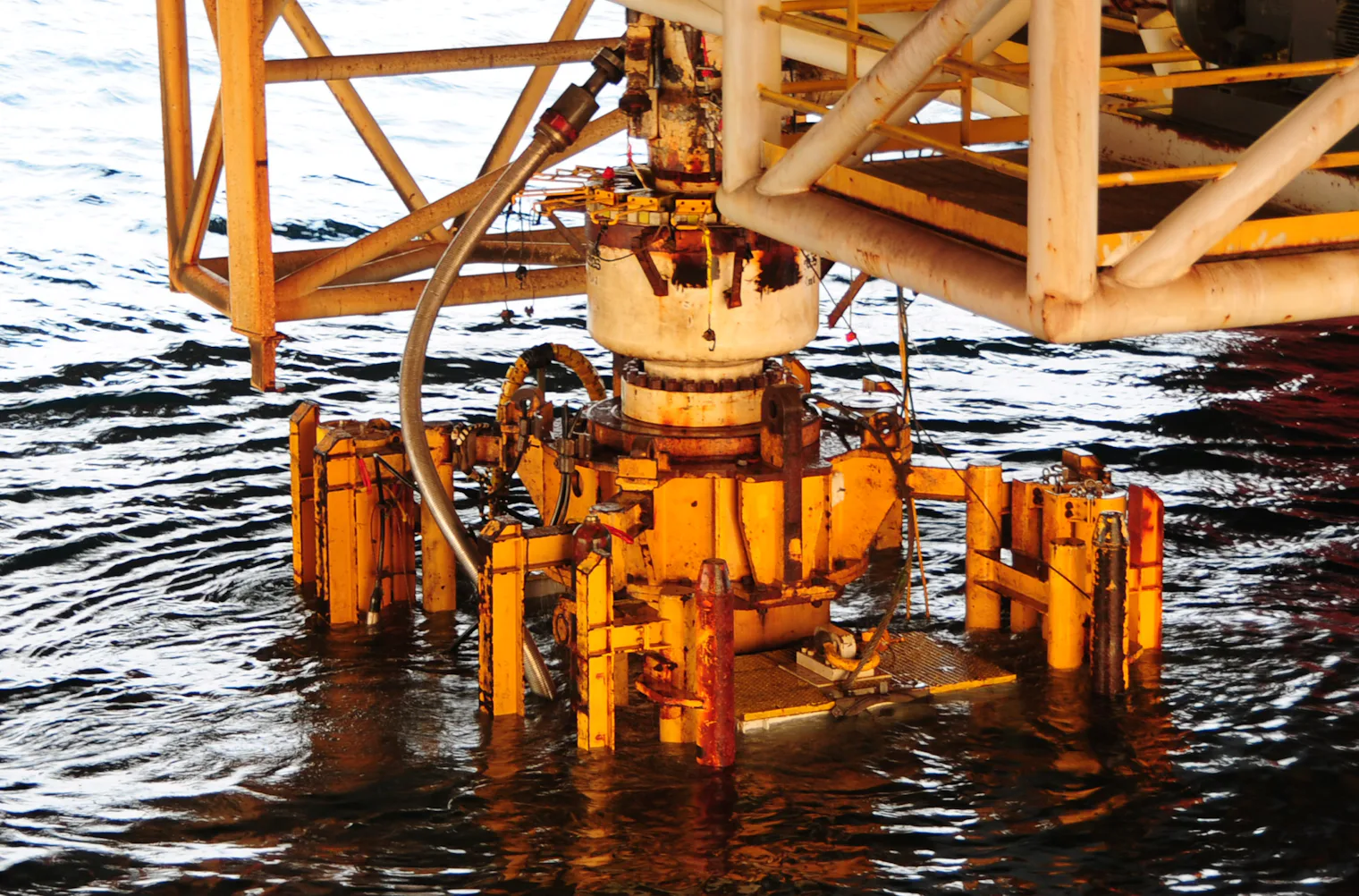
The Deepwater Horizon was an ultra-deepwater, dynamically positioned, semi-submersible offshore drilling rig operating in the Macondo Prospect (Mississippi Canyon Block 252), located approximately 41 miles off the southeastern coast of Louisiana. Owned by Transocean and leased by oil major BP, the vessel was finalizing temporary abandonment procedures after completing drilling operations at a water depth of roughly 5,000 feet and a total subsurface depth exceeding 18,000 feet.
At approximately 9:45 PM Central Time, an uncontrolled influx of hydrocarbons—a sequence triggered by a compromised cement seal at the bottom of the wellbore and failed pressure integrity tests—traveled up the marine riser pipe onto the rig floor. The volatile combination of methane gas and mud rapidly expanded, venting into the rig's engine rooms and enclosed decks where electrical machinery ignited the atmosphere.
Blowout Sequence:
- Compromised Wellbore Cement
- Gas Influx Up Marine Riser
- Ignition in Engine Rooms
- Catastrophic Explosions & Loss of Rig Floor
The initial explosions destroyed the primary communications center, ruptured fire mains, and severely damaged the rig structure near the drill floor, where the majority of the crew members on duty were positioned. Out of 126 individuals on board that night, 115 managed to evacuate via lifeboats, life rafts, or by leaping into the ocean. Eleven men died instantly or were trapped in the immediate fire zone near the derrick and mud pit processing stations.
Profiles of the 11 Victims
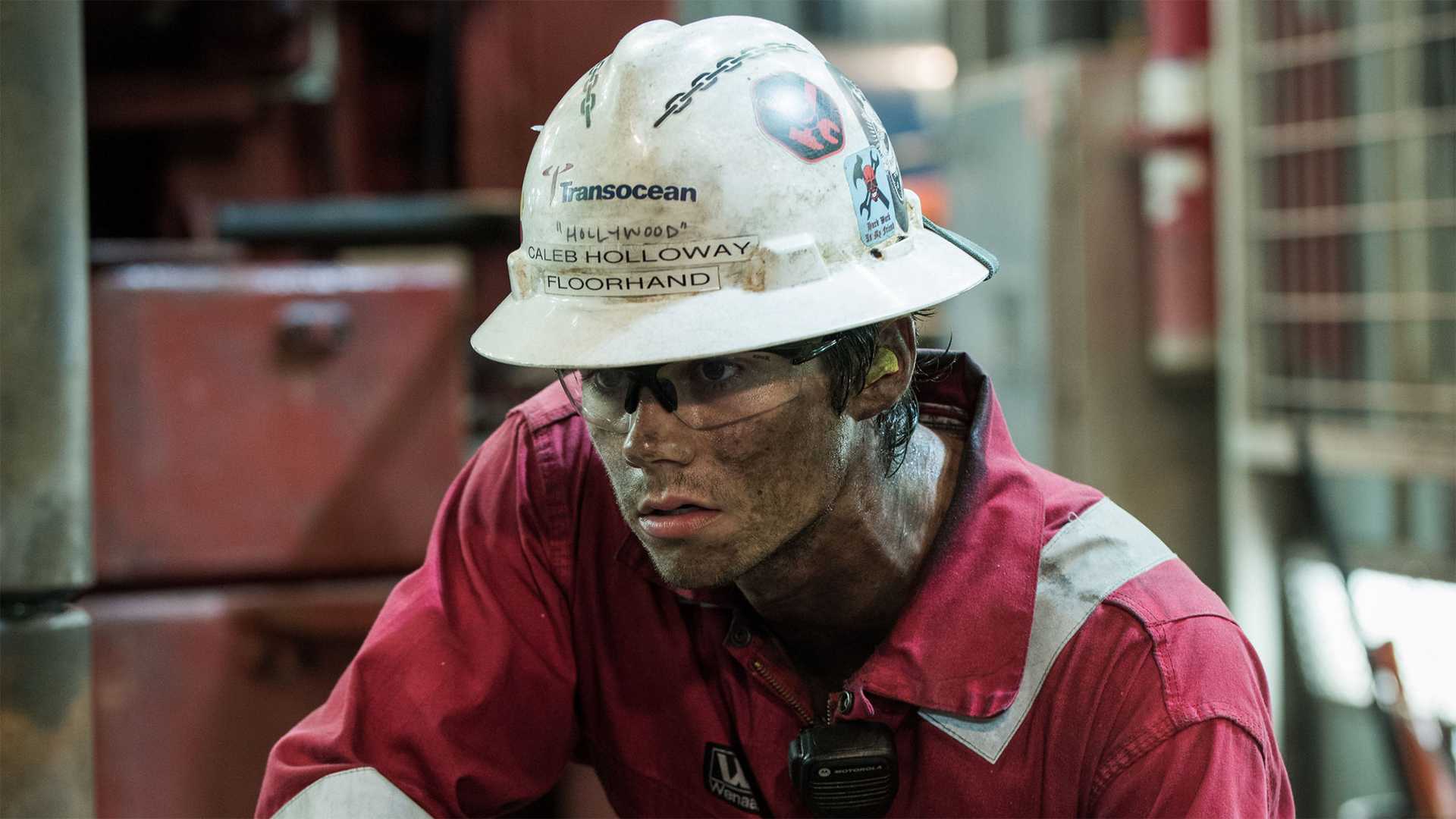
The people who died in the Deepwater Horizon disaster ranged in age from 22 to 49. They included veteran drillers, experienced mechanics, floor hands, deck personnel, and mud engineers.
1. Jason C. Anderson (Age 35) — Midfield, Texas
Jason Anderson was a Senior Toolpusher employed by Transocean. A veteran of the offshore oil industry, Anderson was responsible for overseeing drilling operations and crew safety on the rig floor. Known for his technical skill and dedication to his family, he left behind a wife and two children.
2. Aaron Dale "Bubba" Burkeen (Age 37) — Philadelphia, Mississippi
Aaron Dale Burkeen served as a Crane Operator for Transocean. On the night of the explosion, eyewitness accounts noted that Burkeen remained at his post in the crane cab attempting to clear pathways and assist crew members in evacuating toward the lifeboat stations before the explosion collapsed his work area. He was survived by his wife and two children.
3. Donald "Duck" Clark (Age 49) — Newellton, Louisiana
Donald Clark was an Assistant Driller for Transocean with over two decades of offshore experience. Colleagues described Clark as a mentor who prioritized safety and team morale. He was on duty on the drill floor when the blowout occurred. He was scheduled to leave the rig for a planned vacation the following morning.
4. Stephen Ray Curtis (Age 39) — Georgetown, Louisiana
Stephen Ray Curtis worked as a Rig Mechanic for Transocean. Responsible for maintaining heavy mechanical systems, engines, and hydraulic pumps, Curtis was working in the machinery areas below deck when the gas cloud ignited. He left behind a wife and two children.
5. Gordon L. Jones (Age 28) — Baton Rouge, Louisiana
Gordon Jones was a Senior Mud Engineer employed by M-I SWACO (a subsidiary of Schlumberger). His job involved testing and managing the chemical properties and density of the drilling fluids used to balance wellbore pressure. Jones had become a father just three days after his death when his wife gave birth to their second son.
6. Roy Wayne Wyatt Kemp (Age 27) — Jonesville, Louisiana
Roy Wayne Wyatt Kemp worked as an Assistant Driller for Transocean. Following in the footsteps of family members who worked in the oilfield, Kemp was respected for his work ethic and technical aptitude on the rig floor. He was survived by his wife and young daughter.
7. Karl D. Kleppinger Jr. (Age 38) — Natchez, Mississippi
Karl Kleppinger Jr. was a Floorhand (Roughneck) for Transocean and a veteran of the U.S. Army who served in Operation Desert Storm. Kleppinger was working directly on the rig floor during the initial gas discharge. He was survived by his wife and son.
8. Blair M. Manuel (Age 31) — Eunice, Louisiana
Blair Manuel was a Mud Engineer employed by M-I SWACO. A graduate of Louisiana State University with a degree in chemical engineering, Manuel monitored mud weight and chemical formulations to maintain well control. He was engaged to be married at the time of the disaster.
9. Dewey A. Revette (Age 48) — Runnelstown, Mississippi
Dewey Revette was a Driller for Transocean with 29 years of maritime and offshore experience. As the head driller on duty, Revette was positioned directly at the driller's console on the rig floor monitoring well control parameters when the blowout occurred. He was survived by his wife.
10. Shane M. Roshto (Age 22) — Liberty, Mississippi
Shane Roshto was a Roustabout for Transocean and the youngest victim of the disaster. Roshto worked on deck operations, material handling, and rig maintenance. His wife subsequently filed one of the first maritime lawsuits following the disaster after receiving notification of the explosion.
11. Adam Weise (Age 24) — Yorktown, Texas
Adam Weise was a Roustabout for Transocean who had worked offshore for several years after graduating high school. Weise performed heavy equipment support and deck operations. He was working near the drill floor area at the time of the initial blast.
Summary of the Victims
| Victim Name | Age | Hometown | Employer | Job Title / Role |
|---|---|---|---|---|
| Jason C. Anderson | 35 | Midfield, TX | Transocean | Senior Toolpusher |
| Aaron Dale Burkeen | 37 | Philadelphia, MS | Transocean | Crane Operator |
| Donald "Duck" Clark | 49 | Newellton, LA | Transocean | Assistant Driller |
| Stephen Ray Curtis | 39 | Georgetown, LA | Transocean | Rig Mechanic |
| Gordon L. Jones | 28 | Baton Rouge, LA | M-I SWACO | Mud Engineer |
| Roy Wayne Wyatt Kemp | 27 | Jonesville, LA | Transocean | Assistant Driller |
| Karl D. Kleppinger Jr. | 38 | Natchez, MS | Transocean | Floorhand / Roughneck |
| Blair M. Manuel | 31 | Eunice, LA | M-I SWACO | Mud Engineer |
| Dewey A. Revette | 48 | Runnelstown, MS | Transocean | Driller |
| Shane M. Roshto | 22 | Liberty, MS | Transocean | Roustabout |
| Adam Weise | 24 | Yorktown, TX | Transocean | Roustabout |
Search and Rescue Efforts and Recovery Challenges
Immediately following the distress call on the night of April 20, 2010, the U.S. Coast Guard (USCG), accompanied by commercial supply vessels in the area (including the Damon B. Bankston), initiated a massive search-and-rescue mission.
Search Operations Scope:
- Duration: 3 Days (Approx. 80 Hours)
- Air Coverage: U.S. Coast Guard HC-144 Ocean Sentry & HC-130 Hercules
- Sea Surface Area: Over 5,200 Square Miles Navigated
- Result: 115 Evacuees Rescued / 11 Confirmed Missing at Sea
Search assets covered thousands of square miles of the Gulf surface looking for survivors or remains. Because the initial blast occurred directly beneath the derrick floor where the driller's cabin, mud lab, and primary machinery spaces were concentrated, structural engineers concluded that the 11 men near the blast center died instantly from the thermal shock and mechanical force of the explosion.
On April 23, 2010, after 80 hours of continuous operations, the Coast Guard officially suspended search operations. The Deepwater Horizon sank into 5,000 feet of water on April 22, 2010. Formal underwater remotely operated vehicle (ROV) surveys of the wreckage on the ocean floor determined that recovering human remains was impossible due to the structural collapse and intense heat generated during the two-day burn.
Legal Accountability, Criminal Charges, and Settlements
The deaths of the 11 workers triggered extensive federal criminal investigations led by the U.S. Department of Justice (DOJ), the Chemical Safety and Hazard Investigation Board (CSB), and a joint U.S. Coast Guard/Bureau of Ocean Energy Management, Regulation and Enforcement (BOEMRE) panel.
Legal Framework & Outcomes:
- 18 U.S.C. § 1115 (Seaman's Manslaughter Statute): Applied to commercial offshore operations.
- BP Criminal Settlement (2012): $4 Billion in criminal fines; guilty pleas to 11 felony counts of manslaughter.
- Death on the High Seas Act (DOHSA): Governed civil recovery limitations for offshore workers.
Criminal Manslaughter Charges
In November 2012, the U.S. Department of Justice announced a historic resolution of criminal charges against BP. As part of the global plea agreement, BP pleaded guilty to 11 felony counts of Misconduct or Neglect of Officers (Seaman's Manslaughter) under 18 U.S.C. § 1115, directly corresponding to each worker killed on board.
BP paid $4 billion in criminal fines and penalties—at the time the largest criminal resolution in U.S. history. Two high-ranking BP well-site leaders were individually indicted on criminal manslaughter charges; however, those specific felony manslaughter counts were ultimately dismissed or resolved with misdemeanor Clean Water Act charges in subsequent years after federal judges ruled prosecutors failed to establish intentional recklessness beyond a reasonable doubt for those individuals.
Civil Litigation and Family Compensation
Civil claims brought by the families of the deceased crew members were consolidated in Multi-District Litigation (MDL No. 2179) in the U.S. District Court for the Eastern District of Louisiana under Judge Carl Barbier.
Legal actions encountered complications due to federal maritime law standards:
- Death on the High Seas Act (DOHSA): Because the explosion occurred beyond three nautical miles from U.S. shores (41 miles offshore), claims fell under DOHSA (46 U.S.C. § 30301 et seq.). Historically, DOHSA restricted recovery strictly to financial losses (pecuniary damages like lost wages), excluding non-pecuniary damages such as loss of companionship, mental anguish, or punitive damages for surviving family members.
- Global Settlements: BP, Transocean, and Halliburton established confidential settlement funds outside standard statutory limits to resolve wrongful death suits brought by the 11 families, compensating them for economic loss, emotional damage, and survivor benefits without forcing extended trials under restricted DOHSA rules.
Offshore Safety Reforms Prompted by the Loss of Life
The loss of the 11 crew members served as the catalyst for sweeping legislative and regulatory overhauls governing offshore oil and gas operations in the Outer Continental Shelf (OCS).
Regulatory Restructuring:
- Former Minerals Management Service (MMS)
- Bureau of Ocean Energy Management (BOEM) [Leasing & Royalties]
- Bureau of Safety and Environmental Enforcement (BSEE) [Safety & Enforcement]
1. Structural Reorganization of Federal Oversight
Before 2010, the federal agency responsible for leasing offshore tracts—the Minerals Management Service (MMS)—was also tasked with enforcing safety compliance, creating an inherent conflict of interest between revenue generation and worker safety enforcement. In October 2011, the Department of the Interior dissolved MMS, creating two separate agencies:
- Bureau of Ocean Energy Management (BOEM): Responsible for offshore resource management and environmental reviews.
- Bureau of Safety and Environmental Enforcement (BSEE): Dedicated strictly to safety oversight, inspections, permit approvals, and environmental enforcement.
2. Implementation of Safety and Environmental Management Systems (SEMS)
BSEE introduced mandatory Safety and Environmental Management Systems (SEMS I and SEMS II) under 30 CFR Part 250. SEMS transformed offshore regulation from a prescriptive checklist approach to a proactive risk-management model based on the American Petroleum Institute (API) Recommended Practice 75.
Key safety mandates include:
- Stop Work Authority (SWA): Empowers any offshore employee, regardless of rank or employer, to immediately halt operations if an unsafe condition or hazard is identified.
- Ultimate Work Authority (UWA): Explicitly designates the person on board responsible for operational safety decisions, preventing onshore corporate management from overriding rig-site safety calls.
- Job Safety Environmental Analyses (JSEA): Requires mandatory risk evaluations prior to conducting maintenance or well-control steps.
3. The Blowout Preventer (BOP) and Well Control Rules
In 2016, BSEE finalized comprehensive Well Control Rules targeting the mechanical failures that contributed to the Deepwater Horizon explosion. The rules mandated strict design standards for Blowout Preventers (BOPs), including dual shear rams, real-time well-monitoring centers onshore, third-party certification of critical safety equipment, and rigorous pressure-testing protocols.
Frequently Asked Questions
Were the bodies of the 11 Deepwater Horizon victims ever recovered?
No. Despite a three-day, 5,200-square-mile search operation by the U.S. Coast Guard, none of the 11 bodies were recovered. Official investigations concluded that the men died in the initial blast zone on the rig floor, and their remains were destroyed or lost when the rig caught fire and submerged.
What caused the explosion that killed the workers?
The explosion was caused by a failure of the cement seal at the bottom of the Macondo well, which allowed high-pressure hydrocarbons (methane gas and oil) to leak into the wellbore. The gas traveled up the riser pipe onto the rig, where it expanded rapidly and ignited in the rig’s engine rooms.
How many total people were on the Deepwater Horizon during the blast?
There were 126 people aboard the rig at the time of the blowout on April 20, 2010. 115 workers survived, 17 of whom suffered severe injuries. Eleven workers lost their lives.
What criminal charges were filed for the deaths of the crew members?
In 2012, BP pleaded guilty to 11 felony counts of Misconduct or Neglect of Officers (Seaman's Manslaughter) under 18 U.S.C. § 1115, paying $4 billion in criminal fines. Indictments against individual rig managers were later dismissed or reduced to misdemeanor violations under the Clean Water Act.
How did the deaths impact federal maritime law for offshore workers?
The deaths highlighted the strict limitations of the Death on the High Seas Act (DOHSA), which historically restricted survivor claims to proven economic losses. The case prompted ongoing legal debates regarding worker protection rights beyond the three-nautical-mile territorial waters of the United States.
Practical Action and Resource Guide
For historians, legal researchers, industrial safety professionals, and maritime students seeking verified documentation regarding the Deepwater Horizon personnel and safety outcomes:
- Official Incident Reports: Examine the full, publicly available multi-volume findings in the U.S. Chemical Safety Board (CSB) Deepwater Horizon Investigation Report.
- Regulatory Compliance Standards: Review current offshore safety operational regulations, including Stop Work Authority protocols, through the official guidelines at the Bureau of Safety and Environmental Enforcement (BSEE).
- Legal Precedents: Consult the U.S. District Court filings under Eastern District of Louisiana Multi-District Litigation (MDL No. 2179) to examine how maritime personal injury and DOHSA statutes apply to commercial offshore energy assets.
Image Gallery