Cost of Life Insurance for Type 1 Diabetics in 2026
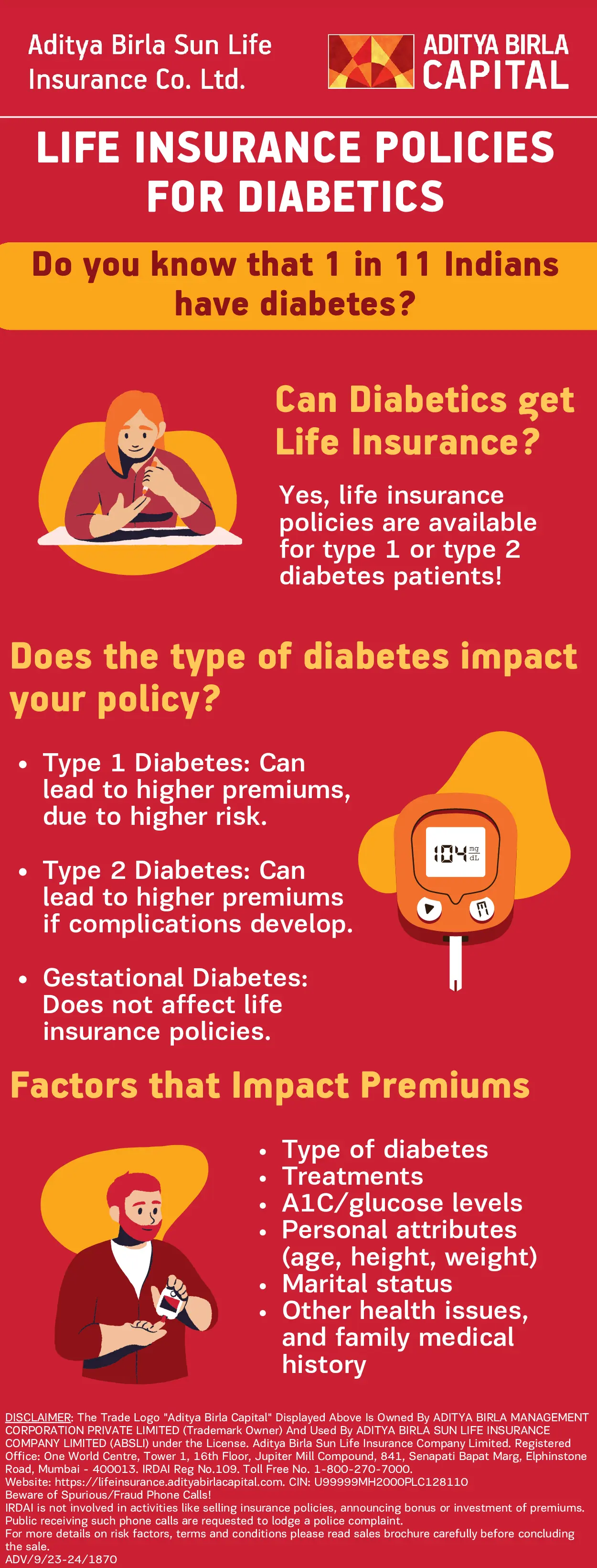
The cost of life insurance for Type 1 diabetics in 2026 typically ranges from $50 to $250 per month for a 20-year term policy with a $500,000 death benefit. While premiums are higher than for non-diabetics, individuals with an A1c belo...
The cost of life insurance for Type 1 diabetics in 2026 typically ranges from $50 to $250 per month for a 20-year term policy with a $500,000 death benefit. While premiums are higher than for non-diabetics, individuals with an A1c below 7.0 and no complications can often secure "Standard" or "Standard Plus" rates.
Contents
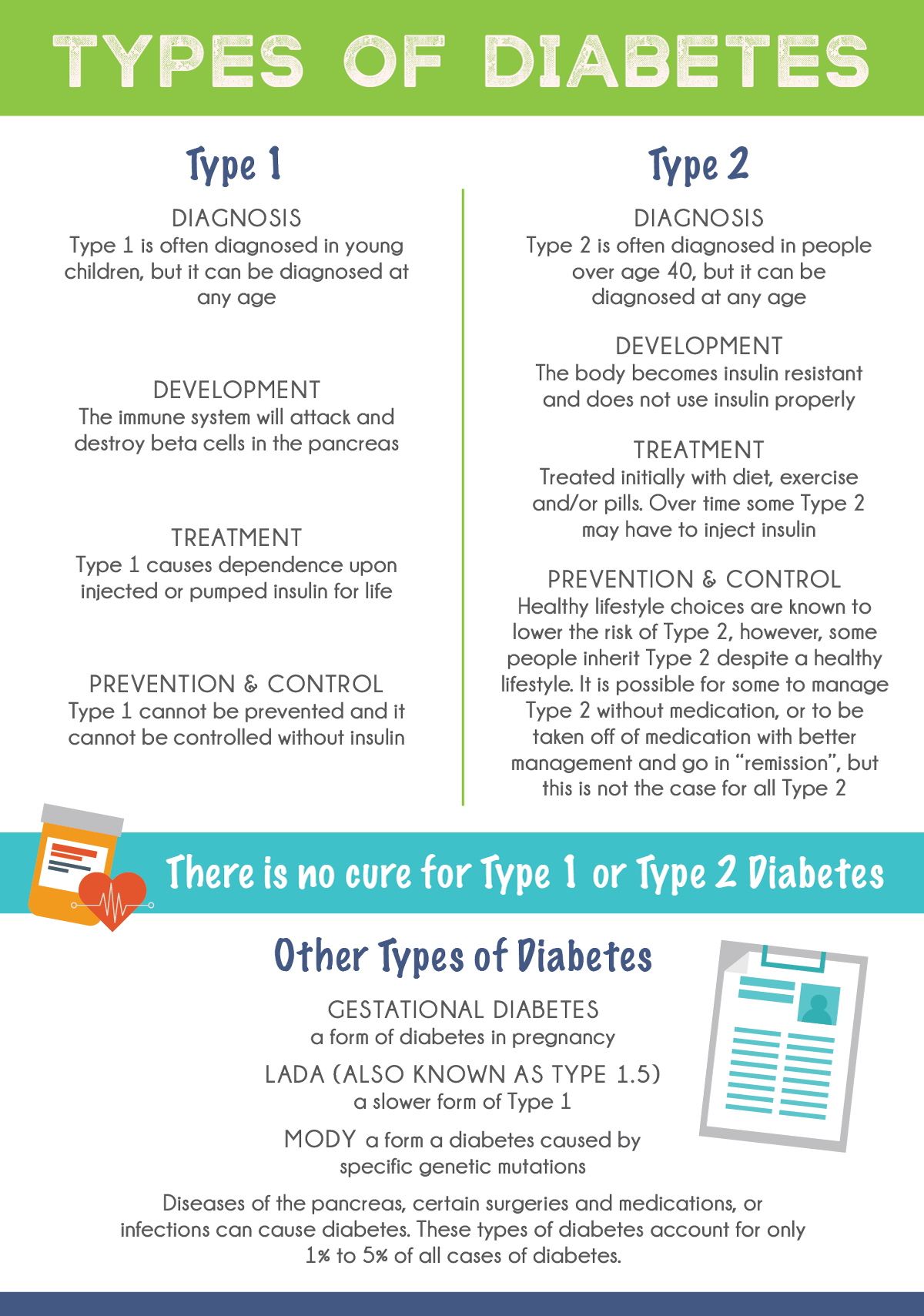
Securing life insurance with Type 1 diabetes (T1D) has evolved significantly over the last decade. In 2026, insurance underwriters rely less on the mere existence of a diagnosis and more on the granular data provided by modern management tools. For the millions of individuals living with this autoimmune condition, understanding the nuances of how "risk" is calculated is the key to finding affordable coverage.
Life insurance companies categorize applicants into "rating classes." These classes determine the base premium. While a non-diabetic in excellent health might qualify for "Preferred Best" or "Super Preferred" rates, a Type 1 diabetic is realistically looking at "Standard" as their ceiling, with many falling into "Table Ratings" (substandard) categories.
Understanding Insurance Rating Classes for Type 1 Diabetics
Underwriting is the process by which an insurance company evaluates the risk of insuring a person. For someone with Type 1 diabetes, the underwriter is primarily concerned with the long-term impact of blood glucose levels on the body’s vital systems. In 2026, most carriers use a combination of traditional medical exams and digital health data to assign a rating.
Preferred and Standard Ratings
In rare cases, a Type 1 diabetic who was diagnosed later in life (after age 30) and maintains exceptional control may qualify for a "Standard Plus" rating. However, "Standard" is the most common goal for well-managed T1D applicants. A Standard rating means you pay the same rate as an average person of your age and gender.
Substandard or Table Ratings
If your diabetes management is less than ideal or if you have minor complications, you will likely receive a "Table Rating." Table ratings are typically labeled A through P or 1 through 16. Each "table" usually adds a 25% surcharge to the Standard premium.
- Table B (Table 2): Usually represents a 50% increase over Standard rates. This is common for T1D patients with an A1c between 7.5 and 8.0.
- Table D (Table 4): Represents a 100% increase. This is often seen if there are early signs of complications, such as mild protein in the urine.
Key Factors Influencing Premiums in 2026
Several specific clinical and lifestyle factors determine where an applicant falls on the pricing spectrum. Unlike Type 2 diabetes, which can sometimes be reversed or managed through lifestyle changes alone, Type 1 is viewed as a permanent, insulin-dependent risk that requires constant vigilance.
1. Glycated Hemoglobin (A1c) and Time-in-Range
The A1c test remains the primary metric for underwriters, as it provides a three-month average of blood sugar levels. In 2026, insurers have also begun to look at "Time-in-Range" (TIR) data from Continuous Glucose Monitors (CGMs).
- A1c < 7.0: Excellent control; eligible for the best available T1D rates.
- A1c 7.1 – 8.5: Good to fair control; likely results in Table B or C ratings.
- A1c > 9.0: Often results in a decline or a high-table rating (Table F or lower) until control improves.
2. Age of Diagnosis
The "duration of disease" is a critical actuarial metric. An individual diagnosed at age 5 has a longer window for cumulative microvascular damage than someone diagnosed at age 25. Generally, the longer you have lived with T1D, the higher the perceived risk, unless your clinical records show a consistent history of stable health.
3. Presence of Complications
Underwriters look specifically for "end-organ" damage. The presence of any of the following will significantly increase premiums or lead to a denial of traditional term coverage:
- Retinopathy: Damage to the blood vessels in the retina.
- Nephropathy: Kidney damage, often signaled by elevated creatinine or microalbuminuria.
- Neuropathy: Nerve damage, particularly in the extremities.
- Cardiovascular Disease: Diabetics are at higher risk for heart attacks and strokes; any existing heart condition combined with T1D is a major red flag for insurers.
4. Technology Usage (CGMs and Pumps)
By 2026, the use of Continuous Glucose Monitors (like Dexcom or Libre) and insulin pumps (like Omnipod or Tandem) is viewed favorably by many carriers. These devices suggest a proactive approach to management and provide more stable glucose levels, which reduces the risk of severe hypoglycemia—a major concern for life insurance companies.
Estimated Monthly Costs for Type 1 Diabetics (2026)
The following table provides estimated monthly premiums for a 20-year Term Life Insurance policy with a $500,000 death benefit. These figures assume the individual is a non-smoker with well-managed Type 1 diabetes (Standard or Table B rating).
| Age of Applicant | Health Status (A1c 6.5-7.5) | Estimated Monthly Premium (Male) | Estimated Monthly Premium (Female) |
|---|---|---|---|
| 25 | No complications, pump/CGM user | $45 – $65 | $38 – $55 |
| 35 | Well-managed, diagnosed > 10 yrs | $60 – $85 | $50 – $70 |
| 45 | Stable control, minor neuropathy | $110 – $160 | $90 – $135 |
| 55 | Stable control, older onset | $220 – $310 | $180 – $250 |
| 65 | Managed, no major heart issues | $450 – $650 | $350 – $500 |
Note: These are estimates based on 2026 market trends. Actual quotes depend on specific medical records and carrier-specific underwriting guidelines.
Types of Life Insurance Policies for Diabetics
Choosing the right structure for your policy is just as important as the price. Each type of insurance serves a different financial purpose.
Term Life Insurance
Term insurance is the most affordable and popular choice. It provides coverage for a specific period (10, 15, 20, or 30 years). For Type 1 diabetics, 20-year terms are the "sweet spot," providing coverage during the years of highest financial responsibility (mortgage, raising children) before premiums become prohibitively expensive in older age.
Whole Life and Universal Life
Permanent life insurance covers you for your entire life and includes a cash value component. These policies are significantly more expensive—often 5 to 10 times the cost of term insurance. For Type 1 diabetics, permanent insurance can be difficult to qualify for at an affordable rate, but it is a viable option for those looking to cover final expenses or estate taxes.
Guaranteed Issue Life Insurance
If you have been denied traditional coverage due to severe complications (e.g., kidney failure or recent heart surgery), Guaranteed Issue (GI) is an option. These policies require no medical exam and ask no health questions. However, the death benefits are small (usually capped at $25,000), and the premiums are very high relative to the coverage amount. Most GI policies also have a "graded death benefit," meaning the full amount isn't paid out if you die within the first two years of the policy.
How to Lower Your Premiums
While you cannot change your diagnosis, you can influence the factors that insurers use to set your rates.
- Optimize Your A1c: Most insurers want to see at least 6 to 12 months of stable A1c readings. If your last reading was high, wait until you have a better one before applying.
- Keep Meticulous Records: Ensure your endocrinologist’s notes reflect your diligence. If you use a CGM, having a report that shows a high "Time-in-Range" can sometimes be used to fight for a better rating class.
- Work with an Independent Broker: Do not apply to just one company. Specialized brokers have access to "impaired risk" underwriters who understand Type 1 diabetes better than a general agent.
- Manage Other Risk Factors: Insurers look at the "whole picture." If you have T1D but also have high blood pressure, high cholesterol, or a high BMI, those risks are compounded. Keeping these other metrics in check can prevent your rating from sliding into a more expensive table.
Frequently Asked Questions
Can I get life insurance if I was just diagnosed with Type 1 diabetes?
Most insurance companies require a "waiting period" of 6 to 12 months after a new diagnosis of Type 1 diabetes. This allows the carrier to see how you are responding to insulin and whether you can maintain stable glucose levels. Applying too soon after diagnosis often results in a postponement of the application.
Does a high A1c mean an automatic denial?
Not necessarily, but an A1c consistently above 9.0 or 10.0 makes it very difficult to secure traditional term life insurance. In 2026, many carriers will postpone your application and ask you to re-apply once your A1c has stabilized below 8.5 for at least six months.
Will my premiums go down if my A1c improves later?
Yes, most companies allow for a "rating reduction" or "re-consideration" after your policy has been in force for at least a year or two. If you can provide medical evidence that your A1c has significantly improved and remained stable, you can ask the insurer to move you to a better (cheaper) rating class.
How does smoking affect Type 1 diabetes life insurance rates?
Smoking is the single most expensive factor you can add to a T1D diagnosis. Because both smoking and diabetes damage the vascular system, the combination is viewed as a "compounded risk." A smoking Type 1 diabetic will often pay 3 to 4 times more than a non-smoking diabetic, and in many cases, they may be denied coverage entirely.
Are there "no-exam" policies for Type 1 diabetics?
Yes, in 2026, many "accelerated underwriting" policies allow you to skip the physical exam (blood draw and urine sample). However, the insurer will still pull your digital medical records and pharmacy history. If those records show poor diabetes control, you may still be required to take an exam or face a denial.
Practical Next Actions
If you are a Type 1 diabetic seeking coverage in 2026, your first step should be to gather your last two years of endocrinology records, including your A1c history. Avoid applying directly to "big name" captive agents who may not have the flexibility to shop around. Instead, consult with an independent agent who specializes in "high-risk" or "impaired risk" life insurance. They can perform an informal inquiry with multiple carriers—such as Prudential or Banner Life—to find which company is currently offering the most favorable terms for T1D management.
Image Gallery