Understanding the Highest Value NBA Cards: A Guide to Market Valuation and Rarity
The highest value NBA cards are primarily defined by a combination of historical significance, player legacy, scarcity, and professional authentication. These assets represent the intersection of sports memorabilia and alternative inve...
The highest value NBA cards are primarily defined by a combination of historical significance, player legacy, scarcity, and professional authentication. These assets represent the intersection of sports memorabilia and alternative investment, where early-era rookie cards, limited-print parallels, and autographed patches command the highest premiums in the 2026 secondary market.
Contents
The Mechanics of Market Valuation
In the current sports card market, value is rarely arbitrary. It is the result of a rigorous evaluation process conducted by third-party grading services like PSA (Professional Sports Authenticator), BGS (Beckett Grading Services), and SGC (Sportscard Guaranty). The "value" of an NBA card in 2026 is driven by several non-negotiable pillars:
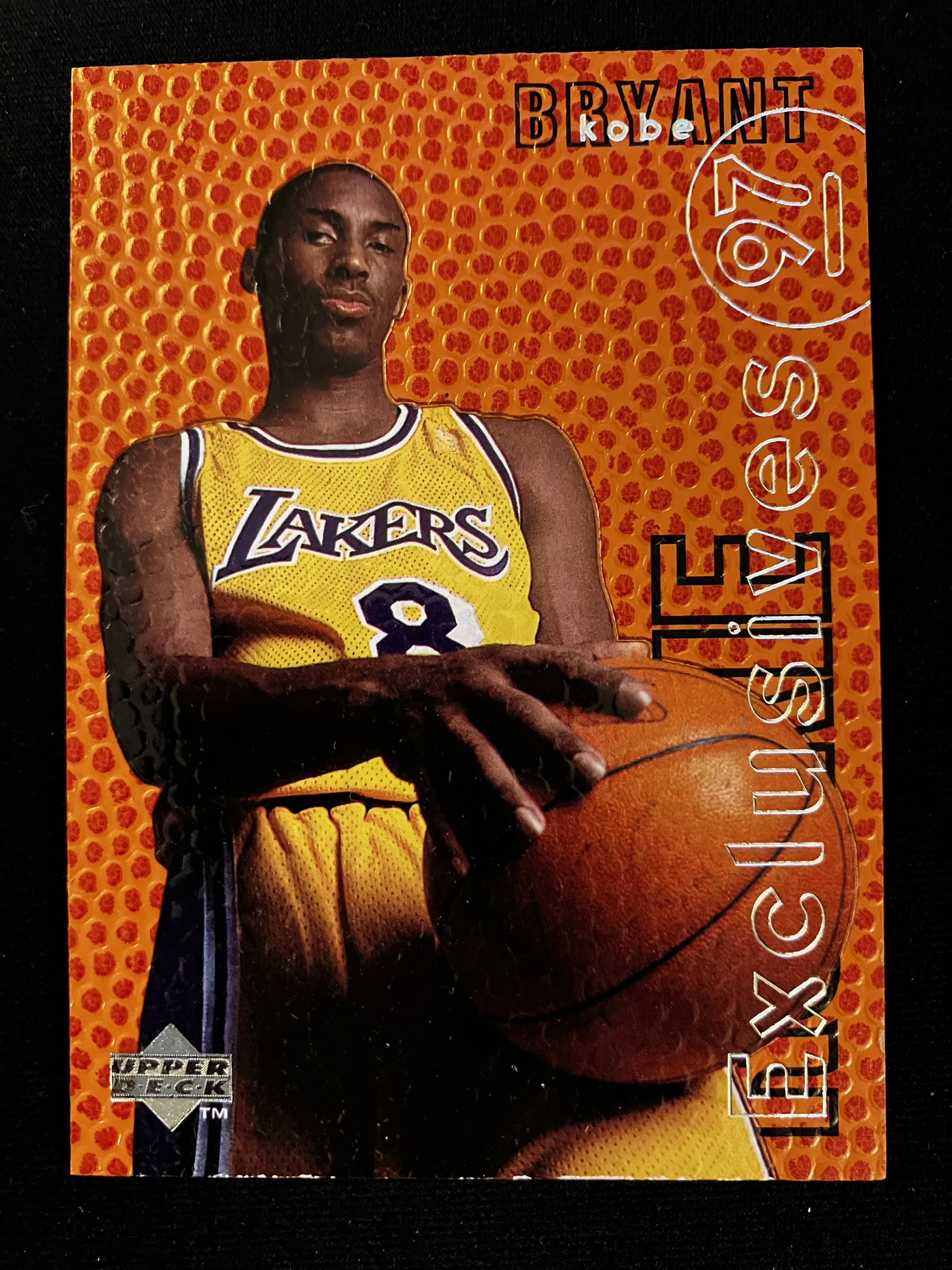
- Player Legacy: Cards featuring Hall of Fame athletes—such as Michael Jordan, Kobe Bryant, LeBron James, and Kareem Abdul-Jabbar—consistently outperform those of contemporary or mid-tier players.
- The Rookie Card (RC) Distinction: An athlete’s primary, officially licensed rookie card is almost universally considered their most valuable asset. Later-year issues rarely reach the same price points regardless of print run or aesthetics.
- Grading Standards: A "Gem Mint" (PSA 10) grade acts as a multiplier for value. Even for rare cards, a scratch on the surface or off-center printing can reduce a card's market value by 50% to 90% compared to a perfect specimen.
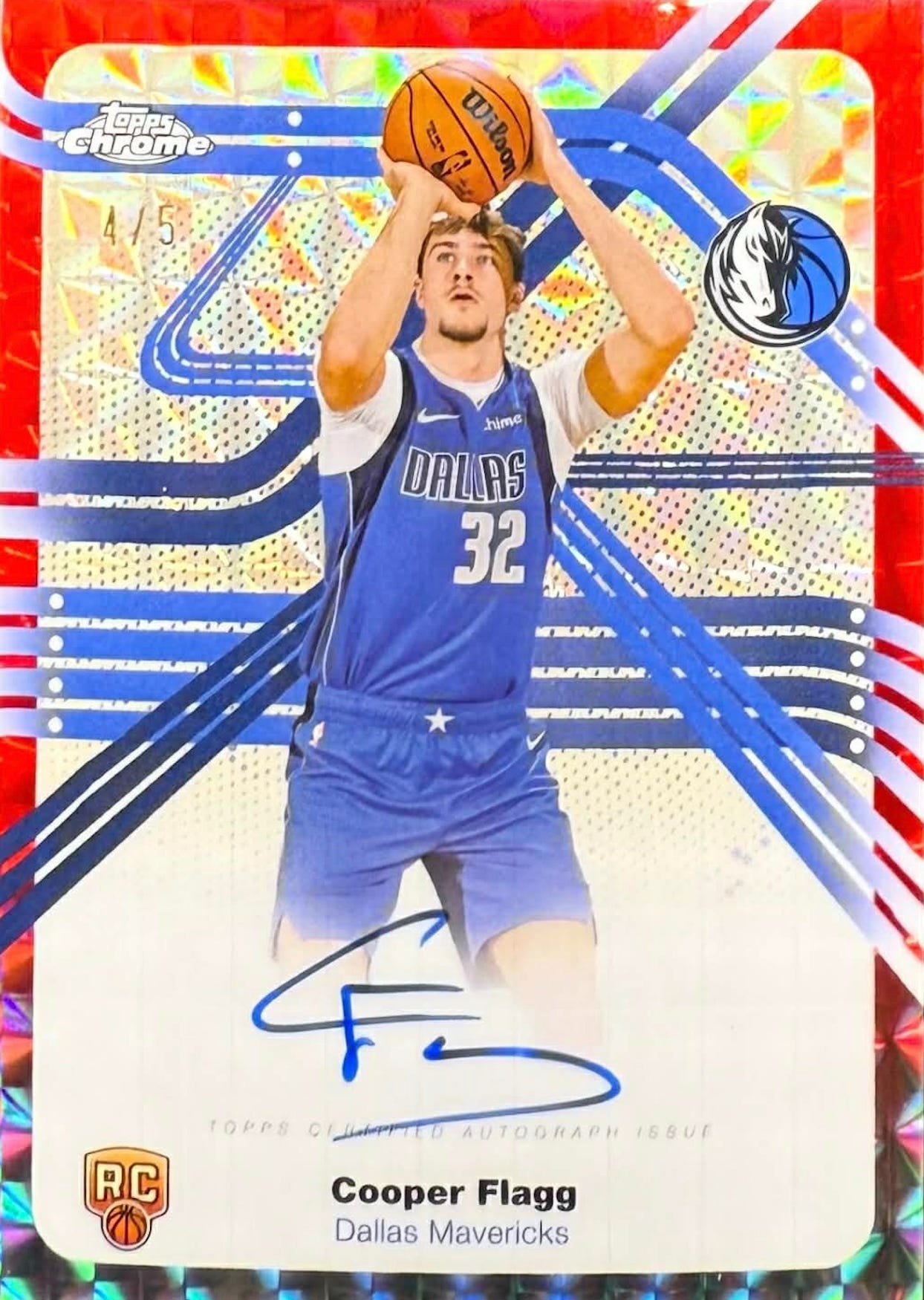
- Scarcity and Serial Numbering: Modern cards (post-1996) often use serial numbering (e.g., /99, /10, or 1/1) to create artificial scarcity. These limited-edition parallels often trade at significant premiums over the standard base card versions.
Historical Blue Chips: The Foundation of the Hobby
The highest-valued segment of the NBA market remains rooted in the mid-20th century to the late 1980s. These cards were produced before the hobby shifted toward the "chase" card culture of the 1990s and 2000s, meaning high-grade copies are naturally rare due to the manufacturing and storage standards of the time.
The 1948 Bowman George Mikan rookie card and the 1961 Fleer Wilt Chamberlain rookie card serve as the "gold standard" benchmarks. Because fewer of these cards survived in pristine condition, their value is often dictated by auction houses rather than traditional marketplace listings. Collectors view these as the "blue chips" of the portfolio—assets with high liquidity and a track record of long-term appreciation.
Modern Era Rarities and "Chase" Culture
Since the mid-1990s, manufacturers like Upper Deck, Topps, and Panini shifted the landscape by introducing game-worn jersey patches, autographs, and intricate serial-numbered parallels. This period introduced the "1-of-1" concept, where a single card represents the entire production run of a specific parallel.
In 2026, the highest value modern cards often belong to the "Logoman" category—cards containing the actual NBA logo patch cut from a player's jersey. Because there is only one logo per jersey, these cards are inherently scarce and frequently represent the ceiling for a player’s market price.
| Feature Type | Impact on Valuation | Rarity Level |
|---|---|---|
| Base Rookie | Baseline value | High (Mass produced) |
| Refractor/Parallel | Increases with color scarcity | Medium to High |
| Auto/Jersey Patch | Premium for uniqueness | High |
| 1-of-1 Logoman | Maximum market premium | Extreme |
Prerequisites for Collectors and Investors
Entering the high-end NBA card market requires more than capital; it requires a deep understanding of provenance. Before acquiring a card valued in the thousands or tens of thousands of dollars, investors must verify:
- Verification of Authentication: Only purchase cards housed in tamper-evident "slabs" from reputable grading companies. Verify the serial number on the grading company’s database to ensure the label has not been forged.
- Market Liquidity Assessment: High-value cards are not always easy to sell quickly. Determine whether the card has a "trailing" history of sales on platforms like eBay, Goldin, or Heritage Auctions. If a card has not been sold in several years, the "value" is speculative rather than realized.
- Storage Environment: Humidity and light exposure are the primary enemies of card condition. High-value cards should be kept in climate-controlled environments with UV protection to maintain their grade.
Common Risks and Misconceptions
One common mistake for newcomers is confusing "list price" with "market value." On many public sales platforms, sellers may list cards at exorbitant prices that do not reflect what buyers are actually paying. Always prioritize "Sold" or "Completed" auction data over active listings.
Additionally, be wary of the "Pop Report" fallacy. A Population (Pop) Report tracks how many cards of a specific type have been graded by a company. A card might appear rare because the Pop Report shows only five copies. However, if the market has lost interest in the player, that "rarity" does not automatically translate to a high price. Scarcity only drives value when it is coupled with high demand.
Frequently Asked Questions
What is the single most valuable NBA card? While prices fluctuate, the 1948 Bowman George Mikan and various high-grade 1986 Fleer Michael Jordan cards frequently vie for the top spots in public auction records. The specific 1-of-1 modern rarities, like the LeBron James Triple Logoman, can also command prices exceeding standard historical benchmarks due to their unique nature.
Does an autograph increase the value of a card? Generally, yes, but only if the autograph is "certified." An autograph obtained in person (IP) usually requires independent authentication, which can be inconsistent. Factory-certified autographs (where the player signs at the manufacturer's request) carry the most weight with professional graders.
What should I do if my card isn't graded? If you possess a potentially high-value card that is not graded, the best course of action is to research its market value while raw (ungraded). If the cost of professional grading is a small fraction of the card's potential value, submitting it for professional encapsulation is usually the recommended path to protect and verify your asset.
Do NBA cards depreciate? Yes. Like any volatile asset, card values can drop significantly if a player's career trajectory changes, if they suffer a career-ending injury, or if the overall market sentiment shifts away from specific player segments. Diversification is key to managing risk.
Next Steps for Serious Collectors
If you are looking to acquire or evaluate high-value NBA cards, your first step should be to establish a baseline of market data using professional pricing guides such as the PSA Auction Prices Realized database. Avoid emotional purchases, prioritize cards with high-grade, verifiable provenance, and ensure your acquisition aligns with your long-term storage and insurance capabilities. If your collection reaches significant financial value, consider consulting with a professional appraiser to ensure your assets are properly insured against damage or loss.
Image Gallery