Why Auto Insurance Rates Differ Between Companies
Auto insurance rates differ between companies because each insurer utilizes a unique, proprietary actuarial formula to assess risk and determine profitability. While they all look at similar data—such as your driving record, age, and v...
Auto insurance rates differ between companies because each insurer utilizes a unique, proprietary actuarial formula to assess risk and determine profitability. While they all look at similar data—such as your driving record, age, and vehicle type—their internal "appetite" for specific risks, operational costs, and historical loss ratios vary significantly, leading to different premiums for the same driver.
Contents
If you have ever compared car insurance quotes, you likely noticed that the price for the exact same coverage levels can vary by hundreds, or even thousands, of dollars per year. In 2026, with the integration of advanced artificial intelligence in underwriting and the rising costs of repairing high-tech vehicles, these discrepancies have become even more pronounced. Understanding the mechanics behind these price gaps is essential for any consumer looking to optimize their financial protection.
The Role of Proprietary Risk Algorithms
At the heart of every insurance company is an actuarial department. Actuaries are mathematicians who use historical data to predict the likelihood of future claims. However, no two companies use the same mathematical model. Each insurer develops a proprietary algorithm that weights individual risk factors differently.
For example, Company A may have data suggesting that drivers with a minor speeding ticket are 30% more likely to cause a major accident within three years. Consequently, they may double the premium for anyone with a single violation. Meanwhile, Company B’s data might show only a 10% correlation for that specific demographic, leading them to apply a much smaller surcharge. These subtle differences in data interpretation create the initial "price spread" between competitors.
Furthermore, these algorithms are updated constantly. In 2026, insurers are increasingly using real-time data and machine learning to refine their predictions. If a company notices an uptick in claims for a specific vehicle model or within a particular city, its algorithm will automatically adjust rates for that segment, even if other companies haven't seen the same trend yet.
Market Segmentation and Underwriting "Appetite"
Insurance companies do not try to win over every driver. Instead, they target specific "segments" of the market based on their corporate strategy. This concept, often called "underwriting appetite," is a primary reason for rate variance.
- Preferred Carriers: These companies target the lowest-risk drivers—those with pristine credit, long histories of continuous insurance, and no accidents. Their rates are highly competitive for "safe" drivers but become prohibitively expensive (or they may simply deny coverage) for anyone with a single blemish.
- Standard Carriers: These insurers aim for the "average" driver. They offer balanced rates and are more forgiving of minor incidents than preferred carriers, but they lack the extreme discounts found at the top tier.
- Non-Standard Carriers: These companies specialize in high-risk individuals, such as those needing an SR-22 filing, drivers with multiple DUIs, or those with very poor credit. A high-risk driver will find much better rates at a non-standard company than at a preferred carrier that doesn't actually want their business.
Because these companies are competing for different pools of people, their pricing reflects the specific costs associated with those groups. If you apply for a policy at a company that isn't looking for your specific "risk profile," they will often give you a high price as a way of politely declining the risk.
Geographic Variability and Territorial Rating
Your location is one of the most powerful factors in your premium, but different companies define "location" differently. While most people think of insurance rates by state, insurers actually look at specific ZIP codes or even individual street blocks.
One company might see a specific ZIP code as high-risk because they have paid out numerous theft claims in that neighborhood over the last year. Another company might have very few policyholders in that same ZIP code and, therefore, fewer claims on their books for that area. This causes the second company to view the neighborhood as safer, resulting in a lower rate.
Additionally, some companies are more sensitive to regional weather patterns. An insurer with a heavy concentration of customers in a hail-prone region may raise rates across the board to build up reserves for the next storm season, whereas a national carrier with a more diversified geographic base might absorb those costs more easily without a localized price spike.
Operational Costs and Distribution Channels
The way an insurance company is structured and how it sells its products significantly impacts the "expense ratio" baked into your premium. There are three primary business models in the insurance industry:
- Direct-to-Consumer: Companies like Geico or Progressive often sell directly to the public via their websites or apps. They avoid paying commissions to local agents, which can lower overhead. However, they typically spend billions of dollars on advertising to maintain brand awareness, which is a cost passed on to the consumer.
- Captive Agency Carriers: Companies like State Farm or Allstate employ dedicated agents who sell only their products. These agents provide personalized service and local expertise, but the cost of maintaining physical offices and paying agent commissions is reflected in the premium.
- Independent Agency Carriers: Companies like Travelers or Liberty Mutual often work through independent agents who represent multiple brands. This model forces the company to be price-competitive because the agent can easily show the consumer a cheaper alternative from a different brand.
Each of these models has different internal costs for technology, staff, and marketing. A company with highly efficient digital operations might be able to offer a lower rate than a legacy carrier with high administrative overhead, even if they view the driver's risk identically.
The Impact of Claims History and Loss Ratios
An insurance company’s financial performance in the previous year directly dictates its pricing in the current year. This is measured by the "loss ratio"—the ratio of claims paid out to premiums collected.
If Company X had a catastrophic year with high payouts due to natural disasters or an unexpected rise in litigation costs, they must file for rate increases with state regulators to remain solvent. Conversely, if Company Y had a very profitable year with few claims, they may keep rates stable or even introduce new discounts to gain market share.
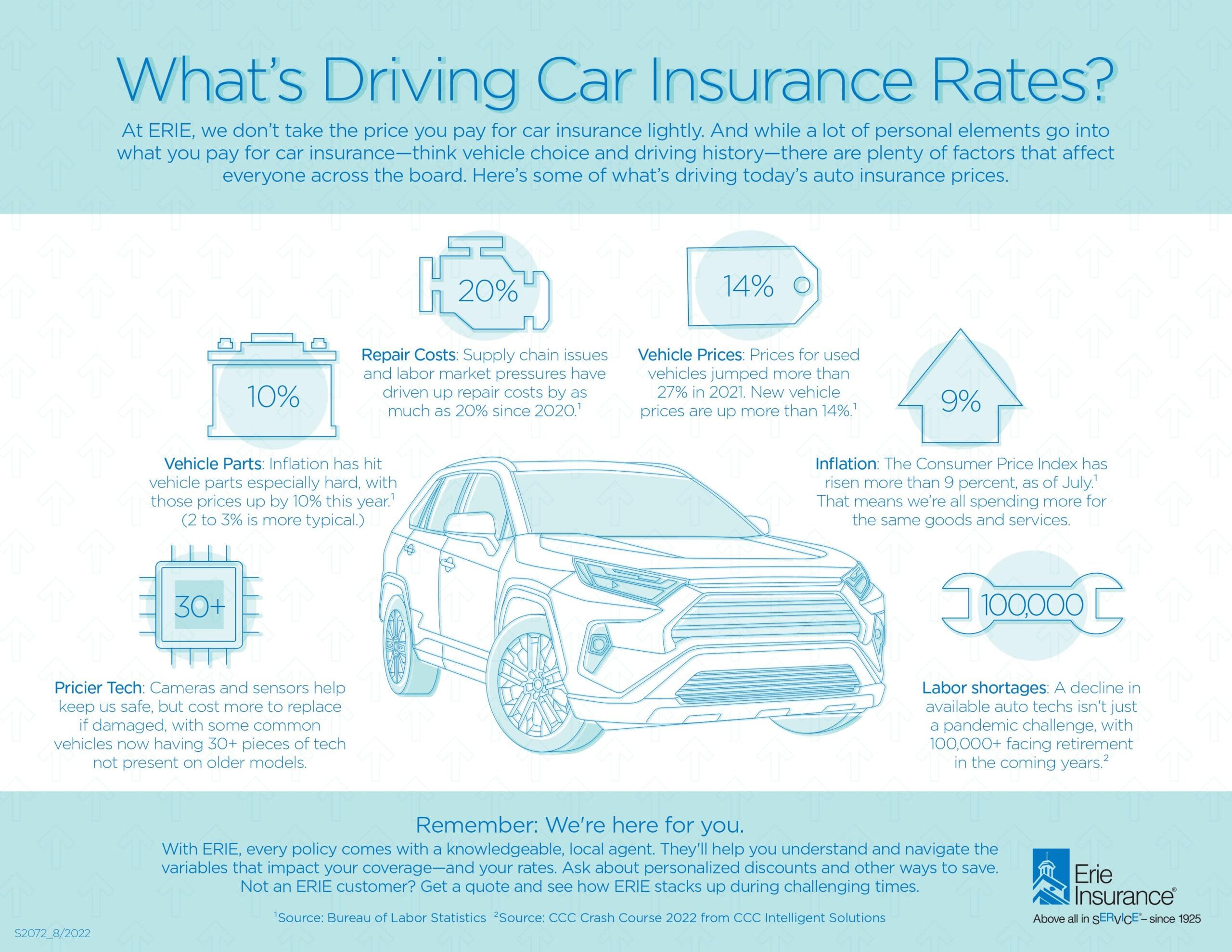
In 2026, the volatility of repair costs for electric vehicles (EVs) and vehicles equipped with complex sensor arrays has created massive swings in loss ratios. Companies that have mastered the logistics of EV repairs may offer lower rates, while those struggling with the rising costs of "totaling" high-tech cars are forced to hike premiums.
Comparison of Carrier Types and Pricing Factors
The following table illustrates how different types of insurance providers prioritize various factors when calculating your rate.
| Carrier Type | Primary Target Audience | Pricing Strategy | Key Advantage |
|---|---|---|---|
| Direct Writers | Tech-savvy, price-conscious drivers | High-volume, low-margin pricing | Ease of use and quick quotes |
| Traditional Agency | Families, homeowners, multi-policy holders | Bundling discounts and relationship-based | Personalized claims handling |
| Insurtech/Telematics | Low-mileage or safe-driving enthusiasts | Usage-based insurance (UBI) | Extreme precision for safe drivers |
| Non-Standard | High-risk or "hard-to-place" drivers | Higher premiums with high-frequency monitoring | Accessibility for risky drivers |
Usage-Based Insurance (UBI) and Telematics in 2026
By 2026, telematics—the use of smartphone apps or plug-in devices to track driving behavior—has become a standard differentiator in insurance pricing. This technology allows companies to stop guessing about your risk and start measuring it in real-time.
However, different companies use this data differently. One insurer might focus heavily on "hard braking" as a sign of an unsafe driver, while another might care more about the time of day you drive or your total annual mileage. Because each company’s "scoring model" for telematics data is unique, two companies tracking the same driver could produce vastly different "safe driver" discounts. This adds another layer of variance to the quotes you receive.
Frequently Asked Questions
Why did my rate go up when I haven't had any accidents?
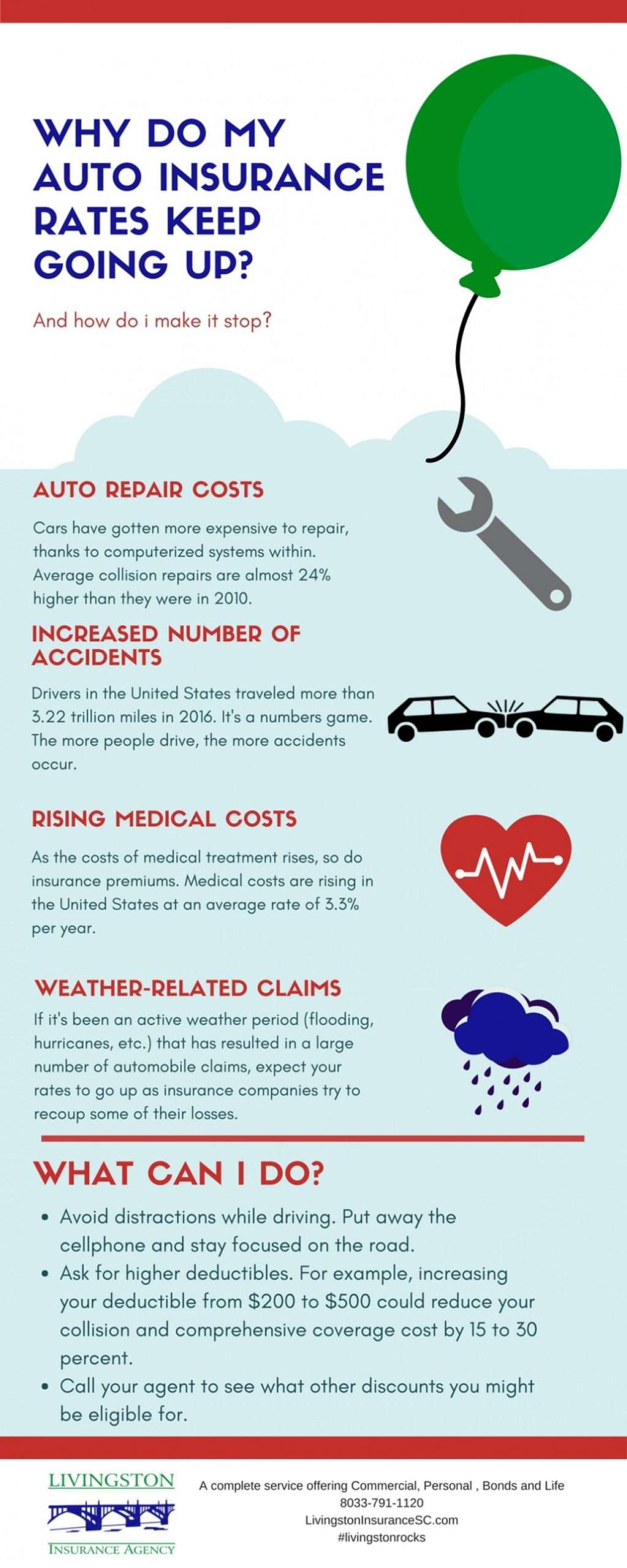
Rates often increase due to external factors known as "rate revisions." These are broad increases applied to all policyholders in a specific area to account for rising repair costs, higher medical expenses, or an increase in uninsured motorists. Even if your personal risk hasn't changed, the company's cost of doing business may have.
Do insurance companies check each other's prices?
While companies monitor their competitors' general pricing trends through public filings with the National Association of Insurance Commissioners (NAIC), they do not coordinate prices. In fact, price-fixing is strictly illegal. They compete aggressively, which is why shopping around remains the most effective way to save money.
Why is one company much cheaper for me but more expensive for my friend?
This is due to the "segmentation" mentioned earlier. You and your friend have different "risk profiles" (different ages, credit scores, vehicles, and ZIP codes). One company's algorithm may favor your specific profile, while another company's model finds your friend's profile more attractive.
How often should I compare rates between companies?
It is a professional standard to compare rates every 12 months or whenever you experience a major life event, such as moving, buying a new car, getting married, or seeing a significant improvement in your credit score. In the 2026 market, rates are more fluid than ever, making annual comparisons essential.
Does a higher price always mean better coverage?
No. Insurance is a highly regulated product, and "100/300/50" coverage at a cheap company is legally the same as "100/300/50" coverage at an expensive one. However, a higher price might reflect better customer service, faster claims processing, or a more stable financial rating from agencies like A.M. Best.
Practical Recommendation for Consumers
Because auto insurance rates differ so wildly between companies, the only way to ensure you aren't overpaying is to request quotes from at least three different types of carriers: one direct writer, one agency-based carrier, and one insurtech or telematics-focused company.
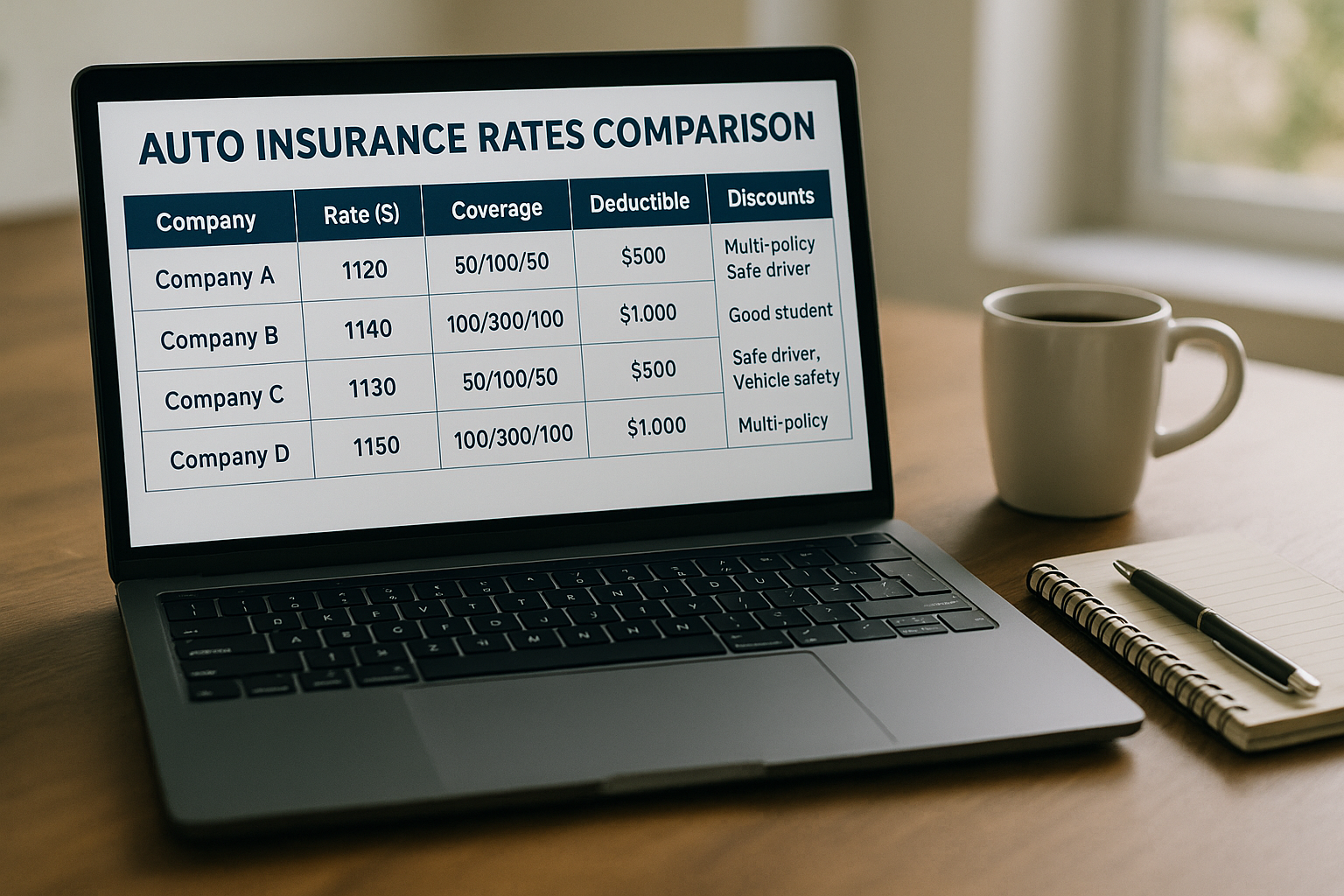
When comparing, ensure that you are looking at "apples-to-apples" coverage. A lower rate from a different company might simply mean they have surreptitiously increased your deductible or removed "uninsured motorist" coverage. Verify the limits, deductibles, and optional endorsements (like roadside assistance or rental reimbursement) across all quotes before making a decision. In 2026, also pay close attention to the "Telematics Discount" terms, as the initial low price may be contingent on your driving behavior over the first 90 days of the policy.
Image Gallery