Red Pandas at the San Diego Zoo: A Complete Visitor’s Guide for 2026
To see red pandas at the San Diego Zoo, head to the Himalayan Highlands section within the Asian Passage. These arboreal mammals are most active during the early morning hours or late afternoons when temperatures are cooler. Visitors c...
To see red pandas at the San Diego Zoo, head to the Himalayan Highlands section within the Asian Passage. These arboreal mammals are most active during the early morning hours or late afternoons when temperatures are cooler. Visitors can observe them navigating high-altitude forest simulations designed to mimic their native habitat in the Eastern Himalayas.
Contents
Where to Locate Red Pandas in the San Diego Zoo
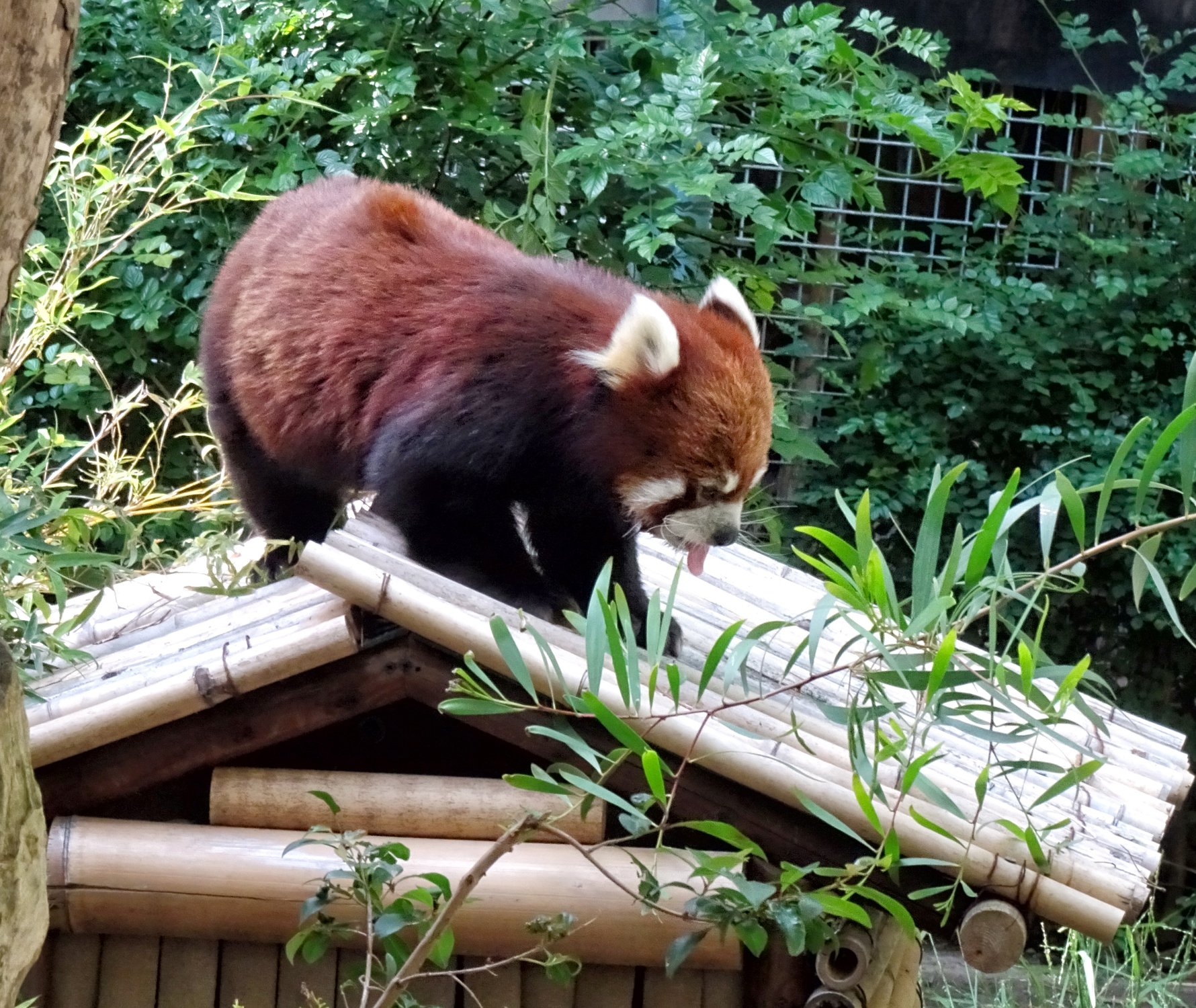
The San Diego Zoo is a vast 100-acre park, and finding specific animals requires navigating its diverse topographical zones. The red pandas (Ailurus fulgens) are currently housed in the Himalayan Highlands, a specialized area located within the broader Asian Passage (formerly known as the Lost Forest/Sun Bear forest interface). This exhibit is strategically positioned on a hillside to take advantage of natural shade and cooler air pockets, which are essential for a species adapted to high-altitude temperate forests.
When entering the zoo, the most direct route to the red pandas is to head toward the Skyfari Aerial Tram's East Terminal or follow the signs toward the Urban Jungle and then veer into the Asian Passage. The exhibit is neighbors with other high-altitude species, including the snow leopards and the Sichuan takins. The enclosure itself is heavily vegetated with various species of bamboo and features extensive overhead climbing structures. Because red pandas are primarily arboreal, visitors should focus their gaze upward into the canopy of the trees rather than at ground level.
The habitat design prioritizes "vertical space," which allows the red pandas to exhibit natural behaviors like climbing and nesting in high forks of trees. The zoo utilizes a series of "skywalks" and viewing platforms that provide guests with eye-level views of the animals while they are resting in the branches. This architectural choice minimizes the stress on the animals by allowing them to remain above the human "predator" eye line while still providing excellent visibility for photography and education.
The Best Times for Observation and Activity
Understanding the biology of the red panda is key to a successful sighting. Red pandas are crepuscular, meaning they are most active during the dawn and dusk hours. In a zoo setting, this translates to the first hour after the park opens (typically 9:00 AM) and the final hour before sunset. During the midday heat, especially in the warm San Diego climate, red pandas spend the vast majority of their time sleeping in shaded hollows or draped over high branches to dissipate heat through their bellies.
Weather also plays a significant role in their visibility. Red pandas possess thick, woolly fur and a bushy tail used for insulation; they are far more active on overcast or cool, misty days. If you are visiting during a San Diego "May Gray" or "June Gloom" morning, you are much more likely to see them foraging for bamboo or interacting with enrichment items provided by the husbandry staff. On hot summer days, the zoo utilizes misting systems to keep the Himalayan Highlands cool, but the pandas will likely remain stationary to conserve energy.
For those interested in witnessing feeding behaviors, the animal care specialists often provide fresh bamboo and "leaftop" biscuits during the mid-morning routine. While there is no fixed public schedule for "keeper talks" at the red panda exhibit, morning shifts (9:30 AM to 11:00 AM) are the most common times for staff to be active within the habitat, which often prompts the pandas to move around in anticipation of food or new enrichment scents.
Biological Profile: Understanding the "Fire Fox"
Despite their name, red pandas are not closely related to the giant panda. While the giant panda is a member of the bear family (Ursidae), the red panda belongs to its own unique family, Ailuridae. They are more closely related to raccoons, weasels, and skunks than to bears. The San Diego Zoo Wildlife Alliance (SDZWA) emphasizes this distinction in their educational programming to help visitors understand the unique evolutionary niche these animals occupy.
Dietary Specialization
The red panda’s diet is 98% bamboo. However, unlike the giant panda, which eats almost any part of the bamboo plant, the red panda is a selective feeder, preferring the most nutrient-dense leaf tips and succulent shoots. At the San Diego Zoo, the nutrition team sources several varieties of bamboo to ensure a balanced diet. Because bamboo is low in caloric density, red pandas must consume large quantities relative to their body size—up to 20% to 30% of their body weight daily.
Physical Adaptations
Visitors observing the red pandas will notice several distinct physical traits:
- The Pseudo-Thumb: Like giant pandas, red pandas have an extended wrist bone that functions as a thumb, allowing them to grip bamboo stalks and climb with extreme precision.
- Ringed Tail: The long, bushy tail provides balance while navigating narrow branches and serves as a built-in blanket during cold nights.
- Scent Glands: Red pandas are highly territorial. You may see them rubbing their hindquarters against branches; they are using scent glands located on the soles of their feet and near the base of their tail to mark their path.
Comparing High-Altitude Species at the San Diego Zoo
The Himalayan Highlands exhibit allows visitors to compare how different species have adapted to the harsh conditions of the Asian mountain ranges. The following table highlights the differences between the red panda and its neighbors.
| Feature | Red Panda | Snow Leopard | Sichuan Takin |
|---|---|---|---|
| Classification | Ailuridae (Unique Family) | Felidae (Large Cat) | Bovidae (Goat-Antelope) |
| Primary Diet | Bamboo, fruit, eggs | Meat (Ibex, blue sheep) | Grasses, buds, leaves |
| Activity Pattern | Crepuscular | Nocturnal/Crepuscular | Diurnal (Daytime) |
| Social Structure | Solitary (Except breeding) | Solitary | Small herds |
| Main Adaptation | Thick fur, pseudo-thumb | Large paws, long tail | Oily skin (water repellant) |
| Conservation Status | Endangered | Vulnerable | Vulnerable |
Conservation Efforts and the SDZWA
The San Diego Zoo Wildlife Alliance is a world leader in the conservation of red pandas. In 2026, the focus remains on the "One Red Panda" initiative, which connects the animals in San Diego with wild populations in Nepal and India. The red panda is currently listed as Endangered on the IUCN Red List, with fewer than 10,000 individuals remaining in the wild due to habitat fragmentation, climate change, and poaching.
The zoo participates in the Species Survival Plan (SSP), a coordinated breeding program among accredited institutions to ensure genetic diversity within the captive population. Many of the red pandas seen in San Diego are part of this program. Beyond the park's walls, the SDZWA partners with the Red Panda Network to support "Forest Guardians"—local community members in Nepal who monitor wild red panda populations and educate their communities about the importance of preserving the red panda’s forest habitat.
By visiting the red pandas, guests directly contribute to these efforts. A portion of every ticket sale and membership fee is funneled into the San Diego Zoo Wildlife Alliance’s global conservation hubs. This funding supports reforestation projects that create "wildlife corridors," allowing isolated red panda populations to meet and breed, which is vital for the long-term survival of the species.
2026 Visitor Logistics and Planning
Visiting the San Diego Zoo in 2026 requires some logistical planning to ensure the best experience. As of this year, the zoo continues to operate under a dynamic pricing model, and reservations are recommended during peak holiday periods.
Admission and Pricing
As of early 2026, standard daily admission for adults (ages 12+) is approximately $74, while child tickets (ages 3-11) are approximately $64. These prices include the use of the Guided Bus Tour, the Kangaroo Express Bus, and the Skyfari Aerial Tram. For the most up-to-date pricing and to purchase tickets, visit the official San Diego Zoo website.
Accessibility and Mobility
The Himalayan Highlands area is located on a significant incline. For visitors with mobility concerns:
- Kangaroo Bus: Use the Kangaroo Express Bus and disembark at Stop 2 or 3. This will put you within a short, relatively flat walk to the red panda exhibit.
- Elevators: There is an elevator located near the Bashor Bridge that connects the lower levels of the Asian Passage to the upper ridges where the red pandas are located.
- Visual Aids: The exhibit features high-contrast signage and tactile elements for guests with visual impairments, detailing the texture of red panda fur and the shape of their tracks.
Frequently Asked Questions
Are there "Giant Pandas" at the San Diego Zoo in 2026?
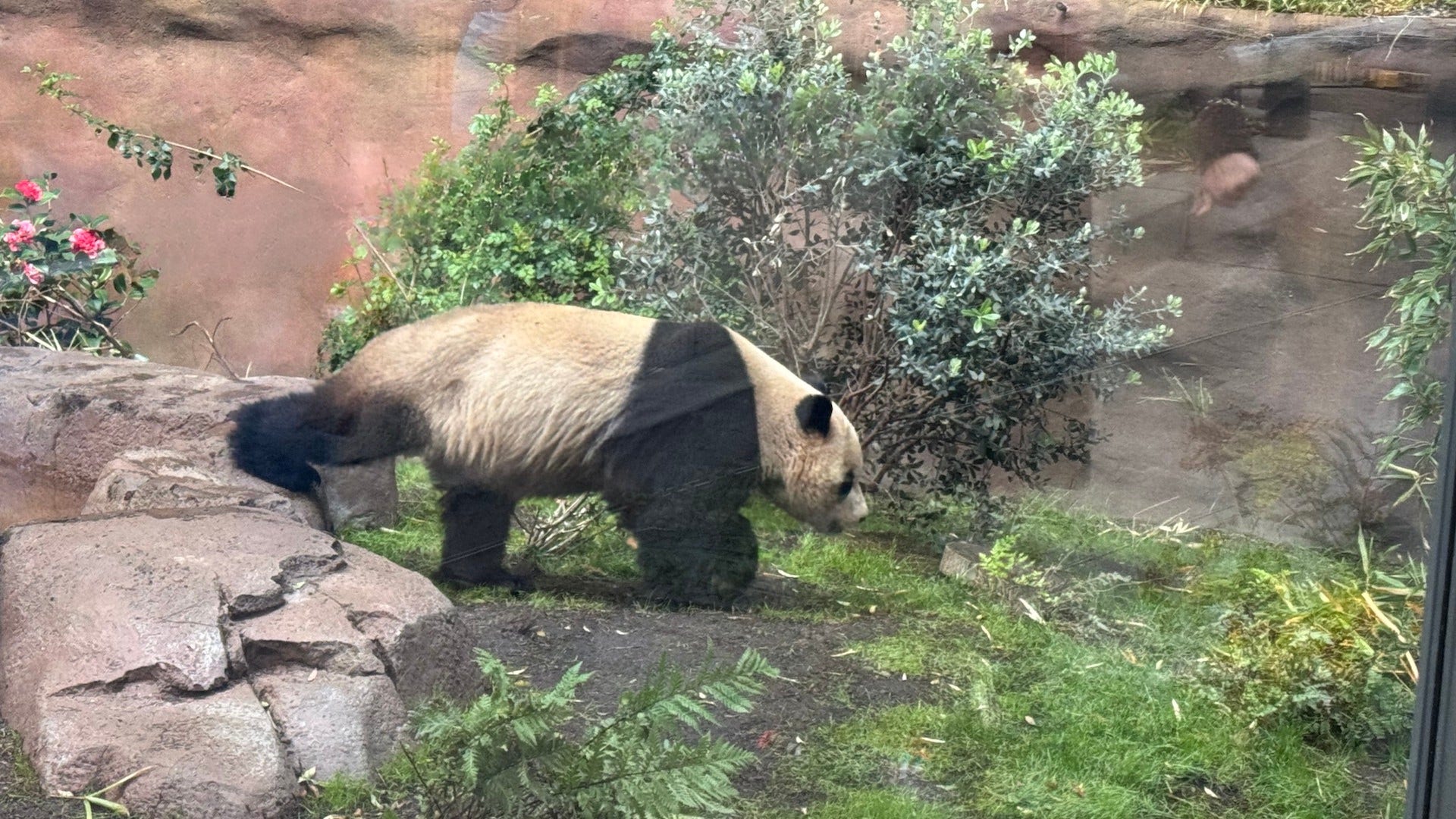
Yes, as of 2024, giant pandas returned to the San Diego Zoo through a new cooperation agreement with China. They are located in the Panda Canyon area. While they share the "panda" name, they are in a different part of the zoo from the red pandas. It is a common mistake to assume they are housed together; you will need to walk approximately 10-15 minutes between the two habitats.
Can I do a "Red Panda Encounter" or "Behind the Scenes" tour?
The San Diego Zoo offers several "Exclusive Extras." While specific offerings change seasonally, there is often an "Animals in Action" experience or a "Discovery Cart Tour" that may include red panda viewing from a unique vantage point or a discussion with their keepers. These tours must be booked in advance and carry an additional fee.
What do I do if the red pandas aren't visible?
If the red pandas are not in their usual spots, check the highest branches of the evergreen trees. They often blend in perfectly with reddish-brown bark or mossy limbs. If it is a particularly hot day, look for the "cool rocks" or shaded nesting boxes built into the back of the exhibit. If they are still not visible, come back 30 minutes before the zoo closes; they often wake up and begin "pacing" or foraging as the sun goes down.
Why is the red panda exhibit near the snow leopards?
This is an example of biogeographic grouping. The zoo organizes many of its exhibits by "wildlife hubs" or ecosystems. Since both red pandas and snow leopards inhabit the high-altitude forests and rocky outcrops of the Himalayas, placing them near each other helps educate the public on the specific environmental challenges of that region, such as shrinking habitats due to temperature rises.
Is it okay to use flash photography?
Flash photography is strongly discouraged. Red pandas have sensitive eyes adapted for low-light (crepuscular) conditions. A bright flash can startle them or cause temporary vision impairment. For the best photos, use a high-speed lens (f/2.8 or f/4) to account for the shaded forest environment and a zoom lens of at least 200mm to capture details in the canopy.
Practical Recommendation for Your Visit
To maximize your experience, arrive at the San Diego Zoo the moment the gates open at 9:00 AM. Head directly to the Himalayan Highlands before the crowds gather. After viewing the red pandas while they are active and eating their morning bamboo, you can easily transition to the nearby Snow Leopard habitat and then take the Skyfari Aerial Tram for a bird's-eye view of the park. This strategy avoids the midday heat and ensures you see the zoo's most famous "Fire Foxes" at their most charismatic.
Image Gallery