Is Uncle Roger and Nigel Ng the Same Person? The Comprehensive Answer
Yes, Uncle Roger is a fictional character created and performed by Nigel Ng, a professional Malaysian stand-up comedian and content creator. While Uncle Roger is a middle-aged, MSG-loving, highly opinionated "uncle" with a heavy Canton...
Yes, Uncle Roger is a fictional character created and performed by Nigel Ng, a professional Malaysian stand-up comedian and content creator. While Uncle Roger is a middle-aged, MSG-loving, highly opinionated "uncle" with a heavy Cantonese-inflected accent, Nigel Ng is the real-life actor and writer who developed the persona for social media and comedic sketches.
Contents
The distinction between the two is a classic example of character comedy. Nigel Ng uses the Uncle Roger persona to satirize cultural stereotypes, critique Western interpretations of Asian cuisine, and engage with a global audience. As of 2026, this character remains one of the most successful digital comedy exports from Southeast Asia, bridging the gap between traditional stand-up and viral internet stardom.
The Man Behind the Orange Polo: Who is Nigel Ng?
To understand the relationship between the two, one must first look at the career of Nigel Ng. Born in 1991 in Kuala Lumpur, Malaysia, Ng moved to the United States to study at Northwestern University, where he majored in engineering and philosophy. It was during his time in the U.S. that he began performing stand-up comedy, eventually moving to London in 2015 to pursue the craft professionally.
Before the viral success of Uncle Roger, Nigel Ng was already an established name in the UK comedy circuit. He was a finalist for the prestigious "So You Think You're Funny?" award in 2016 and won the Amused Moose Laugh-Off in 2015. His comedy often draws from his experiences as a Malaysian immigrant living in the West, exploring themes of cultural identity, dating, and the absurdity of modern life.
Unlike his character, Nigel Ng does not naturally speak with the exaggerated accent associated with Uncle Roger. In his stand-up specials and his long-running podcast, Rice to Meet You, Ng speaks with a standard Malaysian-English accent that is much more subtle. He is also significantly younger than the "Uncle" persona he portrays; as of 2026, Ng is 35 years old, while Uncle Roger is written to be a man in his early 50s going through a perpetual mid-life crisis.
The Birth of Uncle Roger: From Sketch to Global Phenomenon
The character of Uncle Roger was not an overnight invention but a culmination of Nigel Ng's observations of elder generations in Malaysia and Hong Kong. The persona officially debuted on TikTok and Instagram before moving to YouTube, but it was a specific video in July 2020 that catapulted the character into the global consciousness.
In that video, Uncle Roger reacted to a BBC Food segment featuring host Hersha Patel cooking egg fried rice. Uncle Roger's horror at Patel draining rice with a colander and washing it with cold water struck a chord with millions of viewers, particularly within the Asian diaspora. This "reaction video" format became the character's signature, leading to critiques of famous chefs like Jamie Oliver (whom Uncle Roger frequently mocks for using chili jam in fried rice) and Gordon Ramsay (who earned Uncle Roger's rare "Fuiyoh" seal of approval).
The Anatomy of the Uncle Roger Persona
The character is built on several consistent tropes and visual cues that make him instantly recognizable:
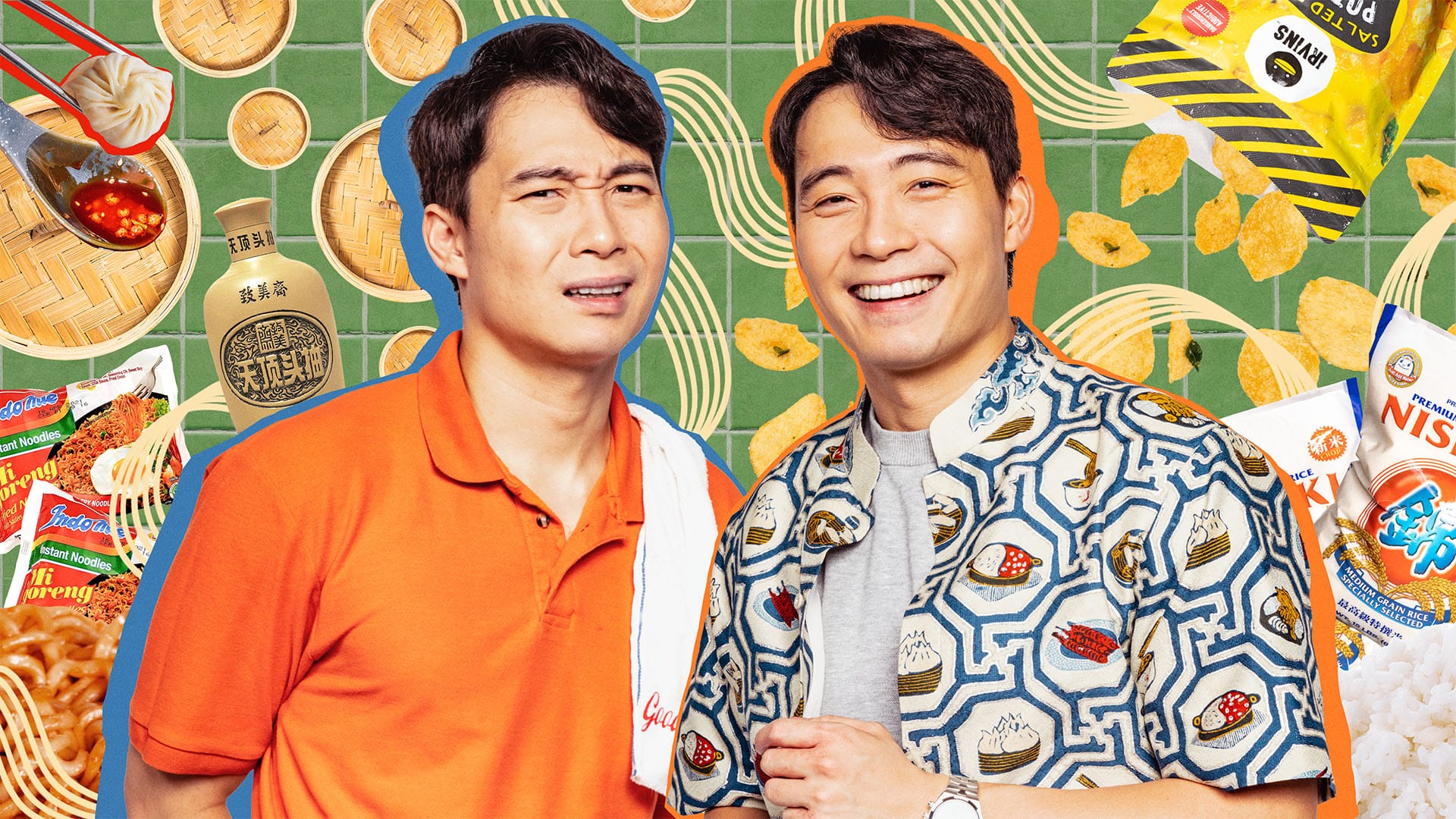
- The Outfit: A bright orange Uniqlo polo shirt tucked into dark trousers, secured by a black belt that features a prominent rotating phone case.
- The Posture: Often seen "putting his leg down" (a sign of disappointment) or sitting on a plastic stool, which is a common sight in Southeast Asian hawker centers.
- The Vocabulary: Heavy use of onomatopoeic slang like "Haiyaa" (to express disappointment or frustration) and "Fuiyoh" (to express awe or excitement).
- The Philosophy: A staunch believer in the power of MSG (Monosodium Glutamate), the use of rice cookers, and the "ancestor method" of measuring water (the finger joints method).
Technical Differences: Nigel Ng vs. Uncle Roger
While they share the same physical body, the "technical" specifications of the two entities are entirely different. Understanding these differences helps fans appreciate the acting work Nigel Ng puts into the role.
| Feature | Nigel Ng (The Person) | Uncle Roger (The Character) |
|---|---|---|
| Age (in 2026) | 35 Years Old | Approximately 50-55 |
| Accent | Modern Malaysian-English / International | Heavy Cantonese-inflected "Manglish" |
| Fashion | Modern streetwear, fashionable glasses | Orange polo, belt-clip phone case |
| Relationship Status | Private/Single | Divorced (constant mentions of "Auntie Helen") |
| Dietary Philosophy | Health-conscious but appreciative | "MSG is King," hates Jamie Oliver's cooking |
| Primary Media | Stand-up specials, Podcasts | YouTube reaction videos, Shorts |
Why the Disguise Works: The Cultural Context
The reason many people ask "is Uncle Roger and Nigel the same person" is due to the effectiveness of Ng's performance. He taps into a very specific archetype: the grumpy but well-meaning Asian uncle who is set in his ways. By adopting this persona, Ng is able to deliver sharp social commentary and "gatekeep" Asian culinary traditions in a way that feels humorous rather than aggressive.
From a technical SEO and content perspective, the character creates a "brand shield." Nigel Ng can experiment with different types of humor in his stand-up—which is often more adult-oriented and edgy—while keeping the Uncle Roger brand family-friendly (or at least focused on food comedy). This duality has allowed him to build two distinct audiences: one that follows his professional comedy career and another that tunes in strictly for the Uncle Roger "Rice Inspector" content.
Milestones and Controversies (2020–2026)
Since his inception, the character has moved beyond just YouTube videos. Nigel Ng has leveraged the character to build a legitimate business empire.
- The Gordon Ramsay Collaboration: One of the biggest validations for the character was a collaboration with multi-Michelin-starred chef Gordon Ramsay. This crossover proved that the professional culinary world recognized the character's influence on food culture.
- The "Haiyaa" World Tour: Nigel Ng toured globally, performing stand-up as himself but often including Uncle Roger segments to satisfy fans. This tour reached major cities in North America, Europe, and Asia, breaking attendance records for Malaysian comedians.
- Physical Restaurants: By late 2024 and heading into 2026, Nigel Ng transitioned Uncle Roger from a digital critic to a physical restaurateur. The opening of "Fuiyoh! It's Uncle Roger" in Kuala Lumpur marked a major milestone where the character's preference for "wok hei" (breath of the wok) was put to the test in a commercial kitchen.
- Navigating Censorship: Like many global creators, Ng faced challenges. In 2021 and 2023, he faced scrutiny and censorship in mainland China following jokes that were perceived as politically sensitive. These incidents highlighted the risks of character comedy when it intersects with real-world geopolitics.
The Technical Execution of the Voice
Many viewers wonder if the Uncle Roger voice is Nigel's "real" voice. Technically, the Uncle Roger accent is a heightened version of a specific sociolect found in Malaysia and Singapore. It involves dropping certain consonants, using "lah" as a sentence final particle, and adopting a staccato rhythm.
For Nigel Ng, maintaining this voice during long filming sessions requires significant vocal control. In interviews, he has noted that while the accent comes naturally because he grew up hearing it, it is still a "performance" that he switches on when the orange polo shirt goes on. When he takes the shirt off, the character effectively "dies" until the next shoot.
Frequently Asked Questions
Is Uncle Roger a real chef?
No, Uncle Roger is not a professional chef. He is a comedic character. However, Nigel Ng has spent a significant amount of time learning the nuances of Asian cooking to make his critiques more accurate and grounded in real culinary tradition.
What is Nigel Ng's net worth in 2026?
While exact figures are private, Nigel Ng's net worth has grown significantly through YouTube ad revenue, global stand-up tours, merchandise sales, and his restaurant ventures. He is currently one of the highest-earning comedians of Southeast Asian origin.
Does Uncle Roger actually like MSG?
The character's obsession with MSG is a comedic tool used to challenge the Western stigma against the ingredient (which was often rooted in "Chinese Restaurant Syndrome," a debunked theory). Nigel Ng has stated in interviews that he does enjoy MSG in moderation and believes it is an essential part of Asian flavor profiles.
Who is Auntie Helen?
Auntie Helen is a fictional character in the Uncle Roger "universe." She is portrayed as Uncle Roger's ex-wife. While she has been mentioned in hundreds of videos as the source of Uncle Roger's misery, she is a plot device used to add depth to his grumpy persona and is not a real person in Nigel Ng's life.
Is Nigel Ng still doing Uncle Roger in 2026?
Yes, as of 2026, the character remains active, though Nigel Ng has diversified his content to include more travel vlogs and "real-life" culinary explorations, often blending his own identity with the character to maintain longevity in the creator economy.
Final Recommendation: Where to Follow the Journey
If you are interested in seeing the man behind the mask, the best place to start is Nigel Ng's official YouTube channel, which hosts both Uncle Roger content and his "Nigel Ng" vlogs. To see the "real" Nigel, his stand-up specials provide a deeper look at his creative mind, far removed from the fried rice critiques. For those traveling to Southeast Asia, visiting his physical restaurant locations offers a tangible way to experience the "Fuiyoh" philosophy in person.
Whether you prefer the grumpy uncle or the savvy comedian, it is clear that Nigel Ng's ability to inhabit a character so fully is what has made him a defining figure in 2020s digital culture.
Image Gallery