Guaranteed Whole Life Insurance Pros and Cons: A Comprehensive Review
Guaranteed whole life insurance provides permanent death benefit protection and cash value accumulation without requiring medical exams or health underwriting, making it an accessible option for individuals with significant health issu...
Guaranteed whole life insurance provides permanent death benefit protection and cash value accumulation without requiring medical exams or health underwriting, making it an accessible option for individuals with significant health issues. However, these policies typically feature higher premium costs, lower coverage limits, and a graded death benefit period compared to traditional underwriting policies.
Contents
Evaluating permanent insurance options requires looking past marketing claims to examine how these products function in practice. For individuals navigating health challenges or advanced age, specialized coverage products can provide peace of mind, but they also introduce distinct financial commitments. Understanding the mechanics of these policies helps prospective buyers determine whether the security of guaranteed acceptance outweighs the inherent policy limitations.
Understanding Guaranteed Whole Life Insurance
Guaranteed whole life insurance is a type of permanent life insurance policy designed primarily for individuals who might otherwise be denied coverage due to preexisting health conditions, advanced age, or lifestyle factors. Unlike traditional term or whole life policies that require medical questionnaires, blood tests, and physician statement reviews, guaranteed issue policies operate on a strict acceptance model.
The Underwriting Structure
Under traditional insurance underwriting, carriers assess mortality risk by evaluating medical history. If an applicant has a history of heart disease, cancer, diabetes, or other serious conditions, insurers may deny coverage entirely or charge significantly higher rates known as rated premiums.
Guaranteed whole life insurance eliminates this medical barrier entirely. Insurance companies cannot turn down an applicant based on health status, provided the applicant meets the basic age requirements set by the state and the issuing carrier. Typically, these policies are marketed to individuals aged 45 to 85.
Core Components of the Policy
Every guaranteed whole life insurance policy rests on three foundational pillars:
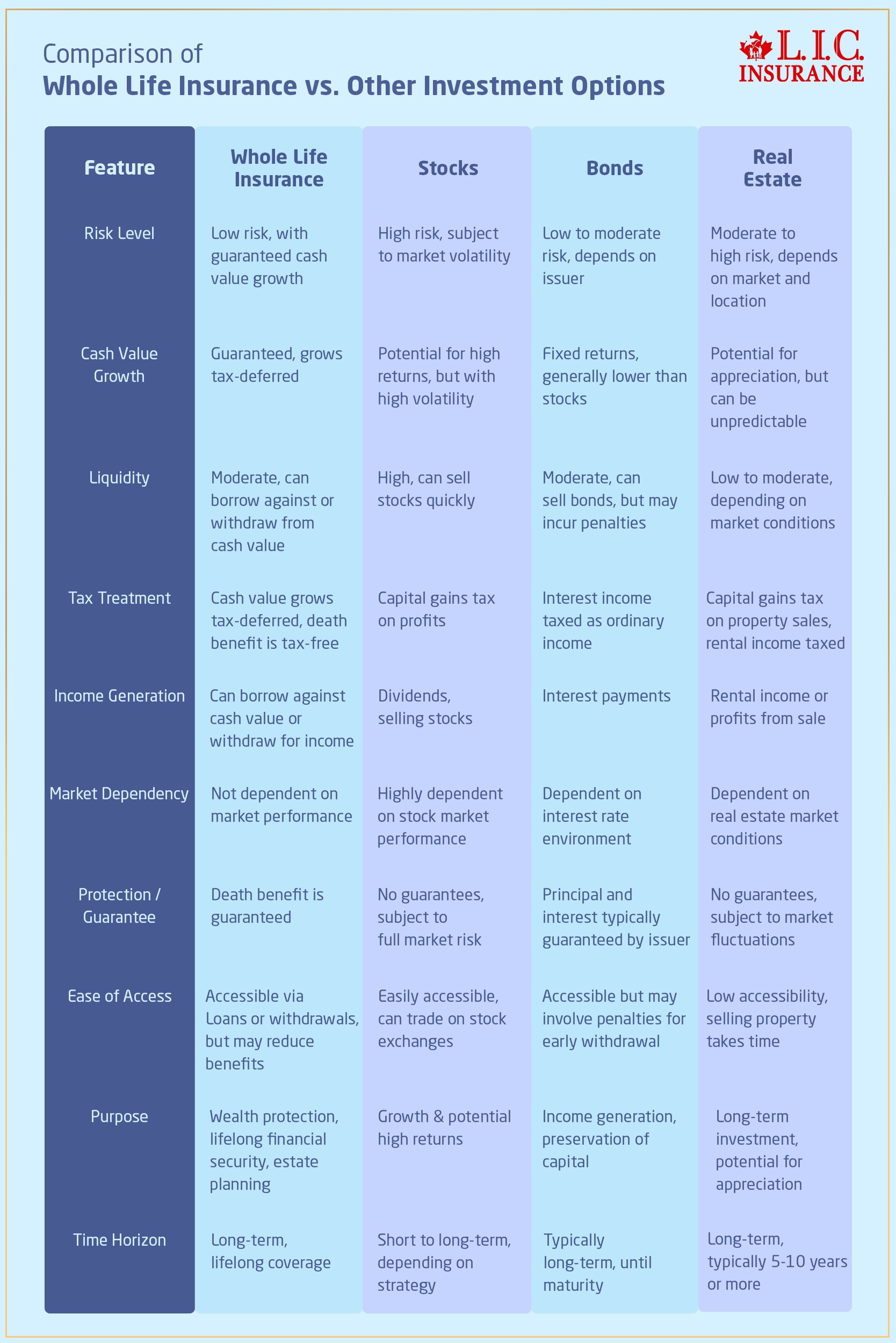
- Permanent Protection: As long as the required premiums are paid on time, the policy remains active for the entire life of the insured, regardless of how long they live.
- Fixed Premiums: The premium rate locked in at the time of purchase will never increase. This predictability protects policyholders from inflationary cost spikes common in some other types of permanent coverage.
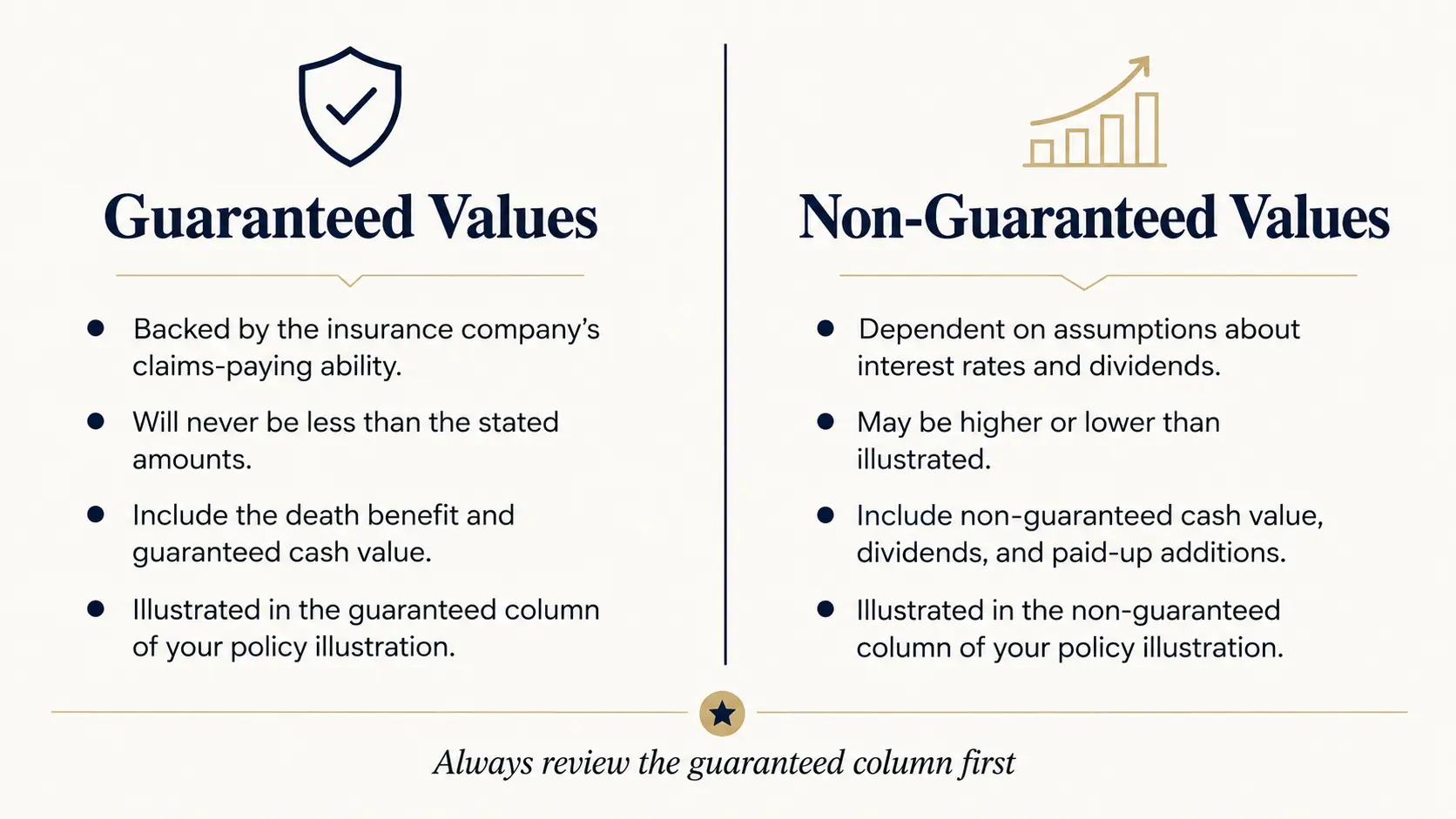
- Cash Value Accumulation: A portion of each premium payment is directed into a cash value account that grows at a guaranteed, albeit modest, minimum interest rate. Policyholders can borrow against this cash value or surrender the policy for its accumulated cash surrender value.
The Pros of Guaranteed Whole Life Insurance
While these policies carry specific trade-offs, they offer unique advantages that make them indispensable for certain segments of the population. Examining these benefits clarifies why consumers choose this financial vehicle.
1. Guaranteed Acceptance Without Medical Exams
The most significant advantage of guaranteed whole life insurance is the absence of medical underwriting. Applicants do not need to submit to a physical examination, provide bodily fluids, or disclose detailed medical records. Approval is based almost entirely on answering a few basic administrative questions and confirming age eligibility. This feature provides a vital safety net for individuals who have been declined by multiple standard carriers.
2. Lifelong Protection and Fixed Costs
Because the policy is structured as whole life insurance, it does not expire after a set term like 10, 20, or 30 years. Furthermore, the premium remains locked for the life of the contract. For seniors living on fixed incomes, this price stability removes the anxiety of sudden rate hikes, allowing for precise long-term budgeting.
3. Cash Value Growth
Similar to standard whole life policies, guaranteed whole life products build cash value on a tax-deferred basis. While the growth rate is generally conservative, this accumulation serves as an internal financial asset. Policyholders can access these funds during emergencies through policy loans or withdrawals, though doing so reduces the ultimate death benefit.
4. Estate Planning and Final Expense Coverage
Many buyers use guaranteed whole life insurance specifically to cover end-of-life expenses, such as funeral costs, medical bills left behind, and outstanding consumer debts. By securing a guaranteed payout, individuals ensure their surviving family members are not burdened with out-of-pocket expenses during a difficult time.
The Cons of Guaranteed Whole Life Insurance
Despite their accessibility, guaranteed whole life insurance policies come with notable drawbacks that require careful consideration before purchase.
1. Higher Premium Costs per Dollar of Coverage
Because insurance companies take on high-risk individuals without evaluating their health, they must price the policies accordingly to manage their overall risk pool. Consequently, guaranteed whole life insurance is significantly more expensive per dollar of coverage than simplified issue or fully underwritten life insurance.
2. Lower Maximum Coverage Limits
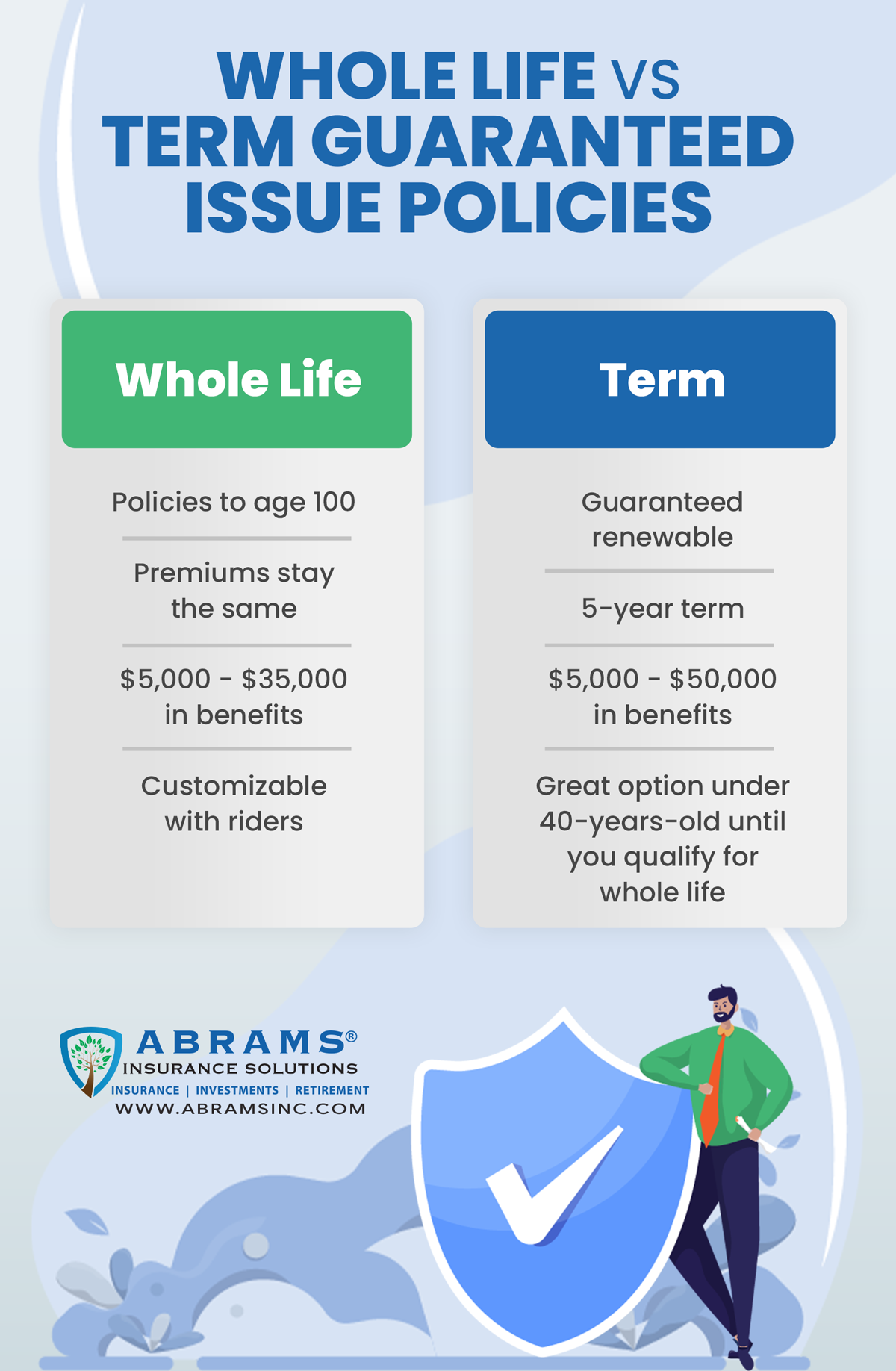
To limit their financial exposure, insurance carriers cap the maximum face value of guaranteed issue policies. While a healthy 30-year-old might qualify for a multi-million-dollar traditional whole life policy, guaranteed issue policies typically cap coverage between $10,000 and $30,000. This amount is generally sufficient for final expenses, but inadequate for comprehensive income replacement or large estate liquidity needs.
3. The Graded Death Benefit Period
A critical limitation of guaranteed whole life insurance is the graded death benefit clause, also known as a lien period. If the insured passes away from natural causes during the first two or three years of the policy, the beneficiary may not receive the full death benefit. Instead, the insurance company typically refunds all paid premiums plus a low interest rate, such as 7% to 10%.
Full coverage for natural death usually begins only after the graded period expires. However, most policies do pay the full death benefit immediately if the insured dies from an accidental cause during the graded period.
| Feature | Traditional Whole Life Insurance | Guaranteed Whole Life Insurance |
|---|---|---|
| Medical Exam | Required for best rates (sometimes waived for simplified issue) | Never required |
| Acceptance | Subject to health underwriting approval | Guaranteed based on age eligibility |
| Premium Costs | Lower to moderate, based on health risk | Higher due to unverified risk pool |
| Death Benefit | Full payout immediately upon policy issuance | Graded (limited) during the first 2–3 years |
| Maximum Coverage | High limits based on financial justification | Generally capped at $10,000 to $30,000 |
Financial Considerations and Cost Analysis
Before committing to a guaranteed whole life policy, consumers should perform a thorough cost-benefit analysis. Because these policies cost more per thousand dollars of coverage, evaluating alternative insurance products is a vital prerequisite.
Evaluating Alternatives
If an individual is in relatively good health—even with well-managed chronic conditions like high blood pressure or type 2 diabetes—they may still qualify for simplified issue or graded whole life insurance. These alternatives often feature lower premiums and avoid the strict multi-year graded death benefit periods associated with true guaranteed issue products.
The Opportunity Cost of Premiums
Because premiums are higher, policyholders must examine the total amount paid into the policy over time compared to the death benefit payout. If an insured individual lives for many decades after purchasing a policy, the cumulative premiums paid can approach or even exceed the face value of the death benefit. In such cases, the policy functions primarily as an expensive savings vehicle rather than an efficient risk-transfer tool.
Frequently Asked Questions
What happens if I miss a premium payment on a guaranteed whole life policy?
Most policies include a 30-day grace period. If a payment is not made within that window, the policy may lapse. However, if the policy has accumulated sufficient cash value, the insurer may automatically use an automatic premium loan feature to keep the policy active, or the policy may be converted to a reduced paid-up status.
Are the payouts from guaranteed whole life insurance taxable?
Generally, life insurance death benefits paid to a named beneficiary are income-tax-free under federal tax laws. However, if the policy is owned by an estate or transferred for valuable consideration, different tax rules may apply.
Can an insurance company cancel my guaranteed whole life policy?
No. As long as you continue to pay your premiums on time, the insurance company cannot cancel the policy, reduce the death benefit, or increase your premium rates. The contract is legally binding for the lifetime of the insured.
How are cash value withdrawals treated?
Withdrawals up to the amount of total premiums paid (cost basis) are generally considered a return of principal and are income-tax-free. Loans taken against the cash value are also tax-free, provided the policy remains in force. If the policy lapses with an outstanding loan, the taxable gain may be subject to income tax.
Next Actions and Recommendations
Navigating permanent insurance requires balancing current health realities against long-term financial commitments. To determine the most appropriate path forward, prospective buyers should take the following steps:
- Check Eligibility for Underwritten Policies First: Consult with an independent insurance broker to see if you can qualify for simplified issue or traditional policies, which offer better rates and immediate full coverage.
- Calculate Final Expense Needs: Estimate realistic end-of-life expenses, including funeral arrangements, outstanding medical bills, and probate costs, to select an appropriate coverage face value.
- Compare Quotes Across Multiple Carriers: Review policy terms, graded death benefit durations, and fee structures from several reputable insurance companies before submitting an application.
Disclaimer: This article is for informational purposes only and does not constitute financial, legal, or professional advice. Insurance regulations and product availability vary by jurisdiction. Consumers should consult with a licensed financial advisor or insurance professional before purchasing any financial product.
Image Gallery