The History and Evolution of the Wickes Lumber Company
The Wickes Lumber Company originated in the mid-19th century as a modest Michigan-based timber enterprise, eventually transforming into a sprawling, multi-national retail powerhouse. Known for its distinct "Blue Front" stores and exten...
The Wickes Lumber Company originated in the mid-19th century as a modest Michigan-based timber enterprise, eventually transforming into a sprawling, multi-national retail powerhouse. Known for its distinct "Blue Front" stores and extensive inventory, the company became a fixture in the American residential construction market for over a century before shifting through various ownerships, restructuring cycles, and eventual liquidation.
Contents
Origins: The Michigan Timber Era (1854–1900)
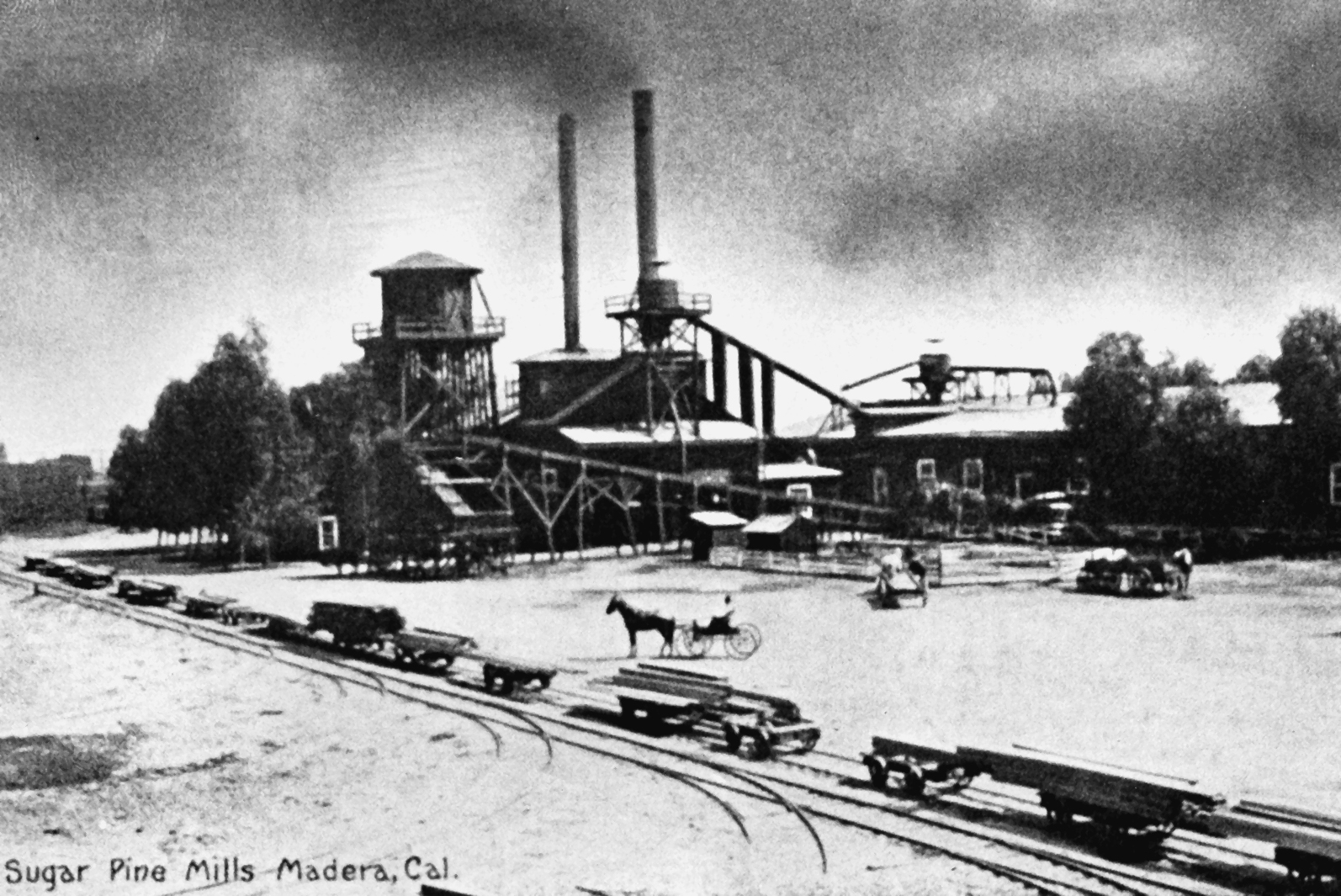
The narrative of Wickes began in 1854 when brothers Henry and Edward Wickes established a sawmill operation in East Saginaw, Michigan. The geography was no coincidence; the Saginaw Valley was at the epicenter of the American lumber boom, characterized by vast stands of white pine that fueled the industrial expansion of the Midwest.
During these formative decades, the Wickes brothers focused on the primary production of lumber. Their operation was vertical in a rudimentary sense: they harvested timber, processed it in their sawmills, and utilized the regional waterways to transport finished goods to rapidly growing urban centers. By the turn of the 20th century, the company had shifted its focus toward the manufacturing of boilers and heavy machinery, leveraging its capital from the timber trade, but the "Wickes" name remained indelibly linked to the building supplies industry.
Expansion and Corporate Diversification (1900–1970)
In the mid-20th century, Wickes moved away from heavy manufacturing and toward the retail distribution of building materials. As suburbanization accelerated in the post-World War II era, the demand for residential framing lumber, plywood, and hardware surged. The company aggressively acquired local lumber yards and regional retail chains, rebranding them under the Wickes Lumber banner.
This period was marked by the "Blue Front" retail strategy. Wickes stores were designed to be destination centers for contractors and "do-it-yourself" (DIY) enthusiasts. By consolidating supply chains and offering a vast breadth of inventory—ranging from raw framing lumber to kitchen cabinetry and windows—Wickes established itself as a precursor to the modern big-box home improvement warehouse. Throughout the 1960s, the company’s revenue growth was driven by its ability to secure regional market share through both acquisition and organic expansion across the United States.
The Peak and Corporate Restructuring (1970–1990)
By the 1970s, Wickes Companies, Inc. had become a massive conglomerate. It diversified heavily, moving into unrelated sectors including clothing (such as the acquisition of Kayser-Roth) and electronics. This period of rapid expansion led to the company becoming a "Fortune 500" entity, but the debt load associated with its acquisitions began to compromise its core operations.
The economic climate of the early 1980s, characterized by high interest rates and a cooling housing market, hit the company particularly hard. In 1982, Wickes Companies, Inc. filed for Chapter 11 bankruptcy. This marked the beginning of a long, turbulent period of reorganization. The company emerged from bankruptcy by shedding its non-core retail assets and refocusing on its historical roots in lumber and building materials. This retrenchment was a strategic necessity to isolate the profitable lumber business from the volatility of the broader corporate structure.
Transition to Private Equity and Operational Struggles (1990–2005)
As the competitive landscape shifted toward national giants like The Home Depot and Lowe’s in the 1990s, Wickes Lumber faced existential challenges. The "big-box" model utilized by these newer entrants relied on massive economies of scale and sophisticated supply chain logistics that the traditional, fragmented Wickes retail model struggled to match.
The company underwent several ownership changes during this time, including a period under the control of private equity firms. The focus shifted toward niche markets—specifically targeting professional homebuilders rather than the general retail consumer. By specializing in "installed sales," where the company provided both the materials and the labor for specific aspects of construction, Wickes attempted to carve out a sustainable position in a market dominated by retail-heavy competitors. Despite these efforts, the margin compression caused by rising material costs and aggressive competition proved difficult to overcome.
Liquidation and Legacy
The final phase of the company occurred in 2005, when Wickes Lumber ceased operations. Facing insurmountable debt and a lack of liquidity, the company initiated a liquidation of its assets. By the end of 2005, most of its remaining retail locations and regional distribution centers had been closed or acquired by regional competitors.
The legacy of Wickes remains significant in the history of American commerce. It served as a bridge between the local, independent lumber yards of the 19th century and the massive retail infrastructures of the 21st century.
Comparative Evolution of Building Supply Retail
| Era | Primary Business Model | Target Customer | Competitive Advantage |
|---|---|---|---|
| 1854–1900 | Sawmill/Manufacturing | Wholesalers | Resource access |
| 1950–1975 | Retail "Blue Front" | DIY/Contractors | Convenience/Variety |
| 1985–2000 | Professional Services | Homebuilders | Installed Sales |
| 2005–Present | Defunct/Acquired | N/A | N/A |
Frequently Asked Questions
Why did Wickes Lumber close?
Wickes closed primarily due to a combination of high debt loads, intense competition from national big-box retailers, and structural inefficiencies that made it difficult to maintain competitive pricing. The inability to pivot quickly enough from a traditional retail model to a professional-service model led to a depletion of capital that rendered the business unsustainable.
Was Wickes Lumber part of the Wickes furniture store brand?
While there were historical corporate linkages within the larger "Wickes Companies, Inc." conglomerate, the lumber division and the furniture business operated as distinct entities for most of their history. The corporate parentage often caused confusion, but the product lines and retail operations were entirely separate.
What happened to the Wickes properties after 2005?
Following the 2005 liquidation, most Wickes real estate holdings were sold to pay off creditors. Many of the physical lumber yard locations were purchased by regional building supply competitors or converted into commercial real estate, effectively ending the presence of the Wickes brand in the retail landscape.
Is the "Blue Front" branding still in use?
No, the "Blue Front" branding was proprietary to the Wickes Lumber retail operations. Since the company’s dissolution in 2005, the branding is no longer used by any active, legitimate entity in the lumber or home improvement sector.
Next Steps for Researchers
For those interested in further investigating the company's financial history or corporate records, it is recommended to search the archives of the Detroit Free Press or the Saginaw News, as these publications provided extensive coverage of the company’s regional growth and eventual decline. Additionally, filings from the 1982 bankruptcy proceedings remain public record and offer detailed insights into the fiscal state of the company during its peak.
Image Gallery