How to Use a Lucky Day Calendar to Optimize Your Timing
A lucky day calendar identifies specific dates and times when cosmic, astrological, or mathematical cycles align favorably with particular human activities. To use one effectively, you must first define your specific objective—such as...
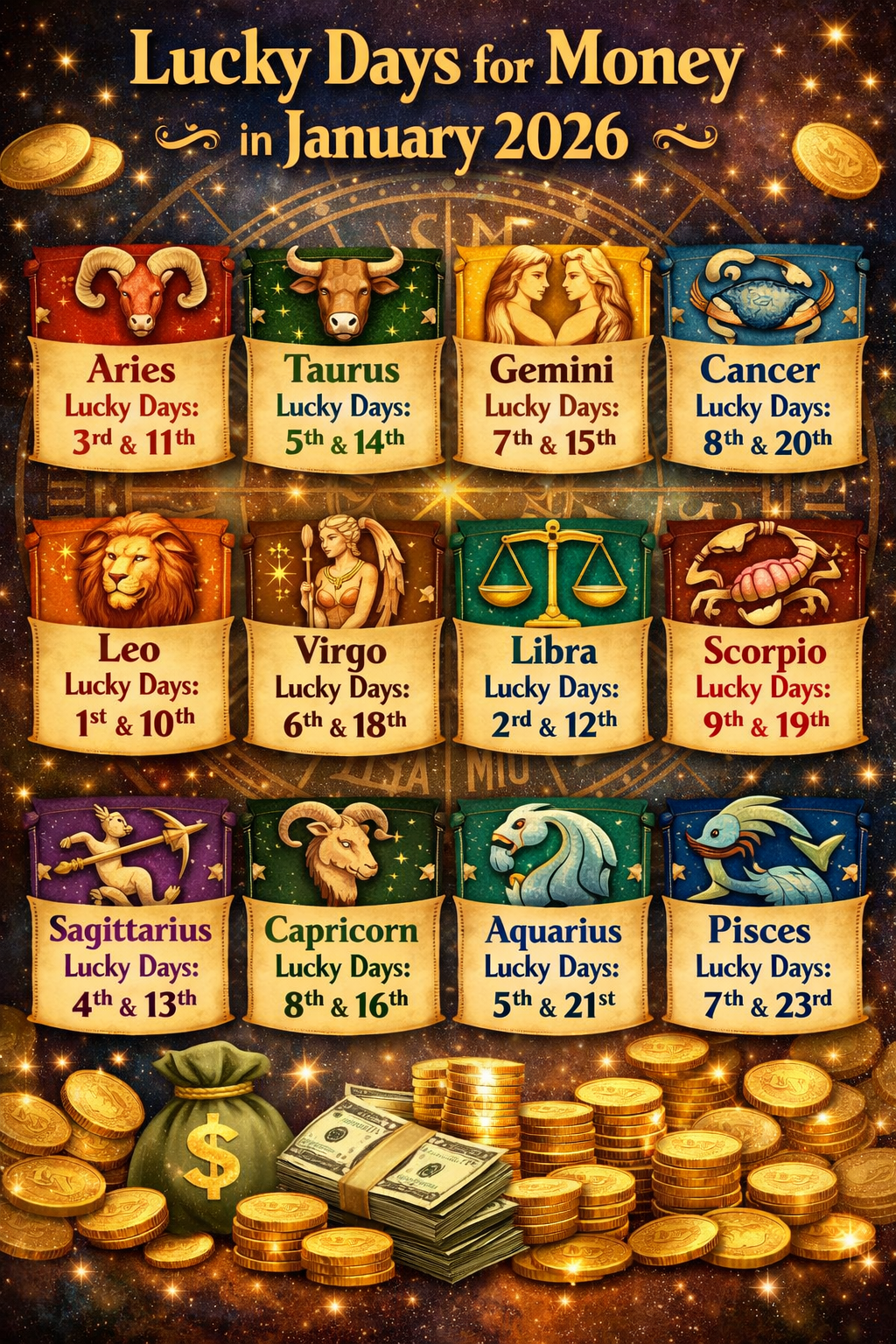
A lucky day calendar identifies specific dates and times when cosmic, astrological, or mathematical cycles align favorably with particular human activities. To use one effectively, you must first define your specific objective—such as starting a business or scheduling surgery—and then cross-reference the calendar’s daily ratings with your personal astrological profile to find the most harmonious window.
Contents
Selecting the right moment for a major life event is a practice that spans cultures and centuries. Whether you are using a traditional Chinese Tong Shu, a Vedic Panchang, or a modern numerological planner, the goal remains the same: to act when the "wind is at your back." In 2026, these tools have become increasingly sophisticated, often integrating personal birth data with real-time astronomical shifts to provide a nuanced roadmap for decision-making.
Understanding the Core Logic of Lucky Day Calendars
Before diving into the mechanics of a calendar, it is essential to understand that "luck" in this context is often defined as "alignment." Most lucky day calendars are built upon one of three primary systems:
- Astrological Alignment: These calendars track the movement of planets (transits) and their relationship to one another. For example, a day when Jupiter (the planet of expansion) forms a harmonious aspect with Mercury (the planet of communication) might be marked as a "lucky day" for signing contracts.
- Lunar Cycles: Many systems, particularly those rooted in agricultural or Eastern traditions, prioritize the phases of the moon. The New Moon is generally favored for initiations, while the Full Moon is used for completions or public launches.
- Numerical Resonance: Numerological calendars calculate the "Universal Day Number" by adding the digits of the date. If that number aligns with your "Life Path Number," it is considered a personal lucky day.
By understanding which system your calendar uses, you can better interpret the advice it provides. A day that is "lucky" for a quiet spiritual retreat may be "unlucky" for a high-stakes board meeting, and vice versa.
Step 1: Identify Your Primary Objective
The most common mistake beginners make is looking for a "general" lucky day. In professional electional astrology—the study of choosing auspicious times—the nature of the activity dictates the required planetary energy.
- Financial and Business: Look for days influenced by Jupiter or Venus. Avoid days when Mercury is retrograde, as this is traditionally associated with logistical delays and misunderstandings in communication.
- Health and Medical: Many users consult calendars to avoid "clash days" for elective surgeries. In the Chinese Tong Shu system, these are days where the energy of the day conflicts with the energy of the individual’s birth year.
- Relationships and Marriage: Traditional calendars often highlight "Stable" or "Success" days for weddings. These days are calculated to provide longevity and harmony to a new union.
Step 2: Deciphering the Ratings and Symbols
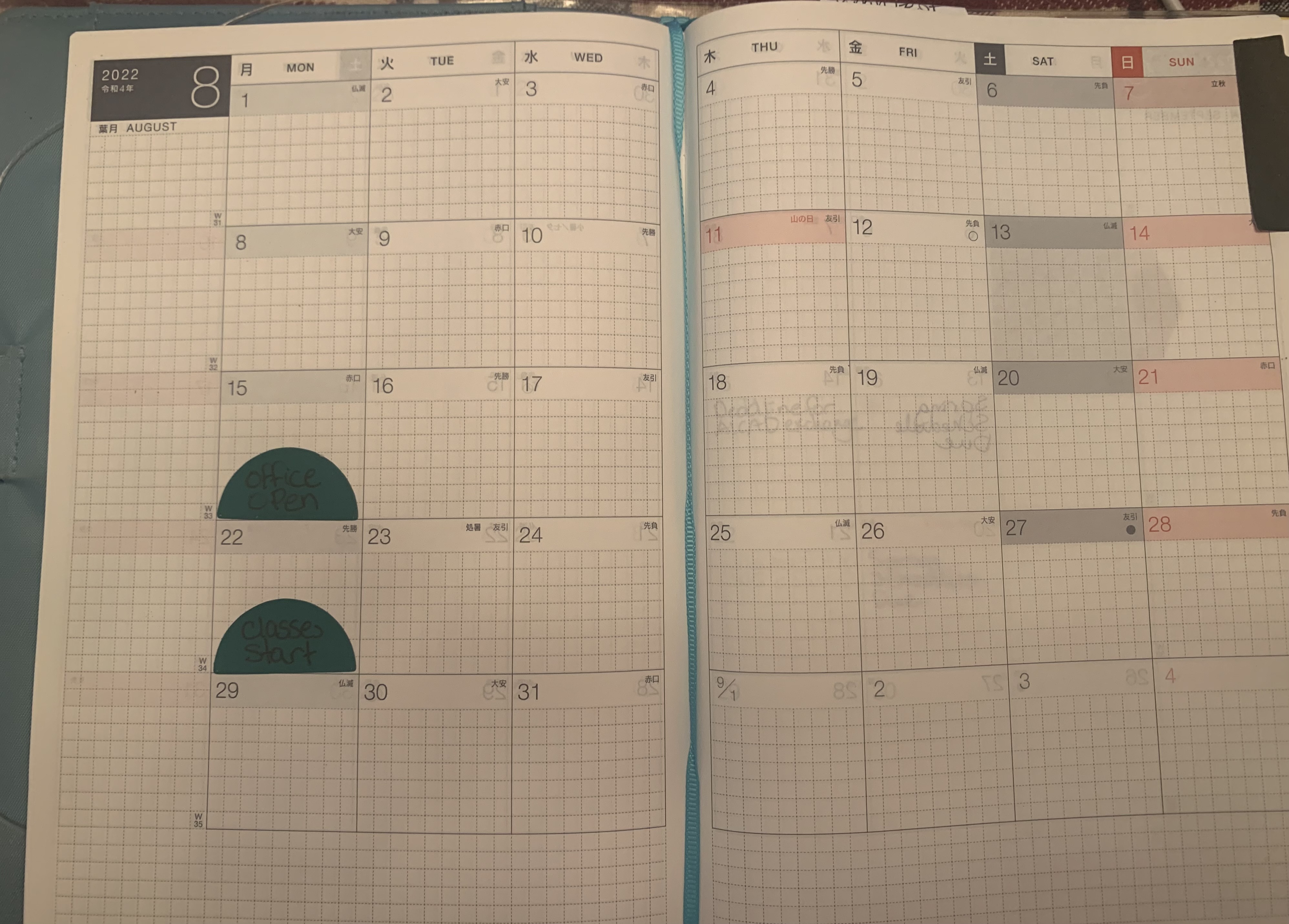
Most lucky day calendars use a series of symbols or color codes to indicate the quality of the day. As we move through 2026, digital versions often provide a percentage score or a star rating. However, the underlying data usually falls into these categories:
Auspicious (Great Luck)
These days are characterized by harmonious planetary aspects and favorable lunar mansions. They are ideal for high-stakes actions like launching a product, getting married, or moving into a new home.
Neutral (Fair Luck)
Most days in a year fall into this category. These are perfectly fine for routine tasks, small purchases, and general work. A neutral day does not offer a significant "boost," but it also does not present major obstacles.
Inauspicious (Avoid or Proceed with Caution)
These days are marked by "clashes" or "void" energies. In Western systems, this might be a Void-of-Course Moon, a period when the moon makes no further aspects to other planets before changing signs. Tradition suggests that projects started during a Void-of-Course Moon rarely reach their intended conclusion.
Step 3: Check for Personal Conflicts
A day can be objectively "good" according to the stars, but subjectively "bad" for you personally. This is why professional calendars often ask for your date of birth.
In the Chinese Almanac (Tong Shu), each day is associated with a specific Chinese Zodiac animal. If a day is a "Tiger Day" and you were born in the "Year of the Monkey," that day is a personal clash day for you, regardless of how lucky it is for the rest of the world. Similarly, in Western astrology, a day might feature a difficult transit to your natal Sun or Moon, suggesting that you personally should lie low even if the general "vibe" of the day is positive.
Comparative Activity Guide for 2026
The following table outlines how different systems prioritize "luck" for common activities.
| Activity | Western Astrology Focus | Chinese Tong Shu (12 Officers) | Lunar Phase Preference |
|---|---|---|---|
| Starting a Business | Mercury/Jupiter Aspects | "Establish" or "Success" Day | Waxing Crescent to Full |
| Medical Procedures | Avoid Mars/Saturn Squares | "Remove" Day (for tumors/toxins) | Waning Moon (to reduce swelling) |
| Signing Contracts | Direct Mercury Only | "Stable" or "Open" Day | Waxing Moon |
| Home Renovation | Venus (Aesthetics) | "Fill" or "Full" Day | Any (Check Earth Sectors) |
| Travel & Logistics | Avoid Mercury Retrograde | "Divest" or "Success" Day | Waxing Moon |
Advanced Technique: Utilizing Planetary Hours
If you have a specific day selected but want to maximize your results, you can use Planetary Hours. This system divides the day and night into segments ruled by the seven traditional planets.
For example, if you must have a difficult conversation on a day that is otherwise mediocre, you might choose to speak during the Hour of Venus to encourage diplomacy, or the Hour of the Sun to project authority. Many modern lucky day apps in 2026 automatically calculate these hours based on your GPS location, as the timing depends on the exact moment of sunrise and sunset.
Common Pitfalls to Avoid
Using a lucky day calendar should empower you, not paralyze you. It is important to maintain a balanced perspective:
- The "Perfect Day" Fallacy: There is rarely a "perfect" day where every single indicator is positive. Aim for a day that has "net positive" energy for your specific goal.
- Ignoring Common Sense: If a calendar says a day is lucky for travel, but there is a severe weather warning or a mechanical issue with your vehicle, common sense must prevail. Luck is an accelerant, not a shield against reality.
- Over-reliance on Apps: While 2026 software is powerful, it often lacks the nuance of a trained consultant. If you are planning a multi-million dollar merger or a life-altering surgery, use the calendar as a preliminary tool and consider professional advice for the final "election."
Integrating the Calendar into Your Workflow
The best way to use a lucky day calendar is as a long-term planning tool. At the start of each month, review the "Great Luck" days and mark them in your primary work calendar. Use these slots for your most important meetings, launches, and pitches. Conversely, identify the "Inauspicious" days and use those for administrative tasks, cleaning, or internal reviews where the stakes are lower.
By aligning your output with these natural cycles, you reduce the "friction" of daily life. This practice, often called Chronobiology in scientific circles or Electional Astrology in esoteric ones, acknowledges that timing is just as important as talent or effort.
FAQ
Does a lucky day calendar guarantee success?
No calendar can guarantee a specific outcome because "luck" is only one of many factors, including personal effort, preparation, and external market conditions. Think of a lucky day calendar as a weather report; it tells you when the conditions are favorable to set sail, but you still have to captain the boat.
Can I use a lucky day calendar for gambling?
While some people use these calendars for games of chance, most traditional systems (like the Tong Shu or Panchang) were designed for life milestones, agriculture, and business. Numerological "Personal Year" cycles are often cited in gambling contexts, but there is no verified statistical evidence that they override the house edge of a casino.
What if I have to do something important on an "unlucky" day?
If a deadline or emergency forces you to act on an inauspicious day, do not panic. Use the "Planetary Hours" method to find a small window of favor within that day. Additionally, many practitioners suggest performing a small act of charity or a grounding ritual to "offset" the discordant energy of the timing.
How often do "Great Luck" days occur?
On average, truly exceptional "triple-A" rated days occur only a few times a month. Most days are neutral or have mixed indicators. This rarity is why it is beneficial to plan significant events several months in advance.
Is the Chinese lucky calendar different from the Western one?
Yes. The Chinese system (Tong Shu) relies heavily on the 12 Officers and the 28 Lunar Mansions, focusing on the harmony between Heaven, Earth, and Man. The Western system focuses more on planetary aspects (angles like 90° or 120°) and the "Void-of-Course" status of the Moon. Many people in 2026 use a hybrid approach, looking for dates that are favorable in both systems.
Practical Recommendation
To get started, download a reputable 2026 Almanac app or purchase a physical "Day-at-a-Glance" astrological planner. For the first 30 days, simply observe: record the "rating" of each day and keep a brief log of how your interactions and projects unfolded. You will likely begin to see a pattern where "Success" days feel more fluid and "Clash" days feel more stagnant. Once you recognize this rhythm, you can begin proactively scheduling your most vital tasks during your personal high-alignment windows.
Image Gallery