Larry Ellison and the Lanai Purchase: A Deep Dive into the Transformation of an Island
In 2012, Oracle co-founder Larry Ellison purchased approximately 98% of the Hawaiian island of Lanai for an estimated $300 million to $500 million. This landmark acquisition transitioned the former "Pineapple Island" into a private lab...
In 2012, Oracle co-founder Larry Ellison purchased approximately 98% of the Hawaiian island of Lanai for an estimated $300 million to $500 million. This landmark acquisition transitioned the former "Pineapple Island" into a private laboratory for sustainability, high-end luxury tourism, and data-driven wellness, fundamentally altering its economic and social landscape.
Contents
The Acquisition: Context and Scope of the 2012 Transaction
The purchase of Lanai by Larry Ellison remains one of the most significant private real estate transactions in modern history. Ellison acquired the 90,000-acre holding from David Murdock, the then-chairman of Castle & Cooke. While the deal granted Ellison ownership of nearly the entire island, the remaining 2% of the land belongs to the State of Hawaii, the federal government, and several hundred private homeowners who own their parcels in and around Lanai City.
The transaction was not merely a residential purchase; it was the acquisition of an entire micro-economy. Along with the land, Ellison took ownership of the island’s primary utilities (including the water company), the local newspaper, the grocery store, the community center, and the two major resort properties: the Four Seasons Resort Lanai and the Four Seasons Resort Lanai, Lodge at Koele. By 2026, the long-term implications of this consolidation of power have become the defining narrative of the island.
The motivation behind the purchase was described by Ellison as a desire to create the first "economically viable, 100% green community." Unlike other billionaire-owned islands that serve as secluded private retreats, Lanai was intended to be a functional, albeit controlled, model for the future of sustainable living.
The Strategic Vision: A Laboratory for Sustainability
From the outset, Ellison articulated a vision for Lanai that blended his background in technology with environmental stewardship. He sought to prove that a community could thrive while relying entirely on renewable energy and desalinated water.
Energy and Water Infrastructure
Central to Ellison’s plan was the overhaul of Lanai’s aging infrastructure. The island’s power grid, which historically relied on expensive imported diesel, has seen significant investment in solar power and battery storage. These initiatives were designed to shield the island from the volatility of global oil prices. Furthermore, the management of the island’s watershed and the development of advanced desalination plants became critical priorities to ensure long-term water security for both residents and the massive requirements of the luxury resorts.
Agriculture and Sensei Ag
Before tourism, Lanai was the world’s largest pineapple plantation. Under Ellison, agriculture returned to the island but in a radically different form. He founded Sensei Ag, a data-driven indoor farming company. Using hydroponics and climate-controlled greenhouses, Sensei Ag aims to provide the island with food self-sufficiency while exporting high-quality produce to the mainland. This "tech-first" approach to farming reduces water consumption by up to 90% compared to traditional soil-based agriculture, representing a core pillar of his sustainability mandate.
Luxury Tourism and the Four Seasons Transformation
The most visible change following the purchase was the total renovation and rebranding of the island’s resorts. Ellison invested hundreds of millions of dollars into upgrading the existing Four Seasons properties to compete at the highest tier of global luxury.
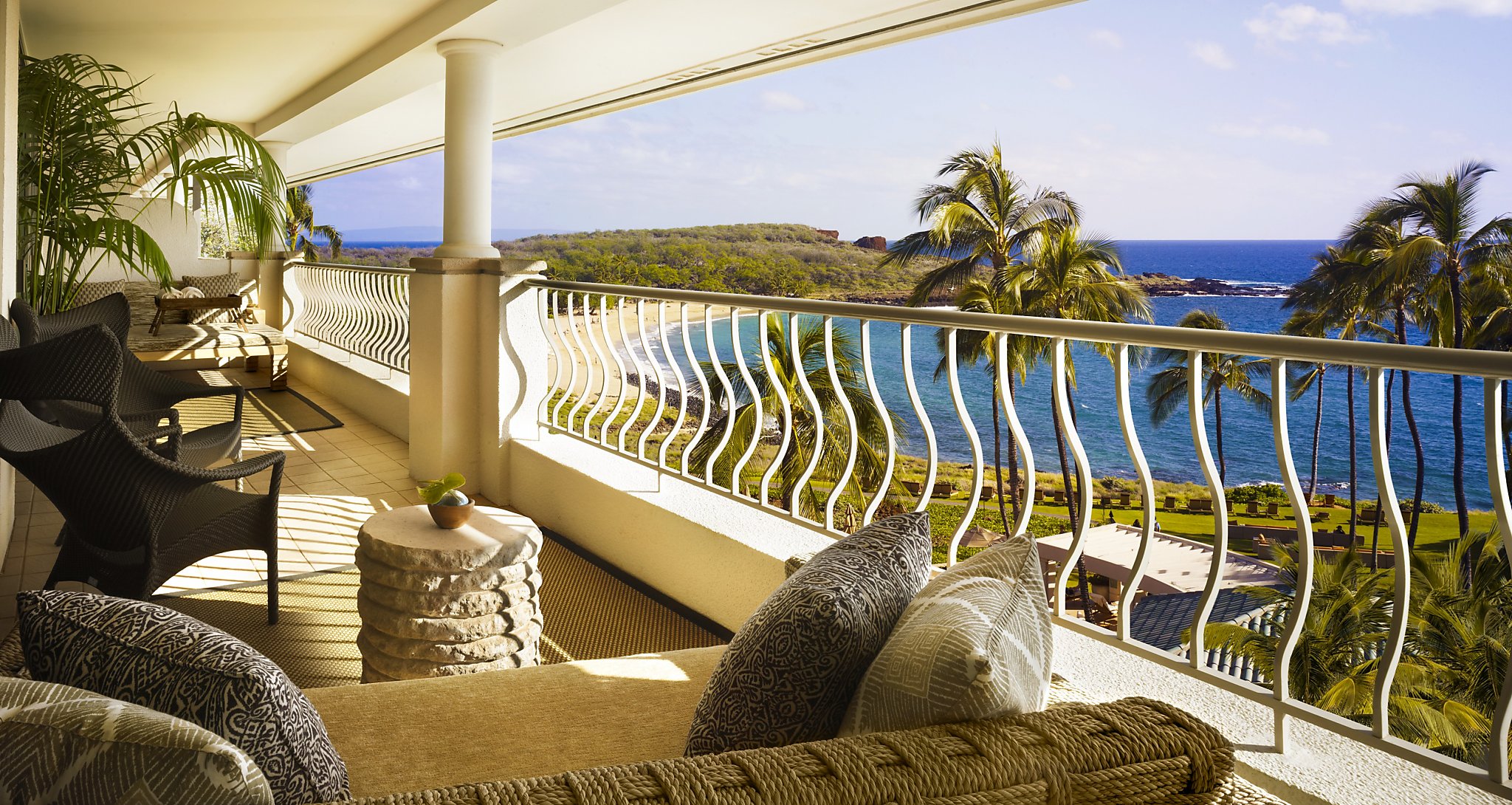
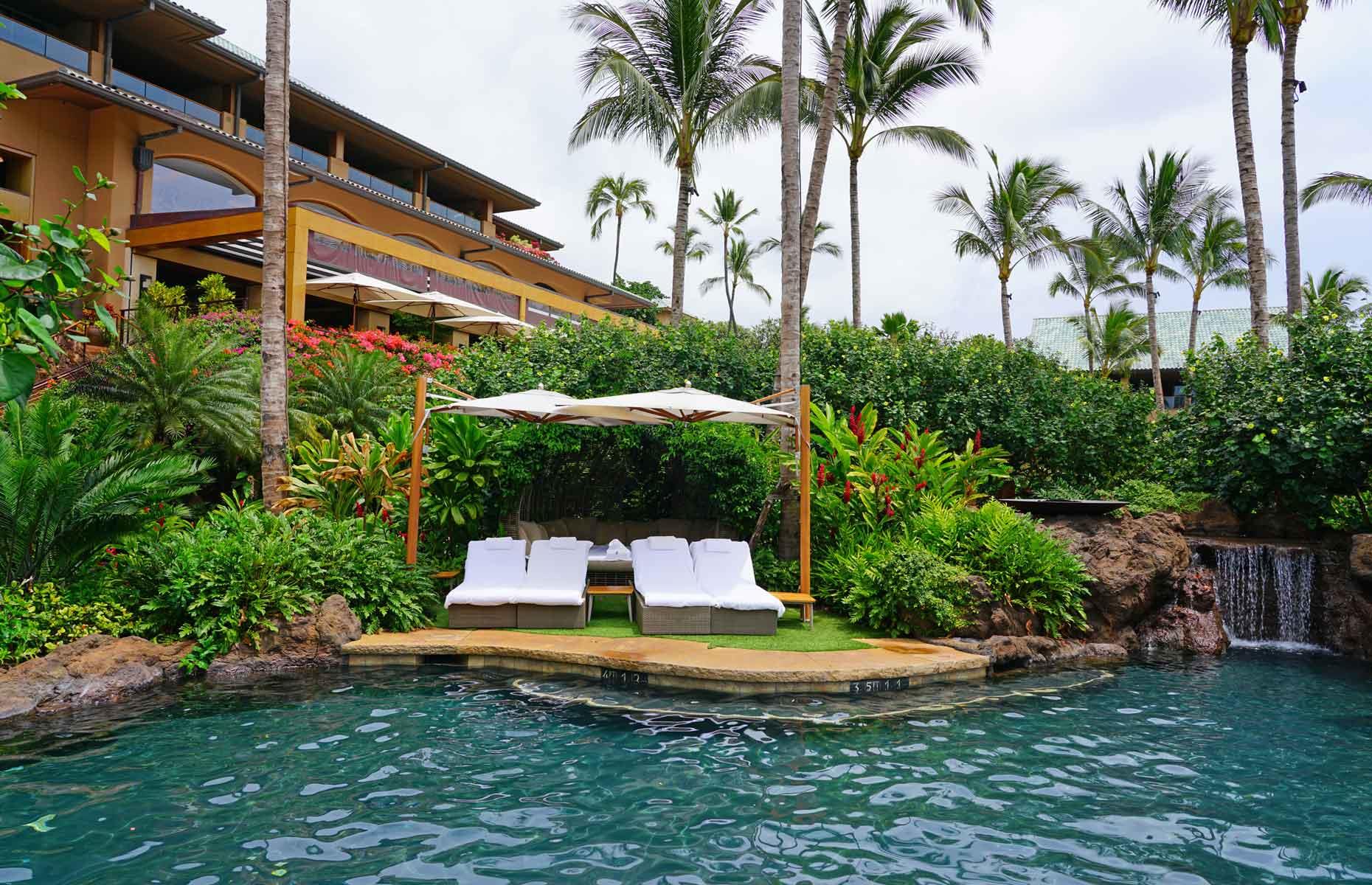
- Four Seasons Resort Lanai (Manele Bay): Reimagined as a premier beachfront destination, this property focuses on high-end leisure, featuring world-class dining such as Nobu Lanai and ultra-exclusive amenities.
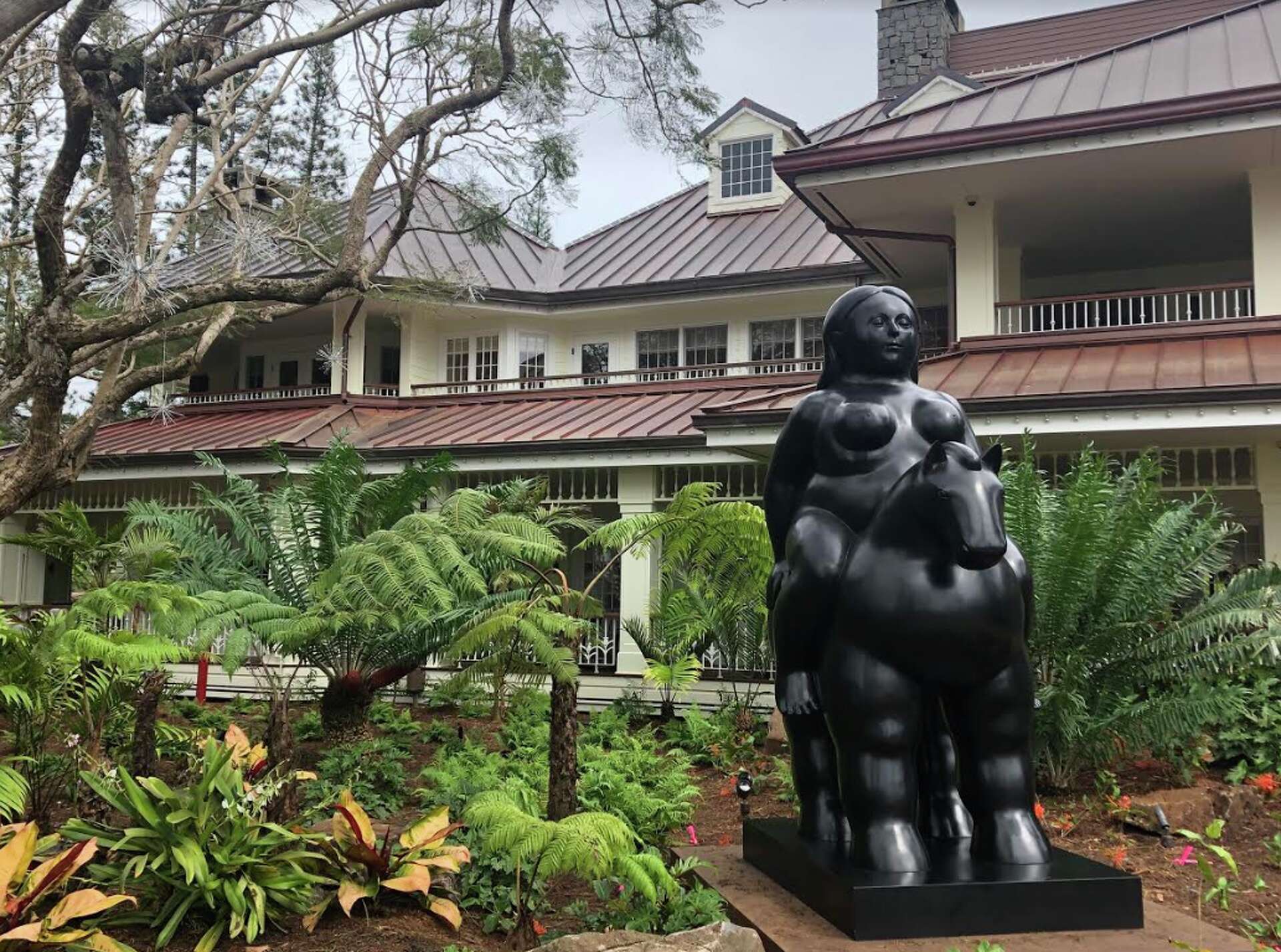
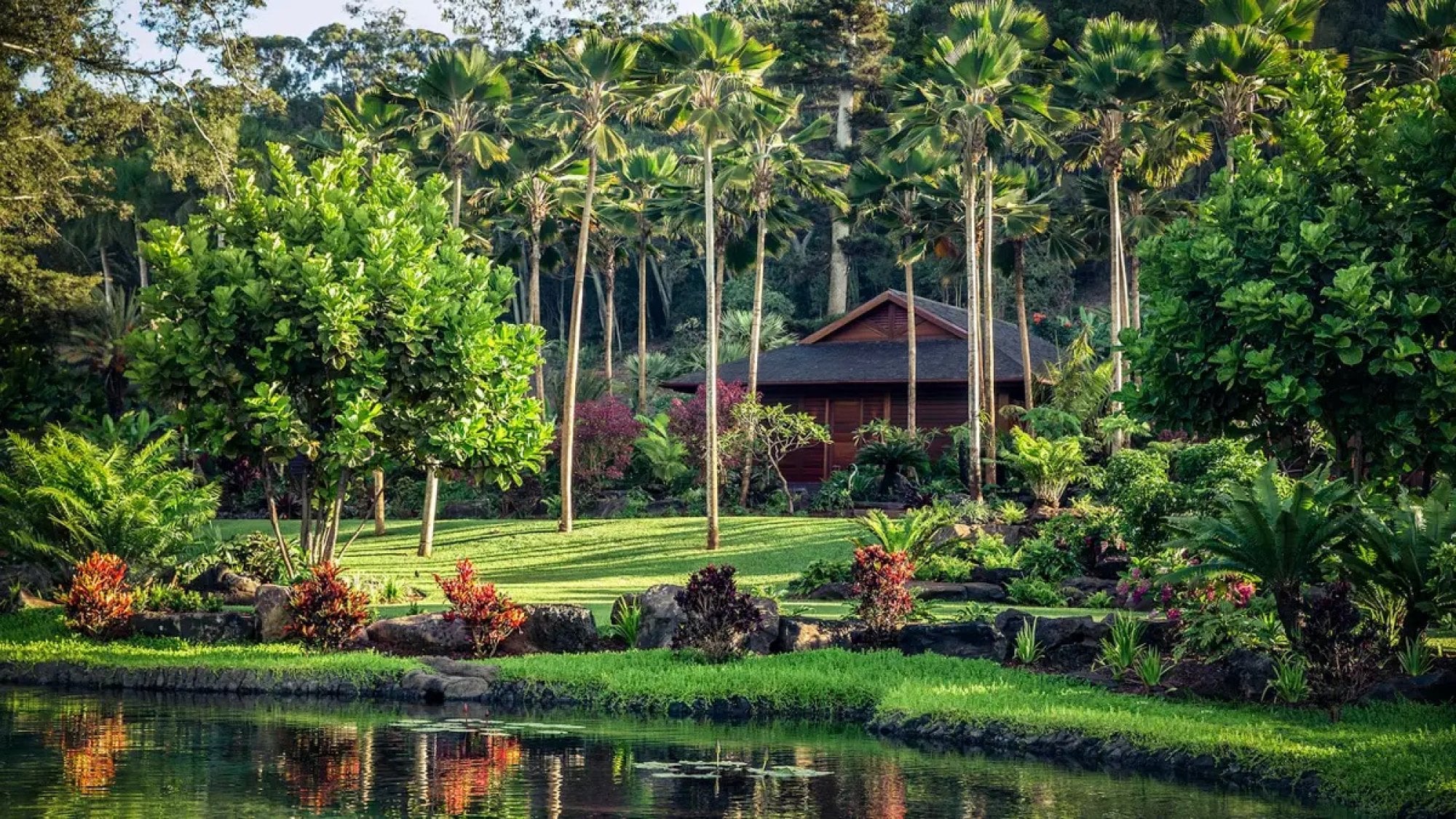
- Sensei Lanai, A Four Seasons Resort (The Lodge at Koele): This property was transformed from a traditional lodge into a dedicated wellness retreat. It integrates Ellison’s Sensei brand, offering guests personalized health programs based on data, movement, and nutrition.
By repositioning Lanai as a hyper-exclusive destination, the island has attracted a wealthier demographic, which in turn provides the tax revenue and capital necessary to fund the broader sustainability projects. However, this shift toward high-end tourism has also created a stark economic divide between the seasonal visitors and the permanent resident population.
Impact on the Local Community: Economics and Housing
The relationship between the island's 3,200 residents and their "landlord" is complex. On one hand, Ellison’s investments stabilized an economy that was struggling after the decline of the pineapple industry. On the other, the concentration of ownership raises significant concerns regarding autonomy and affordability.
Employment and the "Company Town" Dynamic
Nearly every resident of Lanai is either directly or indirectly employed by Ellison’s holding company, Pulama Lanai. While this has provided consistent jobs and benefits, it has also revived the "company town" dynamic of the early 20th century. Pulama Lanai manages the island’s housing, infrastructure, and even many of the small businesses. In 2026, the island operates under a model where the primary employer is also the primary landlord and utility provider.
The Housing Challenge
Housing remains the most contentious issue. As Ellison’s team has renovated the island, property values and rents have risen. While Pulama Lanai has made efforts to renovate worker housing, the supply of affordable homes for the local population remains constrained. The influx of remote workers and consultants associated with Ellison’s tech ventures has further pressured the limited housing stock, leading to ongoing discussions between the community and Pulama Lanai regarding long-term residential security.
Comparing Lanai: Pre-2012 vs. 2026 Status
The following table highlights the material changes in Lanai’s infrastructure and economic focus since the acquisition.
| Feature | Pre-Purchase (Castle & Cooke Era) | Current Status (2026) |
|---|---|---|
| Primary Economic Driver | Mass-market luxury tourism | Hyper-exclusive tourism and Ag-Tech |
| Energy Source | Imported Diesel Generators | Hybrid Solar-Battery & Diesel |
| Agriculture | Dormant/Small-scale | High-tech Hydroponics (Sensei Ag) |
| Resort Management | Standard Luxury | Data-driven Wellness & Ultra-Luxury |
| Water Supply | Natural Aquifer (strained) | Aquifer plus advanced Desalination |
| Employment | Fluctuating/Uncertain | Stable but centralized via Pulama Lanai |
Challenges and Controversies
The purchase has not been without its critics. Residents and Hawaiian activists have expressed concerns about the loss of cultural identity. The transition from a quiet, rural island to a high-tech "smart island" can feel alien to families who have lived on Lanai for generations.
Furthermore, the legal control Ellison exerts over the island's utilities has occasionally led to friction with the Hawaii Public Utilities Commission. Critics argue that when a single individual owns the water and power companies, the typical checks and balances of a competitive market are absent, requiring rigorous government oversight to protect consumer interests.
There is also the question of succession. As of 2026, the future of the island depends heavily on Ellison’s personal commitment and his estate planning. The infrastructure and sustainability projects require massive capital expenditures that may not be profitable in a traditional sense for decades.
Frequently Asked Questions
Does Larry Ellison own the whole island of Lanai?
No, Larry Ellison owns approximately 98% of the island. The remaining 2% is owned by the State of Hawaii (including the airport and some harbor areas), the federal government, and private individuals who own land titles that were established before the 2012 purchase.
Can tourists still visit Lanai if they aren't staying at a Four Seasons?
Yes, Lanai remains open to the public. Visitors can arrive via the ferry from Maui or by air. While the Four Seasons resorts are the primary accommodations, there is a small independent hotel in Lanai City (Hotel Lanai), and day trips are common for snorkeling at Hulopoe Bay.
What is Pulama Lanai?
Pulama Lanai is the management company established by Larry Ellison to oversee his holdings on the island. It acts as the operational arm for land management, community relations, infrastructure development, and conservation efforts.
How has the purchase affected the cost of living on Lanai?
The cost of living has generally increased. While there are more stable employment opportunities, the cost of goods, services, and housing has risen as the island transitions toward a high-end luxury economy. Many basic services are still subsidized or managed by Pulama Lanai to mitigate some of these costs for employees.
Is the island completely powered by renewable energy now?
While Lanai has made significant strides toward the goal of 100% renewable energy, it still utilizes a hybrid system in 2026. Solar and battery storage handle a substantial portion of the load, but diesel backup remains necessary for grid stability during periods of low solar generation or high resort demand.
Recommendations for Visitors and Researchers
For those looking to understand the "Ellison Era" of Lanai, a visit to the island should include more than just the resorts. Engaging with the community in Lanai City provides a clearer picture of the social dynamics at play.
- Visit the Lanai Culture & Heritage Center: This is essential for understanding the island's history from the indigenous Hawaiian era through the pineapple plantation days to the present.
- Observe the Sensei Ag Projects: While the greenhouses are private, the impact of fresh, locally grown produce is evident in the island’s restaurants and markets.
- Monitor Public Filings: For researchers, the Hawaii Public Utilities Commission and the Hawaii Department of Land and Natural Resources are the best sources for official records regarding the island's infrastructure and environmental management.
The Lanai purchase stands as a unique experiment in private governance. Whether it becomes a repeatable model for sustainable development or remains a one-of-a-kind billionaire's project will depend on the continued balance between technological innovation and community integration over the coming decade.
Image Gallery