Big Sean and David Letterman Net Worth in Perspective: A 2026 Comparative Analysis
As of 2026, David Letterman’s net worth is estimated at approximately $450 million, while Big Sean’s net worth stands at roughly $35 million. This significant gap highlights the different financial trajectories between a legacy broadca...
As of 2026, David Letterman’s net worth is estimated at approximately $450 million, while Big Sean’s net worth stands at roughly $35 million. This significant gap highlights the different financial trajectories between a legacy broadcast mogul with decades of ownership rights and a contemporary music artist navigating the modern streaming and endorsement economy.
Contents
The financial comparison between Big Sean and David Letterman is more than just a tally of bank balances; it is a study of two distinct eras of entertainment wealth. While one represents the pinnacle of the "Golden Age" of broadcast television and production ownership, the other embodies the diversified, brand-heavy portfolio of a modern hip-hop icon. Understanding their net worth in perspective requires looking at the mechanisms of their income—from syndication and production deals to streaming royalties and real estate investments.
The Wealth Gap: Ownership vs. Artistry
The primary reason for the vast difference in net worth lies in the concept of ownership. In the world of entertainment, wealth is rarely generated solely by being "talent"; it is generated by owning the infrastructure or the intellectual property (IP).
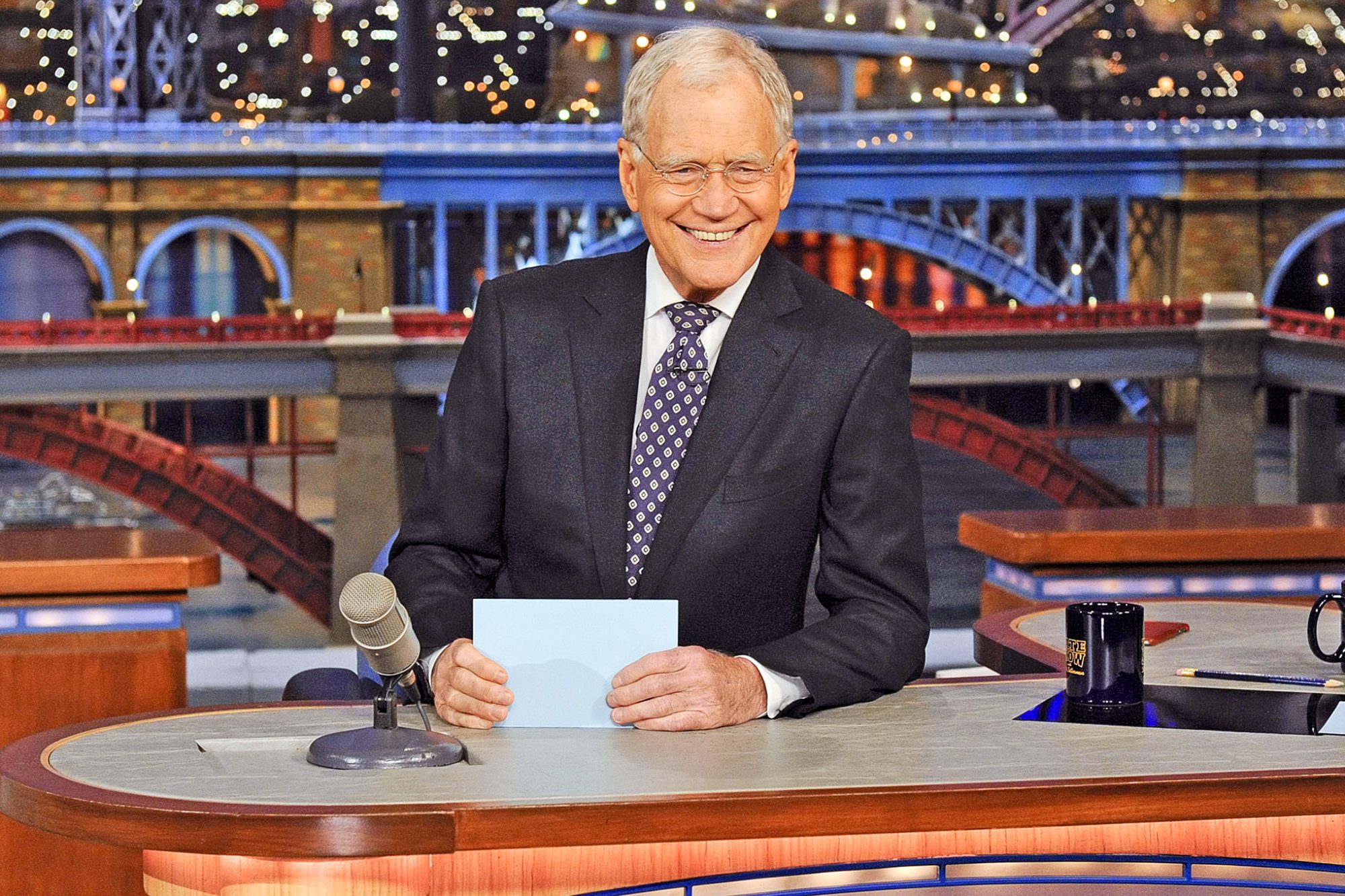
David Letterman’s wealth is rooted in his production company, Worldwide Pants Incorporated. Unlike many of his peers, Letterman negotiated the rights to own his show, The Late Show with David Letterman, and produced other massive hits like Everybody Loves Raymond. This allowed him to collect residuals and licensing fees that continue to grow his estate long after his daily late-night tenure ended.
In contrast, Big Sean (Sean Michael Leonard Anderson) operates in the music industry, where revenue is traditionally split between labels, publishers, managers, and the artist. While Big Sean has achieved massive success with multiple platinum albums and billion-stream singles, the "per-unit" profit in music—especially in the streaming era of 2026—is significantly leaner than the ownership of a broadcast television franchise.
David Letterman’s Financial Legacy
David Letterman’s $450 million valuation is a product of longevity and savvy contract negotiations. Having spent over 33 years in late-night television, his annual salary at the peak of his career with CBS reached as high as $30 million to $50 million per year.
The Worldwide Pants Factor
The most critical driver of Letterman’s wealth was his ability to produce content through Worldwide Pants. By owning the production company, Letterman didn't just receive a paycheck; he owned the "master recordings" of his show.
- Syndication: Shows like Everybody Loves Raymond have generated hundreds of millions in syndication revenue, a portion of which flows back to Letterman as a producer.
- Netflix Transition: In the 2020s, Letterman transitioned to Netflix with My Next Guest Needs No Introduction. Reports suggested he was earning approximately $2 million per episode. By 2026, this deal has remained a consistent revenue stream, further solidifying his status as a high-earning elder statesman of media.
Real Estate and Personal Assets
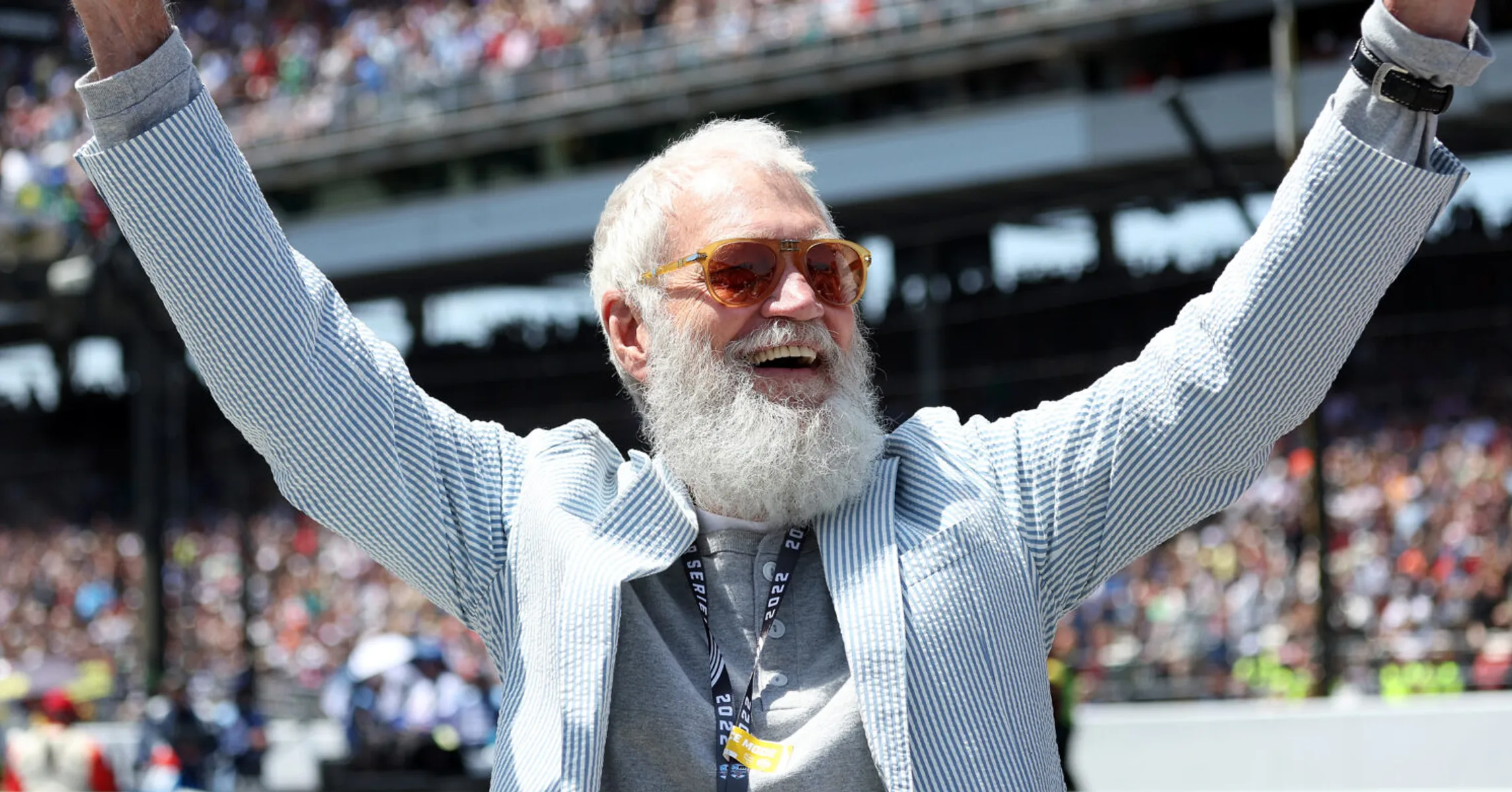
Letterman’s wealth is also diversified into tangible assets. He owns a 108-acre estate in North Salem, New York, and a significant ranch in Montana. Additionally, his passion for racing is reflected in his co-ownership of Rahal Letterman Lanigan Racing, a team competing in the IndyCar Series. These investments provide both tax advantages and steady appreciation.
Big Sean’s Modern Wealth Profile
Big Sean’s $35 million net worth represents a highly successful career in the competitive hip-hop landscape. Since his debut under Kanye West’s G.O.O.D. Music in 2007, Sean has evolved from a protégé into a mogul in his own right.
Music Sales and Streaming
By 2026, Big Sean’s catalog includes several iconic albums such as Dark Sky Paradise and I Decided. In the modern era, "legacy" streams of hits like "Bounce Back" and "IDFWU" provide a consistent "mailbox money" effect. However, music artists in 2026 often rely more on touring and festivals for bulk liquid cash, where Big Sean has remained a top-tier draw, commandingly high six-figure performance fees.
Brand Partnerships and Fashion
A significant portion of Big Sean’s wealth comes from his marketability. His long-standing partnership with Puma and various fashion collaborations have been lucrative. Unlike a television host who is often tied to a single network, Big Sean has the flexibility to partner with luxury brands, tech companies, and lifestyle products, creating a more agile—though perhaps more volatile—financial base.
Real Estate Maneuvers
Big Sean has shown a keen eye for real estate. One of his most notable moves involved purchasing a home in Encino from rock legend Slash for $8.7 million and later listing it for a significant profit. These high-end property flips are a staple of celebrity wealth-building, allowing for large capital gains that are not tied to the artist's primary output.
Comparative Financial Metrics: 2026 Perspective
The following table breaks down the core differences in how these two icons have built and maintained their fortunes as of 2026.
| Metric | David Letterman | Big Sean |
|---|---|---|
| Primary Wealth Source | TV Production & Syndication | Music Royalties & Touring |
| Peak Annual Earnings | $50 Million (Late-Night Era) | $10 - $15 Million (Tour Years) |
| Key Asset | Worldwide Pants Inc. | Music Catalog / Brand Rights |
| Real Estate Focus | Large Acreage / Ranches | Luxury Mansions / Urban Flips |
| Investment Style | Legacy Media & Sports Teams | Fashion, Tech, & Real Estate |
| Estimated Net Worth | $450 Million | $35 Million |
Why the Perspective Matters: The 2024 Connection
The comparison between these two became culturally relevant following their interaction on Letterman’s Netflix series. During their conversation, the two discussed mental health, the pressures of fame, and the Detroit upbringing that shaped Big Sean’s work ethic.
This "perspective" is vital because it shows the evolution of the American Dream. Letterman’s wealth is "Vertical"—he climbed a corporate ladder and then built a tower next to it. Big Sean’s wealth is "Horizontal"—he uses his influence to branch into multiple sectors simultaneously. While Sean’s net worth is a fraction of Letterman’s, his influence in the 18-35 demographic is arguably higher, which provides a different kind of "social capital" that is often a precursor to future financial growth.
Strategic Financial Differences
The Role of Residuals
For David Letterman, the concept of the "back-end deal" was his greatest financial weapon. In 2026, he continues to benefit from decisions made in the 1990s. Big Sean, like many of his contemporaries, has had to fight for ownership of his masters. In the current music climate, the trend is for artists to sell their catalogs for massive lump sums (often 15x to 20x their annual royalty value). If Big Sean were to sell his catalog in 2026, his net worth could potentially double overnight, though he would lose the long-term cash flow.
Philanthropy and the "Detroit Factor"
Both men have used their wealth to impact their communities, which affects their "net value" to society. Letterman’s American Foundation for Courtesy and Grooming has donated millions to various charities. Big Sean’s Sean Anderson Foundation focuses heavily on Detroit, providing resources for school systems and career development. These expenditures, while technically reducing personal net worth, build a brand legacy that ensures long-term relevance and commercial viability.
Frequently Asked Questions
Is Big Sean’s net worth expected to grow significantly by 2030?
Yes, it is highly likely. As Big Sean moves further into the "executive" phase of his career, his ability to sign other artists or launch independent business ventures increases. Additionally, if he chooses to sell a portion of his music publishing rights, his liquid net worth could see a dramatic spike.
How does David Letterman still make money in 2026?
Letterman’s income in 2026 is primarily derived from three sources: production royalties from Worldwide Pants, his lucrative ongoing partnership with Netflix, and returns from his diverse investment portfolio, including his IndyCar team and real estate holdings.
Why is there such a large gap between a top rapper and a top TV host?
The gap is primarily due to the business models of their respective industries. Television, especially during the broadcast era, operated on massive advertising budgets and global syndication rights. The music industry, while influential, has a much more fragmented revenue model where the "talent" often receives a smaller percentage of the total gross revenue compared to a producer-owner like Letterman.
Did Big Sean’s real estate investments help his net worth?
Absolutely. Real estate has been a cornerstone of Sean’s wealth preservation. By investing in high-demand areas like Hidden Hills and Encino, he has been able to park his music earnings in assets that historically appreciate faster than inflation.
Does David Letterman own the rights to the "Late Show" clips?
Through Worldwide Pants, Letterman maintained a level of control over his library that was unprecedented for late-night hosts. This control allows him to monetize his "legacy" content on digital platforms, contributing to his net worth even in 2026.
Final Recommendation: Diversification is Key
When viewing Big Sean and David Letterman’s net worth in perspective, the lesson for any aspiring entertainer or investor is diversification. Letterman’s wealth is robust because he moved from being an employee to an owner. Big Sean’s wealth is growing because he is moving from being a performer to a multi-platform brand.
For those tracking celebrity finances, the "Big Sean model" (diversified partnerships and real estate) is the modern standard for artists. However, the "Letterman model" (equity and ownership of the production itself) remains the gold standard for long-term, generational wealth.
Image Gallery