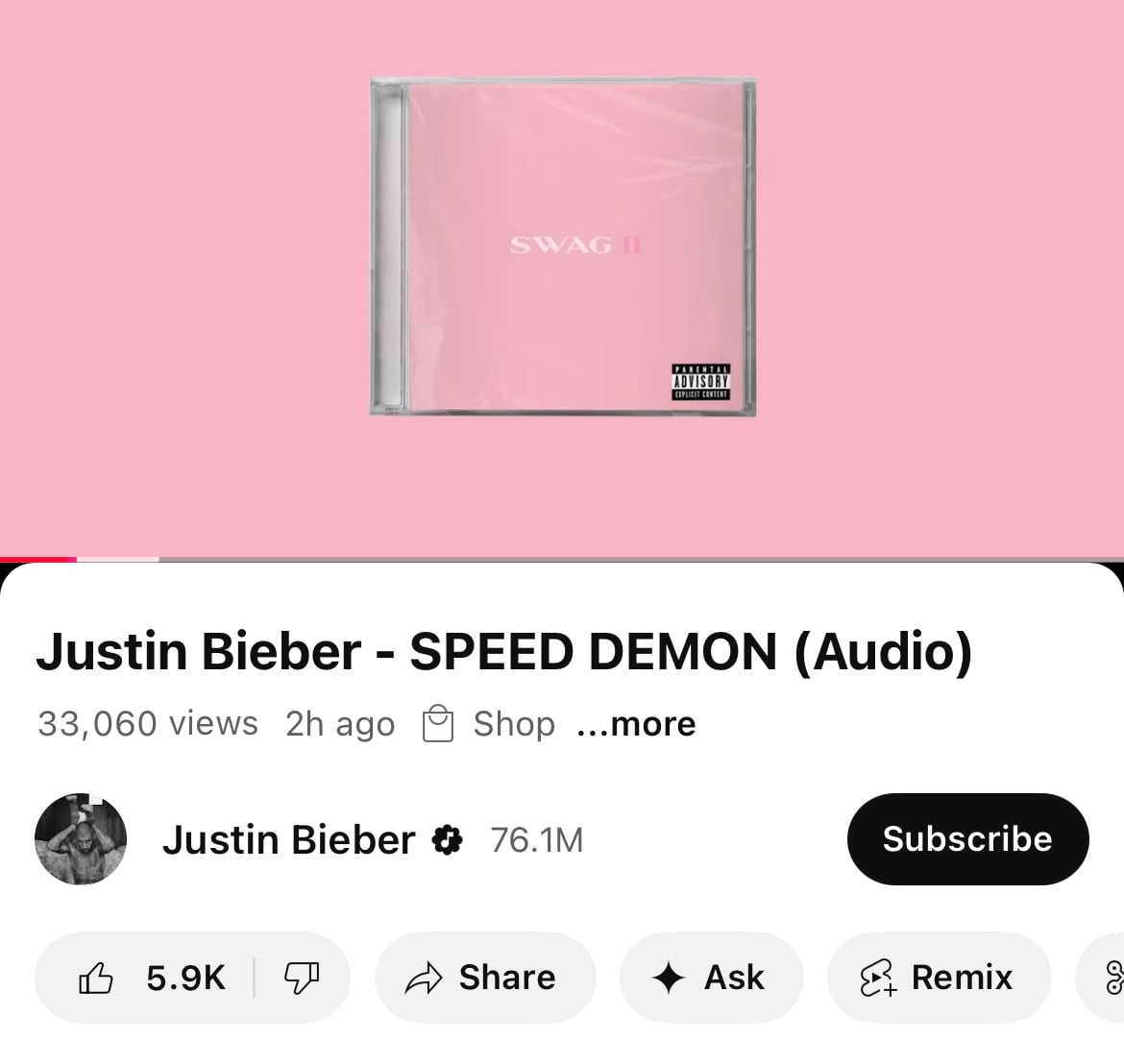
Evolution of Justin Bieber’s Aesthetic: Justin Bieber Swag vs. Swag II
Justin Bieber’s original "swag" was defined by teen-pop vibrancy, slim-fit silhouettes, and his signature side-swept hair, while Swag II represents a pivot toward elevated streetwear, oversized proportions, and the "Drew House" aesthet...
Justin Bieber’s original "swag" was defined by teen-pop vibrancy, slim-fit silhouettes, and his signature side-swept hair, while Swag II represents a pivot toward elevated streetwear, oversized proportions, and the "Drew House" aesthetic. This evolution marks his transition from a curated commercial idol to a self-governed fashion icon emphasizing comfort and subculture.
Contents
Defining the Original "Swag" Era (2010–2012)
The term "swag" became synonymous with Justin Bieber during his meteoric rise to global stardom in the early 2010s. During this period, the aesthetic was highly structured, colorful, and designed for maximum visibility on a concert stage. It was a fusion of "skater-chic" and urban pop influences that resonated with a massive youth demographic.
The Iconic Elements of Early Swag
The foundation of the original Bieber swag relied on a few non-negotiable items. First was the Supra Skytop sneaker. These high-top shoes, often in neon colors or metallic finishes, anchored every outfit. They were typically paired with skinny jeans—frequently in bold colors like red or purple—which were often "stacked" at the ankle to show off the footwear.
The upper body usually featured a combination of graphic hoodies, varsity jackets, or denim vests. The color purple became an unofficial brand identifier, appearing in everything from his footwear to the lighting of the My World tour. Accessories were equally specific: dog tags, G-Shock watches, and the ubiquitous "swag" snapback hats.
The Grooming Standard: "The Swoop"
Technically, the original swag era was as much about the hair as the clothes. The "Bieber Cut"—a heavy, forward-leaning fringe that required a specific flick of the head to maintain—was a cultural phenomenon. It represented a clean-cut, approachable version of rebellion that parents found acceptable and teenagers found aspirational.
The Transition to Swag II: A Cultural Pivot
As Justin Bieber moved into his twenties and navigated the complexities of adult fame, his aesthetic underwent a radical transformation. "Swag II" (often referred to by fashion critics as the "Streetwear Evolution" or the "Scumbro" phase) abandoned the bright, tight-fitting commercialism of his youth in favor of a more muted, oversized, and luxury-influenced look.
The Rise of the Oversized Silhouette
The most immediate difference in Swag II is the proportion. While the original era favored slim-fit everything, Swag II is built on the "drop shoulder" and the "extra-long hem." This shift was heavily influenced by his collaboration with Jerry Lorenzo of Fear of God during the Purpose World Tour.
In this era, Bieber began wearing heavy-weight fleece, oversized flannel shirts, and "distressed" denim that looked worn-in rather than brand new. The technical focus shifted from "standing out" to "looking effortless." This is the core of Swag II: the appearance of not trying, even though the garments themselves are often high-end designer pieces or custom-made streetwear.
Drew House and the "Stay Chill" Philosophy
A significant pillar of Swag II is the launch of Drew House, Bieber's personal clothing line. Established in 2018 and reaching its peak cultural saturation by 2026, Drew House encapsulates the Swag II ethos. The branding uses a simple yellow smiley face where the mouth is replaced by the word "drew."
Technically, Drew House garments are characterized by:
- Heavyweight Fabrics: Using high-GSM (grams per square meter) cotton that provides a stiff, premium drape.
- Unisex Patterns: Designs that ignore traditional gendered tailoring in favor of a boxy, universal fit.
- Neutral Palettes: Frequent use of camel, khaki, and "washed" black, moving away from the neon purples of 2010.
Comparative Analysis: Technical Differences in Fit and Fabric
Understanding the shift from the original swag to Swag II requires looking at the technical construction of the clothing. The following table highlights the material and stylistic differences between these two eras.
| Feature | Original Swag (2010–2012) | Swag II / Drew Era (2020–2026) |
|---|---|---|
| Primary Silhouette | Slim-fit, tapered, and vertical. | Oversized, boxy, and horizontal. |
| Footwear Style | High-top Supras, Vans, bright colors. | Yeezy, Balenciaga, New Balance, and Crocs. |
| Denim Construction | Skinny, stretch denim, often colored. | Baggy, "dad-fit" denim, heavy distressing. |
| Hair Aesthetic | The "Swoop" (side-swept, long). | Bleached buzz cuts, messy "surfer" hair, or beanies. |
| Key Accessory | Snapbacks and Dog Tags. | Beanies, pearl necklaces, and luxury watches. |
| Fabric Weight | Lightweight, performance-ready. | Heavyweight fleece and rugged workwear cotton. |
| Color Theory | High-contrast (Purple, Red, White). | Tonal and Earthy (Beige, Sage, Ochre). |
The Role of Body Art in Swag II
In the original era, Bieber had very few, if any, visible tattoos. His "canvas" was the clothing. In Swag II, his body itself has become a central part of the aesthetic. With full sleeves, a neck tattoo, and a covered torso, the ink acts as a permanent texture that complements the simpler, oversized clothing he now favors.
The tattoos provide a visual complexity that allows him to wear a plain white oversized t-shirt and still look like a "fashion icon." This is a technical move in personal branding; the "decoration" is no longer on the fabric, but on the skin, which makes the choice of simple, high-quality basics in Swag II a necessity rather than an accident.
Impact on Modern Fashion and Consumer Behavior
The shift from the original swag to Swag II changed how a generation of men approached fashion. In 2026, we see the lasting effects of Swag II in the "mainstreaming" of comfort-first luxury.
From Mall Brands to Resale Markets
The original swag era was accessible at any local mall (stores like PacSun or Claire's for accessories). Swag II, however, fueled the rise of the resale market. Because the items in Swag II are often limited-drop streetwear or high-fashion collaborations (like Bieber’s partnership with Balenciaga), the "value" of the swag is tied to scarcity and "insider" knowledge.
The "Scumbro" Legacy
Justin Bieber, along with figures like Pete Davidson and Shia LaBeouf, pioneered the "Scumbro" look that defines much of the Swag II era. This style involves wearing incredibly expensive items (like a $2,000 designer hoodie) with seemingly low-effort items (like hotel slippers or gym shorts). It is a power move in fashion that signals: "I am so successful that I no longer need to dress for your approval."
How to Achieve the Swag II Look in 2026
For those looking to adopt the current Swag II aesthetic, the focus must be on quality over quantity and fit over branding.
- Prioritize Volume: Look for hoodies and t-shirts that have a "drop shoulder" seam. This means the seam sits on your upper arm rather than your shoulder bone, creating the signature boxy look.
- Invest in Heavy Cotton: A Swag II outfit fails if the fabric looks thin or flimsy. Look for "French Terry" or heavy-weight jersey fabrics that maintain their shape.
- Tonal Coordination: Instead of matching colors exactly (like the purple-on-purple of 2011), use different shades of the same color family—for example, a tan hoodie with chocolate brown trousers.
- The "High-Low" Mix: Pair a luxury item, like a designer leather jacket, with something incredibly casual, like a pair of baggy sweatpants. This creates the "effortless" tension that defines Swag II.
Frequently Asked Questions
What happened to Justin Bieber's original "Swag" clothing?
Most of the original items, including his iconic Supras and purple hoodies, have become collector's items. In 2026, these pieces are frequently found on vintage resale sites, fetching high prices from millennial fans looking for "nostalgia-core" fashion.
Is "Swag II" an official brand name?
No. "Swag II" is a term used by fans and fashion analysts to describe the second major phase of Bieber’s career and style evolution. While his brand "Drew House" is official, Swag II refers to the broader aesthetic shift that includes his tattoos, his hair, and his move toward high-fashion streetwear.
Why did Justin Bieber change his style so drastically?
The change was a mix of personal growth and professional re-branding. As Bieber transitioned from a teen idol to a married man and a more mature artist, he sought an aesthetic that reflected his interest in high fashion and his desire for physical comfort over stage-ready "costumes."
Can you still buy Drew House in 2026?
Yes, Drew House remains active in 2026, primarily through their webstore and select high-end boutiques. The brand continues to use a "drop" model, where new collections are released in limited quantities to maintain exclusivity and demand.
Which era was more influential for men's fashion?
Both were influential in different ways. The original swag era popularized the "skinny jean" and high-top trend for teenage boys globally. However, Swag II (the oversized streetwear era) has had a more profound impact on the luxury fashion industry, influencing how brands like Balenciaga, Fear of God, and Louis Vuitton design their menswear collections.
Next Steps for Fashion Enthusiasts
If you are looking to evolve your own style from a structured look to the Swag II aesthetic, start by replacing one fitted item in your wardrobe with an oversized alternative. A heavy-weight, boxy t-shirt is the most accessible entry point. Focus on muted colors—khaki, cream, or charcoal—to ensure the pieces remain versatile.
Image Gallery