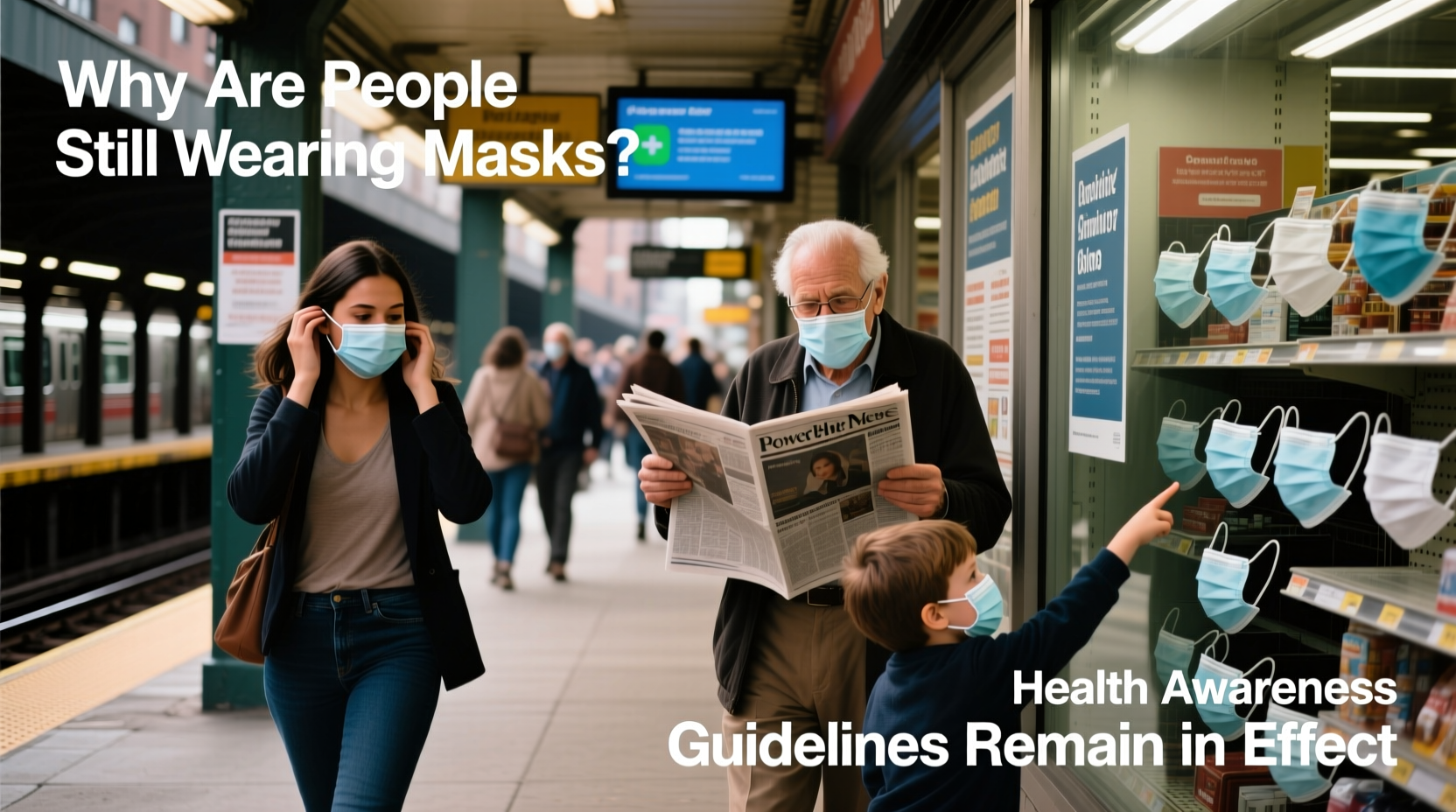
Understanding Why People Are Wearing Masks in 2026
In 2026, the decision to wear a face mask remains a common sight in public spaces, driven by a combination of evolving public health guidance, individual risk assessment, and personal comfort. While many mandates have been lifted, peop...
In 2026, the decision to wear a face mask remains a common sight in public spaces, driven by a combination of evolving public health guidance, individual risk assessment, and personal comfort. While many mandates have been lifted, people continue to mask to mitigate the transmission of endemic respiratory viruses, protect vulnerable household members, or manage seasonal allergy symptoms in varied environments.
Contents
The Evolution of Mask Usage Beyond Acute Pandemic Phases
The landscape of mask-wearing has shifted from a period of universal mandates to one of individual choice. In the early 2020s, mask-wearing was primarily a compliance-based behavior dictated by government and workplace policies. As of 2026, the practice has transitioned into a tool of personal health management. This shift reflects a move toward "proactive wellness," where individuals utilize high-quality filtration—such as N95 or KN95 respirators—not just during high-transmission periods of viral illnesses like influenza, RSV, or lingering SARS-CoV-2 variants, but as a consistent part of their hygiene toolkit.
Public health authorities now categorize mask-wearing as a "layer of protection." This approach suggests that while vaccination and therapeutic treatments provide primary defense, physical barriers serve as an effective supplementary measure in high-density areas. Consequently, seeing someone in a mask today is rarely an indicator of a specific legal mandate, but rather a reflection of that individual's specific health status or their desire to avoid becoming ill regardless of the season.
Factors Influencing the Decision to Mask
For the general public, the choice to wear a mask in 2026 is often informed by a mix of objective data and subjective comfort levels. Understanding these motivations is key to recognizing why the practice persists.
Individual Health Vulnerability
People who are immunocompromised, living with chronic respiratory conditions, or caring for elderly or infant family members often prioritize masking. For these groups, the risk-to-benefit ratio remains weighted heavily in favor of masking, as they have a higher stake in preventing secondary infections.
Seasonal Flu and Respiratory Syncytial Virus (RSV)
Healthcare systems continue to experience predictable surges in respiratory infections during autumn and winter months. Many individuals have adopted the habit of masking during these peak periods as a social and practical strategy to prevent lost time at work or school, regardless of whether a formal recommendation is in place.
Environmental and Occupational Triggers
Beyond infectious diseases, masks are increasingly used for environmental protection. In regions prone to wildfire smoke or high air pollution, N95 masks provide a tangible benefit in filtering particulate matter. Furthermore, some professionals in high-traffic sectors, such as public transit, retail, or healthcare, continue to mask to reduce their exposure to the high volume of pathogens they encounter daily in their professional roles.
Personal Comfort and Social Norms
For a segment of the population, masks have become a symbol of conscientious citizenship. Just as one might stay home when feeling unwell, wearing a mask in crowded indoor settings is viewed by some as an act of consideration for others, minimizing the spread of any asymptomatic illness.
Navigating the Practicality of Mask Selection
The efficacy of mask-wearing is heavily dependent on the type of device used. As of 2026, the marketplace has matured, offering higher-quality options that balance comfort with filtration efficiency.
| Mask Type | Primary Function | Ideal Use Case |
|---|---|---|
| N95/KN95/FFP2 | High-level filtration of aerosols | Crowded indoor spaces, public transit, high-risk settings |
| Surgical Masks | Source control and fluid resistance | Clinical settings or general use in low-density areas |
| Cloth Masks | Minimal filtration/Comfort | Low-risk environments, outdoor social settings |
Note: Medical professionals generally advise that respirators (N95 or equivalent) offer the most robust protection for the wearer, while surgical masks are primarily effective at containing droplets emitted by the wearer.
Common Misconceptions Regarding Mask Usage
There is often a disconnect between public perception and actual health recommendations. A frequent point of confusion is the belief that masks are only necessary during declared public health emergencies. In reality, public health experts emphasize that respiratory viruses are endemic, meaning they are constantly circulating. Therefore, the "need" for a mask is based on the current local prevalence of disease rather than a static legislative calendar.
Another misconception involves the perceived difficulty of wearing a mask for extended periods. Advances in material science have resulted in more breathable, ergonomic designs that minimize skin irritation and glasses fogging—common complaints from the early years of the pandemic. These improvements have lowered the barrier to entry for those who find masks physically uncomfortable.
When to Consider Masking: A Proactive Guide
Deciding whether to wear a mask in 2026 can be simplified into a basic risk assessment. You might consider masking in the following situations:
- High-Density Environments: During peak winter months, settings like airports, airplanes, and public transportation hubs often feature poor ventilation and high occupant density.
- During Recovery: If you are experiencing mild cold symptoms, wearing a mask serves as a crucial courtesy to others to prevent the spread of your illness.
- Visiting High-Risk Locations: When visiting hospitals, long-term care facilities, or clinics, masking is often still required or highly recommended to protect those with low immune response.
- Poor Air Quality Days: If your local air quality index (AQI) is elevated due to environmental factors, a well-fitted respirator can significantly reduce your inhalation of harmful particulates.
Disclaimer: This information is for educational purposes and does not constitute medical advice. Always follow local health regulations and consult with a healthcare professional regarding your specific health concerns.
Frequently Asked Questions
Are mask mandates still in effect in 2026? Generally, no. Most jurisdictions have transitioned away from broad mandates. However, individual institutions, such as private medical offices or specific healthcare networks, may maintain their own internal requirements for staff and visitors to ensure patient safety.
Why do some people wear masks outdoors? While the risk of transmission is significantly lower outdoors, individuals may wear masks outside due to air quality concerns, allergies, or simply because they have just left a crowded indoor space and have not yet removed their mask.
Do masks expire? Yes, masks such as N95s have a shelf life, usually related to the degradation of the elastic bands and the filtration material. If you have been storing masks since 2022 or 2023, check the packaging or the physical condition of the straps for signs of brittleness before use.
How effective are cloth masks compared to N95s? N95 and equivalent respirators are significantly more effective at filtering small, airborne particles. Cloth masks offer limited protection against modern respiratory threats and are generally recommended only as a last resort or in very low-risk situations.
Is it considered rude to wear a mask in 2026? No. Mask-wearing has become normalized. Most people view it as a personal health decision, and it is rarely interpreted as a social or political statement.
Moving Forward with Informed Choices
The decision to wear a mask in 2026 is a personal one, rooted in a balance between individual health needs and environmental circumstances. By understanding the protective benefits of high-quality respirators and recognizing the high-risk settings where they are most effective, you can make informed decisions that support your long-term health. Whether you choose to mask consistently or only in specific high-exposure situations, the focus remains on personal agency and health consciousness in an endemic world.
Image Gallery