Understanding the Rice Lake Survivor Truck Scale: Engineering, Durability, and Operational Utility
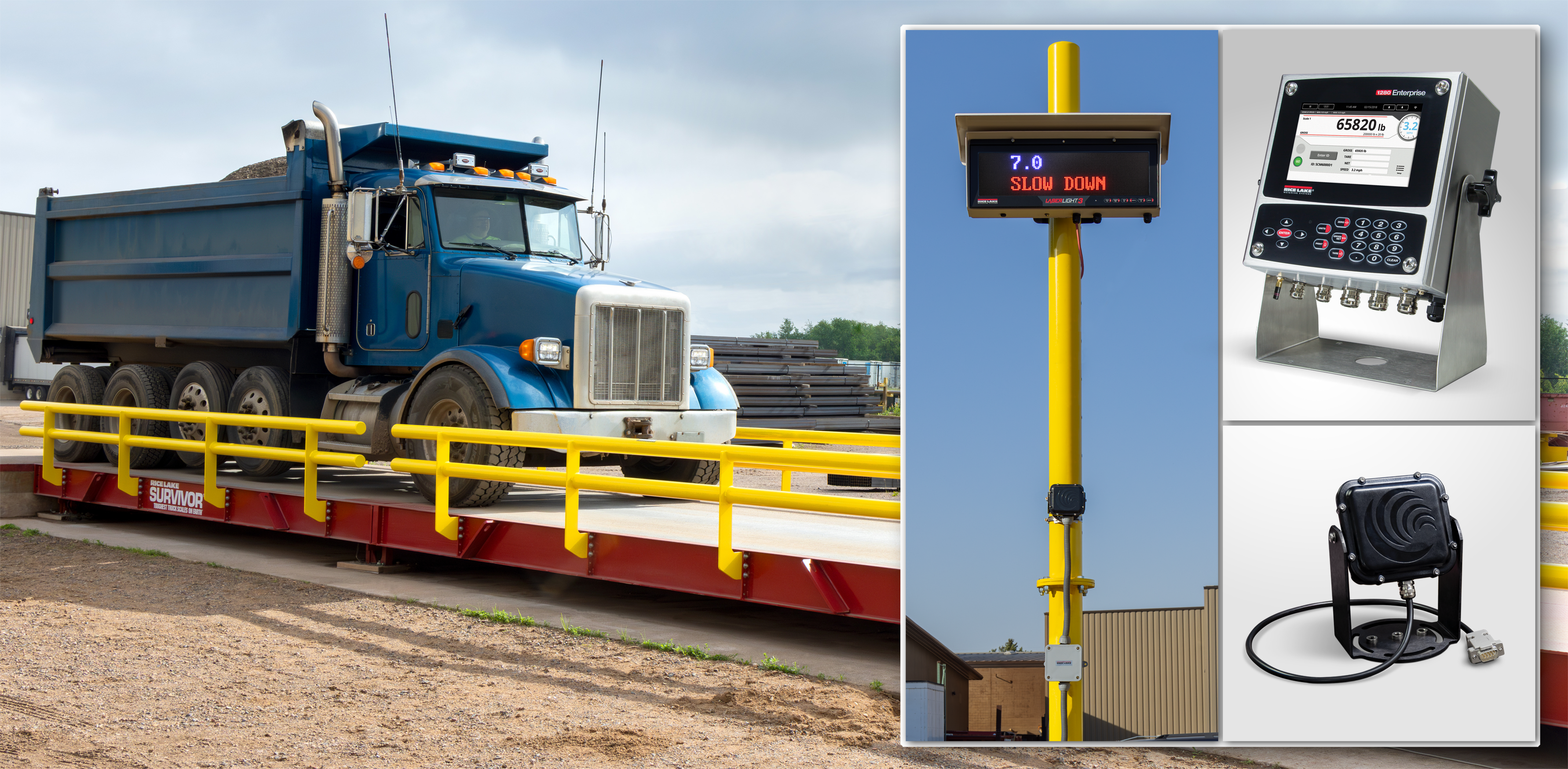
The Rice Lake Survivor series represents an industry-standard benchmark for heavy-capacity, above-ground, and pit-type truck scales. Designed to withstand the rigorous demands of high-traffic environments—such as quarries, waste manage...
The Rice Lake Survivor series represents an industry-standard benchmark for heavy-capacity, above-ground, and pit-type truck scales. Designed to withstand the rigorous demands of high-traffic environments—such as quarries, waste management facilities, and grain elevators—these scales utilize robust orthotropic steel construction and specialized load cell technology to provide precise weight data while minimizing maintenance downtime and long-term structural fatigue.
Contents
Engineering Philosophy and Structural Integrity
The "Survivor" designation in the Rice Lake product line is not merely marketing nomenclature; it refers to a specific engineering philosophy centered on longevity in hostile environments. At the core of a Rice Lake Survivor truck scale is the utilization of an orthotropic design. Unlike older I-beam configurations, which can suffer from stress concentration at the weld points between the flange and the web, the orthotropic design incorporates steel ribs welded to a solid steel deck. This structure effectively distributes load stresses across the entire surface of the scale platform.
By distributing the weight more evenly, the deck resists the "pumping" action that heavy axle loads create, which is a primary cause of steel fatigue in bridge-type structures. The welding process for these components is typically performed to AWS (American Welding Society) standards, ensuring that the structural bonds maintain integrity even after millions of load cycles. For operators in 2026, this means that the initial investment in a Survivor scale is often offset by a significantly lower cost of ownership over the expected 20-to-30-year lifespan of the bridge.
Load Cell Technology and Precision
A scale is only as accurate as its sensing mechanism. The Survivor series predominantly utilizes the Rice Lake Weighing Systems GOSHAWK or similar heavy-capacity canister load cells. These sensors are hermetically sealed, usually meeting IP69K standards, which protect the internal electronics from high-pressure washdowns and environmental contaminants like mud, corrosive chemicals, or moisture.
Precision in a truck scale is maintained through two primary factors: the mechanical stability of the weighbridge and the sensitivity of the load cell circuitry. In current configurations, these scales are often paired with high-resolution digital weight indicators that communicate via encrypted signals to prevent tampering or interference. The load cells are specifically designed to resist side-loading and longitudinal forces caused by trucks braking or accelerating on the deck. This is critical in high-throughput facilities where drivers may not always navigate the scale at slow, steady speeds.
Installation Considerations and Site Preparation
Selecting and installing a Rice Lake Survivor truck scale requires significant logistical planning. The process begins with a detailed geotechnical analysis of the installation site. Because these scales are designed to weigh loads up to 100 tons or more, the foundation must be engineered to prevent shifting, settling, or uneven drainage.
There are two primary installation configurations:
- Above-Ground (Low Profile): These are the most common in modern logistics. They require the construction of concrete ramps to allow vehicles to drive onto the platform. The primary advantage here is maintenance access; because the scale is elevated, technicians can easily inspect load cells, check for debris buildup, and perform calibration without entering a confined space.
- Pit-Type: These are installed flush with the surrounding grade. While they require a larger initial investment in deep concrete pits and sophisticated drainage systems (to prevent flooding), they are ideal for locations where space for approach ramps is limited or where local traffic patterns require vehicles to move across the scale area without significant elevation changes.
Maintenance and Long-Term Reliability
Even the most robust equipment requires a preventative maintenance schedule to remain legal-for-trade. In many jurisdictions, truck scales must undergo periodic certification by the local Department of Agriculture’s Weights and Measures division or a certified third-party service provider.
Typical maintenance tasks for the Rice Lake Survivor include:
- Clearance Checks: Ensuring the gap between the weighbridge and the foundation is free of debris, such as rocks, ice, or packed mud, which can cause "binding" and lead to inaccurate weight readings.
- Load Cell Inspection: Checking that the cables are protected from rodent damage and that the protective conduits remain intact.
- Calibration Verification: Using certified test weights to ensure the scale maintains its accuracy class (usually NTEP Class III L).
Comparison of Truck Scale Features
| Feature | Rice Lake Survivor (Steel Deck) | Concrete Deck Alternative |
|---|---|---|
| Curing Time | None (Ready for use upon install) | 28 Days (Full concrete cure) |
| Weight | Lighter (Easier shipping) | Very Heavy (High freight costs) |
| Maintenance | Minimal (Rust prevention) | High (Potential for cracking/spalling) |
| Refurbishment | Surface prep and paint | Difficult/Requires replacement |
| Life Expectancy | High (20+ years) | High (Subject to concrete fatigue) |
Troubleshooting Common Operational Issues
Operators often face errors that stem from external factors rather than equipment failure. Understanding these can save significant time and money on service calls.
- Weight Fluctuations: If the scale display is jumping or unstable, the most common culprit is a damaged load cell cable or a compromised junction box. Moisture intrusion into the junction box is the number one cause of erratic readings in outdoor environments.
- "Scale Binding": If the scale displays a weight that does not return to zero after a vehicle leaves, check the perimeter. Expansion due to heat can cause the steel deck to expand into the concrete foundation. Ensuring that the "gaps" remain clear is essential for the scale to float freely.
- Zero Drift: If the scale slowly loses its zero point over the course of a day, it may indicate a thermal expansion issue or a grounding problem. Ensuring the scale is properly bonded to a common ground can prevent electrical noise from interfering with the analog-to-digital signal conversion.
Frequently Asked Questions
1. Is the Rice Lake Survivor scale legal for trade? Yes. Rice Lake Survivor models are National Type Evaluation Program (NTEP) certified, meaning they meet the standards required for commercial transactions where weight is the basis for the sale of goods.
2. How often should the scale be calibrated? Calibration intervals are typically governed by state law or internal quality control requirements. Most industrial operations perform a full calibration at least once or twice per year, or immediately following any significant structural repair.
3. Can I upgrade the load cells on an older Survivor scale? Yes. One of the benefits of the Rice Lake system is the modularity of the components. Retrofitting older bridges with newer, digital-ready load cell technology is a common way to modernize an aging scale without replacing the entire steel structure.
4. Does the deck material affect the lifespan of the scale? Steel decks are generally preferred for high-impact environments due to their flexibility and ease of repair. While concrete decks are sometimes chosen for better traction, they are susceptible to cracking in freeze-thaw cycles, which can lead to structural decay over time.
5. What is the standard weight capacity for these scales? While custom configurations exist, standard Survivor models typically range from 60,000 to 200,000 pounds (or higher) in total capacity, depending on the number of modules and the specific load cell specifications chosen during the procurement phase.
Final Recommendation for Operators
To ensure the long-term utility of a Rice Lake Survivor truck scale, prioritize the selection of a factory-authorized service provider for the initial installation. The precision of the foundation work is the most critical variable in the scale's lifespan. By maintaining a clean environment around the weighbridge and adhering to a strict calibration schedule, facility managers can rely on these systems to provide high-accuracy data for decades, effectively mitigating the risks of revenue leakage due to inaccurate weighing or operational shutdowns caused by equipment failure.
Image Gallery