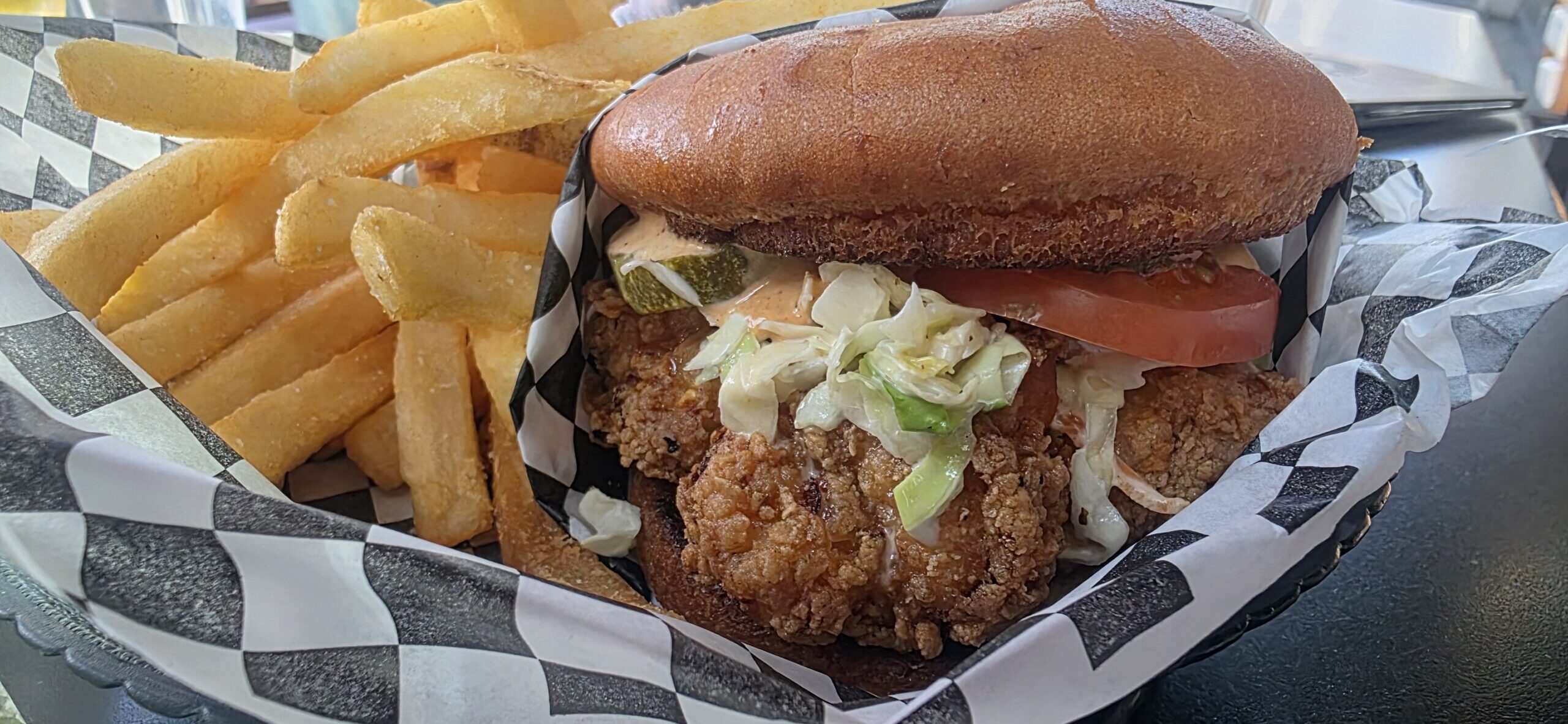
Navigating the Best Gluten-Free Dining and Provisions in Seattle
Finding safe and high-quality gluten-free options in Seattle, Washington, requires a combination of identifying dedicated facilities and evaluating the cross-contamination protocols of popular culinary establishments. For those with ce...
Finding safe and high-quality gluten-free options in Seattle, Washington, requires a combination of identifying dedicated facilities and evaluating the cross-contamination protocols of popular culinary establishments. For those with celiac disease or severe gluten sensitivity, navigating the city’s vibrant food scene involves prioritizing locations that implement rigorous ingredient sourcing and strict kitchen separation standards.
Contents
Understanding Gluten-Free Verification in Seattle
The primary challenge for diners seeking gluten-free meals in a metropolitan environment like Seattle is distinguishing between "gluten-friendly" menus and strictly gluten-free environments. A gluten-friendly establishment may offer items without gluten-containing ingredients but often shares preparation surfaces, fryers, or ovens with wheat-based products. Conversely, a dedicated gluten-free facility eliminates the risk of airborne flour or contact-based cross-contact.
For residents and visitors, identifying a safe location involves looking for establishments that adhere to the standards set by the Food and Drug Administration (FDA) regarding the labeling of "gluten-free" foods. Under 21 CFR 101.91, any product labeled gluten-free must contain less than 20 parts per million (ppm) of gluten. When dining out, this verification must be translated into kitchen practices, such as the use of separate cutting boards, dedicated pasta water, and the avoidance of common oil used for breaded items.
Selecting Dedicated Gluten-Free Establishments
Seattle hosts several establishments that operate entirely gluten-free kitchens, removing the ambiguity often found in mixed-use venues. These locations are generally the safest choices for individuals with celiac disease.
The Role of Dedicated Facilities
Dedicated facilities provide peace of mind because the entire inventory is screened for gluten. When visiting these locations, patrons should still verify current operational status, as business hours and menus can shift. Notable entities in the Seattle area frequently cited for their commitment to safety include:
- Capitol Cider: Historically recognized for a kitchen that avoids gluten entirely, focusing on ciders and elevated pub fare.
- Ghostfish Brewing Company: Known for being one of the first dedicated gluten-free breweries in the region, they operate a taproom that strictly controls its ingredient supply chain, ensuring that everything from their craft beers to the kitchen menu is safe for consumption by those with gluten-related disorders.
- Flying Apron: A long-standing presence in the community, providing bakery items that are exclusively gluten-free and vegan, mitigating risks associated with mixed-grain facilities.
Evaluating Mixed-Kitchen Environments
Many high-rated dining spots in Seattle cater to gluten-free diners through "modified" menus. While these establishments may not be 100% gluten-free, they are often highlighted for their transparency and awareness. When choosing these venues, consider the following assessment criteria:
- Staff Training: Does the service staff ask about the severity of the allergy or sensitivity?
- Kitchen Protocols: Are there dedicated prep areas? Are proteins cooked on clean surfaces?
- Cross-Contamination Awareness: Does the kitchen use a separate fryer for non-breaded items?
Comparison of Dining Approaches
The following table outlines the differences between dining at a dedicated versus a mixed-kitchen facility.
| Feature | Dedicated Gluten-Free | Mixed-Kitchen (Gluten-Friendly) |
|---|---|---|
| Risk Level | Extremely Low | Moderate to High |
| Kitchen Standards | No gluten permitted on-site | Relies on ingredient segregation |
| Ingredient Sourcing | Guaranteed gluten-free supply | Varies by chef and supplier |
| Staff Training | Mandatory and constant | Variable, often dependent on server |
| Variety | Limited to specific chefs' skills | Broad, often broader menu options |
Best Practices for Dining Out
Regardless of the establishment's reputation, your personal verification process is the final line of defense. Even in 2026, where awareness of food allergies has reached an all-time high in Seattle’s culinary culture, individual vigilance remains necessary.
Communicating Requirements Effectively
When making reservations or ordering, use direct, clear language. Instead of asking if an item is "gluten-friendly," ask, "Does your kitchen use dedicated equipment for this dish to prevent cross-contact with wheat?" By focusing on the process rather than just the ingredients, you provide the kitchen staff with the necessary information to alert their back-of-house team.
Identifying Hidden Sources of Gluten
Even in seemingly safe meals, hidden gluten can appear in:
- Soy Sauce: Many traditional soy sauces contain wheat. Ensure the kitchen uses tamari.
- Dressings and Sauces: Thickened gravies or emulsified dressings often rely on wheat flour as a stabilizer.
- Fryers: If a restaurant serves breaded appetizers (like calamari or mozzarella sticks) and uses the same oil for french fries, the fries are considered cross-contaminated.
Frequently Asked Questions
Is it safe to eat at mixed-kitchen restaurants if I have celiac disease?
It is possible to do so safely, but it requires thorough vetting. You should speak with a server or manager to ask about specific protocols, such as using separate fryers or changing gloves before handling your meal. If an establishment cannot definitively explain their cross-contact mitigation strategy, it is safer to avoid ordering from them.
Do Seattle restaurants provide allergy menus?
Yes, most major restaurants and chain establishments in Seattle provide allergy-specific menus or QR codes that link to allergen information. However, always verify this information with the kitchen, as printed menus may not reflect the latest inventory or kitchen procedural changes.
Are there gluten-free grocery options in Seattle?
Seattle has a high density of health-focused grocery stores, such as PCC Community Markets and Whole Foods, which offer extensive gluten-free product lines. These stores are generally better at labeling local goods, which can simplify your shopping process.
How do I handle accidental gluten exposure?
If you suspect you have been exposed to gluten, monitor your symptoms closely. If you have celiac disease, this can trigger a range of physiological reactions. Always keep a record of the establishment where the exposure occurred and, if the incident was due to a miscommunication, contact the management to provide feedback, which helps improve safety for future diners.
Is gluten-free labeling regulated for food trucks?
Yes, all food businesses, including food trucks, in Seattle are subject to the same local health department regulations regarding food handling and labeling. While they operate in a smaller space, they are still required to adhere to safety protocols. If they claim to be gluten-free, they must be able to justify that claim through their ingredient sourcing and preparation methods.
Recommendations for Next Steps
To ensure a safe dining experience in Seattle, begin by checking the current menus of dedicated gluten-free establishments online. If you are planning a visit to a new restaurant, call during non-peak hours to speak with a manager about their kitchen protocols. Following these steps ensures that you can enjoy the city’s culinary scene without compromising your health or peace of mind.
Image Gallery