The Meaning of a Doping Test: Procedures, Regulations, and Integrity in Sport
A doping test is a technical and legal procedure designed to detect the presence of prohibited performance-enhancing substances or the use of forbidden methods by athletes. Regulated primarily by the World Anti-Doping Agency (WADA), th...
A doping test is a technical and legal procedure designed to detect the presence of prohibited performance-enhancing substances or the use of forbidden methods by athletes. Regulated primarily by the World Anti-Doping Agency (WADA), these tests ensure fair competition, protect athlete health, and maintain the integrity of global sports through rigorous biological sample collection and laboratory analysis.
Contents
Doping tests represent the frontline of defense in the quest for "clean sport." In 2026, the landscape of anti-doping has evolved far beyond simple urine checks; it is now a multi-layered ecosystem involving forensic science, legal frameworks, and constant surveillance. To understand the meaning of a doping test is to understand the intersection of medical science and ethical governance.
The Ethical and Philosophical Foundation of Anti-Doping
The fundamental meaning of a doping test is rooted in the Spirit of Sport. According to the World Anti-Doping Code, sport is meant to be a celebration of the human spirit, body, and mind. Doping—the use of artificial enhancements—is viewed as a violation of this spirit because it creates an uneven playing field and risks the long-term health of the participants.
Anti-doping programs are built on the principle of Strict Liability. This is a crucial legal concept meaning that an athlete is responsible for any prohibited substance found in their body, regardless of how it got there. Whether a substance was ingested intentionally to cheat or accidentally through a contaminated supplement, the presence of the substance constitutes an anti-doping rule violation (ADRV). This high standard of accountability is what gives doping tests their weight in the legal arena of international sports.
The 2026 WADA Prohibited List: What is Being Tested?
A doping test is only as effective as the list of substances it seeks to identify. The WADA Prohibited List, updated annually, serves as the definitive international standard identifying substances and methods prohibited in-competition, out-of-competition, and in particular sports.
As of 2026, the list is categorized into several key groups:
- S0: Non-Approved Substances: Any pharmacological substance which is not addressed by any of the subsequent sections of the List and with no current approval by any governmental regulatory health authority for human therapeutic use.
- S1: Anabolic Agents: These include anabolic androgenic steroids (AAS), which mimic testosterone to build muscle mass and strength.
- S2: Peptide Hormones and Growth Factors: Substances like Erythropoietin (EPO), which increases red blood cell production, and Human Growth Hormone (hGH).
- S3: Beta-2 Agonists: Often used in asthma medication, these can have anabolic effects if taken in high doses.
- S4: Hormone and Metabolic Modulators: Substances that interfere with estrogen or alter metabolic functions (e.g., insulin).
- S5: Diuretics and Masking Agents: Used to shed weight rapidly or to dilute urine to hide the presence of other drugs.
- S6-S9: In-Competition Only: These include stimulants, narcotics, cannabinoids, and glucocorticoids.
The meaning of a doping test also extends to Prohibited Methods, such as blood doping (autologous or homologous blood transfusions) and gene doping, which involves the use of nucleic acids or genetic sequences to enhance athletic performance.
The Step-by-Step Doping Test Procedure
The validity of a doping test relies entirely on the Chain of Custody. If the process is flawed, the result can be challenged in the Court of Arbitration for Sport (CAS). Here is the standard procedure an athlete undergoes during a collection session.
1. Notification and Chaperoning
Athletes can be selected for testing at any time and any place. A Doping Control Officer (DCO) or a trained Chaperone notifies the athlete of their selection. From the moment of notification until the sample is provided, the athlete is under constant observation. This prevents any attempt to swap samples or use "masking" devices.
2. Reporting to the Doping Control Station
The athlete must report immediately to the station. In 2026, regulations allow for very few delays, such as participating in a victory ceremony or obtaining necessary medical treatment. During this time, the athlete chooses a collection vessel from several sealed options to ensure no tampering has occurred.
3. Sample Provision
For urine tests, the athlete must provide at least 90ml of urine. The DCO must have an unobstructed view of the sample leaving the athlete's body. This is often described as the most invasive part of the process, but it is necessary to ensure the integrity of the biological specimen.
4. Splitting the Sample
The athlete pours the urine into two bottles: the A Sample and the B Sample. The A sample is used for the initial analysis, while the B sample is sealed and stored as a backup. If the A sample returns an Adverse Analytical Finding (AAF), the athlete has the right to request that the B sample be opened and tested to confirm the result.
5. Sealing and Documentation
The bottles are sealed with tamper-evident caps. The athlete then completes the Doping Control Form, disclosing any medications or supplements taken in the last seven days. In 2026, most organizations use digital paperless systems to sync this data directly with the Anti-Doping Administration and Management System (ADAMS).
Comparison of Testing Modalities
While urine testing remains the most common, modern anti-doping programs utilize various biological matrices to capture a complete picture of an athlete's physiology.
| Testing Method | Primary Purpose | Advantages | Limitations |
|---|---|---|---|
| Urine Testing | Detection of metabolites and masking agents. | Non-invasive (relative to blood), high volume, long detection windows. | Potential for tampering; requires direct observation. |
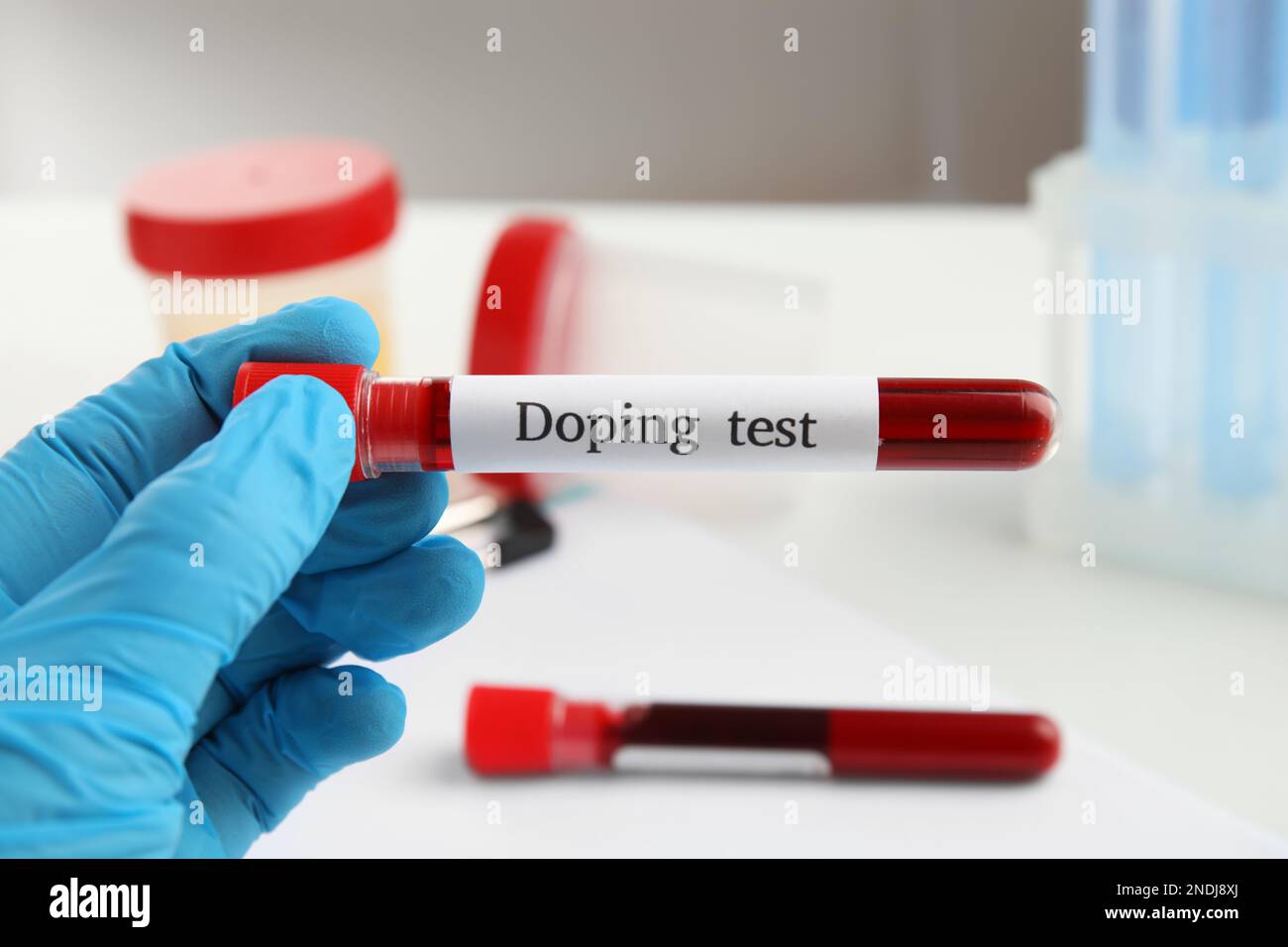
| Venous Blood Testing | Detection of EPO, hGH, and blood transfusions. | Detects substances urine cannot; harder to manipulate. | Requires trained phlebotomists; more invasive. |
| Dried Blood Spot (DBS) | Screening for small molecules and specific hormones. | Minimally invasive (finger prick), easy to transport, stable at room temp. | Lower volume of blood limits the range of tests. |
| Athlete Biological Passport (ABP) | Monitoring physiological variables over time. | Detects the effects of doping rather than the substance itself. | Requires multiple tests over years to establish a baseline. |
The Athlete Biological Passport (ABP)
A significant evolution in the meaning of a doping test is the shift from "direct detection" to "indirect monitoring." The Athlete Biological Passport (ABP) does not look for a specific drug. Instead, it monitors an athlete’s biological markers over their entire career to establish a personalized baseline.
The ABP has two primary modules:
- The Hematological Module: Monitors markers of blood doping, such as hemoglobin levels and reticulocyte counts. Sudden spikes or dips in these levels can indicate the use of EPO or blood transfusions.
- The Steroidal Module: Monitors the levels of endogenous anabolic androgenic steroids produced naturally by the body. Deviations from the athlete's "normal" profile can indicate the administration of exogenous testosterone.
By using longitudinal data, anti-doping agencies can identify "atypical" profiles, which may trigger targeted testing or serve as the basis for an anti-doping rule violation even in the absence of a positive urine test.
Therapeutic Use Exemptions (TUEs)
The doping test framework recognizes that athletes, like all people, may have legitimate medical conditions. A Therapeutic Use Exemption (TUE) allows an athlete to use a prohibited substance or method for a documented medical reason.
To obtain a TUE in 2026, an athlete must prove:
- The substance is needed to treat an acute or chronic medical condition.
- The substance will not produce any additional enhancement of performance beyond a return to a normal state of health.
- There is no reasonable therapeutic alternative.
- The need for the substance is not a consequence of prior use of a prohibited substance.
TUEs are strictly monitored to ensure they are not used as a loophole for legal doping. Applications are reviewed by an independent panel of physicians (the TUE Committee).
Consequences of a Positive Test
The meaning of a doping test is perhaps most visible in its consequences. A positive test result, or an ADRV, can lead to:
- Disqualification: Loss of results, medals, points, and prize money from a specific event.
- Ineligibility: A ban from all sports for a period ranging from a few months to a lifetime. Under the 2026 Code, a standard ban for intentional doping is four years.
- Reputational Damage: The "stigma of doping" can end an athlete’s career, resulting in the loss of sponsorships and public trust.
- Financial Penalties: Fines imposed by international federations or national anti-doping organizations (NADOs).
Frequently Asked Questions
What happens if an athlete misses a doping test?
In the world of anti-doping, a "missed test" is just as serious as a positive result. Athletes in a Registered Testing Pool (RTP) must provide Whereabouts information, specifying a 60-minute window each day where they will be available for testing. Any combination of three missed tests or filing failures within a 12-month period constitutes an anti-doping rule violation, typically resulting in a two-year ban.
Can herbal supplements cause a positive doping test?
Yes. The supplement industry is often poorly regulated, and products may be cross-contaminated with prohibited substances like sibutramine or low levels of steroids not listed on the label. Under the principle of Strict Liability, the athlete is still responsible. Athletes are advised to only use supplements third-party tested by organizations like NSF Certified for Sport.
How long do prohibited substances stay in the system?
Detection windows vary wildly based on the substance, the dosage, and the athlete's metabolism. Some stimulants may leave the system within 24 hours, while certain oil-based anabolic steroids can be detected for several months. Modern laboratory techniques, such as Long-Term Metabolite (LTM) testing, have significantly extended these windows.
What is the difference between In-Competition and Out-of-Competition testing?
In-Competition testing usually occurs during a specific sporting event (e.g., the Olympics or a National Championship). During this window, a broader range of substances is prohibited, including stimulants and narcotics. Out-of-Competition testing can happen any day of the year, focusing primarily on "foundation" doping like steroids and growth hormones.
Can an athlete refuse a doping test?
An athlete has the right to refuse, but doing so is considered an anti-doping rule violation equivalent to a positive test. Refusal without "compelling justification" almost always leads to a maximum period of ineligibility (four years for a first offense).
Summary and Next Actions
The meaning of a doping test transcends the laboratory; it is a vital mechanism for preserving the social and ethical value of sport. For athletes, coaches, and medical staff, compliance is not optional—it is a prerequisite for participation in the global sporting community.
Practical Recommendations:
- For Athletes: Always verify every medication (prescribed or over-the-counter) against the WADA Prohibited List or via resources like Global DRO.
- For Coaches: Ensure athletes understand the "Strict Liability" principle and the importance of accurate Whereabouts filing.
- For Medical Professionals: When treating an athlete, always consider if a TUE is required before administering treatment, especially in emergency situations where "retroactive TUEs" may be necessary.
By respecting the doping control process, stakeholders contribute to a culture of transparency that protects the health of the individual and the future of the sport.
Image Gallery