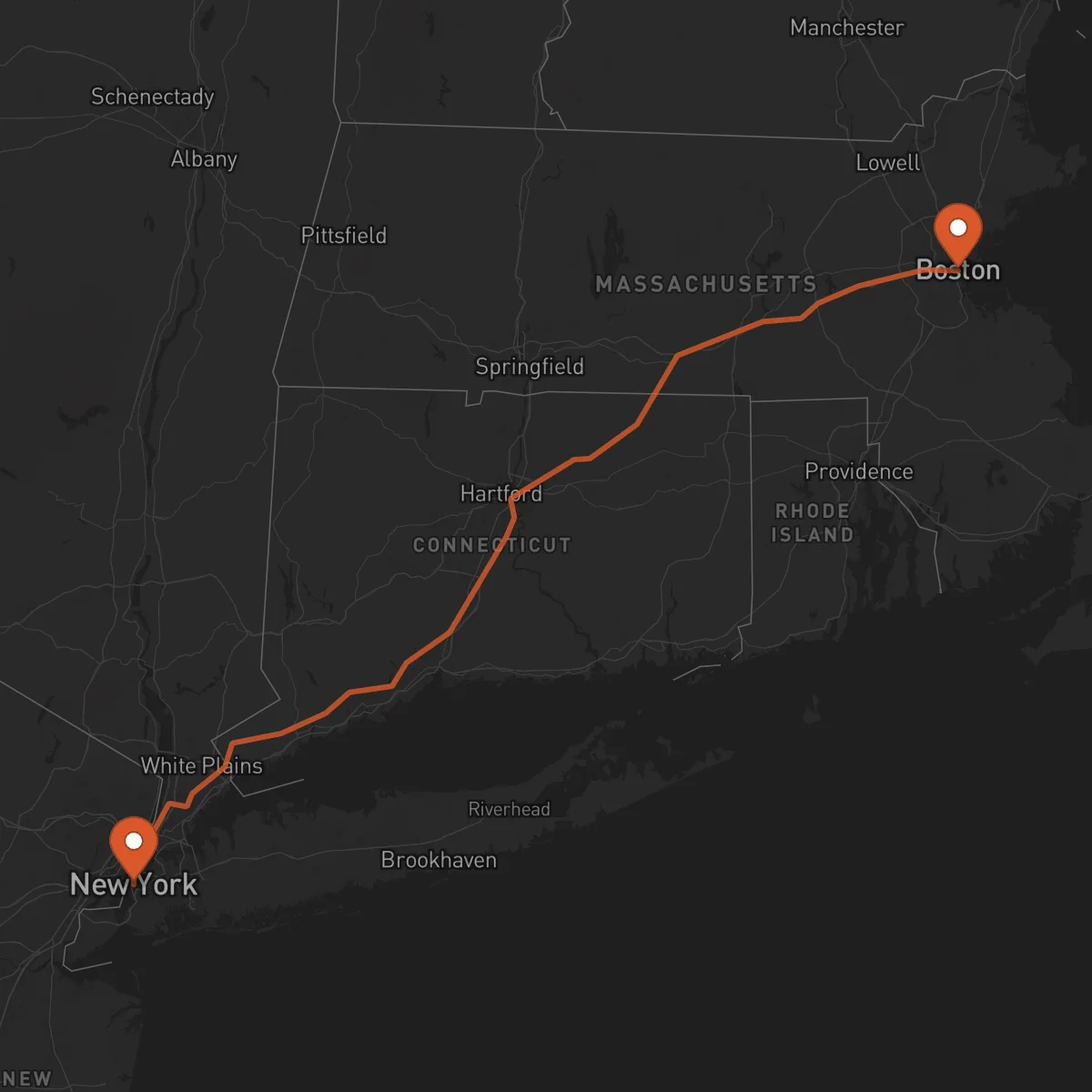
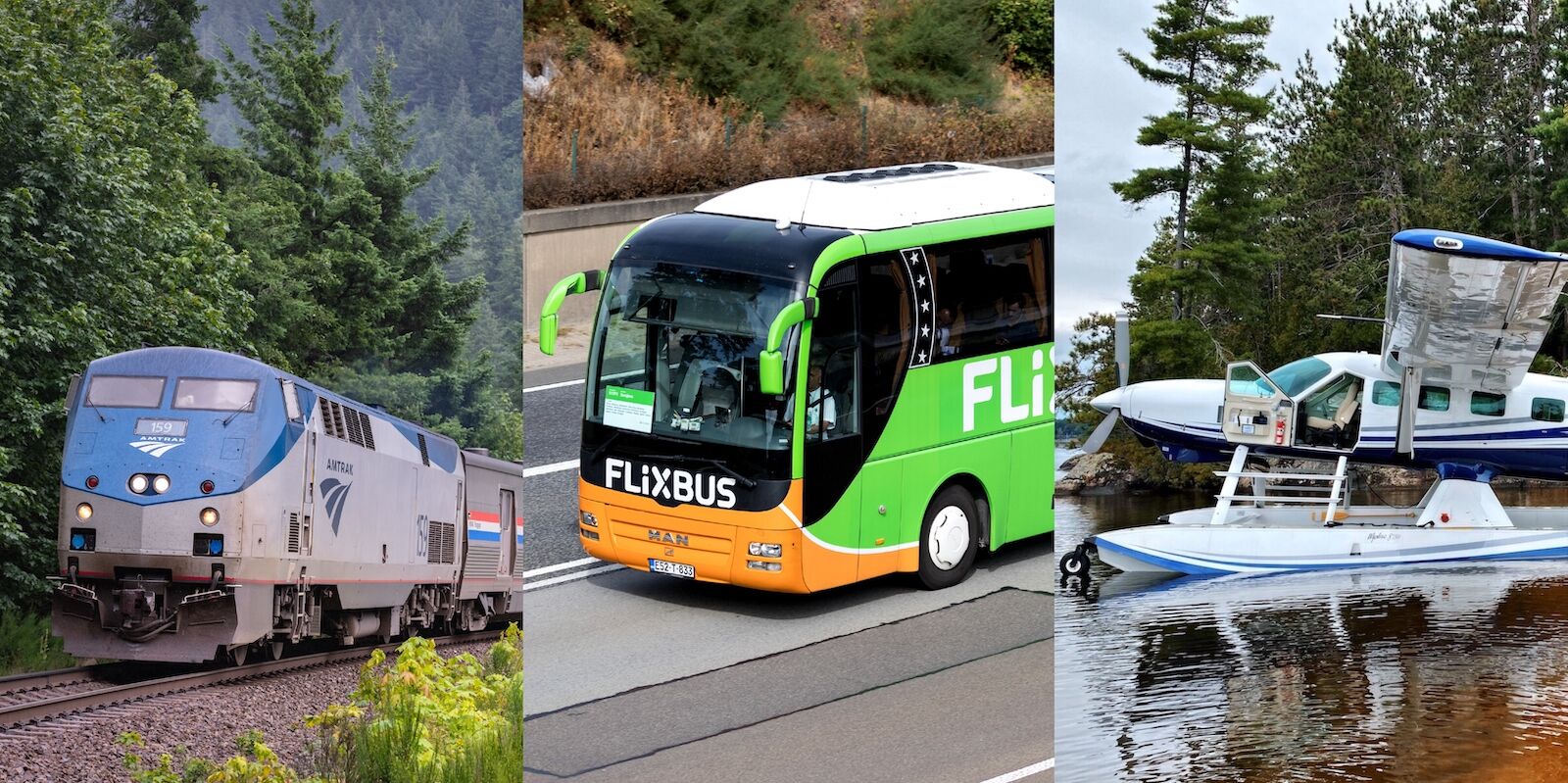
Best Boston to New York Fast Train Options in 2026
For travelers seeking the fastest rail connection between Boston and New York City, the Amtrak Acela remains the premier high-speed option, offering a center-to-center travel time of approximately 3 hours and 30 minutes to 3 hours and...
For travelers seeking the fastest rail connection between Boston and New York City, the Amtrak Acela remains the premier high-speed option, offering a center-to-center travel time of approximately 3 hours and 30 minutes to 3 hours and 50 minutes. While the Northeast Regional provides a more frequent and budget-friendly alternative, it typically requires 4 hours and 20 minutes or longer to complete the same journey.
Contents
Navigating the Northeast Corridor (NEC) in 2026 requires an understanding of the specific service tiers, the rollout of next-generation rolling stock, and the logistical nuances of the stations involved. Whether you are a business professional prioritizing productivity or a leisure traveler looking for comfort, selecting the right "fast" train involves balancing speed, cost, and amenities.
The Acela: America’s Premier High-Speed Rail Service
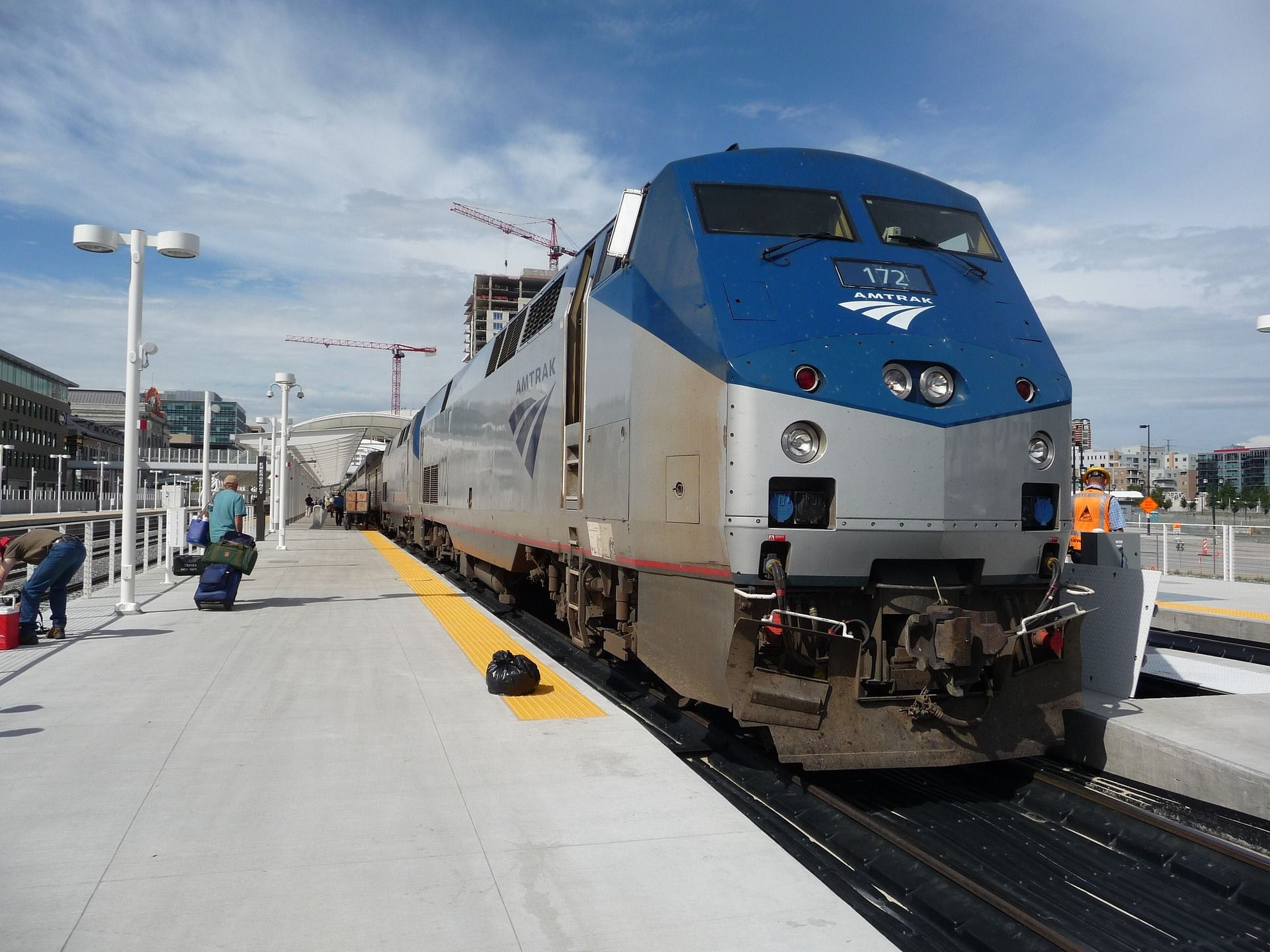
The Acela is the only true high-speed rail service in the United States, specifically designed to navigate the winding tracks of the Northeast. In 2026, the service is characterized by the full integration of the Avelia Liberty trainsets, which replaced the original Acela Express equipment. These trains are capable of speeds up to 160 mph, though they are often restricted by the existing track geometry between Massachusetts and New York.
Technical Specifications and the Tilting Advantage
The primary reason the Acela outperforms other options is its active tilt technology. The Boston-to-New York segment is notorious for its historical curves, particularly through Connecticut. The Acela’s tilting mechanism allows the train to round these curves at higher speeds than conventional trains without compromising passenger comfort. This "active" system leans the train body into the curve, counteracting centrifugal force.
In 2026, the Avelia Liberty sets offer several technical improvements:
- Passenger Capacity: Approximately 380 seats, a 25% increase over previous generations.
- Safety Features: Advanced Crash Energy Management (CEM) systems.
- Power Efficiency: Concentrated power cars at both ends of the trainset provide rapid acceleration, which is critical for maintaining schedules despite frequent stops.
Class Service: Business vs. First Class
Unlike standard Amtrak services, the Acela does not offer a "Coach" class. Every seat is considered a premium accommodation.
- Business Class: Features a 2x2 seating arrangement with ample legroom, fold-down trays, and high-speed Wi-Fi. In 2026, all seats on the Avelia Liberty sets are equipped with individual power outlets and USB-C ports.
- First Class: This is the pinnacle of the Boston-NYC rail experience. It includes 1x2 seating for more privacy, complimentary at-seat meal service, and access to the Metropolitan Lounge at Boston South Station and the Moynihan Train Hall in New York.
The Northeast Regional: The High-Frequency Alternative
While the Acela is the "fastest," the Northeast Regional is the workhorse of the corridor. It is essential for travelers who need flexibility in their departure times or those who are traveling on a budget but still want a relatively quick transit.
Speed and Reliability
The Northeast Regional tops out at 125 mph. Because it lacks the tilting mechanism of the Acela, it must slow down significantly more during the coastal stretches of Connecticut and Rhode Island. On average, the Regional takes about 45 to 60 minutes longer than the Acela to reach New York from Boston. However, in 2026, the reliability of these schedules has improved due to ongoing infrastructure upgrades under the Federal Railroad Administration’s (FRA) Northeast Corridor project list.
Amenities and Configuration
The Regional offers two classes: Coach and Business Class.
- Coach Class: Offers a 2x2 configuration. While it lacks the "luxury" branding of the Acela, many travelers find the legroom in Amtrak Coach to be superior to that of domestic airline economy seating.
- Business Class: Located in a dedicated car, usually at the end of the train. It provides extra legroom and a more quiet environment, though it does not include the at-seat dining found in Acela First Class.
Comparative Analysis of Rail Options (2026)
The following table compares the primary metrics for the two major rail services operating between Boston (South Station) and New York (Moynihan Train Hall).
| Feature | Amtrak Acela | Amtrak Northeast Regional |
|---|---|---|
| Average Travel Time | 3h 30m – 3h 50m | 4h 15m – 4h 50m |
| Top Speed | 160 mph (select segments) | 125 mph |
| Classes Available | Business, First Class | Coach, Business Class |
| Seat Reservations | Required (Assigned) | Required (Assigned) |
| Quiet Car | Yes | Yes |
| Wi-Fi Technology | High-Speed Multi-Carrier | Standard Amtrak Wi-Fi |
| Average Ticket Price | $120 – $350+ | $45 – $160 |
| Frequency | Hourly (Peak) | Every 30–60 minutes |
Station Logistics: Boston South Station to Moynihan Train Hall
A "fast" train experience is often defined as much by the station experience as the time spent on the tracks. Both Boston and New York have seen significant terminal improvements leading into 2026.
Departing from Boston
Most travelers board at South Station, the city’s primary rail hub. However, for those located in the Back Bay or the South End, Back Bay Station is a vital secondary stop. If you are coming from the suburbs, Route 128 Station in Westwood provides ample parking and a quick connection to the Acela, often saving travelers the hassle of navigating downtown Boston traffic.
Arriving at Moynihan Train Hall
Since its expansion, the Moynihan Train Hall (located across from the original Penn Station site) has transformed the arrival experience in New York. Passengers on fast train options arrive in a facility with high ceilings, premium dining options, and expanded waiting areas.
- The Metropolitan Lounge: If traveling Acela First Class, you have immediate access to this lounge, which offers snacks, beverages, and private restrooms—an essential perk for business travelers needing to refresh before a meeting.
Factors Affecting Travel Speed and Efficiency in 2026
While the "advertised" speed of the Acela is impressive, several external factors influence the actual duration of the trip. Understanding these can help you choose the best departure time.
Infrastructure Bottlenecks
Despite the 2026 timeframe, the Northeast Corridor still faces challenges with aging infrastructure. The Connecticut River Bridge and the Walk Bridge in Norwalk, CT, remain points where trains must slow down significantly. Furthermore, the shared usage of tracks with commuter rails (like the MBTA in Massachusetts and Metro-North in Connecticut) can lead to occasional delays during peak rush hours.
Boarding Procedures
Amtrak transitioned to a fully assigned seating model for all NEC trains by 2024. In 2026, this means you no longer need to rush the platform to find a seat. This has streamlined the boarding process at South Station, effectively reducing the "dwell time" (the time a train sits at the station) and contributing to a more punctual departure.
Ticketing and the "BidUp" Program
For those looking for a fast, premium experience without the full price tag of First Class, Amtrak’s BidUp program allows Business Class passengers to place a blind bid for an upgrade to First Class. In 2026, this is managed entirely through the Amtrak mobile app, with notifications sent approximately two hours before departure.
Cost-Benefit: Is the Acela Worth the Premium?
The price gap between the Northeast Regional and the Acela can be substantial. Deciding if the Acela is the "best" option depends on your specific needs:
- Productivity: If you plan to work throughout the trip, the Acela’s superior Wi-Fi and more stable ride (thanks to the tilting tech) make it the clear winner.
- Time Sensitivity: Saving 45 minutes to an hour might be negligible for a weekend tourist but critical for a professional with a 1:00 PM meeting in Midtown Manhattan.
- Reliability: Acela trains generally receive priority on the tracks over Regional services, meaning they are slightly less prone to cascading delays.
Common Mistakes to Avoid
- Booking Too Late: Amtrak uses dynamic pricing. A ticket from Boston to NYC that costs $60 when booked three weeks out can easily skyrocket to $250 on the day of departure.
- Ignoring Back Bay: Many people automatically head to South Station. If your hotel or office is near Copley Square, boarding at Back Bay saves you a 15-minute Uber or T-ride.
- Overestimating Wi-Fi: While Acela Wi-Fi is improved in 2026, it still relies on cellular towers along the route. For critical video calls, it is always safer to have a personal hotspot or downloaded materials.
Frequently Asked Questions
Which train is the fastest from Boston to NYC?
The Amtrak Acela is the fastest option, completing the trip in roughly 3 hours and 30 minutes. It uses specialized tilting technology to maintain higher speeds through the curves of the Connecticut coastline, whereas the Northeast Regional must slow down.
How much do fast train tickets cost in 2026?
Prices fluctuate based on demand. Acela tickets typically range from $120 to $350. Northeast Regional tickets are more affordable, often starting around $45 for Coach if booked well in advance, though they can rise to $160 or more for last-minute Business Class seats.
Do I need to arrive early for my train?
Unlike airports, you do not need to arrive hours in advance. However, because the Moynihan Train Hall and South Station are large, arriving 20 to 30 minutes before your scheduled departure is recommended to find your platform and settle into your assigned seat.
Is food available on the fast trains?
Yes. Every Acela and Northeast Regional train has a Cafe Car offering sandwiches, snacks, and beverages (including alcohol). On Acela First Class, a full meal and beverage service are included in the ticket price and served at your seat.
Can I change my ticket if I miss my train?
Amtrak’s "no-show" policy is strict. However, if you have a flexible fare (common in 2026), you can change your departure via the Amtrak app. If you have a non-refundable ticket, you may lose the value of the fare if you do not cancel or change it before the train departs.
Practical Recommendation
For the optimal balance of speed and professional comfort, book the Amtrak Acela at least 14 days in advance. Aim for a mid-morning departure to avoid the heaviest commuter congestion on the tracks. If you are traveling for leisure and the one-hour time difference is not a factor, the Northeast Regional in Business Class offers nearly the same comfort as Acela Business for a significantly lower price point. Regardless of your choice, ensure you use the Amtrak Guest Rewards program, as the Boston-NYC route is one of the fastest ways to earn points for future free travel.
Image Gallery