Understanding How the Florida Division of Workers' Compensation Operates
The Florida Division of Workers' Compensation (DWC), a branch of the Department of Financial Services (DFS), operates as the primary regulatory body overseeing the state’s workers' compensation system. It enforces employer compliance,...
The Florida Division of Workers' Compensation (DWC), a branch of the Department of Financial Services (DFS), operates as the primary regulatory body overseeing the state’s workers' compensation system. It enforces employer compliance, monitors insurance carrier performance, manages medical reimbursement schedules, and provides administrative assistance to resolve disputes between injured workers and insurers.
Contents
In 2026, the Florida workers' compensation landscape remains a strictly regulated environment designed to balance the needs of employees for medical and indemnity benefits with the needs of employers for predictable, affordable liability protection. Understanding how this department operates requires a look at its administrative structure, its enforcement mechanisms, and its role in the claims lifecycle.
The Administrative Structure of the DWC
The DWC does not function as an insurance company; it does not pay claims or provide direct medical care. Instead, it acts as a referee and regulator. Its operations are divided into several specialized bureaus, each tasked with a specific portion of the Florida Statutes Chapter 440, which governs workers' compensation in the state.
The Bureau of Compliance
This bureau is the "enforcement arm" of the DWC. Its primary goal is to ensure that every employer in Florida who is legally required to carry workers' compensation insurance actually does so. The Bureau of Compliance utilizes a sophisticated database that cross-references business records with "Proof of Coverage" data submitted by insurance carriers. If a business is found to be operating without coverage, this bureau has the authority to issue Stop-Work Orders and assess significant financial penalties.
The Bureau of Monitoring and Audit
Once a claim is active, the Bureau of Monitoring and Audit steps in to ensure that insurance carriers, third-party administrators (TPAs), and self-insured employers are following the law. They perform routine audits to verify that indemnity (wage replacement) checks are calculated correctly and mailed on time. They also monitor the accuracy of the data reported to the state, ensuring transparency in the overall system.
The Bureau of Medical Services
This bureau manages the complex intersection of healthcare and insurance. It is responsible for creating and updating the Maximum Reimbursement Allowances (MRA), which are the fee schedules that dictate how much doctors and hospitals can charge for treating injured workers. By regulating these costs, the DWC prevents runaway medical inflation within the system.
Employer Coverage Requirements and Enforcement
One of the most critical ways the Florida DWC operates is through the strict enforcement of coverage thresholds. Unlike some states with broad exemptions, Florida’s requirements are specific to the industry and the legal structure of the business.
Industry-Specific Mandates
As of 2026, the criteria for when an employer must obtain a policy remain consistent with long-standing Florida law:
- Non-Construction Industry: Any business with four or more employees (including corporate officers or members of an LLC) must carry coverage.
- Construction Industry: Due to the high risk of injury, the threshold is significantly lower. Any business with one or more employees must have insurance.
- Agricultural Industry: Coverage is required if there are more than five regular employees or twelve or more seasonal workers who work at least 30 days in a season.
The Penalty for Non-Compliance
The DWC operates a rigorous investigative program. If an investigator visits a job site and finds an employer without coverage, they issue a Stop-Work Order (SWO). This order requires all business operations to cease immediately. The penalty for non-compliance is typically two times the amount the employer would have paid in manual premium for all periods of non-compliance during the preceding three years. These penalties are non-negotiable and are used to fund the Workers' Compensation Administration Trust Fund.
| Industry Type | Employee Threshold | Corporate Officer Rules |
|---|---|---|
| Non-Construction | 4 or more | Can exempt up to 3 officers if they own 10% of the company. |
| Construction | 1 or more | Officers are counted as employees unless they file a formal exemption. |
| Agriculture | 6 regular / 12 seasonal | Very limited exemptions; focuses on large-scale operations. |
| State/Local Govt | 1 or more | Mandatory coverage regardless of the number of employees. |
The Claims Lifecycle and State Oversight
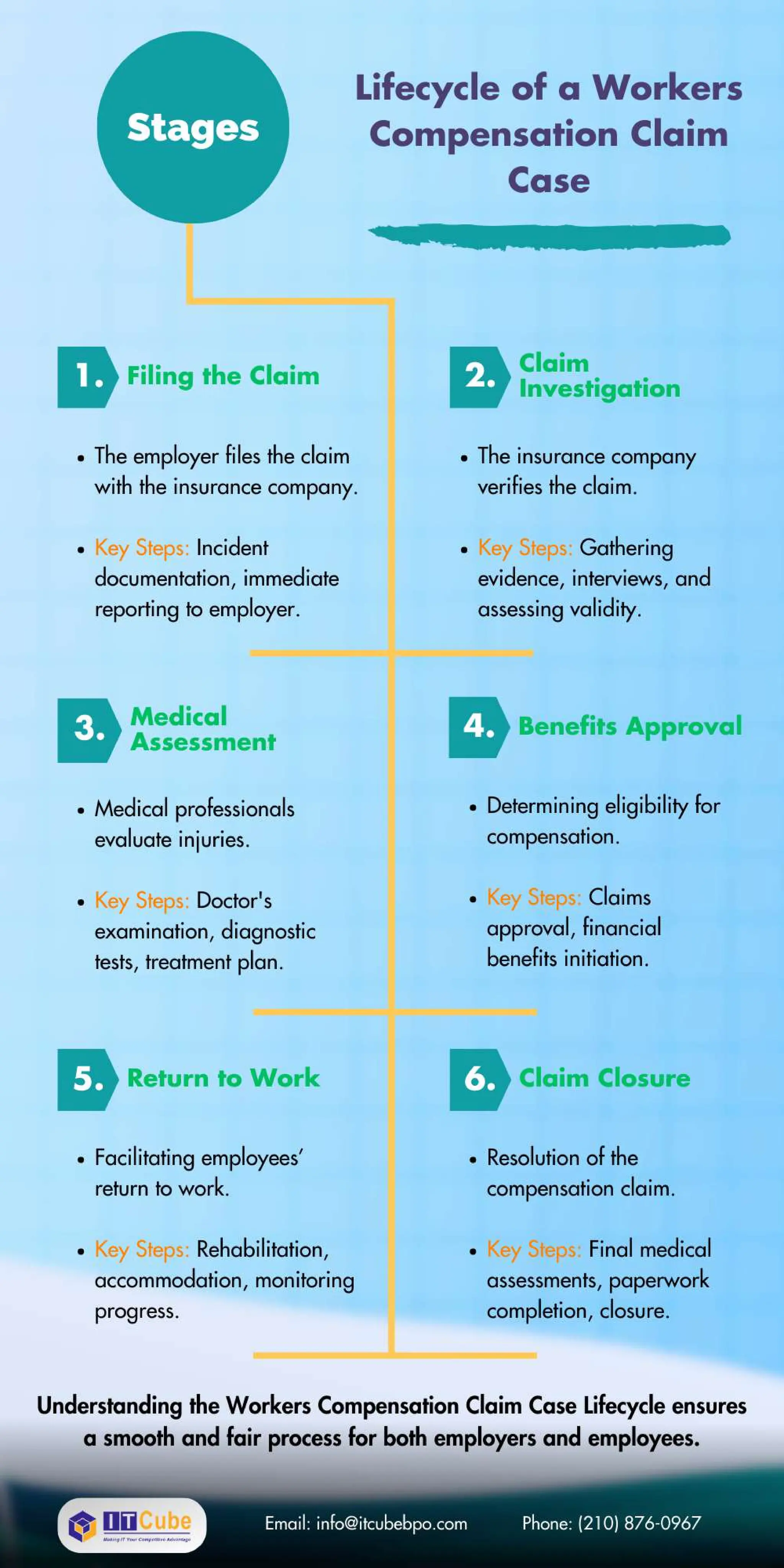
When a worker is injured on the job, the DWC’s role is to monitor the flow of information. The process begins when the employee notifies the employer (required within 30 days). The employer then has seven days to report the injury to their insurance carrier.
Reporting and Data Collection
The DWC utilizes an Electronic Data Interchange (EDI) system to receive "First Reports of Injury." This allows the department to track trends in workplace safety and identify employers or industries with high accident rates. If a carrier fails to report an injury or denies a claim without a valid legal reason, the DWC can intervene or flag the carrier for a formal audit.
Wage Replacement (Indemnity) Monitoring
Florida law provides for different types of indemnity benefits, such as Temporary Total Disability (TTD) or Permanent Total Disability (PTD). The DWC ensures that these benefits are calculated at the correct rate (usually 66.67% of the worker’s average weekly wage, subject to a state maximum). If there is a dispute regarding the calculation, the DWC’s specialists provide the formulas and data necessary to correct the error.
The Employee Assistance and Ombudsman Office (EAO)
A unique and vital component of how the Florida DWC operates is the Employee Assistance and Ombudsman Office (EAO). This office serves as a resource for injured workers who are having trouble with their claims but are not yet ready to hire an attorney.
The EAO specialists act as mediators. They can contact the insurance adjuster to resolve issues such as:
- Late or missing benefit checks.
- Delays in authorizing medical appointments or prescriptions.
- Clarifying the worker's rights and responsibilities under Florida law.
It is important to note that the EAO is a neutral party. They do not "represent" the worker in a legal sense, but they do have the authority to request documentation from carriers to ensure the law is being followed. In many cases, the EAO can resolve a dispute in a matter of days, preventing the need for a formal legal filing.
Dispute Resolution and the Office of the Judges of Compensation Claims
While the DWC handles the administrative and regulatory side of workers' compensation, it does not "judge" cases. If the EAO cannot resolve a dispute, the claim moves into the legal arena. In Florida, this is handled by the Office of the Judges of Compensation Claims (OJCC).
The OJCC is technically separate from the DWC but works in tandem with the department’s data. When a worker files a Petition for Benefits (PFB), a Judge of Compensation Claims (JCC) is assigned to the case. The process typically involves:
- Response: The carrier has 14 days to respond to the petition.
- Mediation: Florida law requires a state-sponsored mediation within 130 days of the filing.
- Final Hearing: If mediation fails, the JCC holds a trial-like hearing to decide the specific issues in the petition (e.g., whether a specific surgery is "medically necessary").
Medical Regulation and the Three-Member Panel
The DWC also operates as the gatekeeper for medical standards in workers' compensation. Under Florida law, a Three-Member Panel (consisting of the Insurance Commissioner and two other gubernatorial appointees) sets the reimbursement rates for healthcare providers.
The DWC's Bureau of Medical Services ensures that:
- Doctors are properly certified to treat workers' compensation patients.
- Medical billings are audited for "upcoding" or excessive charges.
- Utilization reviews are conducted to ensure that the treatments being provided align with established medical evidence.
This oversight prevents the workers' compensation system from becoming a "blank check" for medical providers, which in turn helps keep insurance premiums stable for Florida businesses.
Common Operational Limitations and Misconceptions
One of the most frequent misconceptions is that the DWC can "force" an insurance company to pay for a specific treatment. In reality, the DWC is a regulatory agency, not a court. While the EAO can suggest and mediate, only a Judge of Compensation Claims (OJCC) has the legal authority to issue an order compelling payment or treatment if the carrier refuses.
Furthermore, the DWC does not manage the Florida Workers’ Compensation Joint Underwriting Association (FWCJUA). The FWCJUA is a separate entity that acts as the "insurer of last resort" for employers who cannot find coverage in the voluntary market. The DWC regulates their compliance with state law but does not manage their day-to-day policy issuance.
FAQ: Navigating the Florida DWC System
Does the DWC pay me directly if I am injured?
No. The DWC is a regulatory body. If you are injured, your employer’s insurance carrier is responsible for paying your medical bills and wage replacement benefits. The DWC monitors the carrier to ensure they pay you correctly and on time.
How do I report a company that doesn't have workers' comp insurance?
You can contact the DWC’s Bureau of Compliance through their online portal or via their tip line. Reporting non-compliance is anonymous, and investigators are usually dispatched to verify coverage and issue stop-work orders if necessary.
What should I do if my checks are late?
Your first step should be contacting the insurance adjuster. If they do not resolve the issue, contact the Employee Assistance and Ombudsman Office (EAO) at the DWC. They can often facilitate payment without you needing to hire a lawyer.
Can a corporate officer opt out of workers' compensation?
Yes, in many cases. Officers of a corporation or members of an LLC can file for an Exemption through the DWC’s website. In the construction industry, there is a fee for this exemption, and it must be renewed every two years. In non-construction industries, the exemption is typically free but still requires a formal filing.
What is the 120-day rule in Florida?
Under Florida Statute 440.20(4), an insurance carrier can "pay and investigate" a claim for up to 120 days. This means they can start paying for your medical care and wages without officially admitting that the injury is their responsibility. If they do not deny the claim within those 120 days, they may lose their right to deny it later.
Final Recommendation for Employers and Employees
For employers, the most critical action is to maintain an active policy and strictly adhere to the reporting timelines (7 days). The penalties for non-compliance are severe and can lead to the permanent closure of a business. For employees, the best course of action is to document every communication with your employer and the insurance carrier. If the system seems stalled, utilize the Employee Assistance and Ombudsman Office (EAO) before escalating to litigation. The Florida DWC is designed to facilitate these resolutions, but it requires proactive participation from both parties to function effectively.
Image Gallery