Navigating Expectations for the Dow Jones Industrial Average
The Dow Jones Industrial Average (DJIA) follows a price-weighted methodology that reacts to macroeconomic data, corporate earnings, and geopolitical shifts. Predicting its movement for the next trading day involves analyzing scheduled...
The Dow Jones Industrial Average (DJIA) follows a price-weighted methodology that reacts to macroeconomic data, corporate earnings, and geopolitical shifts. Predicting its movement for the next trading day involves analyzing scheduled economic releases, Federal Reserve communications, and prevailing investor sentiment regarding the 30 blue-chip components that compose the index.
Contents
Understanding the DJIA Mechanism
The Dow Jones Industrial Average is often misunderstood as a broad representation of the entire U.S. stock market. In reality, it is a price-weighted index consisting of 30 prominent, large-cap companies. Unlike the S&P 500, which is market-capitalization-weighted, the Dow gives higher influence to companies with higher nominal stock prices.
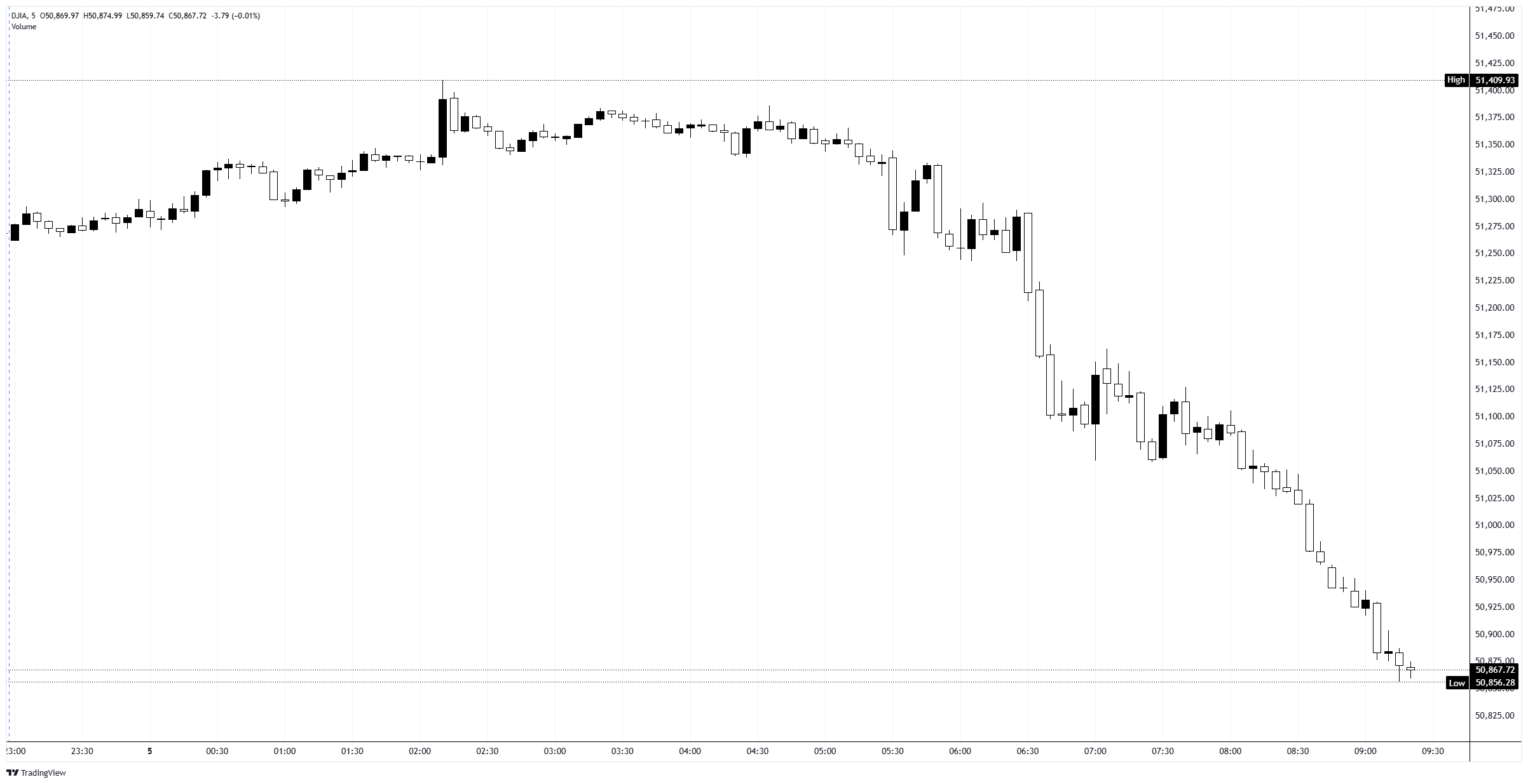
When investors ask what to expect for the Dow tomorrow, they are essentially looking for an outlook on how these 30 specific entities will perform under current market pressures. Because these firms—ranging from technology giants and financial institutions to consumer staples and industrial manufacturers—operate in diverse sectors, the index acts as a barometer for the overall health of the U.S. industrial economy. To gauge its direction for the upcoming session, traders look at the "futures" market, specifically the E-mini Dow futures, which trade nearly 24 hours a day and offer a glimpse into how institutional investors are positioning themselves before the opening bell.
Key Drivers Influencing Tomorrow’s Performance
Market volatility is rarely driven by a single event. Instead, it is usually the result of a confluence of factors that shift the supply-demand balance for equities. To form a reasonable expectation for the next trading day, you must monitor four primary pillars:
- Macroeconomic Data Releases: Scheduled reports such as the Consumer Price Index (CPI), Producer Price Index (PPI), and non-farm payroll data are the most significant triggers for market movement. If a report exceeds or falls short of analyst consensus, the Dow frequently reacts with immediate volatility.
- Federal Reserve Policy: The Federal Open Market Committee (FOMC) dictates the cost of capital. Any communication from Fed officials regarding interest rates, quantitative tightening, or economic growth forecasts acts as a primary catalyst for investor sentiment.
- Earnings Reports: During quarterly reporting cycles, the "earnings beat" or "miss" of a major Dow component—such as Goldman Sachs, UnitedHealth, or Microsoft—can disproportionately swing the index due to its price-weighted nature.
- Geopolitical and Systemic Risks: Unexpected developments in trade policy, international conflicts, or shifts in supply chain stability can induce "risk-off" sentiment, leading to broad sell-offs regardless of individual company fundamentals.
Analyzing Market Sentiment and Technical Indicators
Beyond fundamental news, technical analysis provides a framework for understanding potential price action. Market participants often look at support and resistance levels to determine where the Dow might encounter buying or selling pressure.
Support levels are price points where the index has historically stopped falling and started rising, often due to an influx of buyers who perceive the asset as undervalued. Resistance levels are the opposite: they represent price ceilings where selling pressure traditionally intensifies. While technical analysis cannot predict a specific point-value change, it provides a probabilistic boundary for the day’s potential movement.
Furthermore, indicators such as the CBOE Volatility Index (VIX)—often called the "fear gauge"—help gauge market nervousness. A rising VIX often correlates with downward pressure on the Dow, as investors increase their spending on hedging strategies.
Evaluating Market Indicators Table
| Indicator | Primary Impact on DJIA | Monitoring Frequency |
|---|---|---|
| E-mini Dow Futures | Immediate pre-market sentiment | Real-time (Active) |
| Federal Funds Rate | Long-term valuation trends | Monthly/FOMC Meetings |
| 10-Year Treasury Yield | Inverse relationship (usually) | Daily/Constant |
| VIX (Volatility Index) | Signifies market anxiety levels | Daily/Real-time |
| Corporate Earnings | Short-term price fluctuations | Quarterly |
The Role of Treasury Yields
In the current economic environment, the relationship between the Dow and the U.S. 10-Year Treasury yield is a critical focus. When the yield on government bonds rises, it often signals a higher cost of borrowing for companies and makes fixed-income assets more attractive relative to equities. This dynamic frequently creates a drag on the Dow, particularly for growth-oriented components within the index. If you observe bond yields spiking unexpectedly, it is common to see the Dow face selling pressure the following day.
Risk Management and Professional Guidance
Investing in the stock market involves substantial risk, including the loss of principal. "What to expect" is never a guarantee of performance. Market conditions can change in seconds based on breaking news, algorithmic trading, or institutional rebalancing.
Investors should differentiate between short-term noise and long-term strategy. If your objective is daily trading, you are competing against high-frequency algorithms and global institutional desks. For the average investor, the most effective approach is to maintain a diversified portfolio that is not overly reliant on the daily fluctuations of a single index. If you are uncertain about how to adjust your holdings in response to market conditions, consulting with a certified financial planner or a fiduciary investment advisor is a standard, prudent step. Financial professionals can help align your portfolio with your specific risk tolerance, time horizon, and long-term financial goals, rather than reacting to daily news cycles.
Frequently Asked Questions
Does the Dow Jones represent the whole economy? No. It tracks only 30 major U.S. corporations. While these companies are essential to the economy, they do not account for the thousands of small-to-mid-cap companies or the broader global market trends that shape the comprehensive economic landscape.
Why does the Dow futures market matter? Futures allow traders to bet on the price of the Dow before the physical market opens at 9:30 AM ET. Because these markets operate almost around the clock, they incorporate news events occurring overnight, effectively "pricing in" these events before the opening bell.
How do interest rates affect the Dow? Higher interest rates typically increase the cost of debt for corporations, which can reduce profit margins and lower corporate valuations. Consequently, when the Federal Reserve raises rates, the Dow often experiences downward pressure.
What is a price-weighted index? In a price-weighted index, companies with higher share prices have a greater impact on the index's value. If a company with a $300 stock price drops 5%, it drags the index down significantly more than a company with a $50 stock price dropping 5%.
Should I change my investment strategy based on daily Dow movements? Generally, no. Trying to time the market based on daily volatility is notoriously difficult and often results in lower returns due to transaction costs and missed opportunities during recoveries. Long-term strategies are usually more effective than reactive day-to-day trading.
Where can I find the most accurate economic calendar? Financial news outlets, the official U.S. Bureau of Economic Analysis (BEA) website, and the Federal Reserve’s board website provide accurate, real-time calendars for data releases and policy meetings that directly influence market expectations.
Conclusion: Taking Action
To effectively assess the Dow's potential for tomorrow, prioritize the economic calendar. Check for scheduled central bank announcements, significant corporate earnings reports, and primary economic indicators. Monitor the E-mini futures an hour before the opening bell to gauge market sentiment. Remember that market movements are often irrational in the short term and should rarely dictate changes to a well-considered, long-term financial plan.
Image Gallery