Does CVS Do Blood Work? Everything You Need to Know in 2026
Navigating routine wellness checks and diagnostic testing requires understanding where specific healthcare services are performed. When asking whether CVS does blood work, the short answer is yes, but the exact procedures, locations, a...
Navigating routine wellness checks and diagnostic testing requires understanding where specific healthcare services are performed. When asking whether CVS does blood work, the short answer is yes, but the exact procedures, locations, and requirements depend heavily on whether you visit a MinuteClinic inside a CVS store or an affiliated independent laboratory partner located on-site. As healthcare delivery models continue to evolve in 2026, retail health clinics have expanded their diagnostic capabilities, making it essential to know how to access these services efficiently.
Contents
Understanding CVS Health Diagnostic Services and Capabilities
The scope of blood work available through the CVS health ecosystem is divided between what nurse practitioners can order and collect directly at a MinuteClinic and what specialized diagnostic providers offer within the same retail footprint. Understanding this distinction prevents wasted trips and ensures your specific medical needs are met correctly.
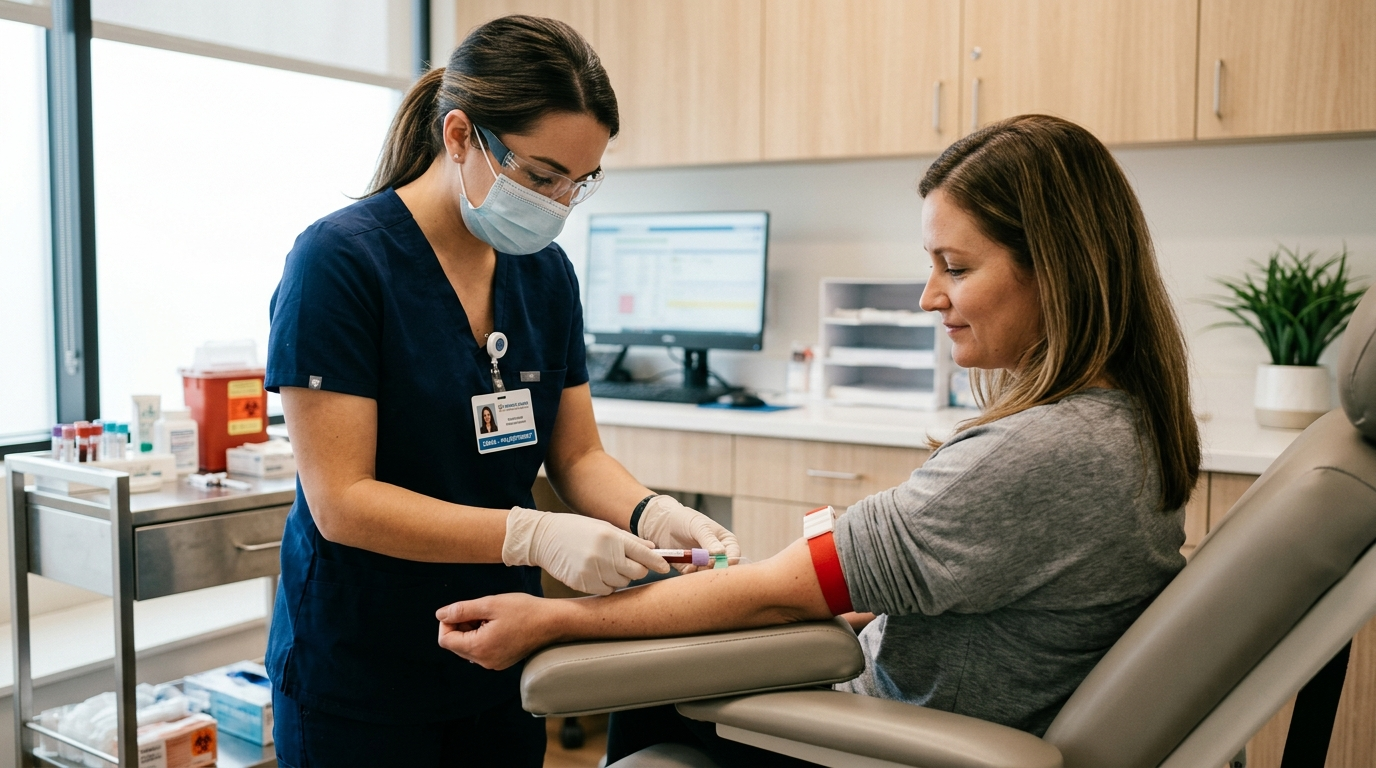
MinuteClinic locations staffed by nurse practitioners and physician assistants can evaluate, diagnose, and treat various conditions, and they frequently write orders for routine blood tests. However, the physical collection of blood samples often depends on the specific diagnostic partnership active at your local store.
- Routine Wellness Panels: Basic metabolic panels, lipid profiles, and thyroid function tests can be ordered following a clinical evaluation.
- Infectious Disease Screening: Rapid strep, influenza, mono, and certain antibody titers are collected and often processed on-site or sent to a reference lab.
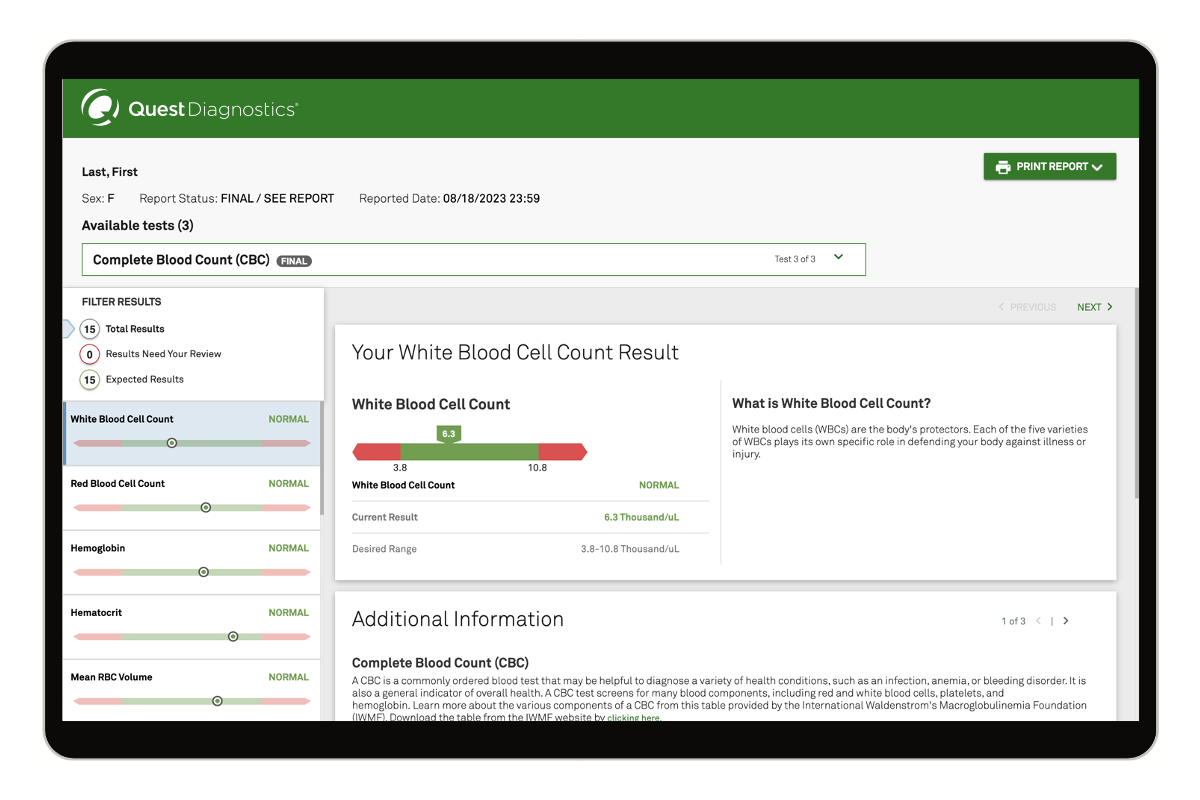
- Third-Party Lab Draws: Many CVS stores house or sit adjacent to patient service centers operated by national laboratory networks like Quest Diagnostics.
Types of Blood Tests Available at CVS Locations
Diagnostic testing ranges from preventative screening to monitoring chronic conditions. When utilizing CVS-affiliated health services for your blood work, several distinct testing categories are routinely available.
Preventative and Wellness Screenings
Routine annual wellness checks often require baseline biomarkers to assess cardiovascular health, metabolic function, and nutritional status. MinuteClinics provide consultations that result in lab orders for these standard profiles.
Chronic Disease Management
Patients managing ongoing conditions such as diabetes, hypertension, or hyperlipidemia frequently need periodic monitoring. HbA1c tests, comprehensive metabolic panels, and lipid checks help physicians track treatment efficacy over time.
Direct-to-Consumer Testing
Through partnerships with independent diagnostic platforms, consumers can purchase specific health panels online without a traditional physician visit, choosing a nearby CVS-affiliated patient service center for the physical blood draw.
Comparative Overview of Blood Draw Options at CVS
To determine the most efficient route for your diagnostic testing, compare the primary pathways available within the CVS ecosystem based on cost, turnaround time, and prerequisite requirements.
| Service Pathway | Primary Purpose | Physician Order Required? | Typical Turnaround Time | Insurance Billed Directly? |
|---|---|---|---|---|
| MinuteClinic Consultation | Symptom evaluation & clinical wellness screening | Yes (Provided by clinician on-site) | 2 to 5 Business Days | Yes (Most major health plans accepted) |
| On-Site Partner Lab (e.g., Quest) | Fulfilling external physician orders or direct purchases | Yes (Unless utilizing direct-to-consumer self-ordering) | 1 to 3 Business Days | Yes (Subject to network participation) |
| MinuteClinic Health Screening | Fast, point-of-care biometric testing (e.g., total cholesterol, glucose) | No | Immediate Results | Variable (Often cash-pay wellness fee) |
Clinical Advisor Note: Always verify your specific health insurance network directory before scheduling a blood draw at a retail facility. While national laboratory chains participate in most major PPO and HMO networks, out-of-pocket costs can vary significantly depending on your deductible status and pre-authorization rules for specialized diagnostic assays.
Step-by-Step Guide to Getting Your Blood Work Done at CVS
Preparing for a laboratory visit ensures accurate test results and minimizes administrative delays. Follow this structured roadmap to complete your blood work efficiently through CVS services.
- Determine Your Order Status: Check whether you already have a physical or electronic lab requisition form from your primary care physician, or if you plan to consult a MinuteClinic provider to obtain one.
- Verify Lab Partnerships at Your Local Store: Not every CVS store features a full-service patient service center or a MinuteClinic. Use the online store locator to filter specifically for locations offering clinical diagnostic services.
- Schedule an Appointment: While walk-ins are occasionally accepted, booking an appointment online via the MinuteClinic or partner laboratory scheduling portal drastically reduces wait times.
- Review Fasting Requirements: Depending on what tests are ordered—such as a lipid panel or fasting blood glucose—you may need to abstain from eating or drinking anything other than water for 8 to 12 hours prior to your blood draw.
- Bring Necessary Documentation: On the day of your appointment, bring a government-issued photo ID, your primary health insurance card, and the physical or digital copy of your doctor's lab order form.
- Access Your Results: Results are typically delivered directly to the ordering physician and are often made accessible to the patient through secure online health portals provided by the testing laboratory or CVS health account.
Pros and Cons of Utilizing CVS for Diagnostic Blood Draws
Weighing the operational advantages against potential limitations helps you decide whether a retail health setting is the right choice for your medical testing needs.
Advantages
- Extended Operating Hours: Unlike traditional hospital outpatient labs, CVS MinuteClinics and partner labs often offer evening and weekend availability.
- Geographic Convenience: With thousands of locations nationwide, finding a nearby diagnostic site is generally straightforward.
- Streamlined Access: Combining a clinical consultation and lab ordering into a single retail visit saves time for patients with busy schedules.
Limitations
- Scope Restrictions: Complex specialized testing, pediatric draws for very young children, or rare genetic assays are frequently restricted to major hospital medical centers.
- Variable Staffing: Availability of clinical personnel to perform evaluations can fluctuate based on local staffing shortages or regional health demands.
- Facility Variations: Services vary widely by store; a standard retail CVS pharmacy counter cannot perform blood draws without a dedicated clinic or partner lab space.
Frequently Asked Questions
Does CVS do blood work without a doctor's order?
You cannot receive insurance-covered diagnostic blood draws at a MinuteClinic without a clinical order, but direct-to-consumer testing options allow you to purchase certain wellness panels online without an independent physician's prescription. These direct-purchase panels are then fulfilled at an on-site partner lab within the CVS network.
How much does blood work cost at CVS MinuteClinic?
The cost of blood work depends entirely on your health insurance coverage, deductible status, and the specific panels ordered. If paying out-of-pocket without insurance, basic clinical consultation fees apply alongside separate laboratory processing fees charged by the testing facility.
Can I walk in for a blood draw at CVS, or do I need an appointment?
While some locations accommodate walk-in patients, scheduling an appointment online ahead of time is strongly recommended to guarantee service and minimize wait times. Walk-in availability depends entirely on daily clinician schedules and lab technician capacity.
How long do CVS blood test results take?
Most routine diagnostic test results are processed and delivered within two to five business days. Results are sent securely to your ordering physician, and patients can typically view them online through their patient portal accounts.
What should I bring to my CVS blood work appointment?
You must bring a valid photo ID, your current health insurance card, a form of payment for any applicable copays or out-of-pocket costs, and your physical or digital doctor's lab requisition form unless you utilized a direct-to-consumer testing platform.
Secure Your Diagnostic Testing Today
Ensuring your health metrics remain within optimal ranges is a cornerstone of preventative wellness and chronic disease management. If you require diagnostic testing or routine monitoring, review your insurance coverage, check local store capabilities, and schedule your appointment online today to experience streamlined, accessible healthcare within your community.
Image Gallery