How to Use the Change Last Name Service
Using a change last name service involves navigating a structured legal and administrative workflow to update your surname across government registries, identity documents, and private institutions. Whether the name change results from...
Using a change last name service involves navigating a structured legal and administrative workflow to update your surname across government registries, identity documents, and private institutions. Whether the name change results from marriage, divorce, or personal preference, completing the process requires adhering to strict jurisdiction-specific guidelines, submitting accurate documentation, and systematically notifying relevant agencies to ensure legal compliance and identity protection.
Contents
Understanding the Legal Framework of Name Changes
A legal name change is not merely a clerical update; it is a formal legal procedure that alters your identifier across official state and federal databases. Understanding the underlying legal framework helps prevent costly delays, rejections, or legal complications.
Legal Grounds for Changing Your Last Name
In most jurisdictions, adults possess a common-law right to use any name they choose, provided the change is not undertaken for fraudulent purposes, to avoid debts, or to evade law enforcement. The most common legal triggers include:
- Marriage: Most jurisdictions provide a simplified administrative process allowing individuals to adopt a spouse's surname or hyphenate their last names upon presentation of a valid marriage certificate.
- Dissolution of Marriage (Divorce): A divorce decree frequently includes a provision allowing a party to restore a former name, such as a maiden name, without filing a separate legal name change petition.
- Court-Ordered Name Change: For reasons unrelated to marriage or divorce—such as personal preference, religious conversion, or escaping domestic abuse—individuals must petition a local court, publish notice of the intent in a local newspaper in some areas, and attend a judicial hearing.
Jurisdiction and Territorial Scope
Name change procedures are strictly local, governed by state, provincial, or national laws depending on your country of residence. For example, in the United States, name changes are handled at the state or county level, meaning the exact forms, filing fees, and residency requirements vary significantly depending on where you live. Always verify the rules established by your local vital statistics office, county clerk, or equivalent governing body before initiating the service.
Prerequisites and Document Preparation
Before engaging any online service or visiting a government office to process your surname update, you must assemble a comprehensive packet of foundational documents. Incomplete applications represent the primary cause of processing delays.
Required Identity Documents
You will generally need to present primary and secondary proofs of identity, both in your current (former) name and your new name. Essential documents typically include:
- Current Government-Issued Photo ID: A valid passport, driver's license, or state identification card.
- Birth Certificate: Certified copies issued by the vital statistics agency of your birth jurisdiction.
- Name Change Foundation Document: The legal instrument authorizing the change—such as an original or certified copy of a marriage certificate, a finalized divorce decree containing a restoration clause, or a court order signed by a judge.
- Social Security Card or National Insurance Number: Documentation proving your tax identification number, which must be updated as an early step in the sequence.
Certified Copies vs. Photocopies
Government agencies and financial institutions almost universally reject standard photocopies of vital records like marriage certificates and court orders. You must obtain official, certified copies bearing a raised seal or stamped certification from the issuing court or vital records office. It is advisable to order multiple certified copies, as several agencies require you to mail or surrender the physical document during verification.
Step-by-Step Guide to Using Name Change Services
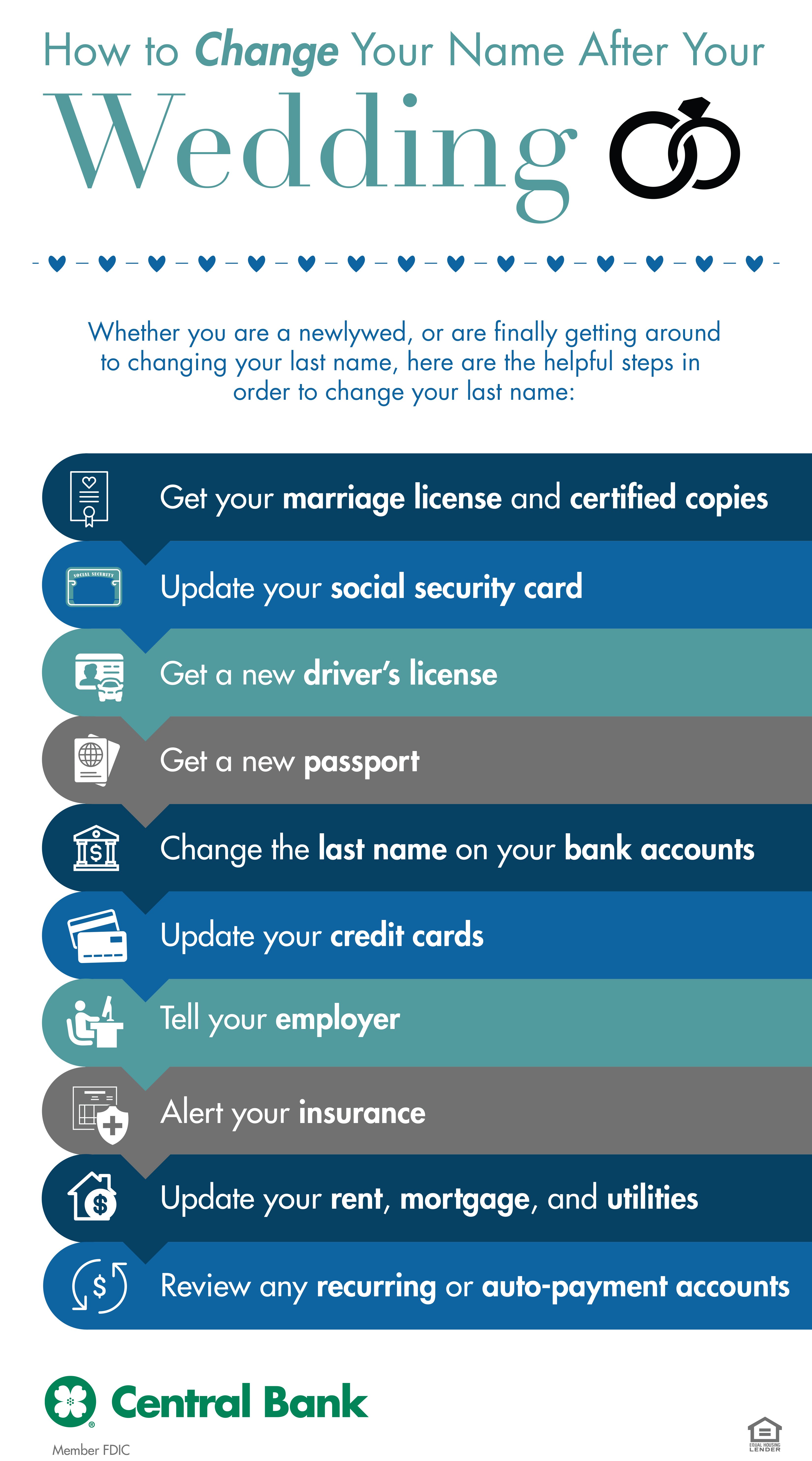
While some individuals navigate the paperwork independently, many utilize specialized digital name-change concierge services or official government web portals to streamline the notification and form-generation process. The following phased approach outlines the standard lifecycle of utilizing a name change service effectively.
- Phase 1: Legal Authorization
- Phase 2: Vital Record & SSN Update
- Phase 3: Identity Document Update (ID/Passport)
- Phase 4: Financial & Institutional Notification
Phase 1: Securing the Legal Foundation
Ensure your name change is fully finalized and legally binding. If you are using a commercial name-change software or web service, complete their initial intake questionnaire. This questionnaire collects your old name, new name, address, and the legal reason for the change to auto-populate the necessary state or federal forms.
Phase 2: Updating Primary Federal and National Registries
You cannot successfully update bank accounts or employment records until you have updated your primary identity registry.
- Tax and Social Security Administration: File the application to update your Social Security card (or national equivalent). You will need to submit your certified marriage certificate or court order along with your current photo ID.
- Immigration and Citizenship Services: If you hold permanent residency, visas, or citizenship papers, submit the appropriate amendment forms to federal immigration authorities to ensure your immigration status aligns with your new legal identity.
Phase 3: Amending Identity Documents
Once your primary national registry is updated, proceed to update documents used for travel and driving privileges.
- Driver’s License and State ID: Visit your local motor vehicle agency (DMV or equivalent). Bring your updated Social Security card (or receipt showing it is being processed), your certified marriage certificate or court order, and your current driver’s license.
- Passport: Submit Form DS-82 or Form DS-11 (depending on your passport’s issuance date and validity) along with your current passport, a color passport photo, the fee, and your certified name-change document to the passport agency.
Phase 4: Notifying Financial Institutions and Utilities
With your new ID and Social Security card in hand, systematically update your private accounts. This is where dedicated name-change concierge services provide significant value by automatically generating notification letters, emails, or fax templates for banks, credit card issuers, insurance providers, and utility companies.
| Institution Type | Primary Document Required | Recommended Notification Method | Priority Level |
|---|---|---|---|
| Banks & Lenders | New Driver's License, Marriage/Court Order | In-Person or Secure Online Portal | High |
| Credit Card Issuers | New Credit Card / Statement, ID | Phone or Secure Web Form | High |
| Employers / Payroll | Updated Social Security Card | Human Resources Portal / W-4 Update | High |
| Insurance Providers | Policy Number, Marriage/Court Order | Customer Service / Agent Submission | Medium |
| Utilities & Subscriptions | Account Number, Recent Bill | Online Account Settings | Low |
Costs, Fees, and Financial Considerations
Budgeting for a name change involves accounting for multiple distinct fee categories. Failing to anticipate these expenses can stall your progress midway through the workflow.
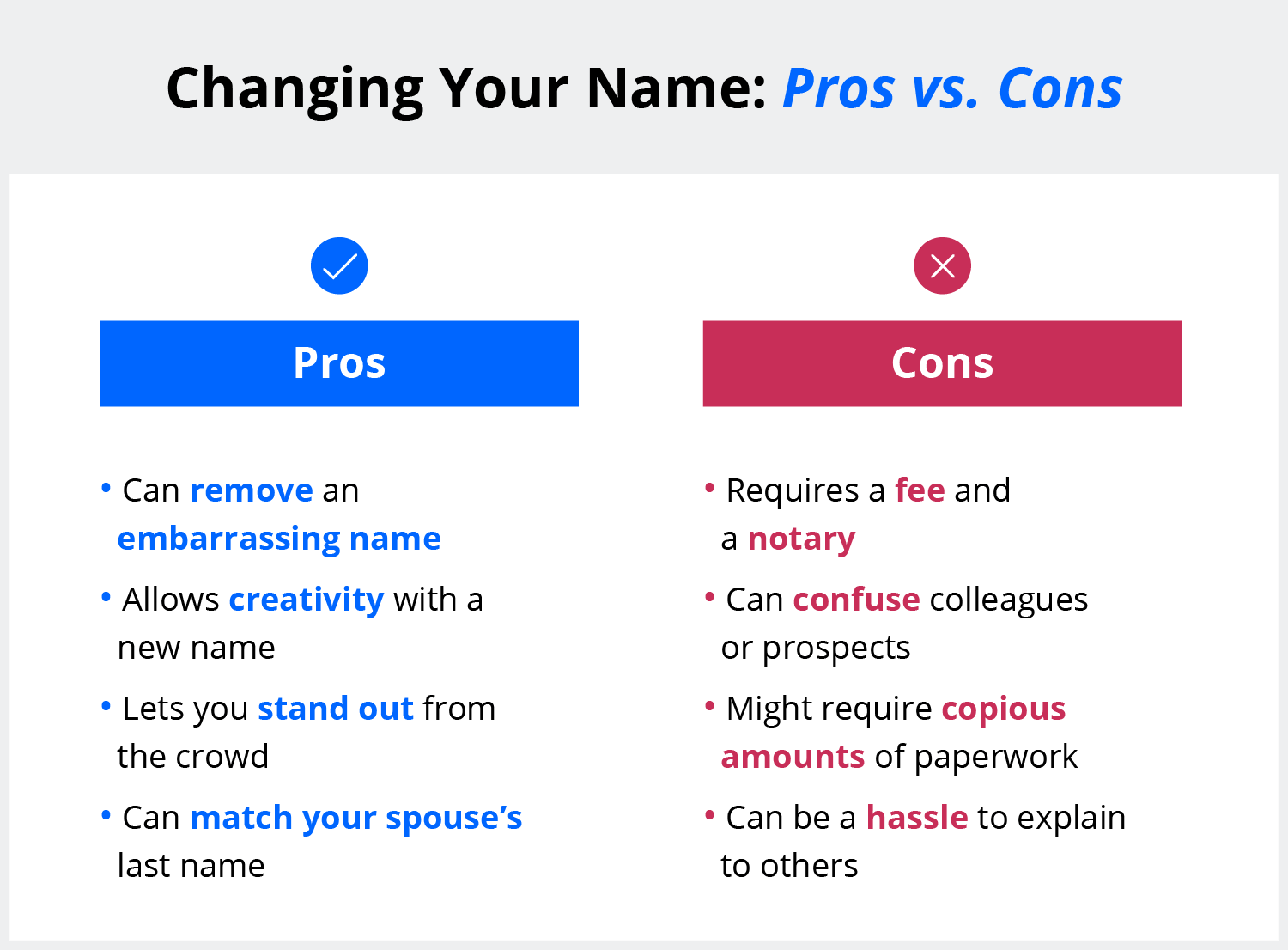
- Court and Filing Fees: If you are changing your name via a court petition, filing fees vary widely by jurisdiction, typically ranging from $150 to over $400. Marriage license fees often include the initial recording of the name-change election.
- Certified Document Fees: Vital statistics offices charge a fee for each certified copy of a marriage certificate, birth certificate, or divorce decree, usually between $15 and $50 per copy.
- Identity Document Replacement Fees: Expect to pay standard replacement fees for new driver’s licenses, state IDs, and passports. Expedited passport processing incurs additional surcharges.
- Commercial Service Subscriptions: If you choose to use a paid online name-change concierge service to automate document generation and notification letters, subscription fees typically range from $30 to $100 depending on the level of automation and customer support included.
Common Mistakes and Troubleshooting
Navigating name changes frequently exposes applicants to administrative pitfalls. Recognizing these errors in advance prevents prolonged identity mismatches.
Mismatched Payroll and Tax Records
One of the most frequent administrative errors occurs when individuals update their bank accounts or utility bills but fail to update their employer's payroll system or the Social Security Administration. If your employer's W-2 tax form does not match the name registered with tax authorities, it can delay tax refunds and trigger automated government audits. Always prioritize updating federal tax registries before notifying employers.
Traveling Under Conflicting Names
If you have booked international travel under your maiden name but have already updated your passport to your married name—or vice versa—you may be denied boarding by airline security. Ensure that the name on your airline ticket matches the exact name on the passport you present at the security checkpoint. If travel is imminent, postpone updating your travel documents until after the trip is completed.
Failing to Secure Adequate Certified Copies
Many applicants order only a single certified copy of their marriage certificate or court order, expecting to mail it to one agency, wait for its return, and mail it to the next. In practice, many agencies retain physical documents or process requests slowly, bringing your entire notification sequence to a standstill. Always order at least three to five certified copies at the outset.
Frequently Asked Questions
Can I use an online name change service instead of going to court?
Online name-change services cannot bypass the legal court system if your name change requires a judicial order (such as a personal preference change). However, these services streamline the process by generating the correct court petitions, compiling local filing instructions, and automating the notification letters sent to banks and utilities once your legal name change is complete.
How long does the entire name change process take?
The timeline varies based on your jurisdiction and the complexity of the change. Court-ordered name changes can take anywhere from six weeks to several months due to mandatory waiting periods and hearing dates. Simple updates via marriage certificates can be initiated immediately, but updating all financial, governmental, and employment accounts typically takes four to eight weeks of active administration.
Do I have to change my last name when I get married?
No. Changing your last name upon marriage is entirely optional in almost all modern jurisdictions. You may choose to keep your birth name, adopt your spouse's name, combine your names into a hyphenated surname, or create an entirely new combined surname depending on state or provincial laws.
What happens to my credit history and credit score when I change my name?
Your credit history is tied to your Social Security number and personal identifying information, not your name alone. When you update your name with the Social Security Administration and subsequently notify credit bureaus and lenders, your credit file is updated to reflect your new name while seamlessly preserving your existing credit score and historical data.
Can men change their last name to match their wife's name?
Yes. Spouses of any gender generally possess equal legal rights to adopt each other's surnames, hyphenate their names, or establish a new family surname upon marriage, utilizing the same administrative marriage certificate procedures or standard court-petition pathways.
Practical Next Actions
- Verify Your Legal Basis: Confirm whether your name change qualifies for a streamlined administrative update (via marriage or divorce) or requires a formal court petition.
- Order Certified Documents: Contact your local vital statistics office or issuing court to purchase at least three certified copies of your marriage certificate, divorce decree, or name-change order.
- Update Primary Registries First: Schedule an appointment with your national social security or tax identification office before attempting to update bank accounts or driver's licenses.
Image Gallery