Why the Right Gua Sha Tool Matters for Your Skin: A Comprehensive Guide to Material, Shape, and Safety
Choosing the right gua sha tool is a critical decision that directly influences the safety, efficacy, and comfort of your facial massage routine. Because gua sha involves repetitive friction against delicate facial tissues, the materia...
Choosing the right gua sha tool is a critical decision that directly influences the safety, efficacy, and comfort of your facial massage routine. Because gua sha involves repetitive friction against delicate facial tissues, the material composition, edge curvature, and surface finish of your tool determine whether you achieve therapeutic benefits or inadvertently cause skin irritation, micro-tearing, or adverse reactions. By selecting a tool tailored to your skin’s specific needs and your anatomical features, you ensure that every stroke optimizes lymphatic drainage and muscle tension release without compromising the integrity of your skin barrier.
Contents
The Science of Material Selection: Beyond Aesthetics
While many gua sha tools are marketed based on the metaphysical properties of gemstones like rose quartz, jade, or amethyst, the primary concern from a dermatological perspective is surface porosity and non-reactivity.
Natural stones, when polished correctly, are non-porous. This is essential for hygiene; a porous tool can harbor bacteria, oils, and dead skin cells, which may lead to breakouts when reintroduced to the skin during subsequent uses. When purchasing a tool, examine the surface for "pitting"—small, crater-like holes. Even if a stone is naturally non-porous, low-quality manufacturing can leave micro-fissures in the crystal structure where contaminants settle.
In contrast, medical-grade stainless steel has emerged as a superior alternative for users concerned with sanitation and durability. Unlike stone, which can chip or shatter if dropped on a hard bathroom tile, stainless steel is shatterproof and possesses a perfectly smooth, non-porous finish. Furthermore, stainless steel retains its temperature, allowing for a sustained cooling effect that can assist in reducing puffiness more effectively than porous, room-temperature stones.
Anatomical Design: Why Shape Dictates Function
The face is not a flat plane; it is a complex landscape of contours, depressions, and varying bone densities. A single, generic tool shape is rarely optimal for all areas of the face. Understanding how different edges map to your facial anatomy is essential for avoiding improper pressure.
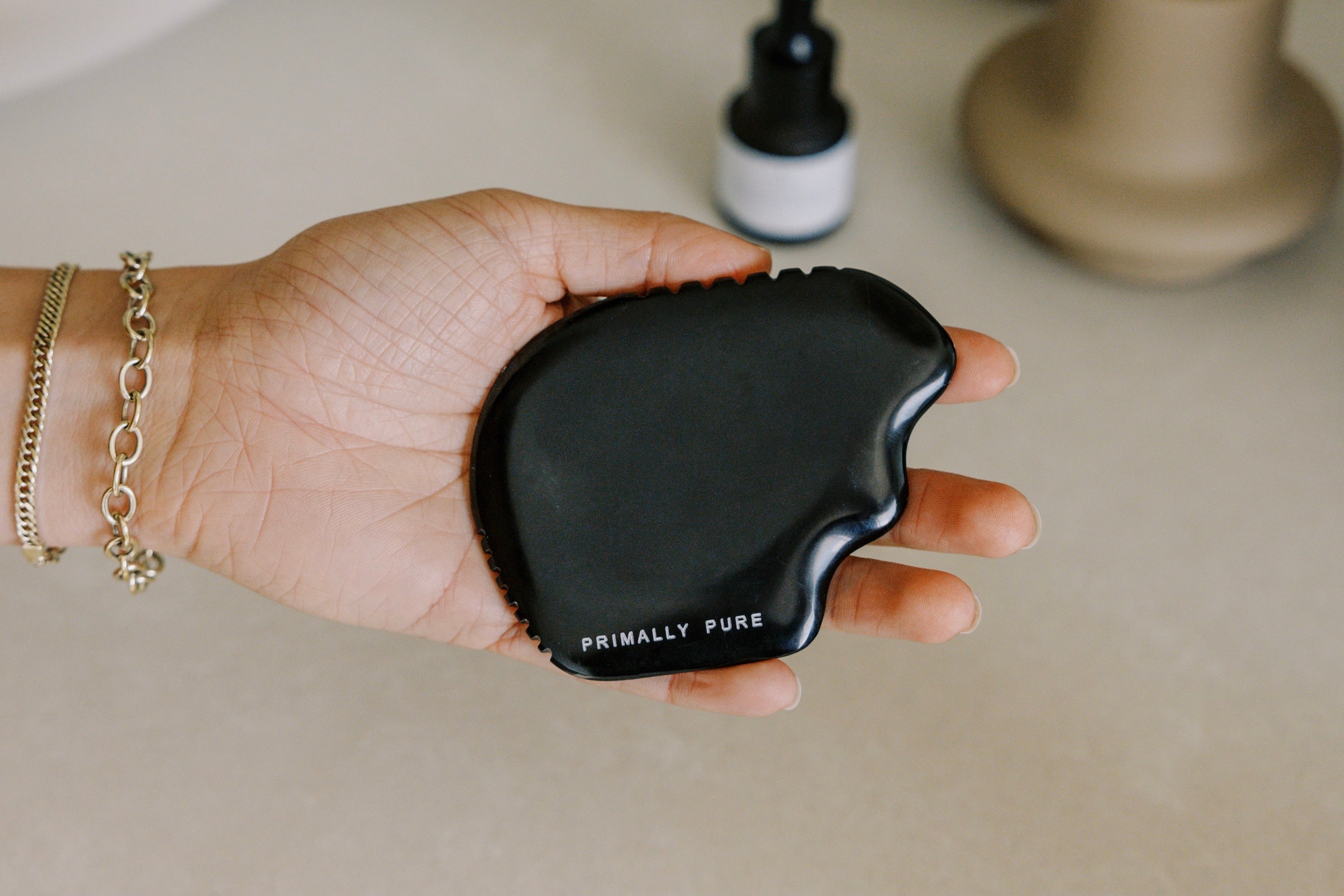
- The U-Shaped Notch: Typically designed for the jawline, neck, and brow bone. This notch allows the tool to "hug" the bone structure, ensuring that the pressure is evenly distributed across the contour rather than localized on a single point.
- The Long, Smooth Edge: Ideal for broad surfaces like the cheeks and forehead. This edge covers more surface area, which helps in stimulating circulation across larger lymphatic pathways.
- The Pointed/Small End: Engineered for delicate areas such as the under-eye region or the acupressure points around the nose. Using a large, flat edge in these areas is often ineffective and can lead to excessive pulling of the skin around the eyes, which is thinner and more susceptible to damage.
When the tool's shape does not align with the facial contour, users often compensate by pressing harder, which is a common error that leads to bruising or broken capillaries.
Material Comparison Matrix
| Material | Hygiene Level | Durability | Thermal Retention | Ideal For |
|---|---|---|---|---|
| Jade (Nephrite) | High | Moderate (Can chip) | Moderate | Traditionalists, sensitive skin |
| Rose Quartz | High | Low (Fragile) | Moderate | Cooling, lymphatic massage |
| Stainless Steel | Very High | High (Shatterproof) | Excellent | Acne-prone skin, travel, hygiene |
| Resin/Plastic | Low | High | None | Budget-conscious, beginners |
Preventing Common Mistakes: Technique and Pressure
The most significant risk in gua sha is not necessarily the tool itself, but the lack of "slip" and the application of excessive force. Even the most expensive, ergonomically perfect tool will damage your skin if used without a proper medium.
You must apply a high-quality facial oil before beginning your massage. This acts as a buffer, reducing the coefficient of friction and allowing the tool to glide over the skin without tugging. A "dry" massage, or one performed with insufficient oil, can cause mechanical irritation.
Furthermore, gua sha is not intended to be a deep-tissue massage in the same sense as bodywork. The pressure should be light—often described as the weight of a feather. If you notice persistent redness or "petechiae" (small, red spots under the skin), you are applying too much pressure or moving the tool too quickly. Over time, chronic over-stimulation can lead to skin thinning or inflammation.
Considerations for Sensitive and Acne-Prone Skin
If your skin is prone to acne, you must be hyper-vigilant regarding tool sanitation. Bacteria can easily be transferred from an infected lesion to a healthy pore via a contaminated tool. In this instance, stainless steel is the standard recommendation because it can be sanitized with high-grade alcohol or soap and water without risk of the material cracking or absorbing product residue.
For those with rosacea or extreme sensitivity, the cooling sensation of a tool that has been kept in a refrigerator can be highly beneficial for vasoconstriction, which helps reduce the appearance of redness. However, avoid using gua sha over active, inflamed breakouts or open lesions, as the movement can spread bacteria and exacerbate inflammation.
FAQ: Common Questions Regarding Gua Sha Tools
Does the stone type really impact the results? From a clinical efficacy standpoint, no. The benefits of gua sha—increased circulation and lymphatic flow—are derived from the physical technique and the shape of the tool, not the mineral composition. Choose a material based on your skin's specific needs regarding hygiene, temperature, and durability.
How often should I clean my gua sha tool? You should clean your tool before and after every single use. Use a gentle, pH-balanced cleanser to remove residual facial oils. If you use a stone tool, ensure you dry it completely to prevent mineral buildup or bacterial growth in microscopic pores.
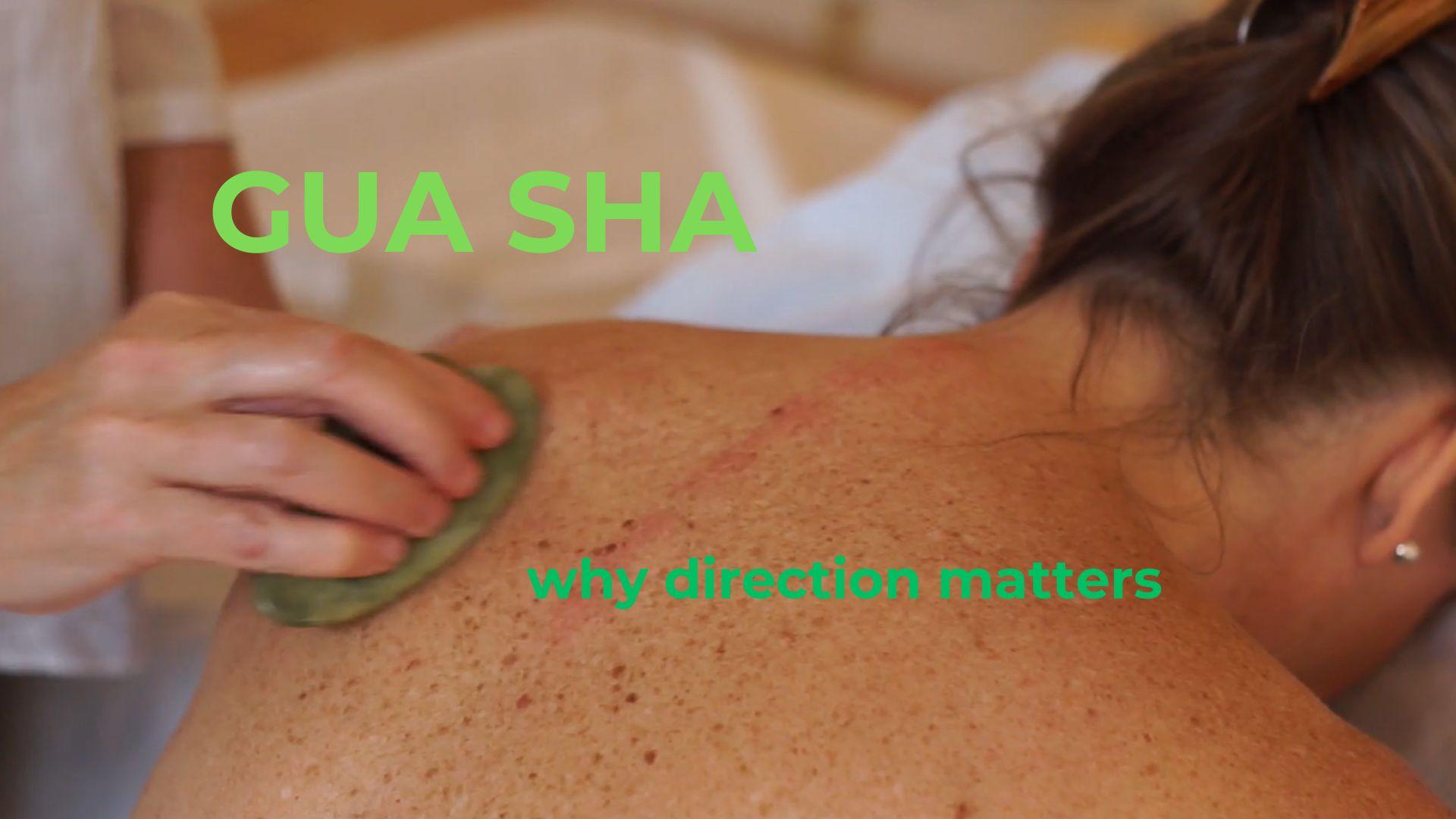
Can I use the same tool for my face and body? While you can, it is generally discouraged for hygiene reasons. Body gua sha often involves firmer pressure and covers areas with different bacterial profiles. It is best to maintain a dedicated facial tool to ensure the skin on your face remains protected from potential irritants.
Is it normal to see marks on my face after gua sha? No. While "sha" refers to the redness or bruising often seen in body gua sha (a traditional healing technique), the facial version should be significantly more delicate. Any bruising on the face is an indication of over-treatment or incorrect technique.
Can gua sha help with facial wrinkles? Gua sha can improve the appearance of the skin by temporarily increasing blood flow, which may give the skin a "plumper" look. While it can assist in relaxing tense facial muscles—which may help soften expression lines—it is not a replacement for medical treatments aimed at collagen production or structural volume loss.
Establishing Your Routine
Before selecting your tool, assess your skin type and your ability to maintain the equipment. If you are prone to dropping items, avoid fragile crystals and opt for stainless steel or a highly durable, polished gemstone. If you have sensitive skin, prioritize materials with a high degree of smoothness to minimize friction.
Begin by integrating your tool into your evening routine 2 to 3 times per week. Observe how your skin reacts; if you experience persistent irritation, pause the practice. Consistent, gentle movement is far more effective for skin health than infrequent, intense sessions. By selecting a tool that aligns with your specific skin requirements and committing to proper hygiene and lubrication, you turn a simple beauty ritual into an effective, low-risk component of your long-term skin health strategy.
Image Gallery