Understanding The General Trust Life Insurance Company: A Comprehensive Guide
The General Trust Life Insurance Company, often identified within specific regional insurance markets or historical financial contexts, provides various risk management and life protection products. Determining the company's current st...
The General Trust Life Insurance Company, often identified within specific regional insurance markets or historical financial contexts, provides various risk management and life protection products. Determining the company's current status and policy offerings requires evaluating its licensing, product portfolio, and the specific financial protections it extends to policyholders navigating long-term estate planning or personal security.
Contents
Core Identity and Market Positioning
The General Trust Life Insurance Company operates within the competitive landscape of life protection and trust-based financial planning. Understanding its market position requires recognizing the difference between a direct life insurer and a trust-backed financial entity. In many cases, organizations carrying similar nomenclature are structured to align death benefit payouts with formal trust instruments, ensuring that beneficiaries receive assets under specific legal conditions rather than as lump-sum distributions.
For prospective policyholders and those researching existing contracts, the primary intent is often to verify the solvency, claim-handling reputation, and the specific mechanism by which the insurance company interacts with trust documentation. As of 2026, the industry standard for such companies involves rigorous compliance with state-level insurance commissioners and adherence to the regulatory frameworks governing life insurance reserves.
Evaluating Policy Offerings and Financial Structure
When analyzing the products provided by the company, it is essential to distinguish between standard term life insurance and complex whole-life or universal policies tied to trust management.
- Term Life Insurance: Typically offers coverage for a set period, providing a death benefit if the insured passes during the term. This is the most straightforward product, generally utilized for income replacement.
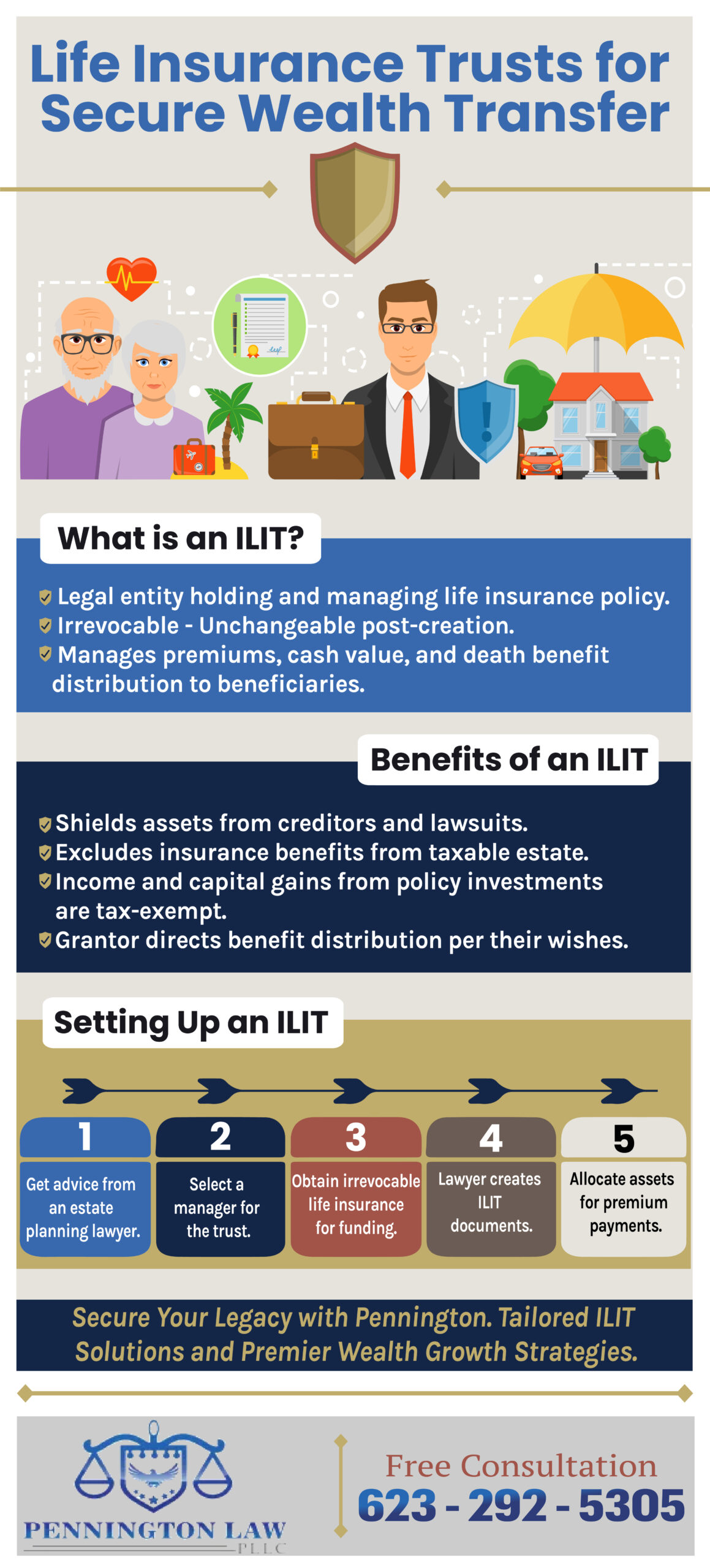
- Whole Life and Permanent Coverage: These policies include a cash-value component. In the context of a "trust" insurer, these products are often designed to be owned by an Irrevocable Life Insurance Trust (ILIT) to mitigate estate tax exposure.
- Trust-Linked Payouts: Unlike standard policies, these products may have specific riders or directives that mandate the transfer of funds directly into a pre-established trust, governed by the terms set forth by the grantor.
Operational Requirements and Eligibility
Securing coverage through an entity focused on trust-based insurance involves more than just a medical underwriting process. Applicants are typically required to demonstrate the existence of a valid legal entity—the trust—that will act as the owner or beneficiary of the policy.
- Documentation Verification: Prospective clients must provide the Trust Agreement (or at least the declaration page) to ensure the insurer can properly align the policy design with the trust’s objectives.
- Underwriting Standards: As with any life insurance provider, health history, age, and occupation remain the primary variables in calculating premiums. However, for trust-based policies, the insurer may also scrutinize the liquidity available within the trust to pay recurring premiums.
- Regulatory Compliance: Ensure that the specific office or subsidiary of the insurance company is licensed to do business in your state of residence. State insurance departments provide "Company Lookup" tools that confirm whether an entity is authorized to sell life insurance products in a specific jurisdiction.
Comparison of Insurance Product Features
When considering a policy from a trust-focused insurer versus a traditional retail insurance carrier, the following table highlights the operational differences.
| Feature | Standard Retail Insurer | Trust-Integrated Insurer |
|---|---|---|
| Primary Beneficiary | Individual/Entity named by owner | The Trust (Trustee as owner) |
| Asset Distribution | Lump-sum to individual | Governed by Trust Indenture |
| Estate Planning | Included in taxable estate | Generally excluded (if structured correctly) |
| Underwriting Focus | Purely mortality risk | Mortality risk + Trust capacity |
| Administrative Cost | Lower (Retail-driven) | Higher (Legal oversight required) |
Legal and Financial Considerations for Policyholders
Engaging with a specialized life insurance company necessitates a clear understanding of the legal landscape. Life insurance is a foundational tool in estate planning, but it is not a substitute for legal advice.
The primary risk for policyholders is misalignment between the policy and the trust document. If the insurance policy’s beneficiary designation does not perfectly mirror the instructions in the trust, the proceeds may be subject to probate, defeating the purpose of creating the trust in the first place. Always consult with a licensed attorney specializing in estate law when coordinating insurance policies with trust documents. Furthermore, financial advisors should verify the "A.M. Best" or similar credit rating of the insurer to ensure that the entity has the financial strength to meet long-term obligations, which is critical for policies intended to remain in force for decades.
Troubleshooting Common Policy Issues
Policyholders occasionally encounter difficulties regarding beneficiary changes, premium adjustments, or trust documentation updates. If you find your documentation is outdated or the insurer is not recognizing a change in the trust structure, follow these steps:
- Review the Policy Contract: The "General Provisions" section of your policy document will detail how beneficiary changes or ownership transfers must be executed.
- Contact the Underwriting or Policy Services Department: Standard customer service lines are often unable to manage complex trust-related changes. Request to speak with the "Trust Department" or a policy analyst familiar with fiduciary accounts.
- Draft a Letter of Instruction: Any change to the status of a trust-owned policy should be accompanied by a formal Letter of Instruction signed by the Trustee.
- Escalation: If the insurer fails to acknowledge valid changes, contact your state’s Department of Insurance to file a formal inquiry regarding the carrier’s adherence to their own stated administrative guidelines.
Frequently Asked Questions
Does the General Trust Life Insurance Company offer policies directly to individuals? Many specialized trust insurance entities operate exclusively through licensed financial advisors or estate planning attorneys. If you cannot locate an online retail portal, it is likely that the company prefers a brokered model where a professional ensures the policy design meets your specific estate planning needs.
Are trust-owned insurance policies protected from creditors? Generally, if a policy is properly held within an irrevocable trust, it may offer significant protection from the insured’s creditors. However, this is highly dependent on state law and the specific language of the trust instrument. You must review this with an attorney licensed in your jurisdiction.
How do I update the Trustee on my policy? Updating a Trustee is a formal legal process. You must submit a "Change of Trustee" form to the insurance company along with the updated pages of the Trust Agreement that document the transition. The insurer will then update their records to ensure the new Trustee has the authority to make decisions regarding the policy.
What happens if the insurance company changes ownership? Insurance companies are occasionally acquired or merged. If your policy is transferred to another carrier, you should receive a formal notification via mail. Your existing policy terms, premiums, and death benefits remain protected under the original contract, though the administrative point of contact may change.
Can I move an existing policy into a trust? Yes, this is a common practice known as a transfer of ownership. You will need to complete an absolute assignment form. Note that for federal tax purposes, transferring an existing policy into an irrevocable trust can trigger specific rules regarding the "three-year rule" for estate tax inclusion, necessitating professional tax guidance.
Next Steps for Policyholders
If you are currently evaluating a policy with this company, start by requesting a current "In-Force Illustration." This document will provide you with a projection of your policy's future performance based on current premium payments and interest rates. If you are a beneficiary or trustee, verify that the insurance company has your most recent contact information and that you have a secure, digital copy of the policy contract stored alongside the trust documentation. For active management, schedule an annual review with your financial advisor to ensure the coverage level remains appropriate for your evolving estate plan.
Image Gallery