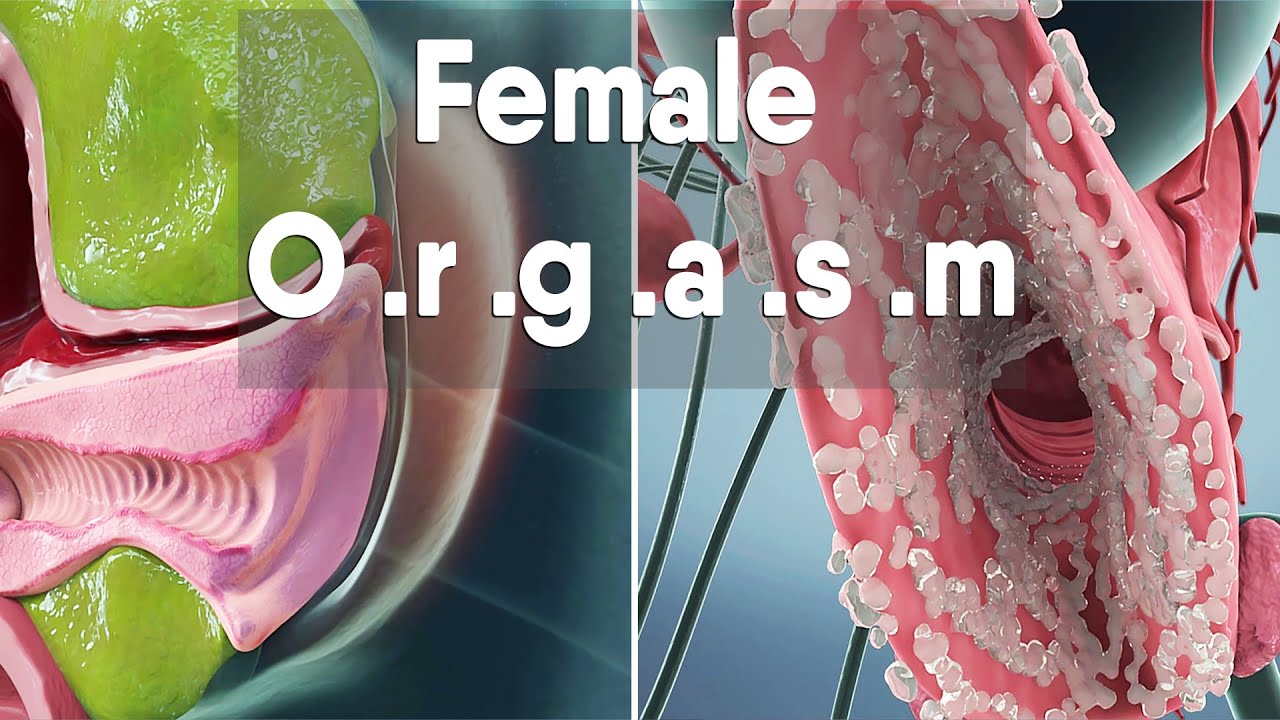
The Secret Orgasm Phenomenon Explained: Mechanics, Science, and Types
The secret orgasm phenomenon refers to climaxes that occur without traditional genital stimulation, often manifesting during sleep, intense physical exercise, or through mental focus alone. These experiences, including nocturnal emissi...
The secret orgasm phenomenon refers to climaxes that occur without traditional genital stimulation, often manifesting during sleep, intense physical exercise, or through mental focus alone. These experiences, including nocturnal emissions and "coregasms," result from complex neurological pathways and involuntary muscle contractions that bypass the standard external arousal triggers most commonly associated with sexual activity.
Contents
While mainstream discussions of human sexuality often focus on manual or penetrative stimulation, the human body is capable of reaching a peak state of physiological arousal through various alternative channels. As of 2026, advances in neuroimaging and pelvic health research have demystified these "secret" experiences, categorizing them into distinct biological and psychological events. Understanding these phenomena requires looking beyond the surface-level mechanics and exploring the deep connection between the nervous system, the pelvic floor, and the brain’s reward centers.
The Physiology of Non-Traditional Arousal
To understand how an orgasm can occur "secretly" or without direct touch, one must first understand the autonomic nervous system. Arousal is governed by a delicate balance between the sympathetic and parasympathetic nervous systems. While we often think of the brain as the "control center," the pelvic region contains a dense network of nerves—including the pudendal, pelvic, and vagus nerves—that can transmit signals of pleasure and climax independently of one another.
Research in the mid-2020s has highlighted that the brain does not always require a "bottom-up" signal from the genitals to register an orgasm. In cases of mental or "brain-based" orgasms, the cognitive centers of the brain can stimulate the release of dopamine, oxytocin, and prolactin, mimicking the chemical cascade of a physical climax. This neurological loop explains why individuals can experience intense pleasure during meditation or deep relaxation, even in the absence of physical contact.
Nocturnal Orgasms: The Science of Sleep Climax
Perhaps the most common form of the secret orgasm is the nocturnal orgasm, frequently referred to as "wet dreams" in males and sleep orgasms in females. Historically, these were often dismissed as a byproduct of puberty, but modern data suggests they persist throughout adulthood for many individuals.
The Role of REM Sleep
Nocturnal orgasms primarily occur during the Rapid Eye Movement (REM) stage of sleep. During REM, the body experiences increased heart rate, irregular breathing, and—most importantly—increased blood flow to the pelvic region. This vasocongestion is a natural part of the sleep cycle and is not always tied to erotic dreaming. However, when this physical state coincides with specific dream content or simply reaches a threshold of sensitivity, the body may trigger an involuntary climax.
Prevalence and Statistics
Research from the Kinsey Institute and subsequent longitudinal studies in the 2020s indicate that approximately 37% of women experience at least one nocturnal orgasm by age 45. For men, the prevalence is higher during adolescence but continues at a rate of 5-10% in adult populations, depending on sexual frequency and hormonal levels. These events are a healthy sign of a functioning reproductive and nervous system.
The "Coregasm": Exercise-Induced Orgasms (EIO)
The term "coregasm" was popularized by researcher Dr. Debby Herbenick and refers to Exercise-Induced Orgasms (EIO) or Exercise-Induced Sexual Pleasure (EISP). This phenomenon occurs during physical exertion, typically involving the abdominal muscles, and is entirely unrelated to sexual thoughts or fantasies.
Why Exercise Triggers Pleasure
The primary driver behind the coregasm is the intense activation of the pelvic floor and lower abdominal muscles. When the "deep core" is engaged—specifically the transversus abdominis—it can put pressure on internal structures or stimulate the pelvic nerves. Common exercises associated with this phenomenon include:
- The Captain’s Chair: Leg raises performed while suspended by the arms.
- Abdominal Crunches: Particularly high-repetition or high-intensity sets.
- Yoga and Pilates: Movements that require sustained pelvic floor engagement.
- Rope Climbing: A classic trigger due to the combination of inner-thigh friction and core stabilization.
The secret nature of the coregasm often leads to confusion or embarrassment, but it is a purely mechanical response to muscle tension. In the fitness community of 2026, it is increasingly recognized as a normal, albeit infrequent, physiological reaction to specific types of training.
The Vagus Nerve: A Secret Pathway to the Brain
One of the most significant breakthroughs in understanding the "secret" orgasm involves the vagus nerve. Unlike the pudendal nerve, which carries sensations from the external genitals to the lower spine, the vagus nerve travels from the brainstem down to the internal organs, including the cervix and uterus, bypassing the spinal cord entirely.
This "secret pathway" explains how individuals with complete spinal cord injuries (paraplegia or quadriplegia) are still able to experience orgasms. Because the vagus nerve remains intact, it can transmit signals of internal stimulation directly to the brain. This discovery has revolutionized our understanding of human pleasure, proving that the body has redundant systems to ensure the brain can receive signals of climax even when primary pathways are compromised.
Comparing Types of "Secret" Orgasms
The following table outlines the differences between the various phenomena often grouped under the "secret orgasm" umbrella.
| Type | Primary Trigger | Primary Mechanism | Arousal Source |
|---|---|---|---|
| Nocturnal Orgasm | REM Sleep | Pelvic Vasocongestion | Involuntary/Physiological |
| Coregasm (EIO) | Core Exercise | Muscle Tension/Nerve Stimulation | Mechanical/Physical |
| Mental Orgasm | Meditation/Focus | Neurochemical Cascade | Cognitive/Psychological |
| Vagus Nerve Orgasm | Internal Stimulation | Vagus Nerve Bypass | Neurological/Internal |
| Breathwork Orgasm | Hyperventilation/Rhythm | Oxygen Levels/Altered State | Physiological/Somatic |
Psychological and Societal Context
The "secret" aspect of these phenomena is often cultural rather than biological. In many societies, the standard definition of an orgasm is limited to specific acts. When an individual experiences a climax outside of these parameters—such as while running or sleeping—they may feel a sense of "secrecy" or isolation.
Furthermore, some individuals experience what researchers call "quiet" or "internalized" orgasms. These are climaxes that lack the typical outward signs, such as heavy breathing or vocalization. For these individuals, the experience is deeply felt internally but remains invisible to an observer. This highlights the subjective nature of pleasure; an orgasm is defined by the neurological event in the brain, not necessarily the physical display.
Common Misconceptions and Troubleshooting
Despite the prevalence of these events, several myths persist. Addressing these is essential for a healthy understanding of sexual wellness.
"It’s a sign of a medical problem."
In the vast majority of cases, involuntary orgasms are a sign of a healthy, responsive nervous system. However, if they become painful, frequent to the point of distress, or occur without any identifiable trigger (such as during mundane tasks like driving), it may be related to Persistent Genital Arousal Disorder (PGAD). Consulting a pelvic floor specialist or a neurologist is recommended if the sensations are unwanted or intrusive.
"You must be dreaming about sex."
As noted with coregasms and many nocturnal orgasms, sexual fantasy is not a requirement. The body is a mechanical system, and if the right nerves are stimulated—whether by blood flow, muscle tension, or neurochemicals—the climax response can occur regardless of the mind's focus.
"Only certain people can have them."
While some people are more predisposed to EIO or sleep orgasms due to their specific anatomy or nervous system sensitivity, these are universal biological potentials. They are not limited by gender, orientation, or age (beyond the basic developmental stages of the reproductive system).
Practical Guidance and Next Actions
If you are interested in exploring or managing these phenomena, consider the following steps:
- Track the Triggers: For those experiencing coregasms, keeping a fitness log can help identify which specific exercises trigger the sensation. This allows you to either lean into the experience or adjust your form if it is distracting.
- Pelvic Floor Awareness: Consult with a pelvic floor physical therapist. They can provide insights into how your muscle tension patterns might be contributing to spontaneous arousal or climaxes.
- Mindfulness and Breathwork: If you are interested in the "mental" aspect of the phenomenon, exploring tantric breathwork or deep meditation can help strengthen the mind-body connection required for non-physical stimulation.
- Normalize the Experience: Understand that these events are well-documented in medical literature. Removing the "shame" or "secrecy" from the phenomenon is the first step toward integrating it into a healthy view of personal wellness.
The secret orgasm phenomenon is a testament to the complexity of the human body. By looking at the intersections of neurology, muscular health, and sleep science, we see that pleasure is not a singular event but a multi-faceted capability of the nervous system. As we move through 2026, the continued destigmatization of these natural occurrences allows for a more comprehensive and accurate understanding of human sexuality.
Image Gallery