The Francis Scott Key Bridge Collapse: Understanding the 2024 Baltimore Tragedy and Its Long-Term Impact
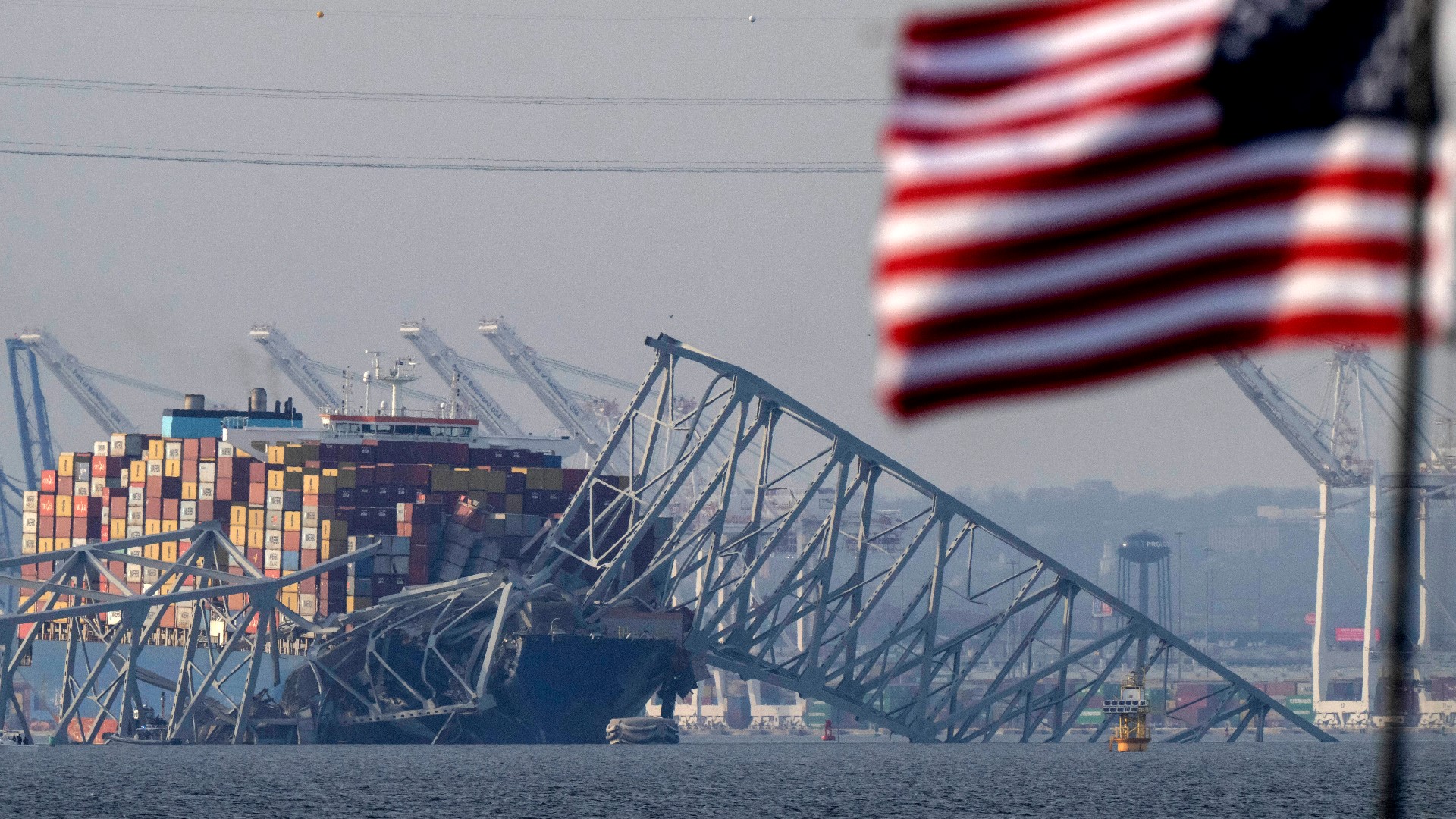
The tragedy in Baltimore refers to the catastrophic collapse of the Francis Scott Key Bridge on March 26, 2024. Triggered by a loss of power on the container ship Dali, the collision resulted in the deaths of six construction workers,...
The tragedy in Baltimore refers to the catastrophic collapse of the Francis Scott Key Bridge on March 26, 2024. Triggered by a loss of power on the container ship Dali, the collision resulted in the deaths of six construction workers, the severing of a primary East Coast transport artery, and the temporary closure of the Port of Baltimore.
Contents
The events of that Tuesday morning transformed the landscape of Maryland’s infrastructure and maritime safety protocols. As of 2026, the city is still navigating the complex intersection of legal accountability, economic recovery, and the massive engineering undertaking of building a replacement span. While Baltimore has faced various historical challenges, this event stands as a defining moment in modern American engineering and emergency response.
The Anatomy of a Disaster: The Final Moments of the Key Bridge
On March 26, 2024, at approximately 1:24 a.m., the Singapore-flagged vessel Dali departed from the Port of Baltimore, bound for Colombo, Sri Lanka. Within minutes, the vessel experienced a total blackout—a loss of all propulsion and steering control. Despite the frantic efforts of the crew and the harbor pilots to restore power, the ship drifted off course toward the 1.6-mile-long Francis Scott Key Bridge.
The "mayday" call issued by the vessel’s pilot proved to be a critical factor in preventing further loss of life. Within 90 seconds, Maryland Transportation Authority (MDTA) police were able to halt traffic onto the bridge. However, a construction crew of eight men remained on the span, repairing potholes. When the Dali struck the critical support pier at 1:28 a.m., the main truss sections collapsed into the Patapsco River in a matter of seconds.
Investigation reports from the National Transportation Safety Board (NTSB) later identified the root cause as a series of electrical failures. A circuit breaker—specifically the D-Bus breaker—tripped, causing a loss of power to the steering pumps. Although an emergency generator eventually kicked in, it was unable to provide the necessary thrust to steer the heavily laden vessel away from the bridge's concrete support structure.
The Human and Social Toll
The most profound element of the tragedy was the loss of human life. The six men who died—Alejandro Hernandez Fuentes, Dorlian Castillo Cabrera, Joseph Castro, Maynor Suazo Sandoval, Miguel Luna, and Jose Mynor Lopez—were all immigrants from Mexico, Guatemala, Honduras, and El Salvador. They were members of a night-shift crew performing essential maintenance on the bridge’s roadway.
This loss highlighted the heavy reliance of U.S. infrastructure on immigrant labor and the specific vulnerabilities faced by night-shift workers in high-risk zones. The community response in Baltimore and its surrounding suburbs, such as Dundalk and Essex, was immediate. Organizations like the Baltimore Community Foundation established relief funds to support the families of the victims, many of whom were the primary breadwinners for households both in the U.S. and in their countries of origin.
From a social perspective, the tragedy also underscored the psychological impact of losing a landmark. The Key Bridge was more than a road; it was a symbol of Baltimore’s industrial identity and a daily necessity for over 30,000 commuters. The disruption of these daily routines forced a realignment of community connectivity, with traffic diverted through the Baltimore Harbor and Fort McHenry tunnels, leading to years of increased congestion.
Economic and Logistical Consequences for the Port of Baltimore
The collapse did more than break a bridge; it effectively "corked" the Port of Baltimore, one of the most vital maritime hubs in the United States. Before the disaster, the port ranked first in the nation for the volume of autos and light trucks, as well as for farm and construction machinery.
The immediate closure of the 50-foot-deep shipping channel halted billions of dollars in trade. According to data from the Maryland Port Administration, the closure affected more than 15,000 direct jobs and thousands more in related sectors.
- Supply Chain Rerouting: Cargo was diverted to the Ports of Norfolk, New York, and New Jersey. This caused a spike in trucking costs and transit times for goods destined for the Midwest.
- Salvage Operations: The U.S. Army Corps of Engineers and the U.S. Navy’s Supervisor of Salvage and Diving (SUPSALV) led a massive operation to clear roughly 50,000 tons of steel and concrete from the channel.
- Channel Reopening: Through an extraordinary multi-agency effort, the full federal channel was restored to its 700-foot width and 50-foot depth by June 2024, less than three months after the collision.
While the port resumed operations relatively quickly, the long-term economic impact persisted into 2025 and 2026 as some logistics companies permanently shifted their operations to other East Coast hubs, requiring aggressive marketing and incentive programs from Maryland officials to win back the lost tonnage.
Legal Accountability and Maritime Law Disputes
The legal fallout from the tragedy has been as complex as the physical cleanup. Shortly after the incident, the ship’s owner, Grace Ocean Private Ltd, and its manager, Synergy Marine Group, filed a petition in federal court to limit their liability to approximately $43.7 million under the Limitation of Liability Act of 1851. This pre-Civil War statute allows vessel owners to limit their financial responsibility to the post-accident value of the ship and its pending freight.
This move was met with intense opposition from the U.S. Department of Justice, the State of Maryland, and the families of the victims. In late 2024 and throughout 2025, the legal battle shifted toward proving "privity and knowledge"—the concept that the owners were aware of the vessel's mechanical deficiencies before it set sail.
In late 2024, the U.S. Department of Justice filed a lawsuit seeking over $100 million in damages to recover the costs of the federal response. The lawsuit alleged that the Dali’s electrical and mechanical systems were "jury-rigged" and poorly maintained, transforming a manageable technical failure into a catastrophic disaster. As of 2026, many of these claims are still winding through the federal court system, with settlements potentially reaching billions of dollars once the costs of the new bridge are fully accounted for.
Technical Comparison: The 1977 Bridge vs. The 2028 Replacement
The original Francis Scott Key Bridge, completed in 1977, was a continuous steel truss bridge. While state-of-the-art for its time, it lacked the redundant support systems (pier protection) required to withstand the impact of modern ultra-large container vessels (ULCVs) like the Dali.
| Feature | Original Key Bridge (1977) | New Key Bridge (Est. 2028) |
|---|---|---|
| Bridge Type | Steel Truss | Cable-Stayed |
| Main Span Length | 1,200 feet | 2,000+ feet |
| Vertical Clearance | 185 feet | 230 feet |
| Pier Protection | Minimal (exposed concrete) | Advanced "Dolphins" & Fender Systems |
| Lanes | 4 | 4 + Breakdown Shoulders |
| Primary Material | Structural Steel | High-Performance Concrete & Steel |
The new design, which began active construction phases in late 2025, features a cable-stayed architecture. This design allows for a much wider main span, moving the primary supports further away from the shipping channel. Additionally, the vertical clearance is being increased to accommodate the next generation of larger container ships, ensuring that Baltimore remains a competitive "New Panamax" port.
Rebuilding Baltimore: Progress and Future Outlook
By early 2026, the reconstruction of the bridge has become the centerpiece of Maryland's infrastructure agenda. The Maryland Department of Transportation (MDOT), in collaboration with the Federal Highway Administration, awarded the primary design-build contract to Kiewit Infrastructure Co.
The project is funded primarily through federal emergency relief funds, with the Biden-Harris administration and subsequent leaders pledging that the federal government would cover 100% of the initial costs. However, the state is expected to reimburse these funds using insurance payouts and legal settlements recovered from the Dali's owners.
Key Milestones in the Reconstruction (Status 2026):
- Environmental Approval: Completed in late 2024 using an expedited Categorical Exclusion (CE) process, allowing work to bypass years of traditional bureaucratic delay.
- Pier Demolition: The remnants of the old piers were removed using precision explosives and mechanical dredging in 2025.
- Substructure Work: As of early 2026, the foundational pilings for the new, wider supports are being driven into the Patapsco River bed.
- Safety Integration: The new bridge will feature an Integrated Vessel Collision Protection System, including massive circular "islands" of rock and concrete around the piers to ground any drifting ship before it can strike the structure.
Frequently Asked Questions
Why did the bridge collapse so easily?
The Key Bridge was a "fracture-critical" structure, meaning it lacked redundancy. When the Dali struck one of the main support piers, the structural integrity of the entire main span was compromised. Because the bridge was built in the 1970s, it was designed for much smaller ships and did not have the massive "dolphin" protection barriers or artificial islands that protect modern bridges from high-mass impacts.
What happened to the ship and its crew?
The Dali remained pinned under a section of the bridge for nearly eight weeks while salvage crews used explosives to break up the steel truss resting on its bow. After being refloated and moved to a local terminal for repairs, the vessel eventually departed Baltimore for more permanent repairs in late 2024. The crew, mostly Indian nationals, faced months of legal uncertainty and were restricted from leaving the U.S. during the initial phases of the FBI and NTSB investigations.
Is the Port of Baltimore fully functional now?
Yes. The Port of Baltimore resumed full operations in June 2024 after the 700-foot-wide federal channel was cleared of all debris. By 2026, cargo volumes have largely returned to pre-collapse levels, though some automotive logistics had to be permanently reorganized due to the long-term absence of the bridge as a transit route for hazardous materials and oversized loads.
How much will the new bridge cost and who is paying?
Current estimates for the replacement bridge range from $1.7 billion to $1.9 billion. While the U.S. federal government initially covered the costs through the Federal Highway Administration's Emergency Relief program, the final bill is intended to be settled through insurance claims and litigation against the Dali's owners and managers.
Can hazardous materials still be transported through Baltimore?
The loss of the Key Bridge created a significant challenge for the transport of hazardous materials (HAZMAT), which are prohibited in the Baltimore Harbor and Fort McHenry tunnels. These vehicles currently must take a significantly longer detour around the western part of the I-695 beltway. This restriction will remain in place until the new bridge is completed, which is currently targeted for 2028.
Practical Recommendation for Travelers and Businesses
If you are navigating the Baltimore area in 2026, plan for continued congestion on the southern and western portions of the I-695 loop. Businesses involved in East Coast logistics should continue to utilize the real-time port status updates provided by the Maryland Port Administration and account for the increased tolling costs and travel times associated with the tunnel detours. For the most current construction updates and traffic patterns, residents should monitor the MDTA (Maryland Transportation Authority) website specifically for the "Key Bridge Rebuild" project dashboard.
Image Gallery