Understanding What a 1 Double Bed Means in Hotels and Homes
A "1 double bed" designation refers to a single bed frame equipped with a mattress designed to accommodate two sleepers. Historically known as a "Full" bed in North America, it typically measures 54 inches wide by 75 inches long. In ho...
A "1 double bed" designation refers to a single bed frame equipped with a mattress designed to accommodate two sleepers. Historically known as a "Full" bed in North America, it typically measures 54 inches wide by 75 inches long. In hotels, this specification confirms the room contains exactly one such bed, rather than two separate sleeping surfaces.
Contents
The term "double bed" is perhaps one of the most misunderstood labels in the hospitality and furniture industries. While the name implies a "doubling" of space or capacity, the reality of a 1 double bed configuration is often a matter of specific technical dimensions and regional standards. Whether you are booking a weekend getaway in 2026 or refurnishing a guest suite at home, understanding the precise implications of this bed size is essential for ensuring comfort and avoiding logistical errors.
The Technical Definition: Dimensions and Regional Variations
To understand what a 1 double bed means, one must first look at the tape measure. In the United States and Canada, the terms "Double" and "Full" are used interchangeably. The standard dimensions are 54 inches wide by 75 inches long (approximately 137 cm by 191 cm).
However, as of 2026, international travel and globalized furniture markets have introduced slight variations that consumers must navigate. In the United Kingdom and Ireland, a "Standard Double" is generally 4 feet 6 inches wide (54 inches) and 6 feet 3 inches long (75 inches), matching the US standard. In contrast, "European Double" sizes often found in IKEA or continental boutique hotels are slightly larger, typically measuring 140 cm by 200 cm (approximately 55 inches by 79 inches).
The most critical factor to note is the "per-person" space. A standard twin bed is 38 inches wide. When two people share a 54-inch double bed, each person is left with only 27 inches of personal space. This is 11 inches narrower than a twin bed, which often surprises couples accustomed to the 30 inches per person provided by a Queen or the 38 inches provided by a King.
What "1 Double Bed" Means in a Hotel Context
When a hotel listing specifies "1 Double Bed," it is providing a legal and functional description of the room's sleeping capacity. This is distinct from a "Double Room," which is a category that describes the number of occupants (two) rather than the specific furniture arrangement.
Occupancy vs. Bed Type
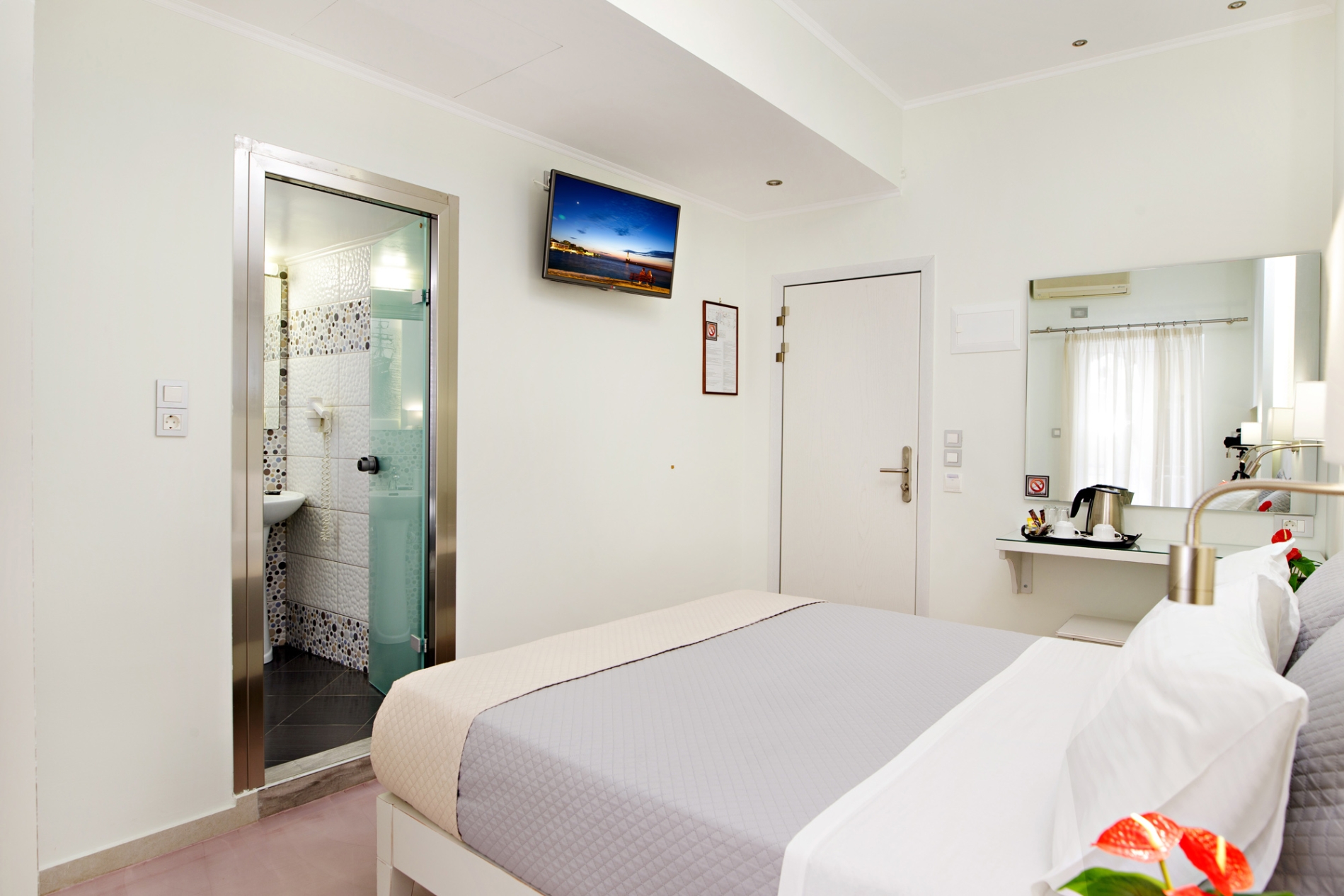
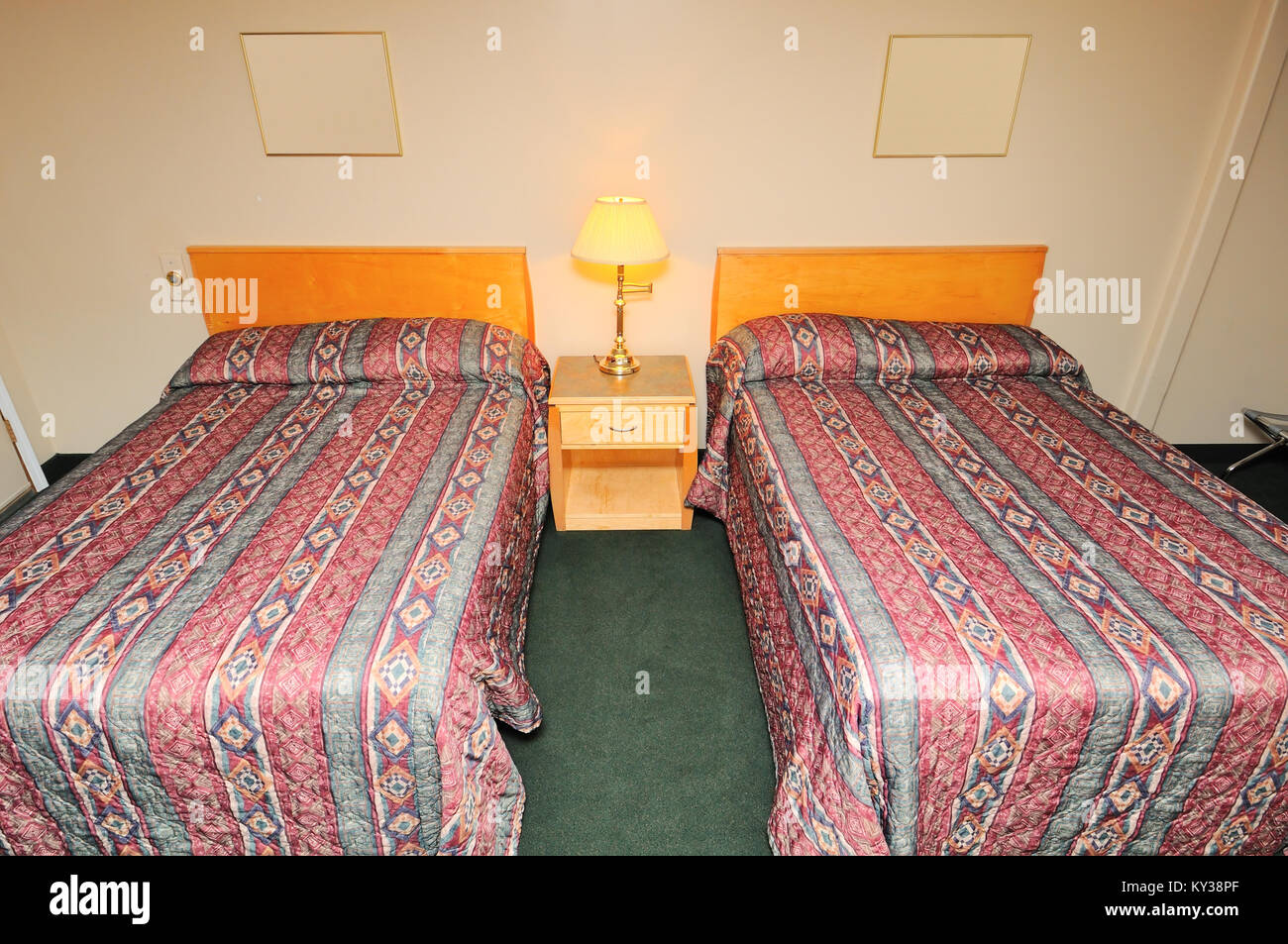
In many European and Asian markets, a "Double Room" will almost always contain exactly one double bed. However, in North America, a "Double Room" might actually contain two double beds (often called a "Double-Double" room). By specifying 1 Double Bed, the hotel is clarifying that there is only one physical piece of furniture. This is a vital distinction for families or groups of friends traveling together who may require separate sleeping surfaces.
The Evolution of the "Standard" Room
By 2026, many mid-scale and luxury hotel chains have phased out the 1 double bed configuration in favor of Queen or King beds to meet rising guest expectations for comfort. When you encounter a "1 Double Bed" listing today, it typically appears in:
- Boutique Hotels: Older, historic buildings where room square footage is limited.
- Budget Accommodations: Hostels or "micro-hotels" where space efficiency is the primary goal.
- Urban Centers: High-density cities like New York, London, or Tokyo where "Standard" rooms are smaller than average.
Practical Implications for Travelers
If you are booking a room with 1 double bed, consider the height of the occupants. At 75 inches (6 feet 3 inches) long, the mattress itself is often too short for individuals over 6 feet tall once pillows and headboards are factored in. Furthermore, motion transfer—the movement felt when a partner shifts—is much more pronounced in a double bed than in larger sizes, which may impact sleep quality for light sleepers.
What "1 Double Bed" Means in a Home Context
In residential settings, the 1 double bed serves a different purpose than it does in a hotel. While it was the standard for couples until the mid-20th century, it has transitioned into a specialized role in modern home design.
The Ideal Guest Room Solution
The double bed is frequently the "Goldilocks" solution for guest rooms. It is large enough to accommodate a visiting couple for a few nights, yet small enough to fit into a 10' x 10' room without making the space feel cramped. It allows homeowners to maintain a functional home office or hobby space in the same room while still offering a legitimate sleeping option for visitors.
The "Teenager Transition" Bed
For growing children and teenagers, a 1 double bed is often the first "grown-up" bed. It provides significantly more rolling room than a twin bed without requiring the massive footprint of a Queen. In 2026, furniture trends continue to favor "Full" or "Double" beds for adolescents because they accommodate the physical growth spurts common in late puberty while leaving room for desks and gaming setups.
Room Layout and Clearance
When placing a double bed in a home, interior designers recommend a minimum of 24 to 30 inches of walking space around the sides and foot of the bed. Because a double bed is 54 inches wide, a room should be at least 9 feet wide to accommodate the bed and a modest nightstand on either side.
Detailed Comparison of Standard Bed Sizes (2026 Standards)
The following table outlines how the 1 double bed compares to other common sizes available in the current market.
| Bed Size | Dimensions (Inches) | Dimensions (CM) | Best Suited For | Space Per Person (Pair) |
|---|---|---|---|---|
| Twin / Single | 38" x 75" | 97 x 191 cm | Children / Solo Adults | N/A (1 Person) |
| Twin XL | 38" x 80" | 97 x 203 cm | Tall Solo Sleepers / Dorms | N/A (1 Person) |
| Double / Full | 54" x 75" | 137 x 191 cm | Guest Rooms / Small Couples | 27 Inches |
| Queen | 60" x 80" | 152 x 203 cm | Standard for Couples | 30 Inches |
| King | 76" x 80" | 193 x 203 cm | Couples / Master Suites | 38 Inches |
| California King | 72" x 84" | 183 x 213 cm | Tall Couples / Large Rooms | 36 Inches |
Pros and Cons of the 1 Double Bed Configuration
Choosing a 1 double bed—whether as a hotel guest or a homeowner—involves weighing the benefits of space-saving against the limitations of sleeping surface area.
Advantages
- Cost Efficiency: Both in hotels and retail, double beds are less expensive than Queens or Kings. This extends to bedding; sheets, comforters, and duvets for double beds are generally the most affordable "adult-sized" linens.
- Versatility in Small Spaces: In urban apartments or smaller hotel rooms, a double bed allows for the inclusion of other furniture like a wardrobe or a small desk that would be impossible with a larger bed.
- Ease of Transport: Double mattresses and frames are significantly lighter and easier to maneuver through tight hallways and staircases than larger sizes.
Disadvantages
- Limited Length: The 75-inch length is identical to a standard twin. This is often the primary complaint from taller adults whose feet may hang off the edge.
- Cramped for Two: As noted, 27 inches per person is tight. If one sleeper is restless or if both are of average-to-large build, the 1 double bed may lead to a poor night's sleep.
- Obsolescence: In the luxury hotel market of 2026, the double bed is increasingly seen as a "budget" or "economy" feature.
Common Misconceptions and Pitfalls
One of the most frequent errors travelers make is assuming that "1 double bed" is synonymous with "two beds." This confusion often stems from the term "Double Room." If you are traveling with a colleague or a friend and require your own sleeping space, you must look for "Twin" or "Double-Double" (2 beds) designations. Booking a room with "1 double bed" means you will be sharing a single mattress.
Another pitfall involves bedding. Many consumers purchase "Full/Queen" hybrid comforters. While these work well for the larger Queen bed, they often drape too low on a standard 1 double bed, potentially creating a tripping hazard or a messy aesthetic. For a clean look in the home, it is always preferable to find linens specifically sized for a "Full" or "Double" mattress.
Frequently Asked Questions
Is a "Full" bed the same as a "Double" bed?
Yes. In the context of North American furniture and hotels, "Full" and "Double" refer to the exact same dimensions: 54 inches by 75 inches. The term "Double" is more common in the hotel industry, while "Full" is frequently used by mattress retailers.
Can two adults sleep comfortably in 1 double bed?
It depends on the size and sleep habits of the individuals. For a single night in a hotel, most couples find it manageable. However, for long-term use at home, many couples find the 27 inches of personal space per person insufficient, eventually upgrading to a Queen or King.
Does "1 double bed" mean I get two beds in my hotel room?
No. "1 double bed" specifically means there is one physical bed frame designed for two people. If you need two separate beds, you should look for a "Twin" room or a "Double-Double" room.
What size sheets should I buy for a 1 double bed?
You should look for "Full" or "Double" size sheets. Avoid "Queen" sheets, as they will be too loose and will bunch up during the night. If you have a particularly thick pillow-top mattress, ensure the "pocket depth" of the fitted sheet is at least 12 to 14 inches.
Is a double bed big enough for a 6-foot tall person?
A double bed is 75 inches long (6'3"). While this is technically longer than a 6-foot person, once you add a pillow, the person's head is usually several inches down from the top of the mattress. This often results in their feet hanging off the end. Taller individuals should seek a "Queen" or "Twin XL," both of which offer 80 inches of length.
Final Recommendation
When deciding whether a 1 double bed meets your needs, prioritize the specific context of the stay or the room. For hotels, a 1 double bed is an excellent way to save money if you are a solo traveler or a couple who doesn't mind close quarters. However, if you are traveling for business and need high-quality rest, or if you are physically large, upgrading to a Queen is usually worth the additional cost.
For homes, the 1 double bed remains the premier choice for secondary bedrooms. It balances the need for a two-person sleeping surface with the reality of modern room dimensions. Always measure your space before purchasing, and remember that in 2026, the quality of the mattress and the frame is just as important as the dimensions themselves.
Image Gallery