Navigating Maine Laws and Rules for Life Insurance: A Comprehensive Exam Preparation Guide
Studying for the Maine life insurance licensing examination requires a foundational understanding of the Maine Insurance Code, specifically Title 24-A of the Maine Revised Statutes. While platforms like Quizlet provide helpful flashcar...
Studying for the Maine life insurance licensing examination requires a foundational understanding of the Maine Insurance Code, specifically Title 24-A of the Maine Revised Statutes. While platforms like Quizlet provide helpful flashcards and community-generated study sets, candidates must prioritize official regulatory materials, state-specific statutes, and the Maine Bureau of Insurance curriculum to ensure accurate comprehension of legal requirements, producer conduct, and consumer protections.
Contents
The Role of Quizlet in Insurance Licensing
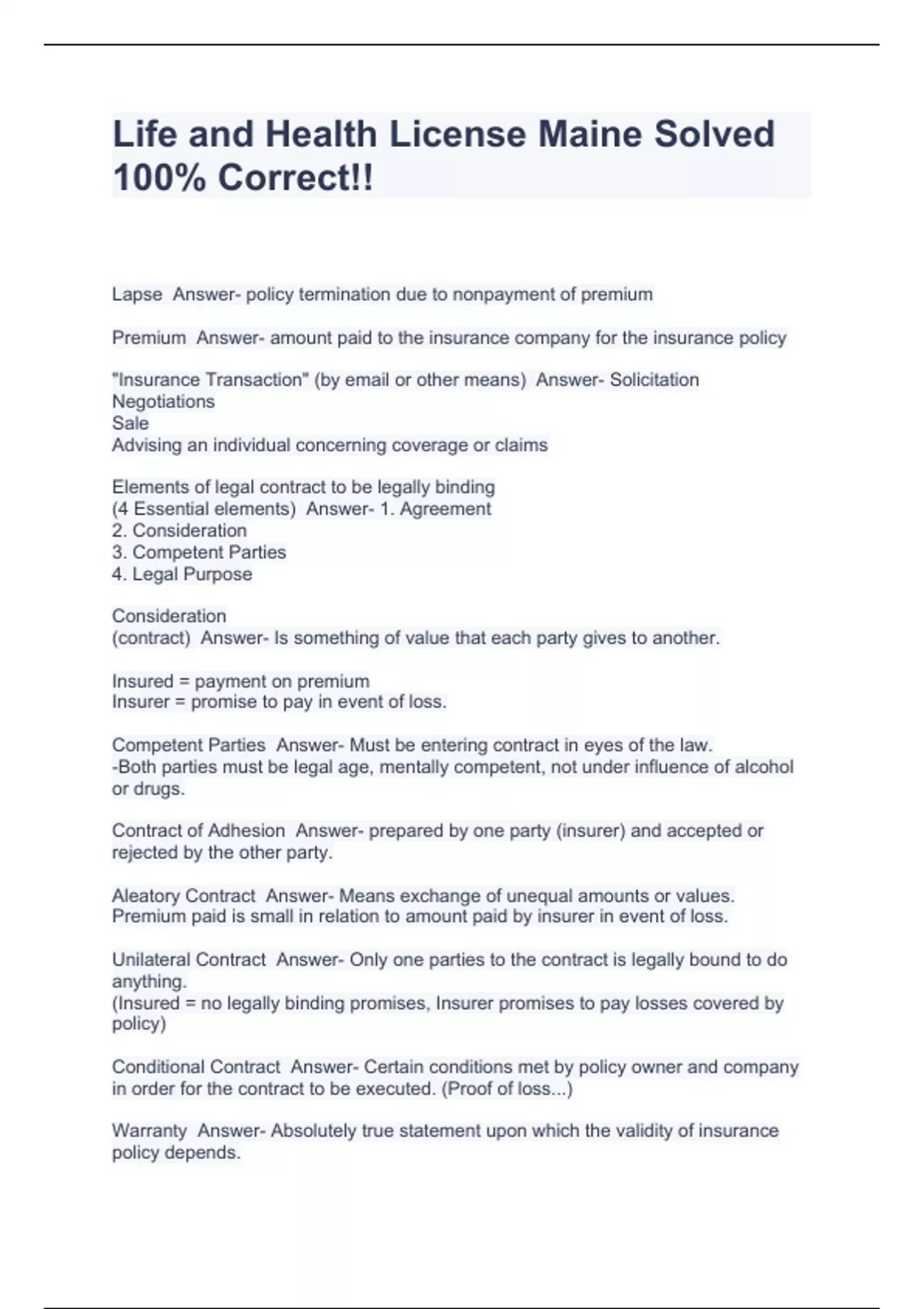
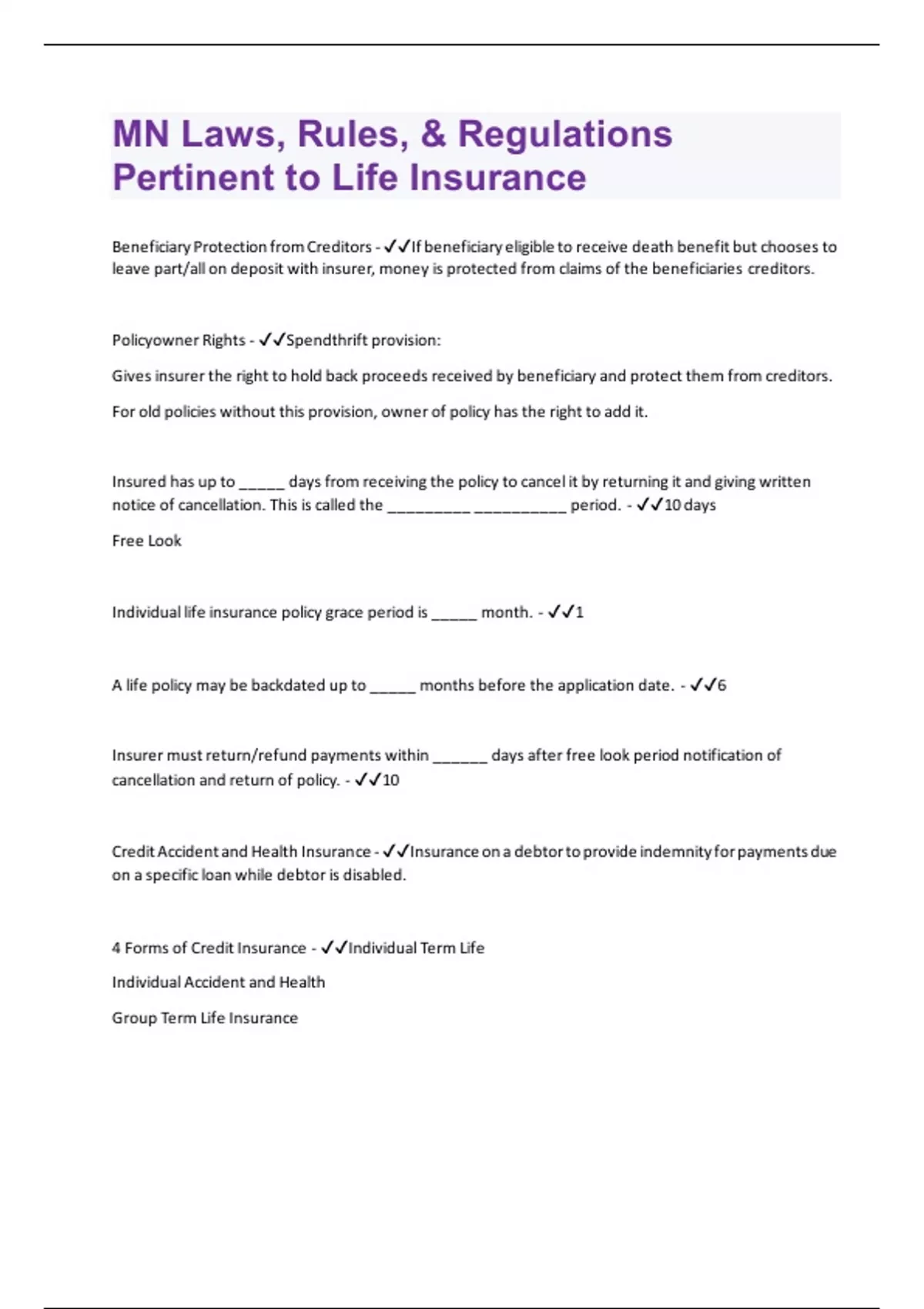
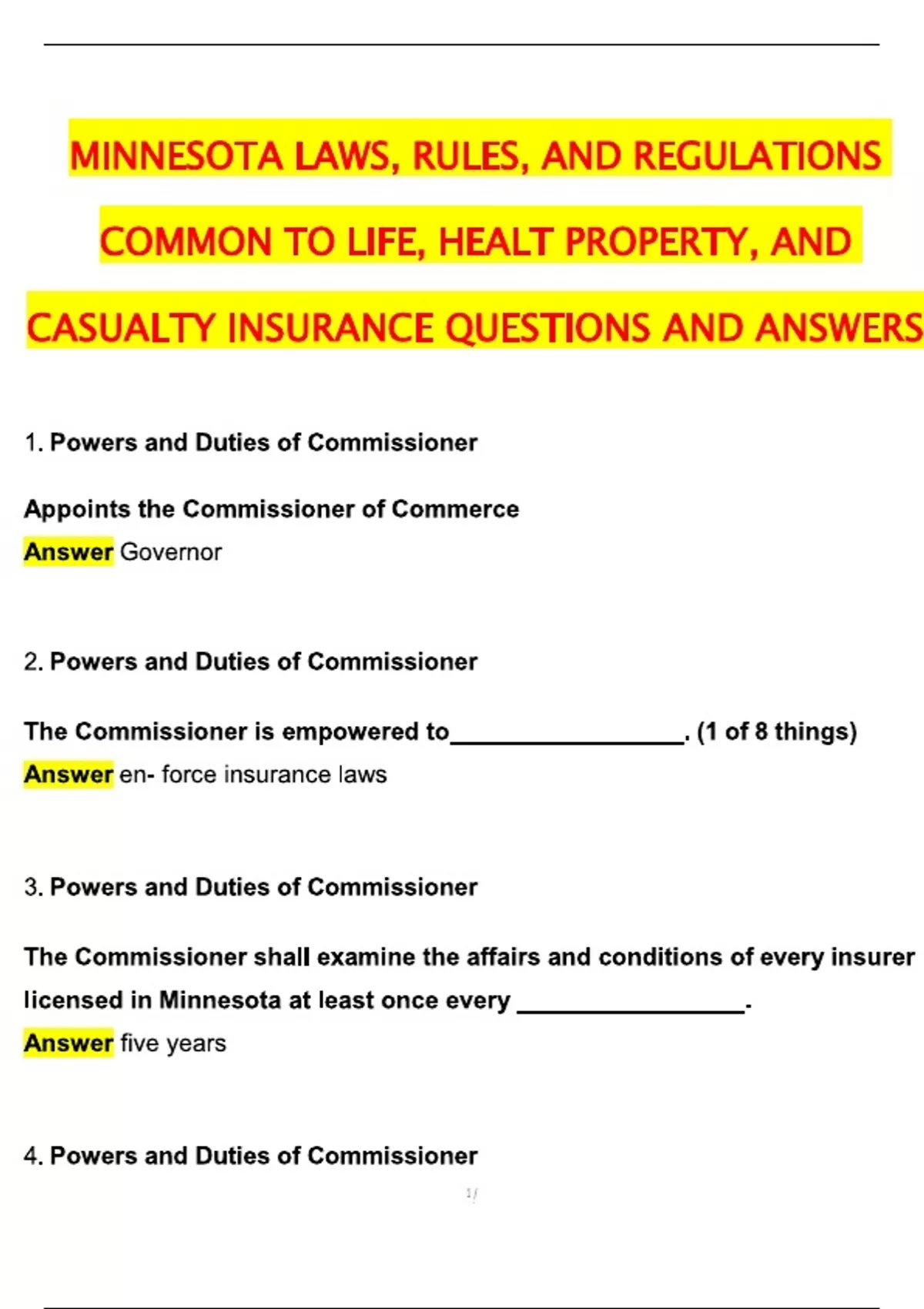
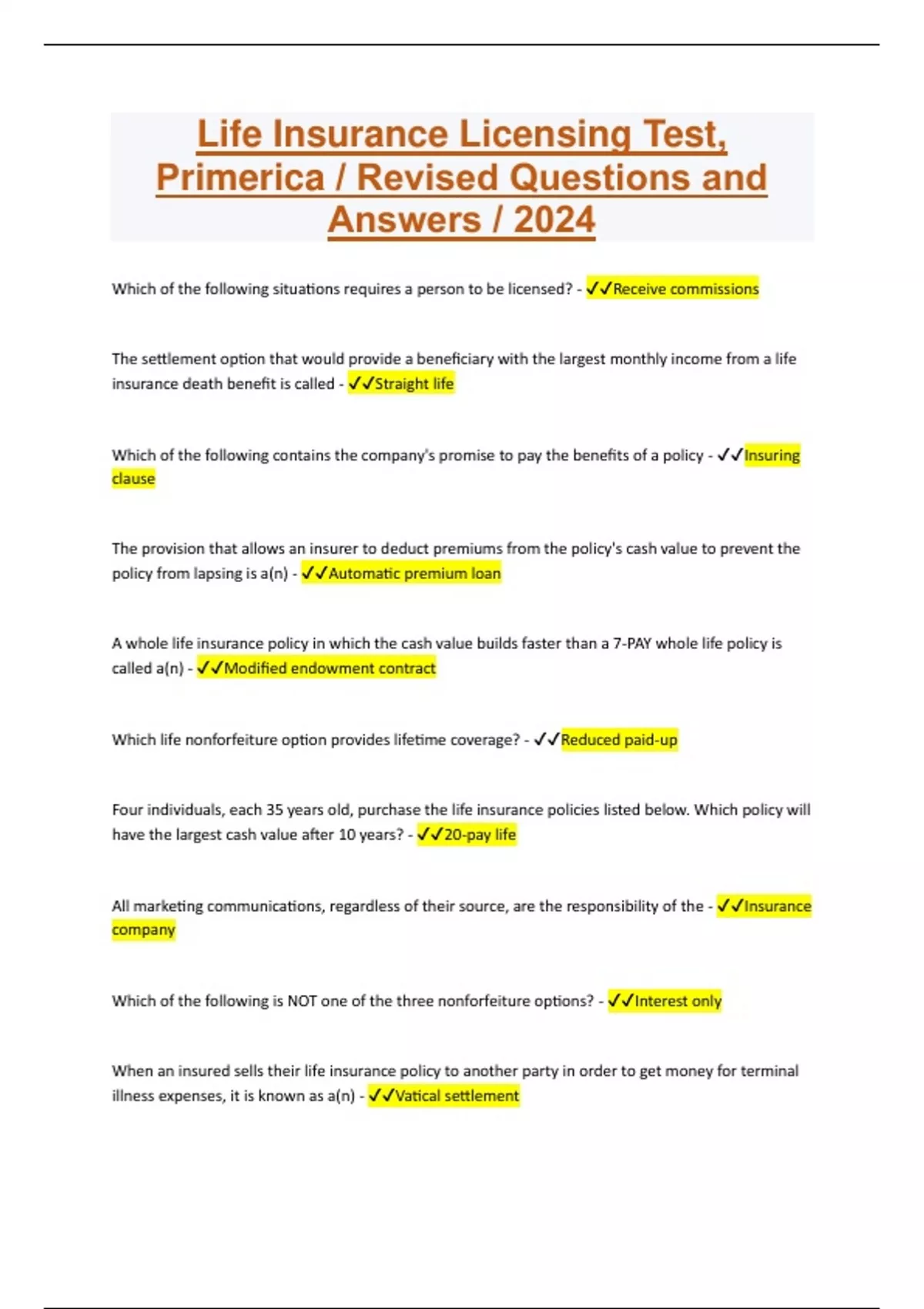
For many aspiring insurance producers, Quizlet has become a staple tool for memorizing the dense vocabulary associated with insurance regulation. Because the Maine life insurance exam is highly technical, users often rely on digital flashcards to retain information regarding policy definitions, nonforfeiture options, and agent licensing requirements.
However, a critical distinction must be made between "community-generated" study content and "officially sanctioned" curricula. Quizlet sets are often created by students who have recently taken an exam. While these are useful for pattern recognition and terminology, they are not always updated to reflect the most current regulatory changes or specific Maine-only nuances. When using these platforms, always verify the information against the Maine Bureau of Insurance (BOI) guidelines to ensure you are not memorizing outdated statutes or inaccurate interpretations of state law.
Understanding Maine Insurance Statutes
The Maine Insurance Code is the primary authority governing the life insurance industry within the state. As an agent, your legal obligations extend far beyond the basic principles of insurance; you must understand the specific rules governing how policies are marketed, sold, and administered within the jurisdiction of Maine.
Key areas of focus for the Maine life insurance examination include:
- Producer Licensing: The process of obtaining, maintaining, and renewing a resident or non-resident license.
- Unfair Trade Practices: Prohibited activities such as rebating, twisting, churning, and misrepresentation.
- Policy Provisions: Mandatory inclusions in life insurance contracts, including grace periods, incontestability clauses, and reinstatement rights.
- Consumer Protections: Maine’s specific requirements regarding privacy, the fair reporting act, and the handling of replacement policies.
Distinguishing Maine-Specific Rules from National Standards
One of the most frequent errors made by candidates using generalized Quizlet sets is the assumption that national standards apply uniformly to Maine. Insurance is primarily state-regulated, and Maine has distinct statutes that override general industry norms.
For instance, while many states follow the National Association of Insurance Commissioners (NAIC) model acts, Maine often implements specific modifications regarding disclosure requirements and the timing of notice deliveries. Relying on a "National Life Insurance Exam" deck will leave you vulnerable to failing the state-specific portion of your examination. You must dedicate significant time to studying the specific bulletin releases and legislative updates provided by the Maine Bureau of Insurance.
Comparison of Study Resources
| Resource Type | Accuracy Level | Best Use Case |
|---|---|---|
| Official Maine Statutes | Absolute | Establishing foundational legal knowledge |
| Maine BOI Bulletins | High | Understanding current policy/procedural changes |
| Pre-Licensing Textbooks | High | Structured learning of core insurance concepts |
| Quizlet Flashcards | Variable | Rapid memorization of terms and vocabulary |
| Practice Exams | High (if official) | Testing knowledge retention and exam timing |
Recommended Workflow for Exam Preparation
To maximize your efficiency when studying for the Maine life insurance exam, follow a structured approach that integrates technology with official documentation.
- Start with the Source: Download the candidate handbook provided by the testing vendor. This document outlines the exact breakdown of the exam and the specific topics covered under the Maine-specific portion.
- Outline the Statutes: Do not attempt to memorize the entire Maine Insurance Code. Instead, focus on the specific sections mentioned in your exam content outline, such as those covering agent responsibilities and policyholder rights.
- Active Recall with Quizlet: Once you have read the official documentation, create your own study sets in Quizlet. By writing the definitions yourself, you engage in active recall, which is significantly more effective for memory retention than simply reviewing existing sets created by others.
- Simulate Exam Conditions: Use official practice tests to gauge your readiness. Ensure you are scoring consistently above 85% on practice assessments before scheduling your actual exam date in 2026.
Common Pitfalls in Exam Preparation
Candidates often fail to account for the distinction between "general insurance knowledge" and "regulatory compliance." The former deals with how a whole life policy works, while the latter deals with your legal duty to provide a Buyer’s Guide to the applicant.
Avoid these common mistakes:
- Over-reliance on Mnemonics: Mnemonics help with memory, but they do not help with the scenario-based questions that appear on the actual exam. Ensure you understand the context behind the legal rule.
- Ignoring Effective Dates: Always ensure that any information you review—even on official sites—is currently applicable for 2026. Regulatory landscapes shift, and older laws may have been repealed or amended.
- Neglecting Ethics: A significant portion of the licensing exam focuses on the "Professionalism and Ethics" of an agent. Do not skip these chapters in your textbook, as they represent a substantial percentage of your final score.
Ethical Obligations and Professional Conduct
In Maine, the Bureau of Insurance holds producers to a high standard of conduct. When studying for the exam, remember that the "rules" are designed to protect the consumer from predatory sales tactics. Understand the concept of "Fiduciary Duty," even in contexts where it may not strictly be legally defined as such in every policy type. Your primary responsibility is to the applicant, not the insurer.
When answering exam questions related to ethical scenarios, always choose the option that prioritizes full disclosure, accurate representation of policy benefits, and the protection of the client's sensitive information. Maine law is stringent regarding the collection and dissemination of private financial and medical data.
Next Steps for Prospective Agents
If you are preparing for the Maine Life Insurance Licensing Exam in 2026, your immediate next action should be to access the Maine Bureau of Insurance website to review current licensing requirements and exam content outlines. Cross-reference these requirements with your current study materials to ensure there are no gaps in your knowledge regarding state-specific regulations. Once you have solidified your understanding of the statutes, use tools like Quizlet strictly as a reinforcement mechanism for the core terminology you have already verified as accurate.
Image Gallery