Understanding Term Life Insurance Actuarial Tables and Pricing
Term life insurance actuarial tables serve as the foundational mathematical framework used by insurance companies to predict mortality rates and set premium levels for policyholders. By analyzing large-scale statistical data regarding...
Term life insurance actuarial tables serve as the foundational mathematical framework used by insurance companies to predict mortality rates and set premium levels for policyholders. By analyzing large-scale statistical data regarding life expectancy, age, gender, and health markers, insurers calculate the probability of a claim occurring during a specific term. These tables ensure that premiums remain actuarially sound, allowing providers to meet their long-term financial obligations while maintaining sufficient capital reserves.
Contents
The Role of Actuarial Science in Life Insurance
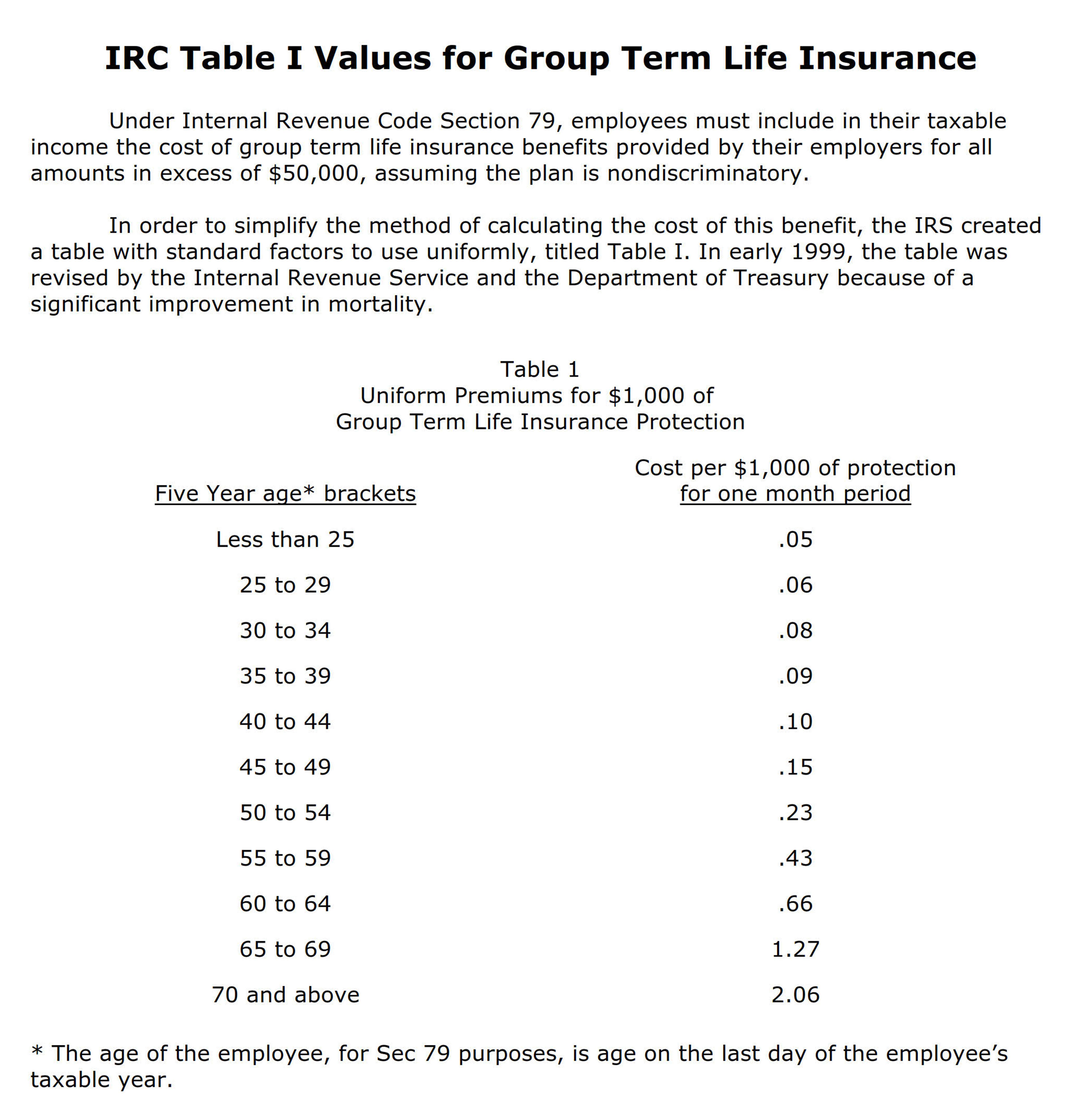
Actuarial science applies mathematical and statistical methods to assess risk in the insurance and finance industries. In the context of term life insurance, actuaries develop "mortality tables"—also known as life tables or actuarial tables—to estimate the likelihood that an individual of a specific age and profile will die within a given year or period.
Insurance companies do not rely on guesses when pricing policies. Instead, they aggregate data from vast populations. When an insurer issues a 20-year term policy to a 35-year-old, the actuarial table provides the baseline probability of death for that age group. The company then adds expenses, administrative costs, and a profit margin to this "net premium" to determine the final cost offered to the consumer.
Components of Mortality Tables
Mortality tables are complex documents that track various demographic and biological variables. While modern tables have evolved to include sophisticated predictive modeling, the core components remain consistent.
1. Age and Gender Differentiation
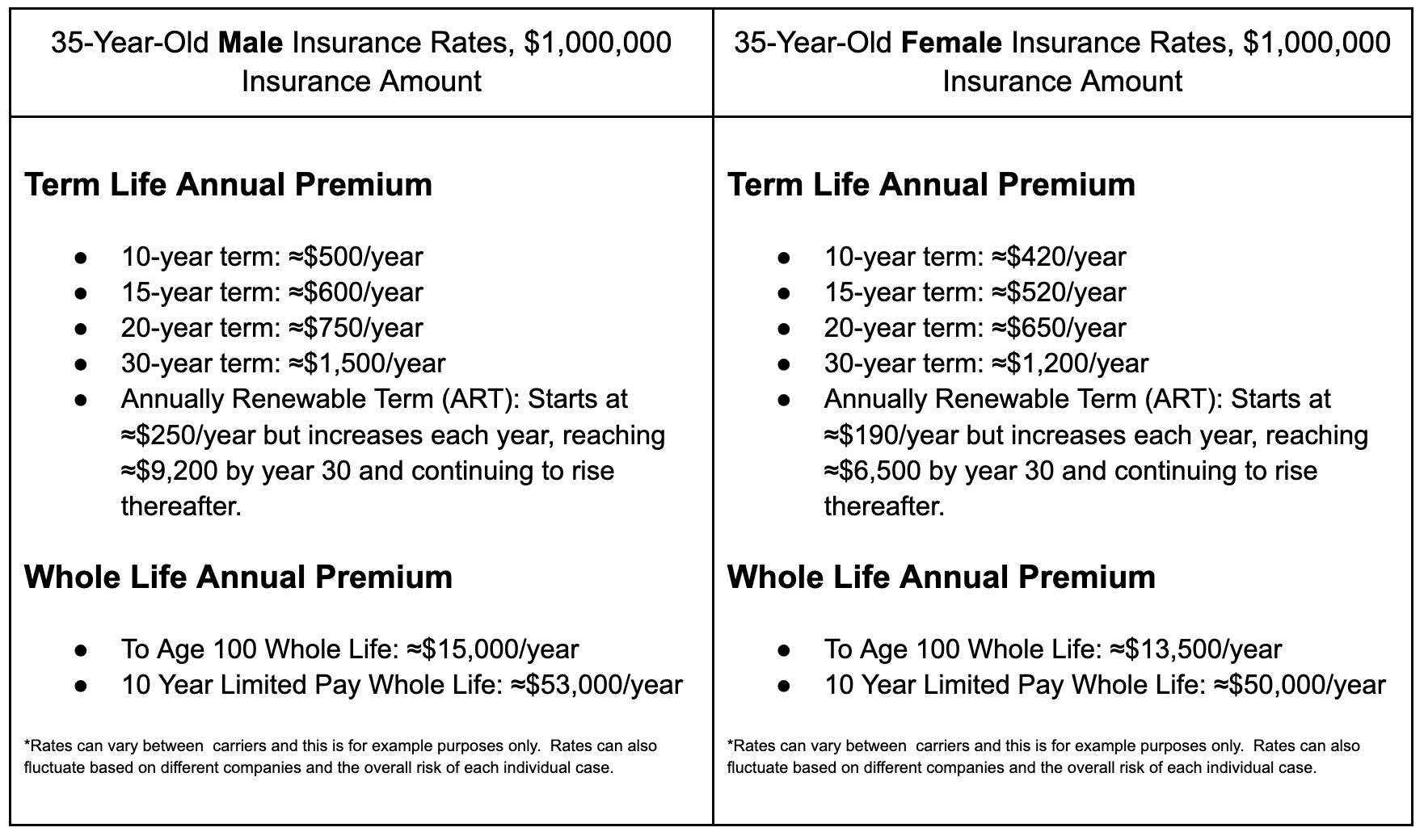
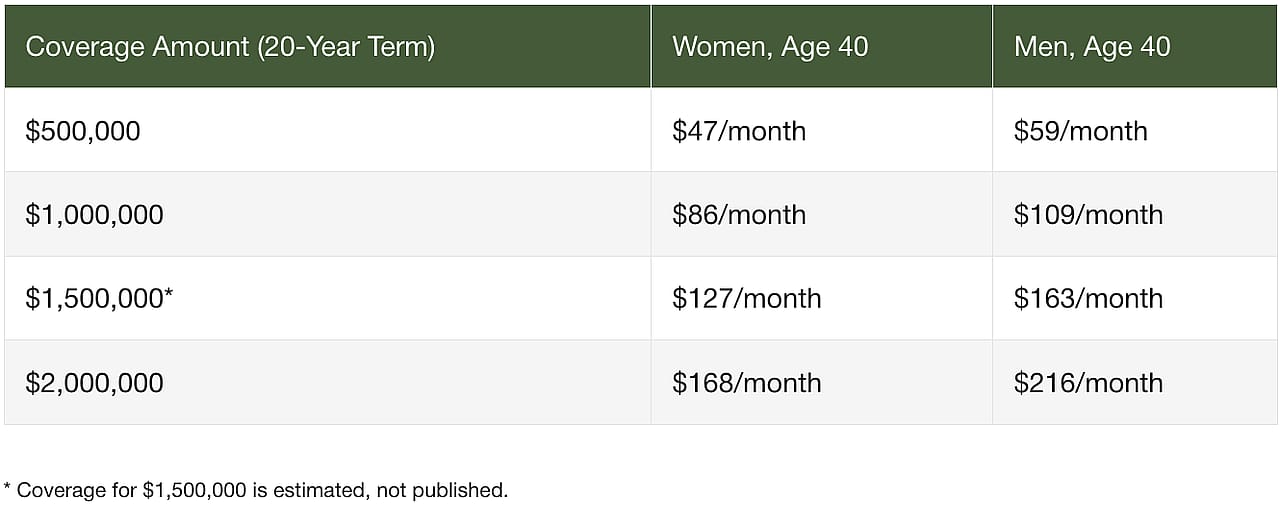
Gender has historically been a significant variable in actuarial tables, as statistics consistently show differences in life expectancy between males and females. Actuaries use these distinct sets of data to calculate separate risk profiles, which directly influences the premium differences often observed between applicants of the same age but different genders.
2. Underwriting and Health Classifications
A raw mortality table provides a baseline for the general population. However, an individual’s actual premium is adjusted based on their specific health classification. Actuaries create "multipliers" or "sub-tables" to adjust the baseline risk for factors such as:
- Tobacco Use: Smokers have significantly higher mortality rates, placing them in different tiers within the actuarial model.
- Body Mass Index (BMI): Significant deviations from healthy weight ranges are correlated with higher mortality risks.
- Family History: Genetic predispositions to chronic conditions like heart disease or cancer are factored into the applicant’s placement within a specific risk category.
3. The Impact of Time
Actuarial tables are periodically updated to reflect improvements in medical technology, public health, and lifestyle changes. The "2017 CSO (Commissioners Standard Ordinary) Mortality Table," for example, is a widely used regulatory standard in the United States that incorporates modern mortality data, replacing older versions that no longer accurately represented contemporary life expectancy.
How Actuaries Determine Premiums
Once the probability of death is calculated from the table, the actuary must convert that probability into a dollar amount. This process involves the "Principle of Equivalence," which posits that the present value of the premiums collected plus the interest earned on those premiums should equal the present value of the expected death benefits.
- Investment Income: Insurers invest the premiums they collect in bonds and other stable financial instruments. The expected interest yield on these investments allows the insurer to charge lower premiums than would be necessary if the money were simply held in cash.
- Lapse Rates: Not all term policies reach their full duration. Some policyholders cancel their coverage before the term ends. Actuaries predict these "lapse rates" to determine how many policies will remain active, which influences the total pool of capital available to pay future claims.
- Administrative Expenses: The cost of underwriting, commissions to agents, and corporate overhead are layered onto the risk-adjusted premium.
Comparison of Factors Influencing Actuarial Calculations
The following table outlines how various inputs are categorized and weighted within standard actuarial pricing models.
| Variable Category | Primary Impact | Actuarial Relevance |
|---|---|---|
| Chronological Age | High | Baseline for mortality probability. |
| Biological Sex | Moderate | Statistical divergence in longevity. |
| Tobacco Status | High | Significantly elevates mortality risk tier. |
| Chronic Health | High | Adjustment to projected life expectancy. |
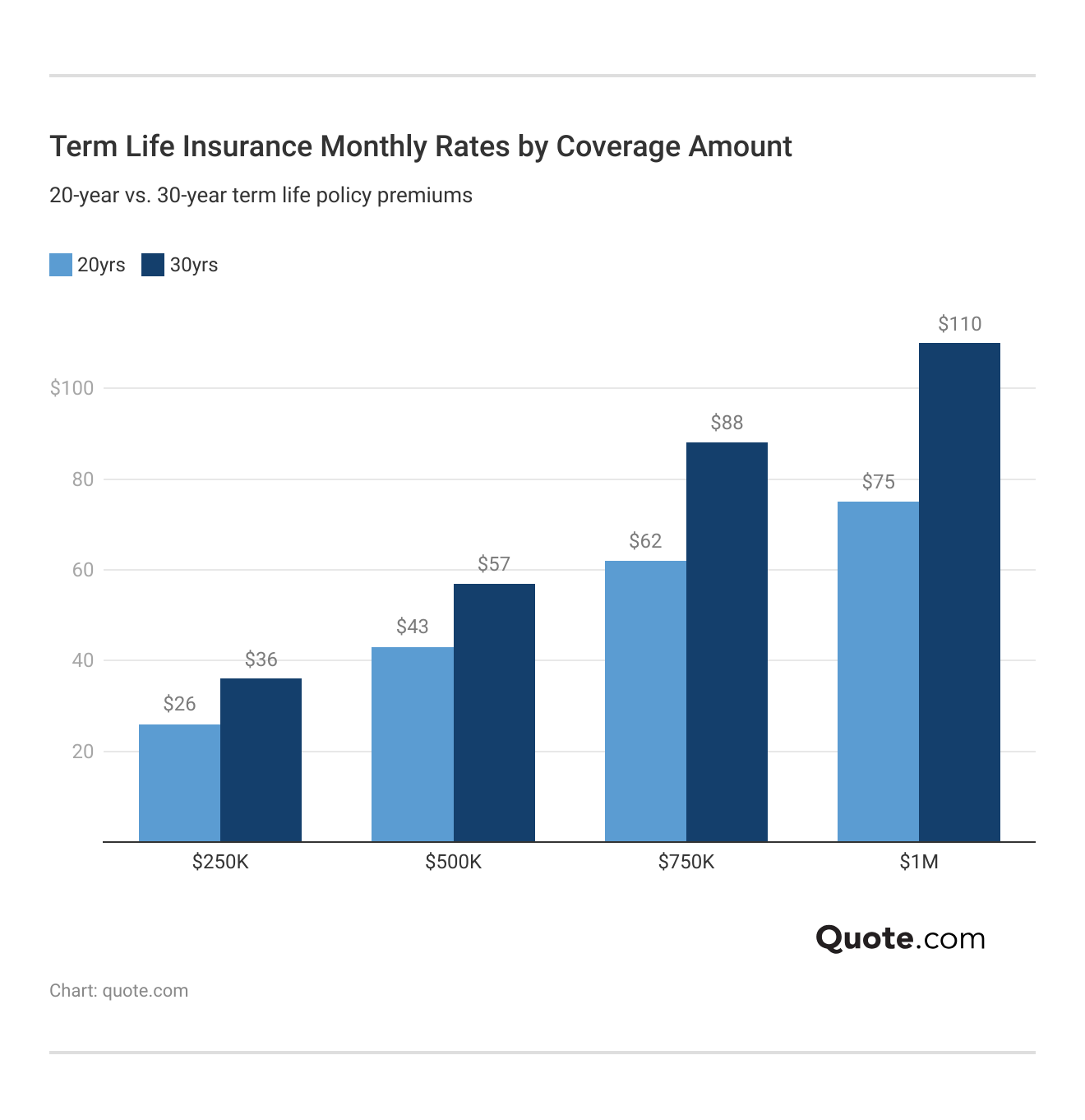
| Policy Term Length | Moderate | Higher risk duration increases cost. |
| Market Interest Rates | Moderate | Impacts investment income projections. |
Limitations and Regulatory Requirements
It is important to note that actuarial tables are not static. Regulators, such as the National Association of Insurance Commissioners (NAIC) in the United States, oversee the development and adoption of these tables to ensure they remain fair and solvent.
One of the primary limitations of actuarial tables is that they represent population-wide averages. While they are highly accurate at predicting the number of claims for a pool of 100,000 people, they cannot predict the life expectancy of a single, specific individual. This is why individual underwriting—the process of assessing a specific person's medical records and lifestyle—is necessary to place that individual into the correct "bucket" within the broader table.
Furthermore, insurers are prohibited from using certain data points in their tables that are considered discriminatory. Regulatory frameworks require that underwriting criteria remain objective, evidence-based, and legally compliant within the specific jurisdiction of the policyholder.
Frequently Asked Questions
Do actuarial tables ever change?
Yes. Actuaries review and update tables periodically to incorporate new mortality data. As medical advancements improve life expectancy, regulators approve new tables to ensure that insurance pricing remains accurate and that companies maintain adequate reserves to pay out claims.
Why are my premiums higher than the baseline in the table?
The baseline in an actuarial table represents a "standard" or "average" risk. If your medical history, occupation, or lifestyle habits (such as participating in extreme sports or having a history of high blood pressure) place you outside the standard category, your insurer will apply a "table rating" or surcharge, resulting in a higher premium than the base rate.
How does the internet affect actuarial data?
Access to massive datasets has allowed for "Big Data" integration into actuarial science. While the core mortality tables remain the regulatory standard, insurers now use more granular data to predict risk with greater precision, which can lead to faster underwriting decisions and more specialized product offerings.
Are actuarial tables the same as a life expectancy calculator?
No. While related, a life expectancy calculator is a consumer-facing tool that provides an estimate based on general statistics. Actuarial tables are rigorous, complex financial documents used by licensed professionals to ensure that insurance companies remain solvent over multi-decade periods.
Can I see the actuarial table my company uses?
Most mortality tables, such as the CSO tables, are public records published by regulatory bodies. However, the specific "underwriting guidelines" that companies use to place an individual into a specific tier of the table are considered proprietary trade secrets.
Next Actions for Consumers
If you are evaluating term life insurance, understanding that your premium is a product of your individual risk profile relative to population-wide actuarial tables is crucial. To secure the most competitive rate:
- Maintain a healthy lifestyle: Since health status is a primary input for actuarial adjustments, evidence of good health can qualify you for "preferred" or "super-preferred" rate classes.
- Compare multiple quotes: Different insurers may utilize slightly different underwriting models or have different appetites for specific types of risk.
- Consult with a professional: An independent insurance broker can help you navigate how different companies interpret actuarial risk and identify which provider may offer the best pricing for your specific profile.
This information is for educational purposes and does not constitute financial or legal advice. Insurance regulations vary by state and country, and individual eligibility for specific rates is subject to medical underwriting.
Image Gallery