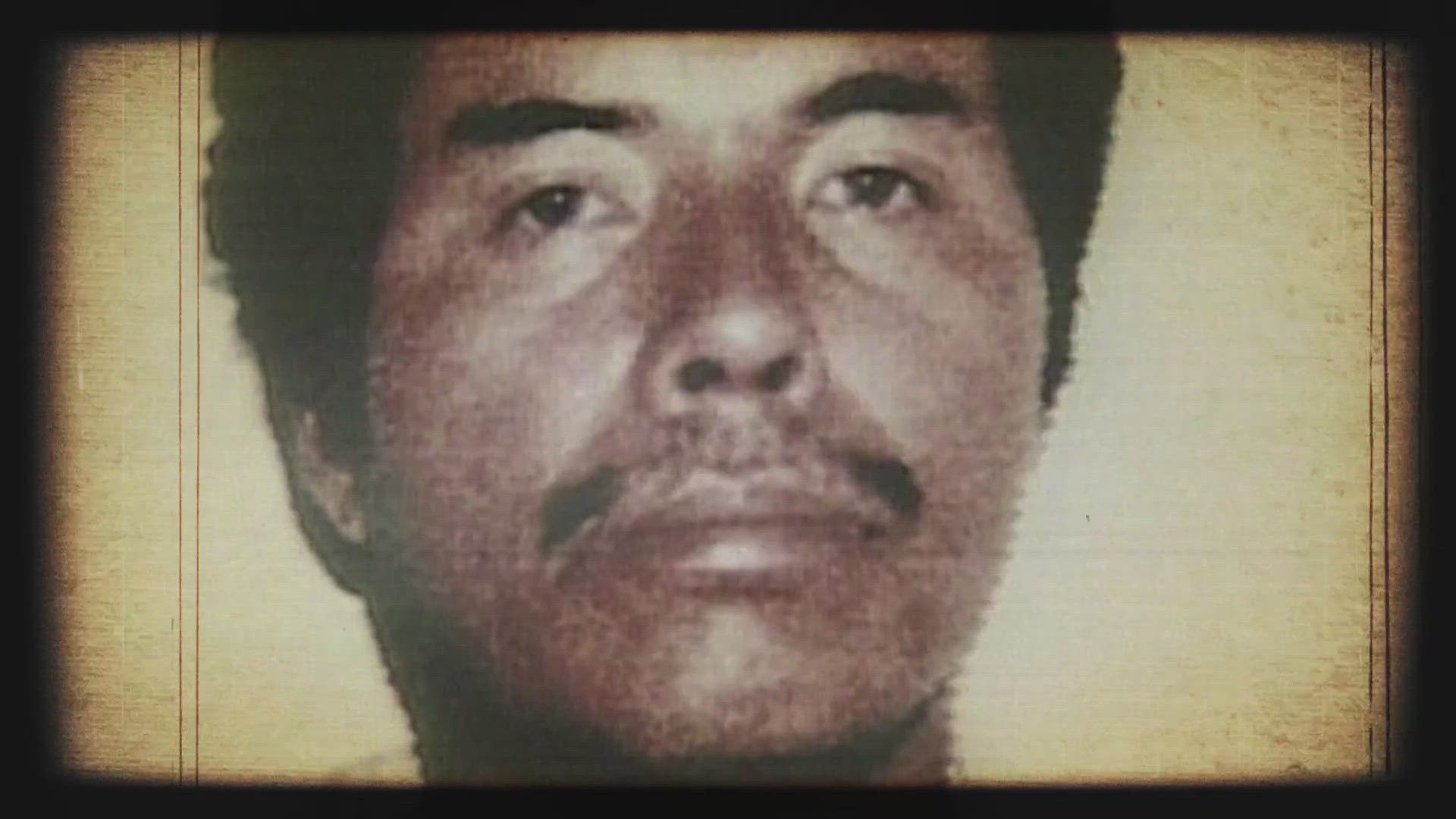
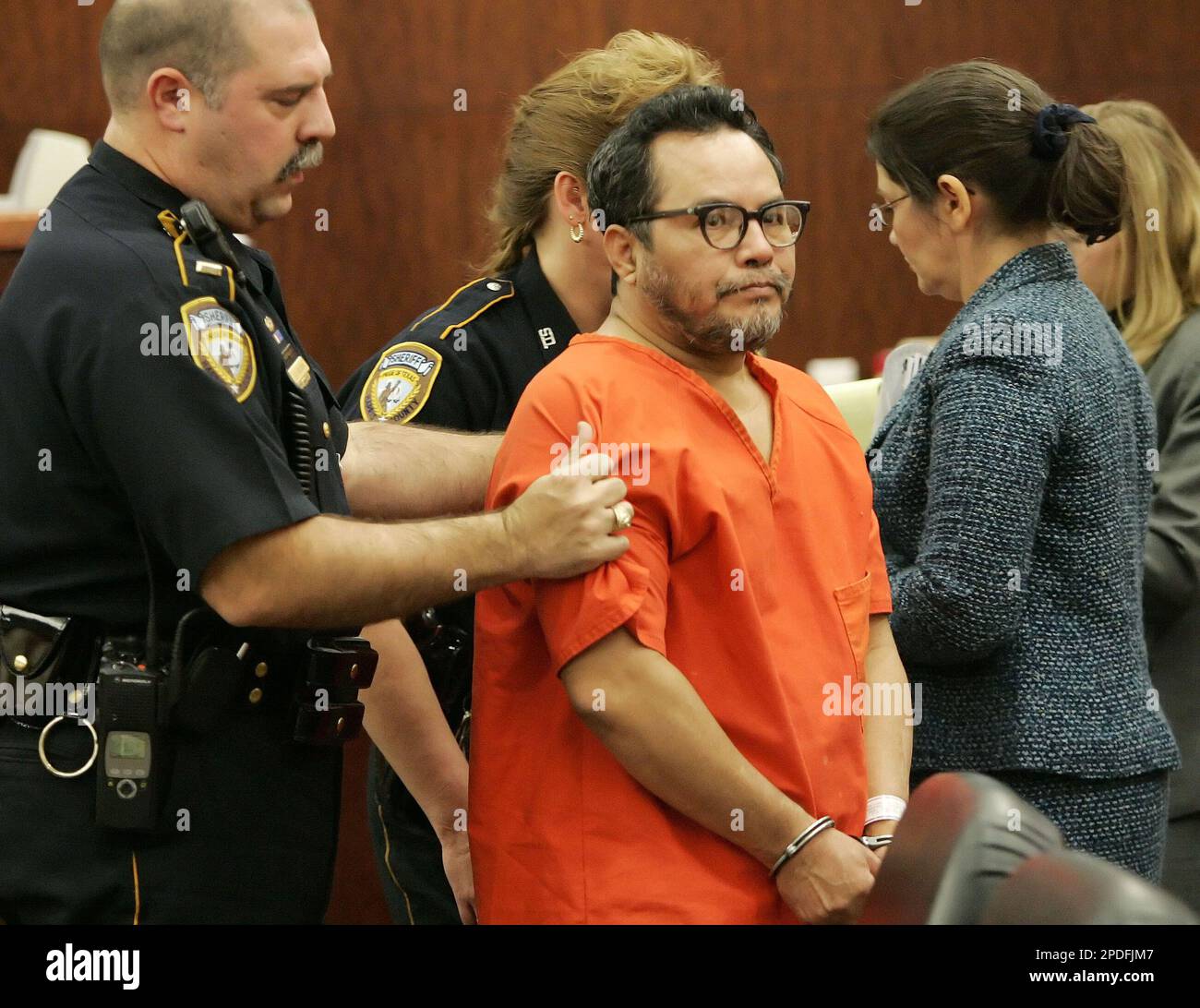
The Railroad Serial Killer Historical Profile: Case Analysis of Angel Maturino Reséndiz
The historical profile of the railroad serial killer primarily centers on Angel Maturino Reséndiz, a Mexican national who used the North American freight rail network to commit a series of murders across the United States during the la...
The historical profile of the railroad serial killer primarily centers on Angel Maturino Reséndiz, a Mexican national who used the North American freight rail network to commit a series of murders across the United States during the late 1990s. By leveraging railway access to target homes near train tracks, Reséndiz evaded law enforcement across multiple state jurisdictions before his surrender in 1999.
Contents
Historical Context of Rail-Based Serial Offending
Railroads have historically played a complex role in criminal investigations across North America. From the late 19th century through the late 20th century, the vast extent of freight rail tracks provided transient individuals with an unmonitored means of long-distance transit. While transient labor and illegal freight riding were common economic survival strategies, the rail system also created blind spots for local law enforcement agencies operating within localized jurisdictional borders.
Mobile offenders who utilized rail systems presented unique challenges to traditional police methodologies. In traditional homicide investigations, detectives search for spatial connections between the offender, the victim, and the crime scene. Rail-riding offenders broke these geographical boundaries by traveling hundreds of miles between incidents, leaving little to no localized motive or social link to their victims.
While historical accounts mention various rail-adjacent crimes throughout the 20th century, the case of Angel Maturino Reséndiz—dubbed "The Railroad Killer" by the media and criminal justice agencies—stands as the definitive modern criminological profile of a serial offender leveraging interstate rail infrastructure.
Profile and Early Life of Angel Maturino Reséndiz
Ángel Leoncio Reyes Recendis was born on August 1, 1959, in Izúcar de Matamoros, Puebla, Mexico. Throughout his life, he utilized more than 30 aliases, with "Angel Maturino Reséndiz" and "Rafael Resendez-Ramirez" being the most prominent in federal and state law enforcement records.
Reséndiz began crossing the United States–Mexico border illegally during his teenage years, frequently hopping freight trains to travel across the American Southwest, Midwest, and Southeast. Between 1970 and 1996, he was apprehended and deported by U.S. immigration authorities multiple times, only to re-enter the country shortly thereafter.
- Early Transience
- Border Crossings & Arrests
- Rail-Riding Adaptation
- Pattern of Violent Offending
During his interactions with the federal justice system prior to the murder series, Reséndiz compiled a lengthy criminal record including burglary, auto theft, and weapon possession charges. Despite numerous arrests, his mental instability and escalating violence were not fully recognized by federal border enforcement or local authorities until late in his criminal trajectory.
Modus Operandi and Behavioral Patterns
Understanding the behavioral profile of Angel Maturino Reséndiz requires an examination of his specific modus operandi (MO) and criminal signature. Unlike serial killers who establish a strict victim profile based on age, gender, or appearance, Reséndiz was primarily opportunistic, prioritizing geographical proximity to rail lines over specific victim demographics.
Site Selection and Access Points
Reséndiz focused almost exclusively on residential properties located within walking distance of freight train tracks or rail yards. After disembarking from a train, he would scout nearby neighborhoods for homes that appeared vulnerable or isolated.
Entry and Execution Methods
- Points of Entry: He typically gained entry through unlocked doors, low windows, or by forcing open rear entryways.
- Weapons of Opportunity: Rather than carrying fixed murder weapons across state lines, Reséndiz frequently used items found inside or immediately outside the victims' homes. These included heavy objects such as pickaxes, tire irons, sledgehammers, and firearms owned by the victims.
- On-Scene Behavior: Reséndiz often spent considerable time inside the crime scenes after committing the murders. He was known to search the kitchen for food, consume meals while sitting near his deceased victims, and rifle through personal belongings for cash, jewelry, and small keepsakes.
Defensive Tactics and Staging
To delay discovery by family members or police, Reséndiz frequently covered victims' bodies with blankets, carpets, or furniture. He occasionally wiped down surfaces to remove fingerprints, though his erratic behavior left behind significant biological evidence, including blood, saliva, and footprints, which later proved vital for forensic identification.
Timeline of Key Offenses and Victimology
Although law enforcement agencies suspect Reséndiz may have been involved in unsolved crimes dating back to the mid-1980s, his confirmed violent streak intensified between 1997 and 1999. The following timeline outlines the primary linked cases investigated by state authorities and the Federal Bureau of Investigation (FBI).
1997: Kentucky Incident
On August 29, 1997, in Lexington, Kentucky, University of Kentucky students Christopher Maier and Holly Dunn were attacked near local train tracks. Maier was murdered with a heavy rock, while Dunn suffered severe injuries but survived the assault. Dunn’s detailed account later provided investigators with one of the earliest physical descriptions of the assailant.
1998: Texas Homicides
- Hughes Springs, Texas (October 1998): Leafie Mason, an 81-year-old woman, was killed inside her home located near a rail line. The murder weapon was determined to be an antique flatiron found on the property.
- West University Place, Texas (December 1998): Dr. Claudia Benton, a pediatric neurologist, was assaulted and stabbed to death in her home near the railroad tracks. DNA evidence recovered from the Benton home matched profile samples that would eventually be linked to Reséndiz.
1999: Interstate Escalation
- Weimar, Texas (May 1999): Norman J. Sirnic and Karen Sirnic were killed inside a converted church building adjacent to the Southern Pacific rail line. Their stolen red pickup truck was later recovered in San Antonio, Texas.
- Weimar, Texas (June 1999): Josephine Konvicka, 73, was murdered in her home near the same rail corridor. A distinctive garden tool used in the crime was recovered near the tracks.
- Gorham, Illinois (June 1999): George Morber, 80, and his daughter Carolyn Frederick, 52, were murdered in their home, located just yards from a local rail line. Reséndiz shot Morber with a shotgun found on the premises and struck Frederick with a heavy tool.
- Houston, Texas (June 1999): Noemi Dominguez, 26, a school teacher, was murdered in her home near train tracks. Reséndiz stole her vehicle and drove it to Florida.
- Fayette County, Georgia (June 1999): Reséndiz was linked to the murder of Fannie Byers, who was killed in her home near the rail line in late June.
Law Enforcement Response and the FBI Investigation
The break in the investigation occurred when crime laboratories successfully linked DNA samples from crime scenes in Texas, Kentucky, and Illinois. The National DNA Index System (CODIS), managed by the FBI, played a central role in confirming that a single, unidentified individual was responsible for the multi-state murder series.
Jurisdictional Challenges
Because the offenses spanned multiple municipal, county, and state lines, coordinating the investigation required an extraordinary degree of inter-agency cooperation. The federal government established a multi-agency task force composed of:
- The Federal Bureau of Investigation (FBI)
- The Texas Department of Public Safety (Texas Rangers)
- The U.S. Border Patrol and Immigration and Naturalization Service (INS)
- Local police departments and sheriff's offices across affected states
- Railroad police departments, including Union Pacific and Burlington Northern Santa Fe (BNSF) police force units
FBI Ten Most Wanted Listing
On June 21, 1999, the FBI officially placed Angel Maturino Reséndiz on its Ten Most Wanted Fugitives list. Public notices, media broadcasts, and law enforcement advisories warned citizens living near active freight rail lines to secure their homes and report suspicious individuals along rail corridors.
| Attribute | Detail |
|---|---|
| Name | Angel Maturino Reséndiz |
| Aliases | Rafael Resendez-Ramirez, Angel Reyes Resendiz, "Railroad Killer" |
| Primary Transport | Freight Rail Systems (US / Mexico / Canada) |
| Key Target Zone | Residential Structures Adjacent to Rail Corridors |
| Status | Apprehended July 13, 1999 |
Apprehension, Legal Proceedings, and Execution
The manhunt ended through targeted negotiation involving law enforcement officers and the suspect’s family. Texas Ranger Drew Carter played a crucial role in establishing communication with Reséndiz’s sister, Manuela. Carter assured the family that if Reséndiz surrendered peacefully, he would be safely taken into custody and treated humanely while awaiting trial.
Surrender at the Border
On July 13, 1999, Angel Maturino Reséndiz walked across the Paso del Norte International Bridge connecting Ciudad Juárez, Chihuahua, Mexico, to El Paso, Texas. He surrendered directly to Texas Ranger Drew Carter, ending a nationwide law enforcement effort.
- Family Contact Established
- Ranger Drew Carter Negotiations
- Bridge Surrender (El Paso)
- Custody Transfer
Capital Murder Trial in Texas
Reséndiz was extradited to Harris County, Texas, to stand trial for the murder of Dr. Claudia Benton. The prosecution, led by Texas state prosecutors, presented overwhelming forensic evidence, including DNA matches, fingerprint matches, and stolen property recovered from locations connected to the defendant.
The defense counsel argued that Reséndiz was legally insane at the time of the offenses, claiming he suffered from severe delusions and believed he was an angel authorized to carry out killings. However, psychiatric evaluations and prosecution testimonies established that Reséndiz understood the wrongfulness of his acts, as evidenced by his attempts to conceal evidence, flee crime scenes, and evade border patrol agents.
In 2000, the Harris County jury found Reséndiz guilty of capital murder and sentenced him to death.
Appellate Review and Final Outcome
Over the next six years, state and federal appellate courts reviewed numerous appeals filed on behalf of Reséndiz. The appeals primarily questioned his mental competency to face execution under constitutional standards set by cases such as Ford v. Wainwright. Lower courts and the U.S. Court of Appeals consistently upheld his conviction and execution eligibility, determining that despite complex mental health issues, he comprehended the reasons for his execution.
On June 27, 2006, Angel Maturino Reséndiz was executed by lethal injection at the Huntsville Unit of the Texas Department of Criminal Justice in Huntsville, Texas.
Comparative Analysis: High-Profile Rail-Adjacent Cases
To evaluate how rail transportation has influenced serial murder profiles in modern history, criminologists examine patterns of mobility, victim selection, and law enforcement detection across different cases.
| Offender Profile | Active Period | Primary Transit Method | Geographic Scope | Primary Forensic Evidence | Outcome |
|---|---|---|---|---|---|
| Angel Maturino Reséndiz | 1997–1999 (Key period) | Illegal Freight Train Hop | Texas, KY, IL, FL, GA, Mexico | DNA, Fingerprints, Stolen Property | Executed in Texas (2006) |
| Sylvester Matuschka | 1930–1931 | Passenger Trains (Sabotage) | Hungary, Austria | Mechanical Tampering, Witness Accounts | Life Imprisonment (1932) |
| Alton Coleman & Debra Brown | 1984 | Passenger Bus / Rail / Auto | Midwest US (OH, IN, IL, MI) | Fingerprints, Eyewitness ID | Coleman Executed (2002); Brown Life Sentence |
| Robert Joseph Silveria Jr. | 1981–1996 | Freight Rail (Freight Hopping) | Nationwide (US Rail System) | Confessions, Scene Artifacts | Multiple Life Sentences |
Criminological and Forensic Legacy
The historical profile of the Railroad Serial Killer contributed to significant reforms in law enforcement communication, border control coordination, and rail yard security.
1. Inter-Agency Data Sharing and DNA Profiling
The Reséndiz case highlighted the necessity of real-time interstate database integration. Before the expansion of CODIS and national warrant clearinghouses, localized warrants did not always flag border patrol or out-of-state police officers during routine stops. The delay in linking Reséndiz's early detentions to active murder warrants led to structural administrative changes within U.S. Immigration and Naturalization Service (now ICE/CBP) and federal law enforcement databases.
2. Rail Network Security Enhancements
Following the 1999 manhunt, freight rail companies in the United States and Canada tightened access to railyards and increased patrolling by private railway police forces. Modern railyards utilize enhanced perimeter fencing, thermal surveillance, motion sensors, and automated car-scanning technologies that make illegal freight-riding far more difficult to execute undetected.
3. Geographical Profiling Models
Criminologists studying spatial movement patterns utilized the Reséndiz case to refine geographic profiling algorithms. Advanced criminal profiling software now accounts for fixed transport infrastructures—such as interstate highways and rail lines—as primary vectors for transient offenders, helping investigators predict potential future search radii.
Key Takeaways for Legal and Historical Researchers
- Opportunistic Target Selection: The case demonstrates how proximity to major transit arteries can override traditional victimology preferences in serial homicides.
- Jurisdictional Coordination: The investigation underscores the critical necessity of federal, state, and private (railroad police) cooperation when dealing with highly mobile offenders.
- Forensic Breakthroughs: DNA matching through CODIS was the decisive technical element that unified fragmented municipal investigations into a single actionable manhunt.
Frequently Asked Questions
Why was Angel Maturino Reséndiz called "The Railroad Killer"?
He received the moniker because he traveled almost exclusively via freight train lines and selected victims whose residential properties were situated directly adjacent to rail corridors.
How many confirmed victims were attributed to Reséndiz?
Reséndiz was formally convicted of capital murder in Texas, but law enforcement agencies and forensic evidence have conclusively linked him to at least 15 to 23 homicides across multiple states, including Texas, Kentucky, Illinois, Florida, and Georgia.
Did anyone survive an attack by the Railroad Killer?
Yes. Holly Dunn survived a violent assault in Lexington, Kentucky, in August 1997 that claimed the life of her boyfriend, Christopher Maier. Her testimony and later advocacy contributed significantly to public awareness and victim support initiatives.
How was Angel Maturino Reséndiz apprehended?
Reséndiz surrendered voluntarily on July 13, 1999, on the Paso del Norte International Bridge in El Paso, Texas. The surrender was negotiated by Texas Ranger Drew Carter with the assistance of Reséndiz’s sister, who received assurances that her brother would be protected from physical harm upon entering custody.
What was the mental health defense raised during his trial?
Reséndiz's legal team argued that he was legally insane due to severe paranoid schizophrenia and religious delusions. However, courts ruled that his deliberate efforts to hide evidence, evade capture, and use false aliases proved he understood the wrongfulness of his criminal acts.
When and where was the Railroad Killer executed?
Angel Maturino Reséndiz was executed via lethal injection on June 27, 2006, at the Huntsville Unit of the Texas Department of Criminal Justice in Huntsville, Texas.
Historical Preservation and Institutional Resources
For academic researchers, legal historians, and forensic analysts seeking primary source materials regarding the Angel Maturino Reséndiz case:
- Court Records: Access public transcripts from the Harris County District Court (State of Texas v. Angel Maturino Resendiz) and subsequent federal appeals filed in the U.S. Court of Appeals for the Fifth Circuit.
- Law Enforcement Archives: Consult published case studies by the Federal Bureau of Investigation regarding interstate multi-agency task force protocols.
- Victim Advocacy and History: Review records maintained by regional crime victim coalitions and survivor advocacy groups such as the Holly Dunn Holly's House foundation, which focuses on supporting survivors of violent crimes.
Image Gallery