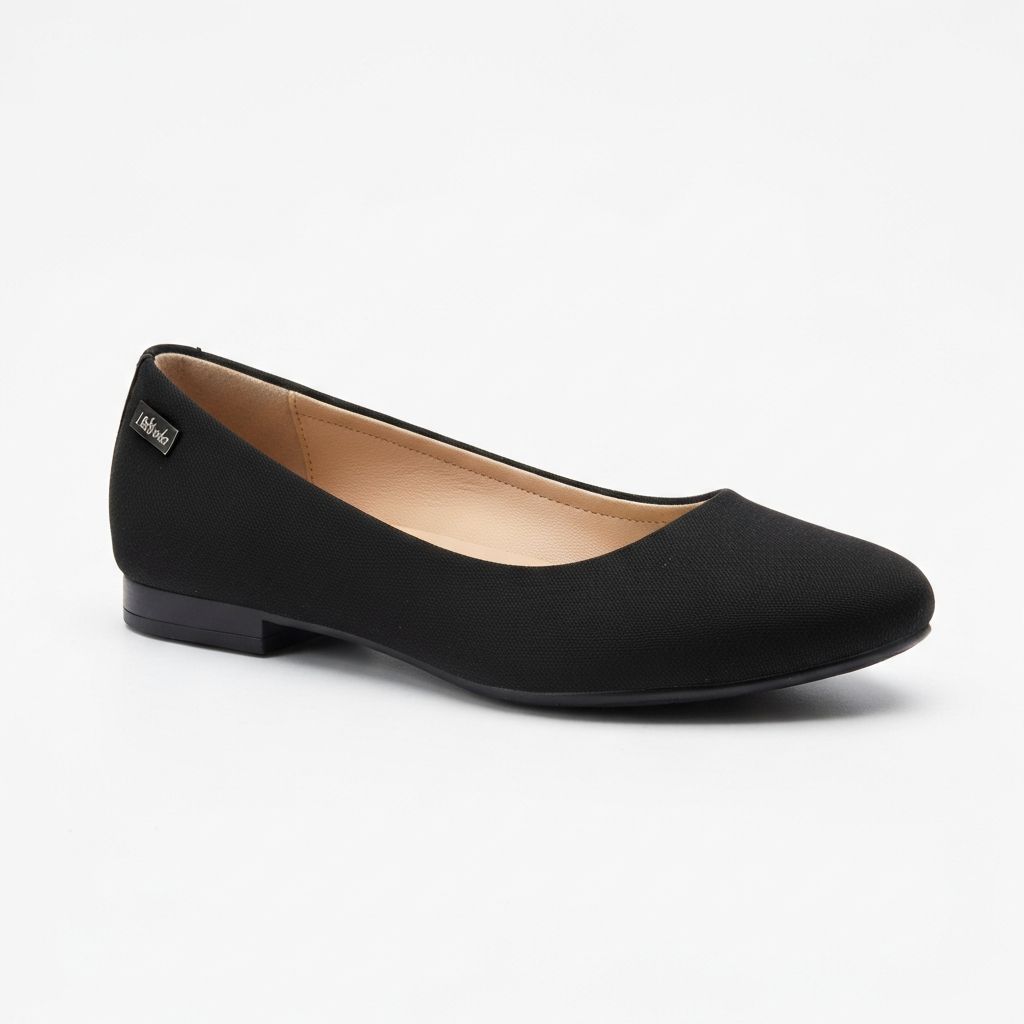
What to Consider When Choosing Naturalizer Shoes for Arthritic Feet
To choose the best Naturalizer shoes for arthritic feet, prioritize models featuring Contour+ technology, which provide anatomical sculpting and high-rebound cushioning. Focus on a wide toe box to accommodate joint swelling, a low heel...
To choose the best Naturalizer shoes for arthritic feet, prioritize models featuring Contour+ technology, which provide anatomical sculpting and high-rebound cushioning. Focus on a wide toe box to accommodate joint swelling, a low heel height (under two inches) for stability, and adjustable closures like laces or straps to manage daily fluctuations in inflammation.
Contents
Arthritis is not a single condition but a complex group of over 100 different types of joint diseases and related conditions. For those living with osteoarthritis, rheumatoid arthritis, or gout, the feet are often the first area to signal distress. Choosing footwear becomes less about fashion and more about medical necessity, though the desire for style remains. Naturalizer has long occupied a unique niche in the footwear industry, branding itself as "the shoe with the beautiful fit" since 1927. By 2026, the brand has further refined its focus on ergonomics, making it a frequent recommendation for individuals seeking a balance between podiatric support and contemporary aesthetics.
Understanding the Arthritic Foot and Footwear Biomechanics
When selecting shoes for arthritis, it is essential to understand how the disease alters foot mechanics. Arthritis often leads to the degradation of cartilage, resulting in bone-on-bone friction, stiffness, and structural changes like bunions or hammertoes. In rheumatoid arthritis, systemic inflammation can even affect the ligaments, leading to a collapse of the midfoot arch.
The goal of an "arthritic-friendly" shoe is threefold: shock absorption, joint stabilization, and pressure redistribution. Naturalizer’s design philosophy addresses these through specialized footbeds and flexible outsoles. However, not every Naturalizer shoe is suitable for every stage of arthritis. You must evaluate the specific structural features of a model against your personal symptoms, such as hallux valgus (bunions) or metatarsalgia (pain in the ball of the foot).
The Importance of the Naturalizer Contour+ System
The cornerstone of Naturalizer’s appeal for those with joint pain is the Contour+ Comfort System. As we navigate the footwear landscape in 2026, this technology remains a benchmark for "all-day wearability" in the mass market.
The system is built on an innovative anatomical sculpting process. Unlike traditional flat insoles, Contour+ is molded to follow the natural curves of a woman’s foot. For an arthritic user, this means the weight of the body is distributed across the entire plantar surface rather than being concentrated on the heel or the forefoot. This distribution is vital for reducing the "peak pressure" points that often trigger arthritic flare-ups.
Furthermore, the system utilizes high-rebound foam. While some orthopedic shoes use very hard materials for maximum stability, Naturalizer’s foam provides enough "give" to act as a secondary shock absorber, mimicking the function of the fat pads on the bottom of the foot which may have thinned due to age or disease.
Key Considerations for Shoe Selection
When browsing Naturalizer’s collections, certain technical specifications should take precedence over visual design. Use the following criteria to filter your choices.
1. Toe Box Width and Depth
Arthritis often causes the joints in the toes to swell or shift. A narrow toe box is the primary enemy of an arthritic foot, as it forces the toes together, exacerbating pain in the MTP (metatarsophalangeal) joints. Naturalizer is well-regarded for offering multiple width options—Narrow, Medium, and Wide. If you suffer from bunions or significant swelling, opting for a Wide width, even if you historically wore a Medium, can provide the necessary volume to prevent friction.
2. Heel Height and Geometry
High heels shift the center of gravity forward, placing excessive load on the forefoot joints. For those with arthritis in the ankles or knees, this can be debilitating. Experts generally recommend a heel height of no more than 1.5 to 2 inches.
Naturalizer offers various "block heels" and "wedges" that provide a wider base of support compared to stilettos. A wider heel base improves lateral stability, reducing the risk of ankle rolls, which is a significant concern for those with compromised joint proprioception (the body's ability to sense movement and location).
3. Sole Flexibility and Rocker Bottoms
While you want a shoe to be flexible enough to allow for a natural gait, too much flexibility can be detrimental for those with midfoot arthritis. You need a sole that is firm enough to protect the foot from uneven terrain but possesses a slight "rocker" motion or a flexible forefoot to assist in the "toe-off" phase of walking. Naturalizer's non-slip outsoles are typically made of lightweight synthetic materials that provide grip without adding unnecessary weight to the limb.
4. Adjustable Closures
Inflammation levels can change throughout the day. A shoe that fits perfectly at 8:00 AM might be painfully tight by 4:00 PM. Whenever possible, choose Naturalizer models with adjustable features:
- Laces: Allow for the most precise adjustment across the instep.
- Velcro Straps: Ideal for those with limited hand dexterity or "trigger finger" caused by rheumatoid arthritis.
- Elastic Goring: Provides a dynamic fit that expands as the foot swells.
Material Selection: Leather vs. Synthetic
The material of the upper plays a significant role in comfort. Naturalizer frequently uses high-quality leathers and suedes. Genuine leather is preferred for arthritic feet because it is breathable and has a natural ability to stretch and mold to the foot's shape over time.
In contrast, some synthetic materials are rigid and "memory-less," meaning they will not accommodate a protruding joint. If you choose a synthetic option, ensure it is part of Naturalizer’s "Soul" or "Sport" lines, which often utilize soft, breathable knits or microsuedes specifically designed for flexibility.
Comparison of Naturalizer Styles for Arthritic Needs
| Shoe Type | Best For | Key Arthritic Feature | Limitation |
|---|---|---|---|
| Naturalizer Sneakers | General mobility, walking | Maximum shock absorption; removable insoles for custom orthotics. | Often too casual for professional environments. |
| Loafers / Flats | Professional settings, office wear | Contour+ footbeds and low profiles reduce knee strain. | May lack enough depth for thick custom orthotics. |
| Block Heel Pumps | Formal events, weddings | Wide base of support; distributed pressure across the footbed. | Not suitable for extended walking or active flare-ups. |
| Ankle Boots | Winter wear, stability | Provides additional support to the ankle complex. | Can be difficult to put on if wrist/hand arthritis is present. |
Sizing Tips for Maximum Comfort
Standard sizing often fails the arthritic patient. To ensure the best fit in Naturalizer shoes, consider these professional fitting tips:
- Shop in the Afternoon: Feet are at their maximum volume later in the day due to gravity and activity.
- Measure Both Feet: It is common for arthritis to affect one foot more severely than the other, leading to size discrepancies. Always fit the shoe to the larger foot.
- The Rule of Thumb: There should be approximately a half-inch (a thumb's width) of space between your longest toe and the end of the shoe.
- Check the Seams: Ensure there are no internal seams or decorative stitching directly over your most sensitive joints, as these can cause "hot spots" and blisters.
Addressing Orthotic Integration
Many people with advanced arthritis require custom-made orthotics prescribed by a podiatrist. One of the primary benefits of the Naturalizer brand is that many of their closed-back shoes and sneakers feature removable footbeds.
Before purchasing, verify if the original insole can be lifted out. If you cannot remove the factory insole, adding an orthotic on top may "overstuff" the shoe, leading to nerve compression on the top of the foot (dorsal compression) and making the heel cup too shallow, which causes the foot to slip out.
Common Mistakes to Avoid
A frequent error is purchasing shoes that are too soft. While "pillowy" cushioning feels good for the first five minutes, it often lacks the structural integrity to support the joints. If the shoe can be twisted like a wet rag, it will not provide the stability an arthritic foot requires. Look for a balance of cushioning and torsional rigidity.
Another mistake is ignoring the "break-in" period. In 2026, the consensus remains that a shoe should feel comfortable immediately. The idea that you must "break in" a shoe for weeks is a myth that often leads to unnecessary pain and injury for those with sensitive joints. If a Naturalizer shoe pinches or rubs in the store (or upon arrival), it is likely the wrong size or shape for your specific arthritic profile.
Frequently Asked Questions
Can I wear Naturalizer heels if I have osteoarthritis in my knees?
Yes, but with caution. You should stick to Naturalizer’s lower block heels or wedges. Research indicates that even a small increase in heel height can increase the load on the knee joint. Look for the "Contour+ Comfort" label to ensure the heel includes the necessary arch support to help align your kinetic chain from the foot up to the knee.
Are Naturalizer shoes wide enough for bunions?
Naturalizer offers a dedicated "Wide" range that is specifically designed with more volume in the forefoot. For those with significant bunions, look for styles with "soft" leather or suede uppers, as these materials will stretch slightly to accommodate the protrusion without causing painful pressure points.
Do Naturalizer shoes have good arch support?
Most Naturalizer shoes equipped with the Contour+ system provide moderate arch support. This is designed to support the medial longitudinal arch. However, if you have severely "flat feet" or a collapsed arch due to rheumatoid arthritis, you may still need to swap the factory insole for a medical-grade orthotic.
How often should I replace my Naturalizer shoes?
For those with arthritis, the integrity of the cushioning is paramount. Generally, if you wear the shoes daily, you should inspect them every 6 to 8 months. Once the outsole shows uneven wear or the internal foam feels "bottomed out" and no longer rebounds, the shoes are no longer providing the protective benefits your joints require.
Is the "Soul" by Naturalizer line good for arthritis?
"Soul" is a sister line that focuses on "unstructured" comfort. These shoes are often lighter and more flexible. They are excellent for those who need a very soft shoe for sensitive skin or mild joint pain, but they may offer less structural stability than the main Naturalizer line for those with advanced joint deformities.
Expert Recommendation
For the best results, start your search with Naturalizer’s sneaker or loafer categories featuring the Contour+ label. If you are dealing with a current inflammatory flare-up, prioritize models with adjustable lace-up closures and wide width options. Always consult with your podiatrist to see if your specific arthritic condition requires a specific type of rigid shank or rocker bottom before making a final purchase.
Image Gallery