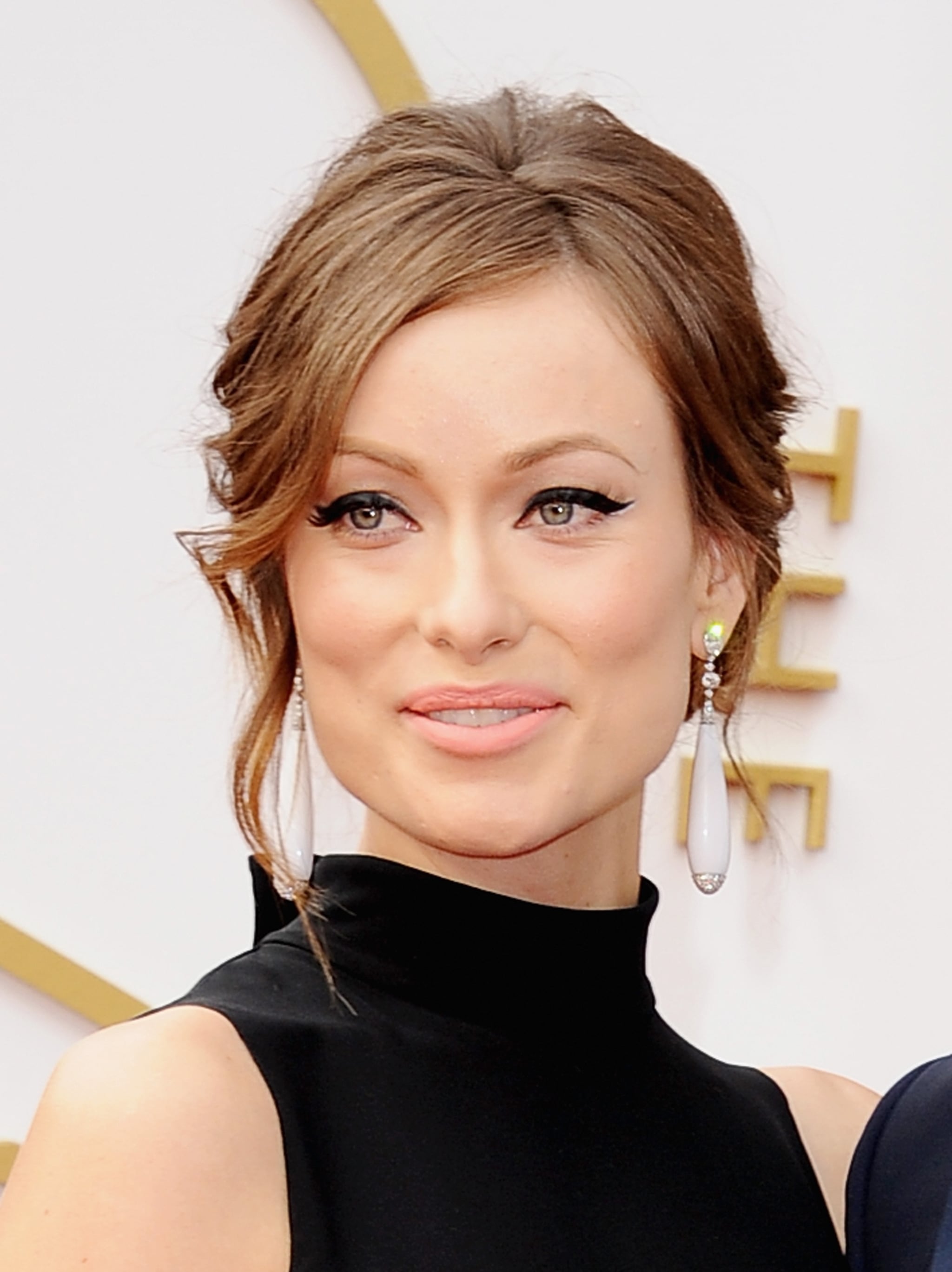
Why the Olivia Wilde Blonde Look Still Turns Heads
The iconic Olivia Wilde blonde aesthetic continues to captivate because it perfectly balances warm honey tones, dimensional balayage, and strategic root shadowing. Rather than opting for a single-process platinum, this multi-tonal appr...
The iconic Olivia Wilde blonde aesthetic continues to captivate because it perfectly balances warm honey tones, dimensional balayage, and strategic root shadowing. Rather than opting for a single-process platinum, this multi-tonal approach softens strong angular facial features, highlights light-colored eyes, and delivers a sun-kissed, high-fashion finish that remains remarkably effortless.
Contents
The Aesthetics Behind the Look: Structure, Tone, and Contrast
Hair color is never just about changing pigments; it is an architectural tool that shifts how light interacts with the face. Olivia Wilde’s transition between rich brunettes and luminous blondes offers a masterclass in how hair color can dramatically reshape visual perception without requiring surgical intervention or heavy makeup.
When evaluating why this specific hair color style retains its timeless appeal, colorists point to three primary visual drivers:
1. Softening Strong Facial Architecture
Wilde is celebrated for her striking, angular jawline and distinct square face shape. While uniform dark colors accentuate sharp contours and create harsh shadows along the jaw, multi-dimensional blonde tones break up hard lines. Soft golden weaves and lighter ribboning around the chin line diffuse incoming light, creating a delicate halo effect that softens the perimeter of the face while preserving its elegant structure.
2. Amplifying Light and Eye Contrast
The contrast between light blonde hair and light-colored eyes—specifically hazel, green, or blue-gray—creates an instantaneous focal point. When warm honey and butter-blonde highlights are placed around the cheekbones and forehead, they reflect warmth into the irises. This technique makes green and hazel pigments in the eyes appear noticeably more vibrant compared to when framed by a solid, flat dark brown shade.
3. The Illusion of Natural Sun-Drenched Depth
Monochromatic blonde shades often look artificial and require high-frequency maintenance. In contrast, the Wilde-inspired approach mimics the natural lightening patterns caused by UV exposure during summer months. By keeping the deeper depth at the crown and scattering lighter strands along the mid-lengths and ends, the style provides the movement, shine, and depth associated with youth and vitality.
Decoding the Palette: Honey, Butter, and Caramel Tones
A common mistake when attempting to replicate famous blonde looks is requesting a shade that is too cool, icy, or washed out. The genius of the Olivia Wilde signature blonde lies in its intentional warm-to-neutral temperature palette.
- Base / Shadow Root: Level 6 Soft Mocha / Dark Warm Blonde
- Mid-Length Blend: Level 7-8 Honey & Warm Caramel
- Bright Highlights: Level 9 Golden Butter & Soft Vanilla
The Level 6 to Level 7 Base
The foundation of this style relies on a rich, medium dark blonde or soft light brown base color (typically categorized as a Level 6 or 7 on the professional color scale). Keeping the base within this range prevents the stark contrast associated with harsh re-growth and provides a solid visual grounding that prevents bright blonde strands from looking metallic or synthetic.
Warm Honey and Golden Balayage
Rather than neutralizing every trace of warmth, this color style embraces gold, amber, and honey undertones. These tones are critical because they interact positively with human skin undertones—particularly neutral, olive, and peach complexions. Warm tones reflect significantly more light than ash or violet tones, giving the hair an energetic, healthy sheen even under dim lighting conditions.
Vanilla and Butter-Blonde Ribbons
To prevent the overall color from looking overly brassy or monochromatic amber, fine micro-highlights in butter or soft vanilla blonde (Level 9) are woven through the ends and front sections. These brighter ribbons provide the crisp dimension that makes the hair turn heads when it catches natural movement.
Technical Hairline Techniques: Root Melts and Face Framing
Achieving this high-impact yet relaxed aesthetic requires precise professional application techniques. Stylists rely on a combination of freehand painting and targeted foil placement to create seamless gradients.
- Top Crown: Smudged Deep Natural Root (Root Melt)
- Gradual Balayage Transition
- Front, Sides, Back: High-Contrast Face-Framing "Money Piece"
- Gradual Balayage Transition
Shadow Roots and Root Melts
A critical structural component of this color transformation is the shadow root or root melt. After lifting the hair with lightener, the colorist applies a demi-permanent gloss near the scalp that matches or slightly lightens the natural root tone. This gloss is smudged down 1 to 2 inches, blurring the line of demarcation between the natural growth and the lightened lengths. The result is a seamless gradient that allows the color to age gracefully over months rather than weeks.
The Modern "Money Piece"
To bring immediate brightness to the eyes and complexion, thin sections of hair directly framing the face are lightened more intensely from closer to the root. Unlike the harsh, blocky 1990s streak trends, this modern face-framing technique is seamlessly blended into the surrounding hairline using fine weave highlights (babiylights). This ensures that even when the hair is tied back in a casual updo, bright, face-flattering tones remain prominently displayed.
Strategic Sectioning and Ribboning
The distribution of lightener is not uniform. Heavy saturation is concentrated on the lower third of the hair (the ends) and around the front perimeter. The interior sections receive painted balayage sweeps that leave natural lowlights untouched. This contrast between lightened surface strands and deeper interior depth creates dynamic volume and visual thickness.
Blonde Style Comparison: Finding Your Fit
Before committing to a major color overhaul, it is helpful to evaluate how the Olivia Wilde honey-balayage style compares to other iconic blonde choices in terms of skin suitability, upkeep schedules, and technical requirements.
| Blonde Style Category | Primary Undertones | Ideal Skin Tone | Maintenance Interval | Damage Potential |
|---|---|---|---|---|
| Wilde Honey Balayage | Warm Gold, Honey, Soft Caramel | Neutral, Peach, Warm Olive | 10 to 14 Weeks | Low to Moderate |
| Platinum / Icy Nordic | Cool Violet, Silver, Pearl | Pale Neutral, Deep Cool | 3 to 5 Weeks | High to Very High |
| Ash Blonde Balayage | Cool Mushroom, Slate, Neutral | Cool Pink, Fair Neutral | 6 to 8 Weeks | Moderate |
| Single-Process Gold | Uniform Amber, Warm Yellow | Warm Spring, Olive | 4 to 6 Weeks | Moderate |
| Strawberry Blonde | Copper, Peach, Soft Rose | Fair Floral, Pale Warm | 6 to 8 Weeks | Moderate |
How to Request This Look at the Hair Salon
Communicating effectively with a professional hair colorist is essential to achieving desired outcomes while avoiding costly color correction sessions. Photographical references are helpful, but translating those images into professional color language ensures alignment.
Step 1: Define the Desired Base Level
Explain that you want to maintain depth at the root with a Level 6 or 7 shadow root. Inform your colorist that you prefer a seamless root melt rather than highlights drawn directly to the scalp.
Step 2: Clarify Tone Preferences
Specify that you want warm golden, honey, and butter-blonde tones rather than cool ash, platinum, or gray tones. Explicitly state that you embrace reflective gold warmth as long as it avoids raw orange brassiness.
Step 3: Request Dimensional Balayage with Face Framing
Ask for a combination of dimensional foilayage or balayage painting, with explicit focus on a blended, bright face-framing effect. Emphasize that you want natural lowlights left open throughout the interior to preserve depth and contrast.
Step 4: Schedule the Gloss and Bond Treatment
Ensure your salon booking includes a custom demi-permanent toning gloss to seal the cuticle and lock in specific honey pigments. Always request a structural bond-building additive (such as Olaplex, K18, or Wellaplex) during the bleaching process to safeguard internal hair fibers.
Long-Term Maintenance and At-Home Care Regimen
Maintaining a rich, multi-tonal honey blonde requires targeted structural repair and tone preservation products. Without proper care, environmental factors, hard water, and heat styling will dull golden tones or push them into unwanted orange territory.
- Bond Repair Mask (1x / Week)
- Color-Safe Sulfate-Free Wash
- Dual-Toner Use (Warm & Violet)
- Thermal Protectant (Pre-Style)
1. Alternate Toning Formulas Wisely
Many blondes rely too heavily on intense purple shampoos designed for icy platinum hair. Overusing strong purple pigments on honey-blonde hair can wash out golden vibrancy and turn warm tones into an undesirable muddy slate color.
- Use a gentle sulfate-free, color-safe shampoo for regular washes.
- Use a deposit-only warm gloss or beige-toned conditioning mask every 3 to 4 weeks to refresh gold hues.
- Reserve mild purple or blue-tinted shampoos strictly for instances where mid-lengths develop harsh brassiness, applying them for no more than 2 to 3 minutes.
2. Strengthen Internal Keratin Bonds
Lightening hair to achieve blonde ribbons alters the structural integrity of the hair cortex by breaking disulfide bonds.
- Apply a professional peptide or bond-building leave-in mask once a week to repair broken protein chains.
- Avoid heavy protein treatments every day, as excessive protein buildup without adequate hydration causes hair strands to become brittle and snap.
3. Thermal Protection Against Oxidation
Heat tools operating above 350°F (175°C) degrade synthetic tone pigments and accelerate color fading.
- Always apply a silicone-based or botanical thermal protectant spray before blow-drying, curling, or flat-ironing.
- Lower heating tool temperatures to 300°F–340°F when styling lightened sections.
Frequently Asked Questions
Can naturally dark brunettes achieve this honey blonde look safely?
Yes. Dark brunettes (Level 3 or 4) can achieve this aesthetic, but it may require two lifting sessions to reach a clean golden base without causing excessive thermal or chemical stress. A shadow root helps brunettes wear this style naturally because the transition near the scalp remains dark and soft.
Will warm honey blonde tones suit cool skin undertones?
Warm honey tones work surprisingly well on cool skin because the golden reflections create a flattering, healthy glow against pale or pink undertones. However, the colorist should incorporate cool beige or soft vanilla ribbons around the face to ensure a harmonious blend with the skin.
How often does an Olivia Wilde-style balayage require salon touch-ups?
Because this color technique utilizes a smudged shadow root and soft balayage transitions, traditional touch-ups are only required every 10 to 14 weeks. However, visiting the salon every 5 to 6 weeks for a quick 20-minute gloss refresh keeps the golden tones vibrant and reflective.
Is balayage less damaging to hair than traditional foil highlights?
Balayage can be less damaging because it leaves large portions of the natural hair untouched and typically uses lower-volume developers over longer processing times. However, the overall damage level depends entirely on the initial health of the hair, the strength of the lightener, and post-color maintenance routines.
What is the difference between brassiness and warm golden tones?
Brassiness refers to harsh, unrefined raw orange or red undertones that appear when dark hair is insufficiently lightened. Warm golden tones, by contrast, are refined, intentional pigments deposited via a toner or gloss that reflect rich yellow, butter, and amber light cleanly.
Practical Action Plan: Next Steps
If you are ready to transition your hair toward this head-turning, multi-dimensional blonde look:
- Schedule a Professional Consultation: Find a stylist specializing in balayage and dimensional blonding. Bring 2–3 photos showcasing the specific tone density and face-framing width you desire.
- Perform a Strand Test: If your hair currently contains dark box dye or chemical treatments, request a preliminary strand test to ensure your hair can safely lift to a Level 8 or 9 without compromised integrity.
- Prep Your Hair 2 Weeks Prior: Conduct a deep-conditioning treatment and eliminate high-heat styling for two weeks leading up to your salon appointment to prepare your cuticles for color processing.
Image Gallery