Investing in Magic The Gathering Cards: A Comprehensive Financial Guide
Investing in Magic: The Gathering (MTG) cards involves acquiring rare, out-of-print, or high-demand collectible cards to generate long-term capital appreciation. Success requires balancing "Reserved List" stability against modern repri...
Investing in Magic: The Gathering (MTG) cards involves acquiring rare, out-of-print, or high-demand collectible cards to generate long-term capital appreciation. Success requires balancing "Reserved List" stability against modern reprint risks, understanding format-driven demand, and utilizing professional grading services to maximize the liquidity and value of high-end assets in the 2026 market.
Contents
Understanding the Fundamentals of the MTG Secondary Market
To treat Magic: The Gathering as a serious investment vehicle rather than a hobby, one must first distinguish between "player demand" and "collector scarcity." Since its inception in 1993, Magic has evolved from a niche tabletop game into a multi-billion-dollar global brand under Hasbro's Wizards of the Coast (WotC). In 2026, the secondary market functions much like a commodities exchange, with high-frequency trading platforms and professional appraisal services dictating the flow of capital.
The value of an MTG card is generally derived from three pillars: utility in competitive play, historical significance, and aesthetic rarity. While utility can fluctuate based on game rules and the "banned and restricted" lists, historical significance remains relatively static. For an investor, the goal is to identify assets where the supply is permanently capped or dwindling, while demand—driven by nostalgia or the social popularity of formats like Commander—continues to rise.
Unlike traditional stocks, MTG cards are physical assets. This introduces unique considerations such as physical condition, authentication, and storage. A card that is "Near Mint" (NM) can command a premium of 50% to 100% over a "Moderately Played" (MP) version of the same card. Therefore, the technical depth of MTG investing requires a keen eye for card grading and a rigorous approach to provenance.
The Reserved List: The Gold Standard of MTG Investing
For conservative investors, the Reserved List is the most critical concept in the ecosystem. Established in 1996 and updated in 2002, the Reserved List is a formal policy by Wizards of the Coast promising never to reprint specific cards from the game's earliest sets. This policy was created to preserve the secondary market value for collectors after the "Chronicles" set caused a market crash by oversupplying rare cards.
In 2026, the Reserved List remains the primary hedge against inflation within the hobby. Because these cards cannot be reintroduced into the supply chain, they behave as "Veblen goods"—commodities for which demand increases as the price rises because they serve as status symbols.
Key Reserved List Targets
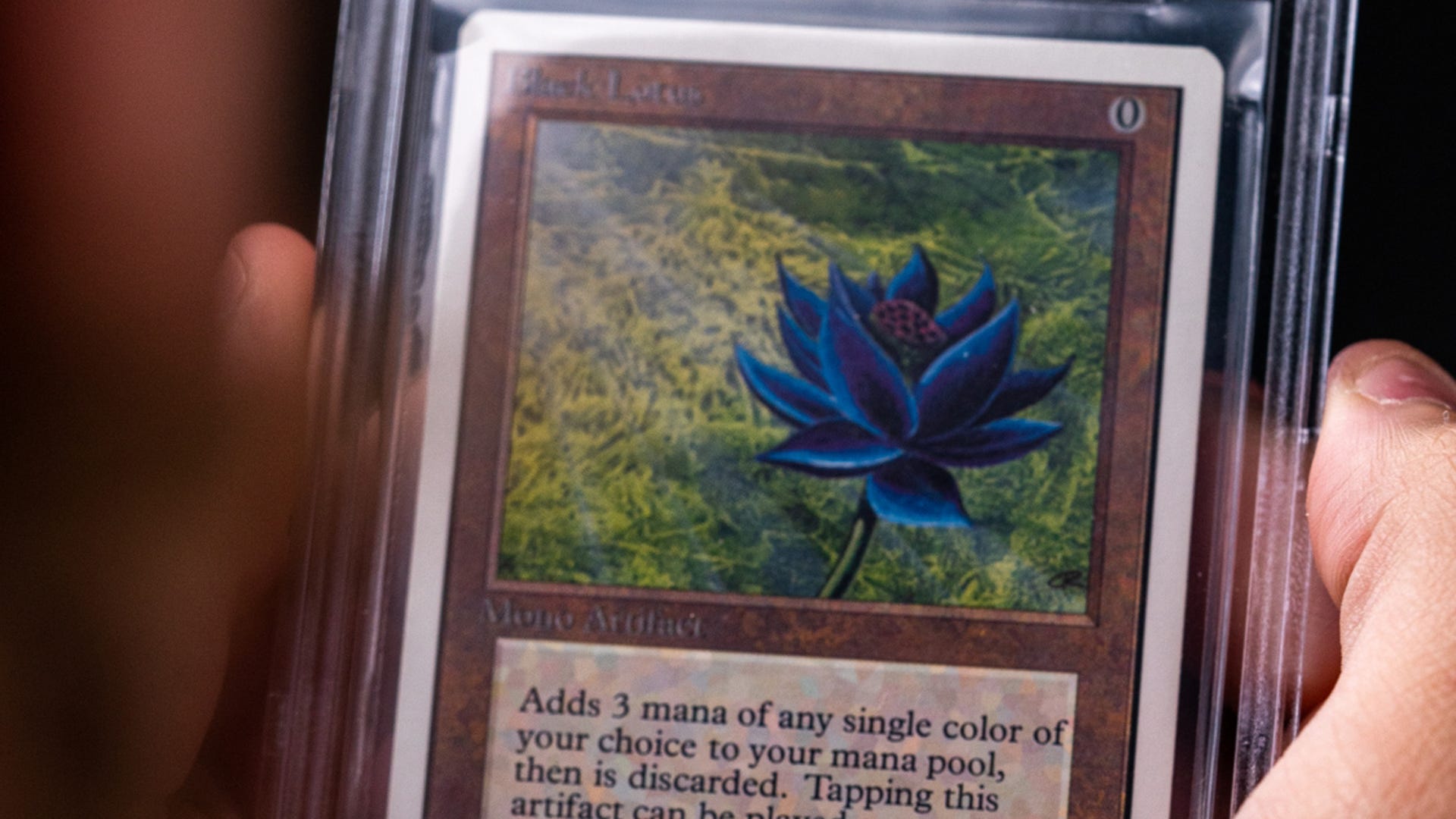
- The Power Nine: These are the nine most powerful and iconic cards from the 1993 Alpha, Beta, and Unlimited sets, including the legendary Black Lotus. They represent the absolute ceiling of the market.
- Dual Lands: Ten lands that produce two colors of mana (e.g., Volcanic Island, Underground Sea) from the Revised and Unlimited editions. These are essential for high-end "Legacy" and "Vintage" formats, ensuring a floor of player demand beneath the collector value.
- Reserved List Rares: Cards like Gilded Drake or Survival of the Fittest that, while not as expensive as the Power Nine, offer high growth potential due to their unique mechanics that cannot be replicated.
Modern Era Investing: Serialized Cards and Universes Beyond
The landscape of MTG investing shifted significantly between 2022 and 2026 with the introduction of "Project Booster Fun" and "Universes Beyond." Wizards of the Coast began aggressively pursuing "reprint equity," meaning they frequently reprint powerful cards in new art styles to drive sales of current products. This has made investing in "Standard" or "Modern" cards extremely risky, as a sudden reprint can devalue a non-Reserved List card by 80% overnight.
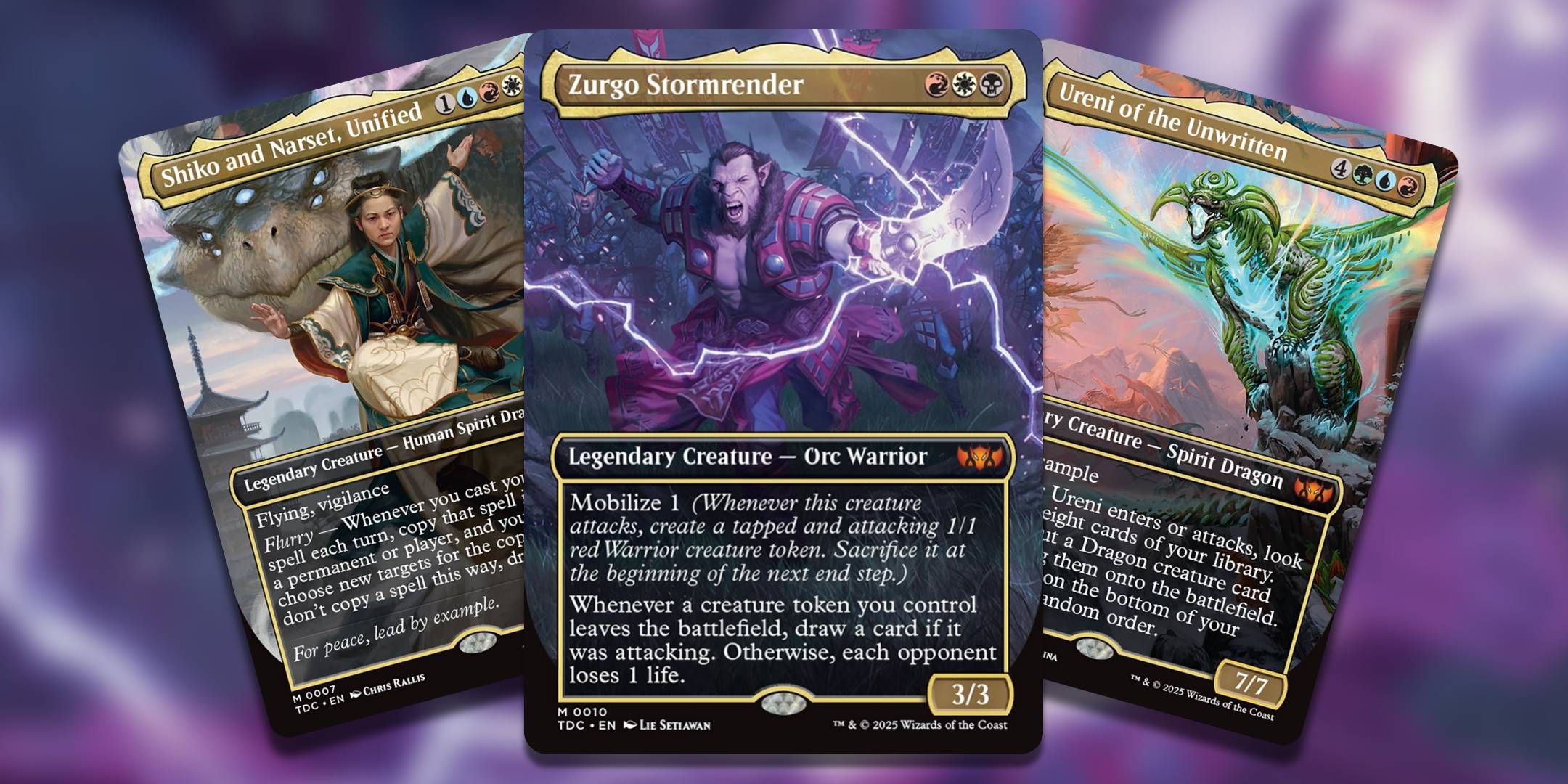
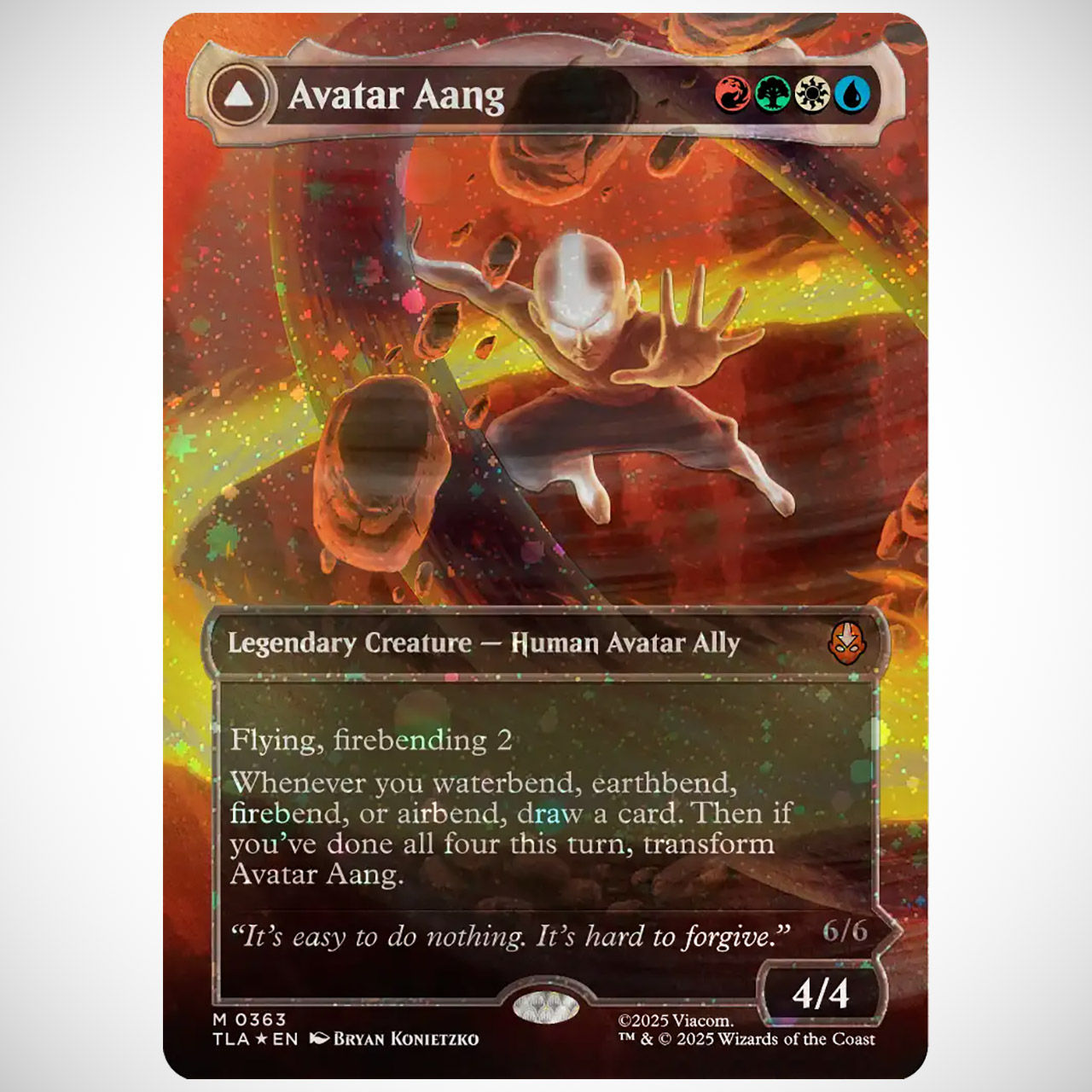
To counter this, WotC introduced Serialized Cards. These are limited-run versions of cards, often numbered (e.g., 001/500) with a unique double-rainbow foil finish. In 2026, these have become the primary focus for modern-era investors. The scarcity is "hard-coded" into the print run, creating a sub-market of numbered collectibles that mimics the sports card industry.
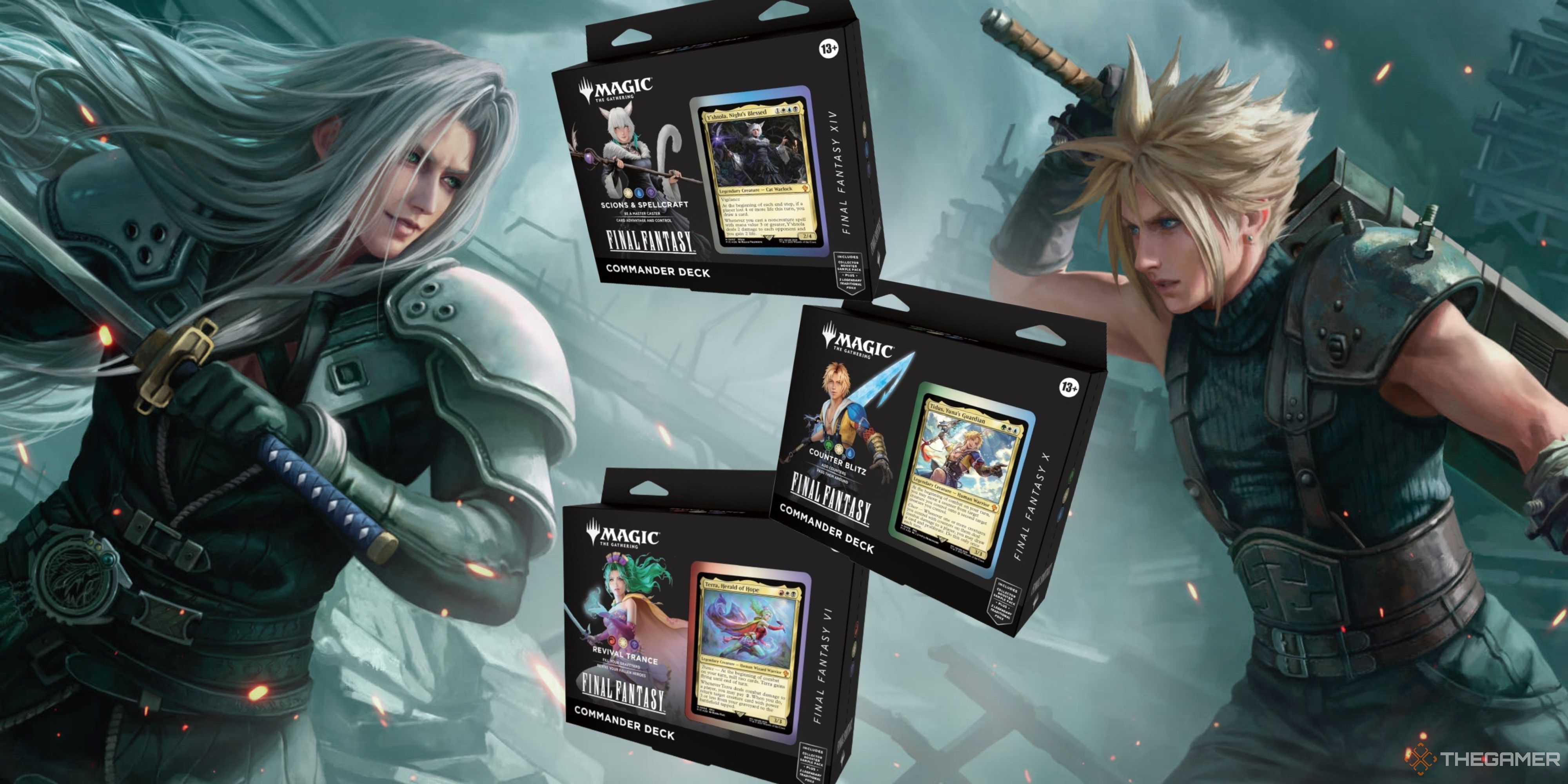
Furthermore, the Universes Beyond initiative—incorporating IPs like The Lord of the Rings, Marvel, and Fallout—has expanded the investor pool. A 1-of-1 serialized "The One Ring" sold for over $2 million in 2023, setting a precedent for the "lottery card" era. Investors now look for these ultra-rare crossovers as they appeal to collectors outside the traditional MTG player base, providing a broader exit strategy.
Evaluating Card Condition and Professional Grading
The difference between a five-figure investment and a four-figure mistake often comes down to a few microscopic specks of white on a card's edge. Professional grading is the process of sending a card to a third-party company like PSA (Professional Sports Authenticator), BGS (Beckett Grading Services), or CGC Cards to be authenticated and assigned a numerical grade from 1 to 10.
Grading serves two purposes:
- Authentication: Ensuring the card is not a high-quality counterfeit or "re-backed" (two card halves glued together).
- Preservation: The card is "slabbed" in a sonically sealed plastic holder, preventing further degradation.
In the 2026 market, "slabbed" cards generally carry a significant "liquidity premium." A card graded as a PSA 10 (Gem Mint) is far easier to sell on international platforms like eBay or Heritage Auctions because the buyer does not need to trust the seller's subjective assessment of the condition. However, grading carries costs ($15–$200+ per card depending on value and turnaround time), so it should only be reserved for high-value assets where the potential grade increase justifies the fee.
Storage and Asset Protection
MTG cards are made of pasteboard and are highly susceptible to environmental damage. Humidity is the primary enemy; excessive moisture causes cards to "curl" or "pringle," particularly foil versions. This physical warping can permanently reduce a card's grade.
Serious investors utilize the following storage standards:
- Climate Control: Maintaining a consistent temperature (65-70°F) and relative humidity (40-50%).
- Protective Sleeving: Using PVC-free, acid-free "inner sleeves" (e.g., KMC Perfect Fits) inside a standard sleeve.
- Fireproof Safes: For high-value Reserved List assets, fire-rated and waterproof safes are mandatory.
- Insurance: Standard homeowners' insurance rarely covers high-value collectibles. Specialist insurers like Collectibles Insurance Services (CIS) or adding a specific "scheduled personal property" rider to an existing policy is necessary to protect against theft or catastrophic loss.
Comparative Analysis of Investment Tiers
The following table compares the three primary categories of MTG investments based on the market conditions of 2026.
| Investment Category | Primary Risk | Expected Liquidity | Ideal Holding Period | Price Volatility |
|---|---|---|---|---|
| Vintage Reserved List | Counterfeits / Macro-economy | Moderate | 5–10 Years | Low |
| Serialized Modern Cards | Collector Fatigue / Oversupply | High (Initial) | 1–3 Years | High |
| Sealed Booster Boxes | Physical Damage / Storage Space | Low | 7–12 Years | Moderate |
| Commander Staples | Unexpected Reprints / Ban List | High | 6–18 Months | High |
Market Analysis and Pricing Tools
Successful investing requires data-driven decisions rather than emotional speculation. Investors should track "realized prices"—what people actually paid—rather than "asking prices."
Key platforms for 2026 investors include:
- TCGplayer: The primary marketplace for the North American market, offering "Market Price" data based on recent transactions.
- Cardmarket: The equivalent for the European market, often reflecting different trends and localized demand.
- MTGGoldfish: Provides historical price charts and tracks the "Meta-game" to show which cards are rising due to tournament success.
- eBay (Sold Listings): The most reliable source for determining the current value of graded cards and unique rarities.
Common Pitfalls and Risks
Investing in Magic: The Gathering is not without significant risks. It is an unregulated market, and investors do not have the same protections as they would in the stock market.
- Liquidity Risk: Unlike a stock that can be sold in seconds, a $10,000 Black Lotus may take weeks or months to find a buyer at the correct price. Selling quickly often requires taking a 20-30% "haircut" by selling to a vendor (buylist).
- Power Creep: In the modern era, WotC frequently releases new cards that are strictly better than older ones. This "power creep" can destroy the demand for older, non-Reserved List cards that were once considered safe investments.
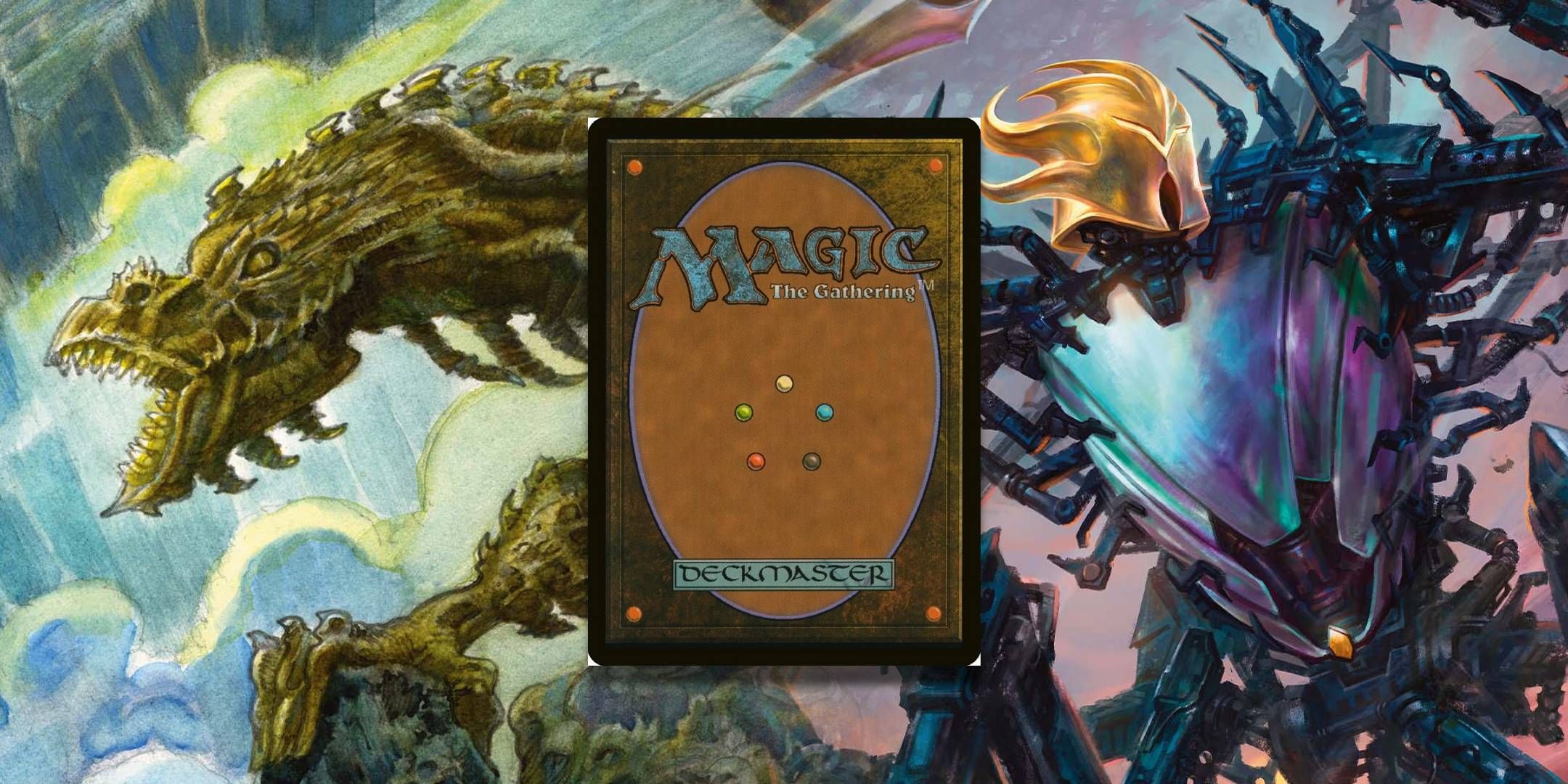
- Counterfeits: High-end proxies (fakes) have become increasingly sophisticated. Investors must learn to perform the "green dot test" (using a jeweler's loupe to inspect the red "L" pattern on the back of the card) and the "light test" to verify authenticity.
- Tax Obligations: In many jurisdictions, MTG cards are classified as "collectibles." In the United States, for example, long-term capital gains on collectibles are taxed at a higher rate (up to 28%) than standard stocks. It is vital to maintain meticulous records of "cost basis" (what you paid) for every transaction.
Note: This article is for informational purposes only and does not constitute professional financial advice. Collectible markets are volatile and carry the risk of total loss.
FAQ
Is the Reserved List ever going to be abolished?
Wizards of the Coast has reaffirmed its commitment to the Reserved List multiple times, most notably in 2010 and again in 2023. While there is constant community pressure to abolish it for "game accessibility," the legal risk of "promissory estoppel" (where collectors could sue for loss of value) makes a full repeal highly unlikely. In 2026, the policy remains the bedrock of MTG's investment appeal.
Should I invest in "Sealed" product or "Singles"?
Sealed product (unopened booster boxes) generally has a higher "floor" because the value is tied to the potential contents and the drafting experience. However, it is bulky, expensive to ship, and requires perfect storage conditions to prevent box damage. Singles (individual cards) offer higher growth potential and better portability but are more susceptible to sudden price drops if the card is reprinted or banned.
How do I know if a card is a good investment?
Look for "scarcity-plus-utility." A card that is rare but has no use in a popular game format (like Commander or Modern) will struggle to find a buyer. Conversely, a card that is popular but has a massive supply will stay cheap. The "sweet spot" is a card with unique art or a special frame that is also a "top-tier" card in the Commander format.
Does the "Universes Beyond" Marvel set affect old card prices?
Usually, these sets bring new players into the game, which increases the total demand for "staple" cards like fetch lands and mana rocks. While the Marvel cards themselves are separate entities, the influx of new capital into the ecosystem generally lifts the value of established, high-end assets over time.
How do I start with a small budget?
For those with under $500, focus on "speculation" rather than "investing." Identify cards in newly released sets that are being undervalued by the competitive community. Buy a "playset" (four copies) and look to flip them in 3–6 months once the meta-game stabilizes. Avoid the Reserved List until you have enough capital to purchase high-quality (LP or better) copies of Dual Lands.
Practical Recommendation: Your Next Action
If you are looking to enter the MTG investment market in 2026, your first step should not be buying a card. Instead, invest in a high-quality 10x-20x jeweler's loupe and spend time studying the "printing patterns" of authentic cards on sites like Magic: The Gathering’s official gallery.
Once you can confidently identify a counterfeit, target Revised Edition Dual Lands as your entry-level Reserved List assets. These cards provide the best balance of historical security and constant liquidity. Ensure any purchase over $500 is either pre-graded by PSA/BGS or bought from a highly reputable vendor with a clear return policy.
Image Gallery