Navigating the Pros and Cons of Living in Brazil: A 2026 Perspective
Living in Brazil offers a complex blend of vibrant cultural richness, immense natural beauty, and a dynamic economy, balanced against notable challenges regarding bureaucracy, infrastructure, and public security. Prospective residents...
Living in Brazil offers a complex blend of vibrant cultural richness, immense natural beauty, and a dynamic economy, balanced against notable challenges regarding bureaucracy, infrastructure, and public security. Prospective residents must weigh the appeal of a high-quality social life and favorable climate against the realities of a demanding legal framework and varying standards of public service delivery.
Contents
Cultural Vibrancy and Lifestyle Benefits
For many expatriates and remote workers, the primary allure of Brazil is the quality of life, which is deeply rooted in social connection. Brazilian culture is notoriously warm and welcoming, fostering an environment where building a social circle can happen more rapidly than in many Western European or North American nations.
The Climate Advantage
Brazil’s vast geography encompasses several climate zones, but for the majority of the population centers, the weather is a definitive pro. Even in the southern regions, which experience true winter, the climate remains mild compared to high-latitude countries. In the tropical north and northeast, year-round summer conditions allow for an outdoor-centric lifestyle that promotes physical activity and mental well-being.
Gastronomy and Social Dynamics
The culinary landscape in Brazil is diverse, reflecting a fusion of indigenous, African, and European influences. From the regional diversity of feijoada to the accessible, high-quality fresh produce available in local feiras (street markets), the cost of a healthy, fresh diet is significantly lower than in many developed nations. Furthermore, the emphasis on family and collective social gatherings provides a sense of community that many find lacking in more individualized societies.
Economic Considerations and Cost of Living
The economic environment in Brazil is characterized by significant fluctuations in the exchange rate, which can act as either a benefit or a detriment depending on the source of your income.
Purchasing Power for Foreign Income
For individuals earning in stronger currencies like the U.S. Dollar or the Euro, the cost of living in Brazil can be remarkably affordable. Rent, dining out, and domestic services—such as house cleaning or private childcare—are accessible at price points that would be considered luxury services in many other parts of the world. However, imported electronics, automobiles, and luxury goods are subject to heavy taxation, making them significantly more expensive than their global market averages.
The Complexity of Taxation
One of the most significant "cons" is the tax regime. Brazil operates under a complex system of cascading taxes (both federal and state-level). If you are considering establishing a business or becoming a tax resident, you will likely require the services of a local accountant (contador). The system is not only expensive but notoriously difficult to navigate without professional guidance, which adds a layer of operational overhead for entrepreneurs.
Bureaucracy and Legal Requirements
The term "bureaucracy" in Brazil is often described by locals as cartorial—a reference to the obsession with notarized documentation.
The Residency Process
Securing legal residency is a structured process, yet it is often time-consuming. Whether you are applying through a digital nomad visa, a marriage-based residency, or a retirement visa, the requirement for translated, notarized, and sometimes "apostilled" documents is absolute. You must be prepared for multiple trips to government offices and significant waiting periods for the issuance of your RNE/RNM (National Migratory Registration Card).
Public Infrastructure and Security
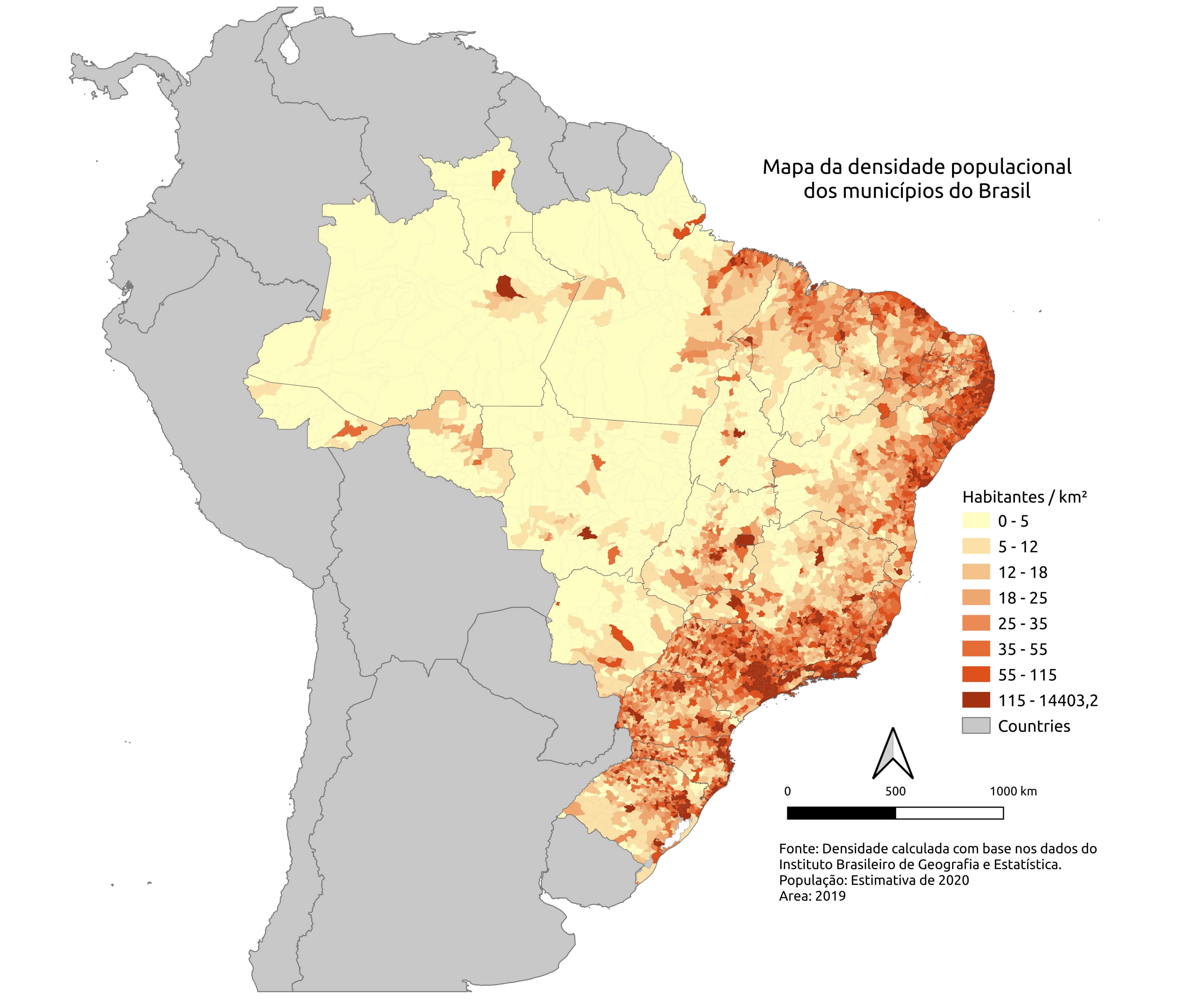
While major hubs like São Paulo and Rio de Janeiro offer world-class amenities, the disparity in infrastructure across different neighborhoods is sharp. Public transportation in the largest cities is comprehensive, though overcrowding remains a factor. Public safety is perhaps the most discussed drawback; crime rates vary significantly between cities and even between adjacent neighborhoods. Residents typically employ a higher level of "situational awareness" than they might in their home countries, which is a necessary adaptation to local realities.
Comparison Table: Living Factors
| Factor | Advantage | Challenge |
|---|---|---|
| Social Life | Warm, inclusive, and community-focused. | Can be overwhelming for those needing high privacy. |
| Cost of Living | Low for services and fresh food. | High for electronics, cars, and imports. |
| Healthcare | Excellent private hospital networks. | Large gap between public and private systems. |
| Bureaucracy | Digitized services are improving. | High reliance on notarization and physical paperwork. |
| Climate | Generally mild and tropical. | Extreme heat in northern regions. |
Healthcare Access: Public vs. Private
Brazil provides universal healthcare through the Sistema Único de Saúde (SUS). While it is an impressive institutional achievement that offers free coverage to every resident, wait times for specialized care can be extensive. Consequently, most middle- and upper-class residents, including many expatriates, rely on private health insurance (plano de saúde). Private hospitals in major cities are of international standard, often featuring staff trained in the United States or Europe. Understanding that your quality of life is tethered to a private health plan is a critical financial planning step for any new resident.
Education and Public Services
The educational system follows a similar dichotomy to the healthcare sector. Public universities are often the most prestigious and are free, yet entry is fiercely competitive. Private K-12 schooling is generally considered the standard for children of expatriates, and while these institutions offer high-quality, bilingual education, they represent a major household expense. Before relocating, families should research the specific costs of international schools in their target city, as these fees can reach several thousand dollars per month.
Frequently Asked Questions
Is it necessary to speak Portuguese to live in Brazil?
In major metropolitan hubs, you can navigate daily life with English, but for true integration and handling administrative tasks, Portuguese is essential. Most government offices and local utility providers do not operate in English, and you will find that local landlords or service providers are significantly more cooperative when you communicate in the local language.
How safe is it for foreigners to live in Brazil?
Safety depends heavily on location and lifestyle. Avoiding "ostentatious" displays of wealth, staying aware of your surroundings, and researching the specific safety profile of your chosen neighborhood are standard precautions. Many residents rely on gated communities or apartment complexes with 24/7 security.
What is the biggest hurdle for expats?
The biggest hurdle is almost universally the bureaucracy. Whether it is opening a bank account, signing a rental contract, or registering a vehicle, the process requires persistence, patience, and often, an intermediary like a lawyer or a "despachante" (a document runner).
Can I work remotely from Brazil?
Yes, Brazil offers a specific Digital Nomad Visa for those working for companies outside of Brazil. This allows you to live in the country legally for an initial period while continuing to work for your foreign employer. You must prove a specific monthly income threshold to qualify.
Does the cost of living vary by state?
Significantly. Cities like São Paulo and Rio de Janeiro have high costs of living comparable to major global capitals, while interior cities and states in the Northeast offer a much lower cost of living, though sometimes with less access to international-standard amenities.
Final Recommendation for Prospective Residents
The decision to move to Brazil should be preceded by a "trial period." Spend at least three months living in your target neighborhood as a resident, rather than a tourist, to understand the local flow of daily bureaucracy, safety protocols, and actual costs. Prioritize securing a reputable local accountant and, if necessary, a legal consultant early in your transition. Brazil rewards those who are patient with its administrative processes and eager to embrace its profound social warmth; it is a country that thrives on relationships, and your success will likely depend on your willingness to integrate into the local community.
Image Gallery