Understanding Japan: Why It Is a Small Country in Global Context
Japan is often perceived globally as an economic superpower and a densely populated cultural giant, leading many to underestimate its actual physical scale. In geographic terms, Japan is a relatively small island nation spanning approx...
Japan is often perceived globally as an economic superpower and a densely populated cultural giant, leading many to underestimate its actual physical scale. In geographic terms, Japan is a relatively small island nation spanning approximately 377,975 square kilometers, making it roughly comparable in land area to the US state of Montana or slightly smaller than Germany. However, when evaluating its size, one must factor in its rugged topography, where mountainous terrain restricts habitable land to less than thirty percent of the total area, concentrating its massive population into hyper-dense coastal megaregions.
Contents
To fully grasp Japan's standing in international geography, infrastructure, and resource allocation, this article examines the nation's physical dimensions, topographical constraints, demographic pressures, and economic footprints in a comparative global context.
Geographic Dimensions and Land Area Comparisons
When looking at raw square kilometers, Japan ranks approximately 62nd globally in total land area. To put this into perspective, it is useful to compare Japan with other major nations and regional entities across different continents.
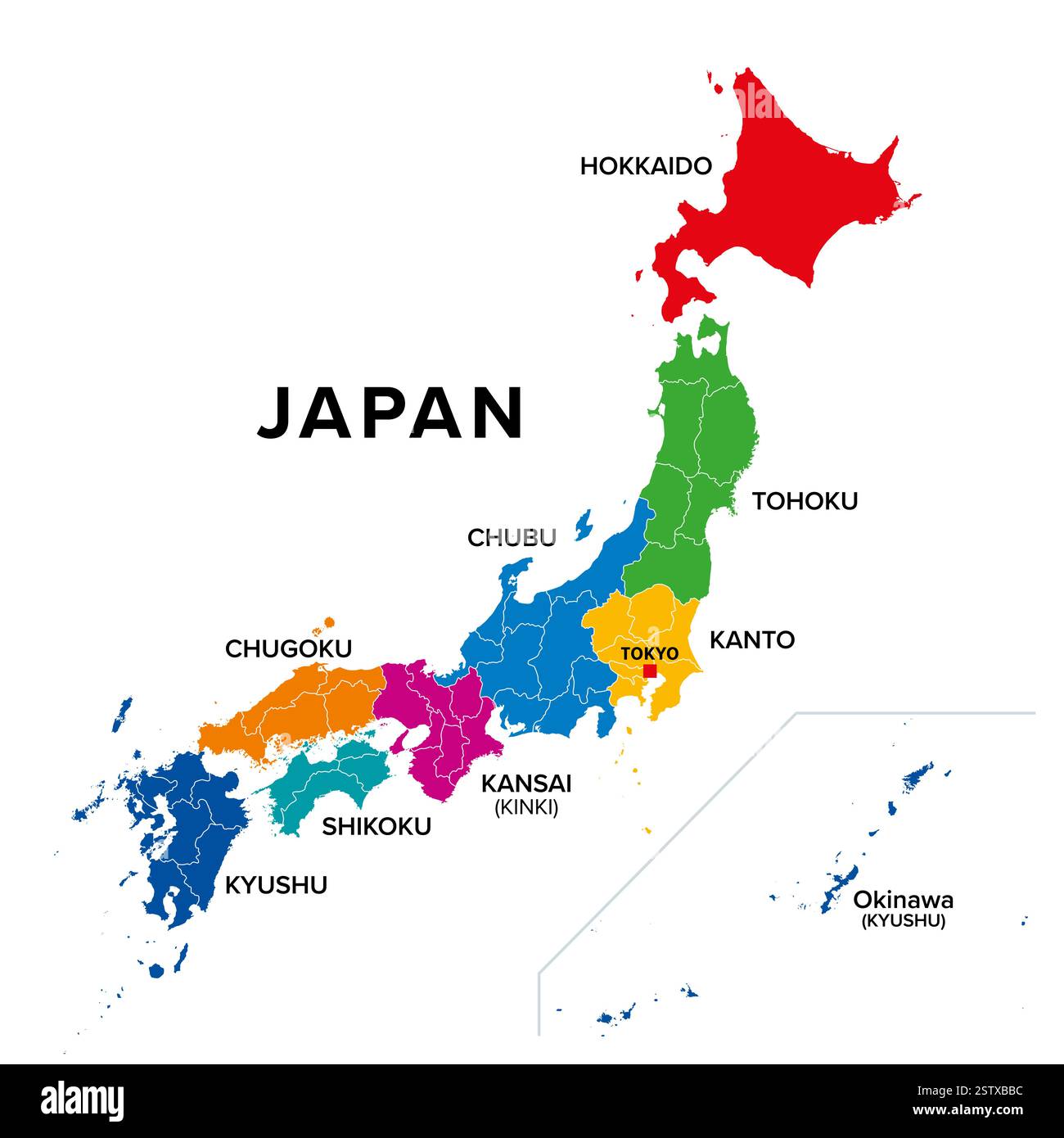
Japan's total area of roughly 377,975 square kilometers includes its four main islands—Honshu, Hokkaido, Kyushu, and Shikoku—alongside thousands of smaller surrounding islets. This footprint places it just behind Germany (around 357,000 square kilometers plus water bodies) and slightly ahead of countries like Vietnam and Finland. However, when contrasted against continental superpowers like the United States, China, or Canada, Japan occupies a fraction of their territory. The entire country could fit into the United States roughly twenty-five times over.
| Country / Entity | Approximate Total Area (sq km) | Global Land Rank (Approximate) | Comparative Geographic Scale |
|---|---|---|---|
| Japan | 377,975 | 62nd | Roughly the size of Montana or Germany |
| Germany | 357,022 | 63rd | Comparable to Japanese total territory |
| United Kingdom | 242,495 | 78rd | Noticeably smaller than Japan |
| United States | 9,833,517 | 3rd | Over 25 times larger than Japan |
| Australia | 7,692,024 | 6th | Over 20 times larger than Japan |
These numbers highlight that by absolute global metrics, Japan is a mid-sized to small nation rather than a sprawling continental territory. Yet, the raw land area metric fails to tell the complete story of how space is utilized within the country.
The Topographical Constraint: Mountains and Habitability
The most critical factor in understanding Japan’s physical context is not just how much land it possesses, but how much of that land is actually usable. Approximately seventy percent of Japan's terrain is mountainous, heavily forested, and heavily volcanic, making it largely unsuitable for large-scale agriculture, heavy industrial deployment, or dense urban habitation.
The Limits of Usable Flatland
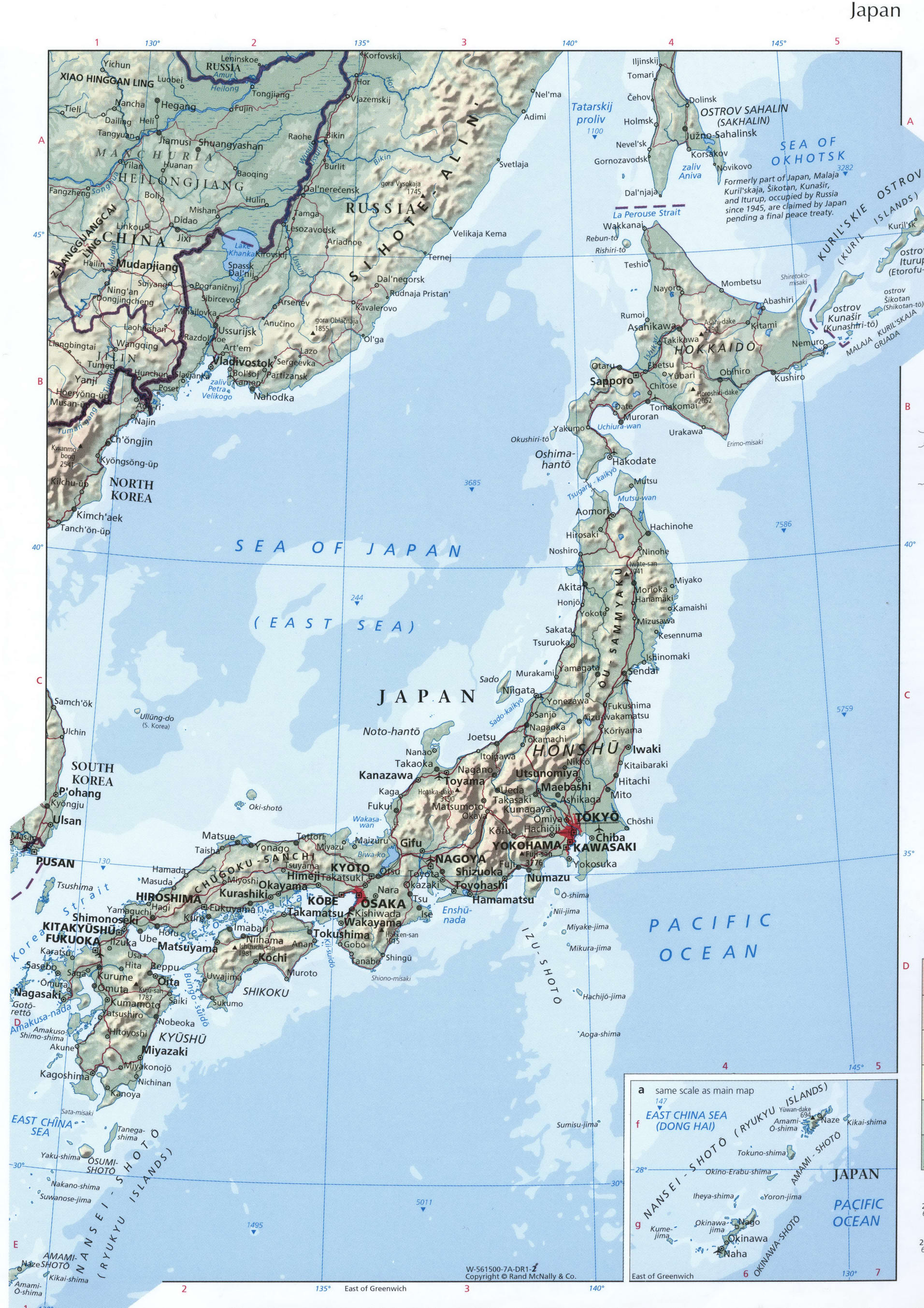
Because of these steep mountain ranges running down the spine of the primary islands, the habitable and arable flatland is severely restricted. Major population centers have historically formed on narrow coastal plains and alluvial basins, such as the Kanto Plain, the Nobi Plain, and the Kansai region.
- The Kanto Plain: Encompassing Tokyo and surrounding prefectures, this is the largest flat expanse in the country, yet it is dwarfed by the agricultural floodplains found in North America or Europe.
- Vertical Integration: Because horizontal expansion is limited by geography, Japanese urban planning has long relied on verticality, subterranean development, and highly efficient multi-use zoning.
- Agricultural Pressures: Farmers must maximize yield per square meter through intensive cultivation, terraced farming, and advanced greenhouse technologies, as arable land per capita is exceedingly low.
Demographic Concentration and High Population Density
Because mountainous terrain occupies the interior, Japan's population of over 124 million people is compressed into the remaining thirty percent of the landmass. This geographic compression creates a stark contrast between hyper-dense urban corridors and depopulated rural peripheries.
The Greater Tokyo Area, for instance, houses over 37 million residents, making it the most populous metropolitan area in the world. When a nation with a modest total land area hosts one of the world's largest economies and populations, demographic density skyrockets. This high concentration has driven world-class mass transit networks, hyper-efficient public services, and architectural innovations designed to maximize spatial economy. Conversely, rural areas face severe depopulation and aging challenges, as younger generations migrate toward the limited urban hubs where economic opportunities are concentrated.
Economic and Strategic Footprint vs. Physical Size
A common point of analysis in geopolitical studies is the paradox of Japan's modest physical size versus its outsized global influence. Despite being a geographically small island nation, Japan has historically maintained status as a major economic, technological, and cultural powerhouse.
- Economic Output: Japan consistently ranks among the top global economies by nominal GDP, driven by advanced manufacturing, robotics, automotive engineering, and financial services.
- Resource Dependency: Because of its small geographic footprint and limited natural resource reserves, Japan must import the vast majority of its energy, raw materials, and food supplies. This reliance makes maritime trade routes and international supply chain security vital to national survival.
- Soft Power: Cultural exports, including gaming, animation, cuisine, and design, project influence far beyond the nation's physical borders, proving that geographic scale does not limit global cultural impact.
Frequently Asked Questions
How does Japan's land area compare to US states?
Japan is comparable in size to the state of Montana, which spans approximately 380,831 square kilometers. While Montana is sparsely populated, Japan supports a population exceeding 124 million people, highlighting a dramatic difference in population density and spatial distribution.
Why is most of Japan's land considered uninhabitable?
Roughly seventy percent of Japan is covered by rugged, steep mountain ranges and volcanic terrain. These geographical features make large-scale urban development, infrastructure construction, and traditional agriculture impractical in the interior, forcing populations into narrow coastal plains.
How does Japan manage its high population density?
Japan manages its limited habitable space through highly concentrated urban planning, world-class public transportation systems like the Shinkansen bullet train network, vertical architecture, and highly efficient land-use zoning laws that maximize every available square meter.
Does Japan's small size affect its natural resources?
Yes. Due to its limited landmass and lack of extensive domestic fossil fuel reserves or mineral deposits, Japan is heavily dependent on imports for energy, raw materials, and a significant portion of its food supply, making international trade partnerships critical.
Is Japan considered a small country globally?
In terms of total land area, Japan ranks around 62nd in the world, placing it in the mid-to-small tier of sovereign states. However, its economic output, industrial capacity, and global cultural footprint far exceed what its physical dimensions might suggest.
Conclusion and Next Actions
Viewing Japan through the lens of context reveals a nation where physical limitations have directly shaped engineering marvels, urban structures, and societal efficiency. While its total land area is modest and heavily constrained by mountainous terrain, its ability to sustain a massive population and a leading global economy demonstrates that geographic scale is secondary to infrastructure and resource management. For researchers, travelers, and policymakers, acknowledging Japan's true physical proportions helps explain everything from its compact urban design to its deep reliance on global trade networks. When planning business ventures or academic research related to the region, always account for regional concentration rather than treating the country as a uniform landmass.
Image Gallery