Understanding Business Mileage 2023: Principles and Compliance
Understanding business mileage 2023 involves adhering to the Internal Revenue Service (IRS) standards that governed tax deductions for the use of a personal vehicle for business purposes during that specific calendar year. For the 2023...
Understanding business mileage 2023 involves adhering to the Internal Revenue Service (IRS) standards that governed tax deductions for the use of a personal vehicle for business purposes during that specific calendar year. For the 2023 tax year, the standard mileage rate was set at 65.5 cents per business mile, requiring precise documentation and strict adherence to defined "business use" criteria to ensure compliance for tax reporting.
Contents
The Significance of the 2023 Mileage Rate
In the United States, the IRS annually adjusts the standard mileage rate to reflect the fluctuating costs of operating a motor vehicle, including fuel, maintenance, insurance, and depreciation. For the 2023 tax year, the rate was finalized at 65.5 cents per mile. This figure is critical for taxpayers who utilize their personal vehicles for trade or business activities.
Unlike a flat reimbursement policy that some employers might offer, the IRS standard mileage rate is a method used to calculate the deductible costs of operating an automobile for business. Understanding this rate is not merely about potential savings; it is about accurate financial reporting. If you are a self-employed individual, a freelancer, or a business owner who did not receive full reimbursement for business-related travel in 2023, this rate provides the benchmark for calculating your deductible expenses on Schedule C of your tax return.
Distinguishing Business Use from Personal Commuting
A fundamental principle of tax compliance is the distinction between deductible business travel and non-deductible commuting. The IRS defines commuting as the travel between your residence and your regular place of work. Regardless of the distance or the necessity of the trip, this daily trek is generally considered a personal expense and cannot be deducted as business mileage.
However, once you are at your place of work, travel to other business destinations—such as visiting a client site, traveling to a business meeting, or running work-related errands—is classified as business use. For those who maintain a legitimate home office that qualifies as their "principal place of business," the rules shift slightly. In such cases, travel from the home office to a secondary work location is often considered business mileage rather than commuting. Understanding this distinction is essential to avoid overstating deductions during an audit.
Essential Documentation Requirements
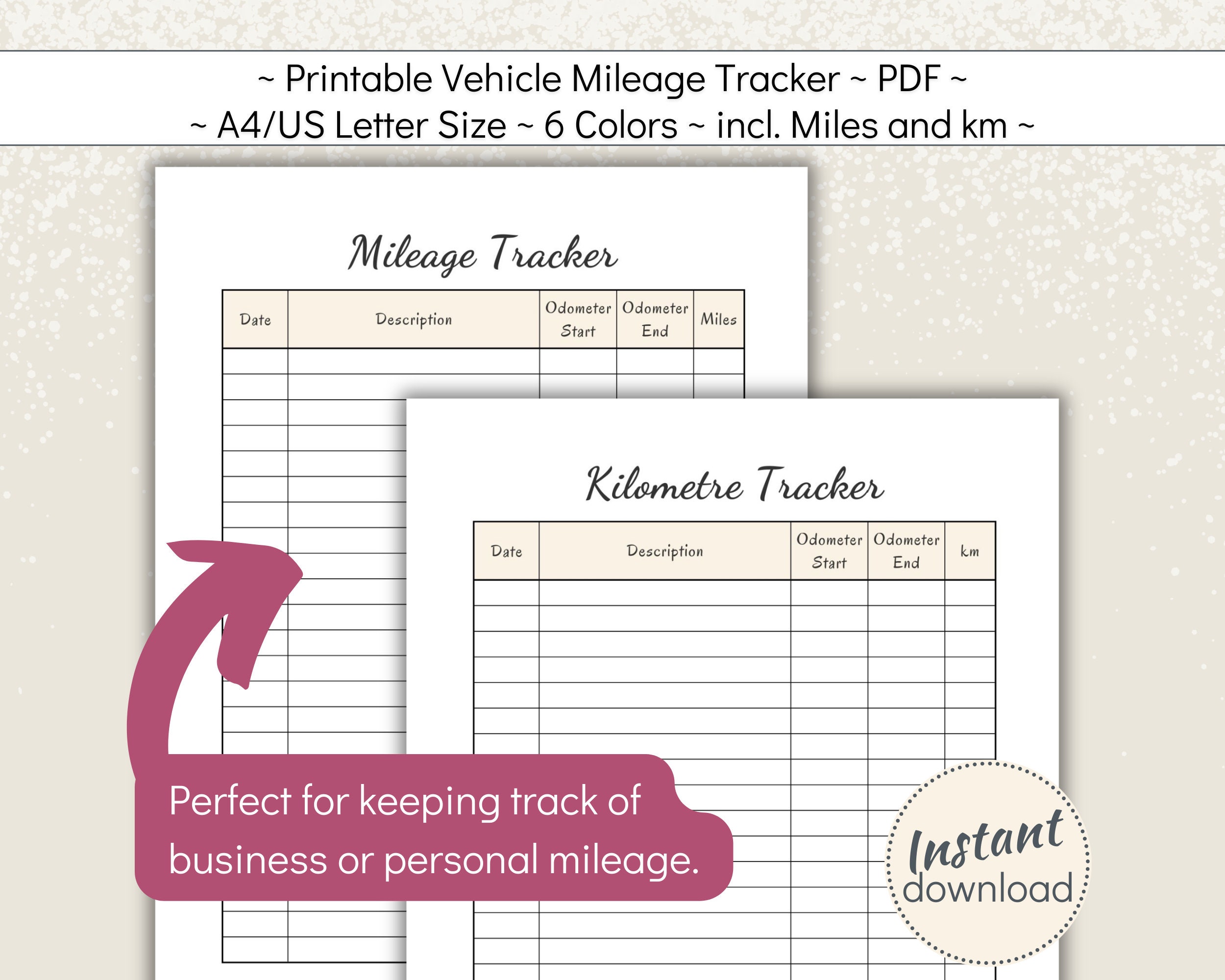
The IRS requires taxpayers to maintain adequate records to substantiate the business use of a vehicle. Relying on estimates or reconstructed logs after the fact is generally insufficient to withstand IRS scrutiny. To properly substantiate your 2023 business mileage, your records should include:
- The Date: The exact date the trip occurred.
- The Destination: The business purpose and the specific location visited.
- The Mileage: The total number of business miles driven for that specific trip.
- The Odometer Readings: Beginning and ending odometer readings for the tax year are highly recommended to establish the total annual vehicle usage, which helps verify the reasonableness of your business mileage claims.
Maintaining a contemporaneous log—a record kept at or near the time of the trip—is the gold standard. Digital mileage tracking apps have become the preferred method for many, as they utilize GPS data to timestamp trips and provide automated logs that satisfy the strict record-keeping requirements of the IRS.
Table: Components of Valid Mileage Substantiation
| Requirement | Description | Why It Matters |
|---|---|---|
| Chronological Log | A diary or digital record of each trip. | Provides contemporaneous proof of activity. |
| Business Purpose | A brief note on why the trip was necessary. | Establishes the link to business operations. |
| Odometer Tracking | Start and end readings for the year. | Balances the total miles against claimed miles. |
| Documented Costs | Receipts for parking and tolls. | These are often deductible separately from mileage. |
The Standard Mileage Rate vs. Actual Expenses
Taxpayers often face the choice between the Standard Mileage Rate method and the Actual Expenses method. Choosing the right one can significantly impact your financial bottom line.
The Standard Mileage Rate Method: This is the simpler of the two approaches. You multiply your total business miles by the 65.5-cent rate. This rate is intended to cover all costs associated with the vehicle, including depreciation, fuel, and insurance. If you choose this method for the first year a car is placed in service, you generally cannot switch to the actual expenses method for that same vehicle later.
The Actual Expenses Method: This involves tracking every dollar spent on the vehicle throughout the year, including gas, oil changes, repairs, tires, insurance, registration fees, and lease payments. You must then calculate the business-use percentage of the vehicle and apply that percentage to the total costs. This method is often more beneficial for vehicles with high operating costs or for those who drive a significant number of miles in a vehicle that depreciates rapidly.
Common Pitfalls and Troubleshooting
Many taxpayers encounter issues during tax filing due to misunderstandings of these rules. One common error is claiming "round-trip" miles when only one direction was business-related, or failing to subtract personal stops made during a business trip.
If you find that your documentation for 2023 is incomplete, the best course of action is to reconstruct your records using available secondary evidence, such as appointment calendars, client invoices, and emails that confirm the date and location of business meetings. While this is less ideal than a contemporaneous log, it is significantly better than having no records at all. However, be aware that the burden of proof rests entirely on the taxpayer. If you are audited, an examiner may disallow any mileage that lacks specific, verifiable evidence.
Frequently Asked Questions
1. Can I deduct parking and tolls if I use the standard mileage rate? Yes. The 65.5-cent standard mileage rate covers the cost of operating the vehicle itself. Fees such as parking and tolls incurred while on business are considered separate, ordinary business expenses and may be deducted in addition to the mileage calculation.
2. What if I am an employee and my employer does not reimburse my mileage? Under current tax law following the Tax Cuts and Jobs Act, unreimbursed employee business expenses are generally not deductible for federal income tax purposes. The standard mileage rate is primarily a tool for self-employed individuals and business owners filing Schedule C.
3. Does the 2023 rate apply to all vehicle types? The IRS standard mileage rate applies to passenger vehicles, including vans, pickups, and panel trucks. It does not apply to vehicles used for hire or for fleet operations involving five or more vehicles simultaneously.
4. Can I use an app to track my mileage for the IRS? Yes, mobile apps that track mileage are acceptable, provided they generate a report that includes the required information: date, destination, business purpose, and distance. Ensure the app you use is set to the correct tax year settings.
5. How do I report my 2023 business mileage on my tax return? For self-employed individuals, business mileage is reported on Form 1040, Schedule C. You will enter the total business miles and calculate the deduction based on the 2023 rate within the vehicle expense section of the form.
Recommendations for Future Compliance
While understanding the 2023 rules is vital for historical tax accuracy, the best practice is to maintain a rigorous, year-round documentation habit. If you continue to use a vehicle for business in 2026, ensure your tracking process is automated and integrated into your daily workflow. Periodically review your log to ensure that the business purpose of each trip is clearly articulated, as vague descriptions such as "client visit" may be challenged by authorities. Always consult with a qualified tax professional to discuss your specific vehicle usage, especially if you are considering switching between the standard rate and actual expenses, as the eligibility rules are complex and dependent on how you handled the vehicle in previous tax years.
Image Gallery