Understanding What a Skin Rash After Cardiac Cath Means
A skin rash following a cardiac catheterization is often a localized reaction to medical adhesives, disinfectants, or medications used during the procedure, though it can occasionally indicate a systemic allergic reaction or infection....
A skin rash following a cardiac catheterization is often a localized reaction to medical adhesives, disinfectants, or medications used during the procedure, though it can occasionally indicate a systemic allergic reaction or infection. While many rashes are benign and self-limiting, identifying the cause requires careful observation of the rash’s appearance, timing, and accompanying symptoms to ensure timely medical intervention if necessary.
Contents
Clinical Context of Cardiac Catheterization
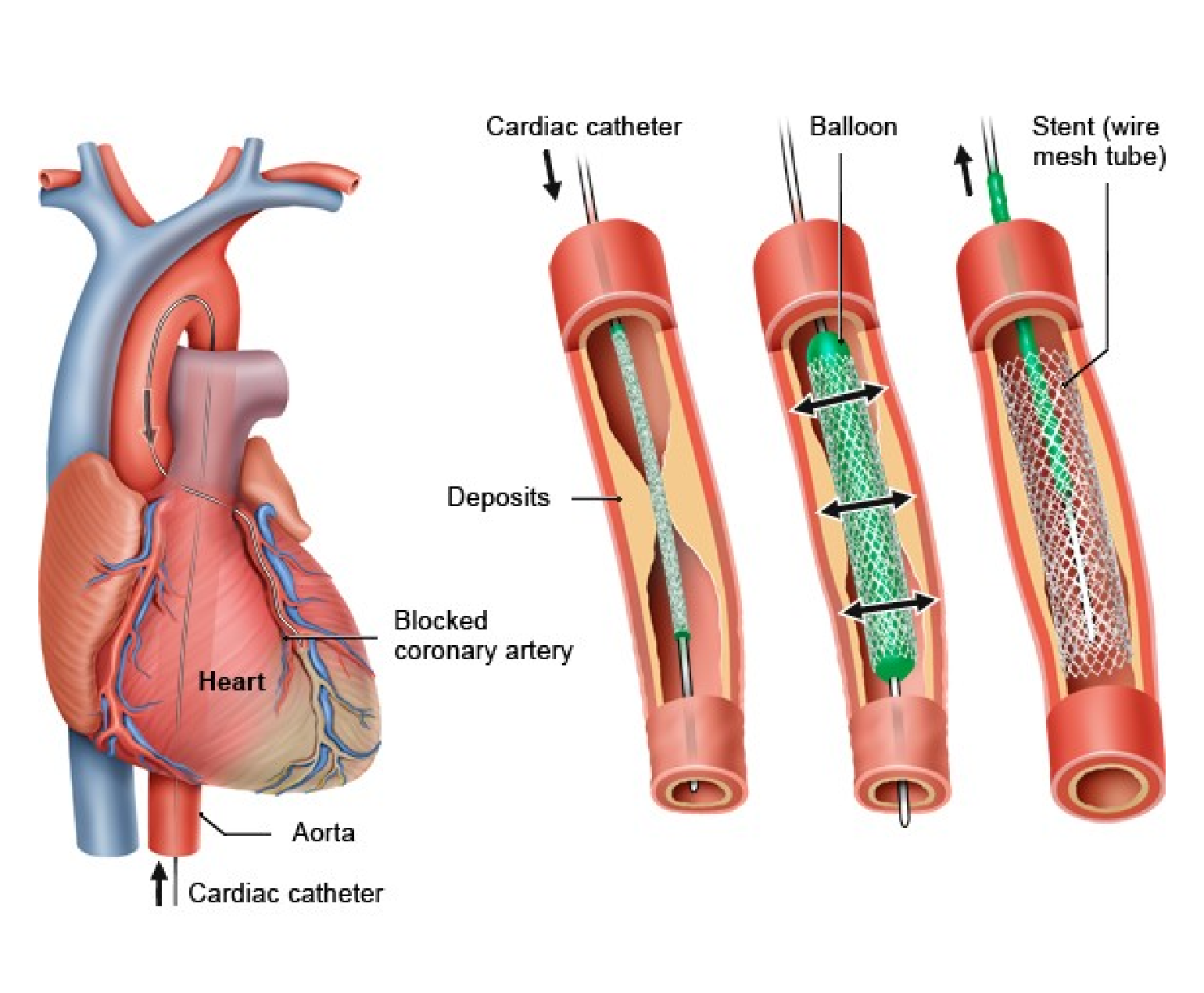
Cardiac catheterization is a sophisticated, minimally invasive procedure used to diagnose and treat cardiovascular conditions. During the procedure, a thin, flexible tube called a catheter is guided through a blood vessel—typically in the groin (femoral) or the wrist (radial)—to the heart. The environment of a cardiac catheterization lab is highly sterile, involving an array of materials, chemicals, and pharmaceutical agents that interface with a patient’s skin and circulatory system.
When a patient observes a skin rash after returning home or while still in the recovery ward, it is rarely a result of the procedure itself, but rather a reaction to the environmental factors or foreign substances introduced during the clinical process. Understanding this distinction is essential for patient peace of mind and for determining the appropriate clinical response.
Common Causes of Post-Procedural Skin Rashes
The skin is the largest organ of the body and often acts as a sensory indicator for internal reactions. After a cardiac catheterization, several triggers are common, ranging from minor irritations to allergic responses.
1. Contact Dermatitis (Adhesives and Cleansers)
The most frequent cause of a localized rash near the catheter insertion site is contact dermatitis. During the preparation phase, the skin is scrubbed with antiseptic solutions such as povidone-iodine (Betadine) or chlorhexidine gluconate. Furthermore, the site is covered with sterile drapes and secured with medical-grade adhesive tapes. If a patient has a mild sensitivity to these chemicals, a red, itchy, or blistered rash may emerge where the tape or disinfectant was applied.
2. Medication-Induced Eruptions
During the procedure, various medications are administered, including local anesthetics, heparin, antiplatelet agents, and sometimes contrast media (the iodine-based dye used for imaging). While systemic reactions to contrast dye are generally documented during the procedure, delayed hypersensitivity reactions can occur hours or even days later, manifesting as a rash or hives (urticaria).
3. Infection (Cellulitis)
While rare due to sterile protocols, infection at the access site is a serious concern. An infection-related rash often presents with warmth, increasing redness, swelling, and tenderness that radiates away from the puncture site. Unlike a simple contact allergy, an infection is frequently accompanied by systemic symptoms such as fever or chills.
Differentiating Between Benign and Concerning Rashes
To distinguish a routine post-procedural reaction from a medical emergency, patients should perform a daily visual assessment of the insertion site. The following table provides a guide for evaluating common symptoms.
| Feature | Contact Dermatitis | Allergic Drug Reaction | Infection (Cellulitis) |
|---|---|---|---|
| Location | Localized to tape/scrub area | Can be widespread | Surrounding puncture site |
| Appearance | Red, scaly, or dry skin | Hives, welts, or red spots | Expanding redness, heat |
| Onset Time | 24–48 hours post-procedure | Variable (hours to days) | 3–7 days post-procedure |
| Systemic Symptoms | None | Potential swelling/itching | Fever, chills, fatigue |
| Next Step | Monitor; keep area clean | Contact cardiologist | Seek immediate care |
When to Contact Your Medical Team
Medical advice is paramount when a rash changes or causes distress. If you observe a rash, you should contact your cardiology clinic or primary care provider, especially if the following "red flags" are present:
- Rapid Progression: The redness is spreading quickly away from the original site.
- Systemic Involvement: You develop a fever, body aches, or shortness of breath.
- Pain Intensity: The area becomes increasingly painful, swollen, or develops a foul-smelling discharge.
- Blistering: The development of fluid-filled blisters that appear to be rupturing.
Do not attempt to treat the rash with over-the-counter antibiotic creams or corticosteroid ointments without verifying the cause with your medical provider. Applying topical agents can sometimes exacerbate contact dermatitis or mask the progression of an underlying infection.
Managing Minor Irritations
If your cardiologist confirms that the rash is a simple contact reaction to medical tape or prep solution, the standard management is largely supportive. Keep the area clean and dry. Avoid scrubbing the site or applying any lotions, powders, or ointments unless specifically prescribed. Wear loose-fitting clothing to prevent friction against the skin, which can further irritate the inflamed area. In most cases, these minor reactions resolve on their own within a few days as the skin barrier heals.
Frequently Asked Questions
Is it normal to have a rash after a heart catheterization? A minor rash caused by adhesive tape or cleaning solutions is not uncommon. However, any skin change should be monitored. While often benign, the medical team needs to rule out drug allergies or site infections.
Can contrast dye cause a rash days later? Yes, while rare, some patients experience "delayed hypersensitivity" to the contrast agents used for imaging. This can manifest as a rash that appears 24 to 72 hours after the procedure. Always inform your doctor if you have a known history of dye allergies.
How do I clean the site if I have a rash? Gently wash the area with mild, fragrance-free soap and water. Pat the area dry with a clean towel; do not rub it. Keep the area covered with a fresh, loose bandage only if instructed to do so by your surgical team.
Should I stop my blood thinners if I see a rash? No. Never stop prescribed post-catheterization medications, such as aspirin or clopidogrel, based on the appearance of a skin rash. These drugs are critical for preventing blood clots. Contact your cardiologist immediately if you believe a medication is causing a reaction so they can adjust your regimen safely.
What if the rash itches intensely? Itching is a common symptom of contact dermatitis. Your physician may recommend an oral antihistamine or a specific topical treatment. Do not use OTC products without consulting your team, as they may interfere with the healing process of the insertion site.
Next Steps for Patients
If you are currently experiencing a rash following your cardiac catheterization, your first action should be to document the timing and appearance. Take a clear photograph of the area to show your healthcare provider, as this helps them evaluate the progression of the symptoms. Call the office of the cardiologist who performed the procedure; they are the best equipped to distinguish between a routine reaction and a complication that requires clinical intervention.
Image Gallery