Apples Cooked with Cinnamon: A Simple Sustainable Recipe
Cooking apples with cinnamon requires just sliced apples, ground cinnamon, a touch of water or butter, and an optional natural sweetener gently simmered in a covered skillet for 10 to 15 minutes. Leaving the skins intact reduces food w...
Cooking apples with cinnamon requires just sliced apples, ground cinnamon, a touch of water or butter, and an optional natural sweetener gently simmered in a covered skillet for 10 to 15 minutes. Leaving the skins intact reduces food waste, maximizes dietary fiber, and creates a delicious, low-carbon dessert or breakfast topping.
Contents
Why Cooked Cinnamon Apples are a Model of Sustainable Cooking
Cooking warm apples with cinnamon represents one of the most accessible, low-impact dishes you can prepare in a home kitchen. Modern sustainable cooking focuses on three core principles: minimizing food waste, prioritizing locally sourced seasonal produce, and utilizing energy-efficient preparation methods. Stewed or pan-cooked apples fulfill all three requirements effortlessly.
Apples are among the most durable cool-climate crops, offering a long shelf life and low transport footprint when purchased locally in season. However, stored apples frequently develop soft spots, slight bruising, or a mealy texture over time. Rather than discarding imperfect fruit, cooking gently softens the cellular structure, concentrates natural sugars, and transforms aging apples into a comforting dish.
From an energy perspective, stovetop apple simmering requires minimal fuel compared to long oven baking. By retaining the fruit skins, utilizing simple pantry spices, and repurposing cores for homemade broth or vinegar, this recipe embodies a zero-waste culinary philosophy while delivering rich flavor and high nutritional value.
Selecting the Right Apple Varieties
The choice of apple directly influences the final texture, cooking time, and sweetness of your dish. Because cooking breaks down protopectin into soluble pectin, soft varieties collapse quickly, whereas firmer varieties maintain structural integrity. Combining different apple varieties often produces the best results, balancing tartness with natural sweetness and soft textures with pleasing bites.
| Apple Variety | Flavor Profile | Texture Retention | Sustainability & Sourcing Note |
|---|---|---|---|
| Granny Smith | Tart, sharp | High (holds shape) | Year-round; ideal for balance |
| Honeycrisp | Sweet-tart, juicy | High (firm bite) | Regional autumn harvests |
| Fuji | Very sweet | Medium-High | Long storage capability |
| Gala | Mildly sweet | Medium (softens) | Widely available locally |
| Braeburn | Rich, spicy-sweet | High | Great heat resistance |
| McIntosh / Cortland | Sweet-tangy | Low (mushy/sauce) | Best for fast-dissolving sauce |
Tart vs. Sweet Balance
Tart apples like Granny Smith or Braeburn contain higher acidity levels, which prevent the sugars from caramelizing too quickly and offer a crisp contrast to sweet spices. Sweet apples like Fuji, Gala, or Jonagold eliminate the need for added refined sugars. A 50/50 mix of tart and sweet apples creates a complex flavor profile naturally without relying on heavy syrups.
Local and Seasonal Sourcing
To maximize sustainability, source apples from regional orchards during their peak harvest season (typically late summer through late autumn). Buying locally grown apples reduces long-distance cold-chain transportation energy. If purchasing at farmer's markets, look for "seconds" or "utility grade" apples—slightly blemished fruit sold at a discount that is perfect for cooking.
Ingredients and Eco-Friendly Pantry Staples
This recipe relies on basic, non-perishable pantry items and whole fruits. Choosing unrefined, ethically sourced ingredients improves both the environmental profile and the flavor of the final dish.
| Ingredient | Base Quantity (4 Servings) | Sustainable / Eco-Friendly Swap | Functional Role in Recipe |
|---|---|---|---|
| Fresh Apples | 4 medium (approx. 600g) | Local, unpeeled organic/seconds | Primary structure and sweetness |
| Ground Cinnamon | 1 teaspoon (2.6g) | Fair-trade Ceylon or Cassia | Aromatic spice and glycemic regulator |
| Fat (Butter/Oil) | 1 tablespoon (14g) | Grass-fed butter or coconut oil | Heat transfer, richness, gloss |
| Liquid (Water/Cider) | 2 tablespoons (30ml) | Reserved apple poaching liquid | Steam generation, prevents burning |
| Sweetener (Optional) | 1 tablespoon (15ml) | Pure local maple syrup or honey | Caramelization enhancer |
| Lemon Juice (Optional) | 1/2 teaspoon (2.5ml) | Fresh lemon juice (with peel zest) | Brightness, enzymatic browning control |
Understanding Cinnamon Varieties
- Cassia Cinnamon (Cinnamomum cassia): The common supermarket variety. It possesses a strong, spicy-sweet aroma and dark red-brown color. It is rich in flavor but contains higher levels of coumarin, a natural compound that should be consumed in moderation.
- Ceylon Cinnamon (Cinnamomum verum): Known as "true cinnamon," Ceylon has a subtle, floral, and warm flavor profile with negligible coumarin content. It is ideal for delicate, unrefined fruit dishes.
Step-by-Step Cooking Instructions
Follow these steps to produce tender, caramelized cinnamon apples with minimal energy expenditure and zero food waste.
- Prep & Slice (Keep skins on)
- Melt Fat & Spices (Low heat blooming)
- Sear Apples (2-3 mins medium)
- Cover & Steam (5-8 mins low heat)
- Reduce & Serve (Uncovered finish)
Step 1: Wash and Prepare the Fruit
Wash 4 medium apples thoroughly under cold water. Do not peel the apples. The skin contains a significant portion of the fruit's total dietary fiber, polyphenols, and insoluble pectin. Keeping the peel intact prevents the slices from turning into mush and preserves vital nutrients. Slice each apple into 8 to 12 uniform wedges (about 1/2-inch thickness) to ensure even cooking.
Step 2: Bloom the Spices
Place a heavy-bottomed skillet or stainless-steel pan over medium-low heat. Add 1 tablespoon of butter, ghee, or coconut oil. Once melted, add 1 teaspoon of ground cinnamon and a tiny pinch of sea salt directly into the warm fat. Stir for 30 seconds. Heating ground spices in fat (a process known as blooming) dissolves lipid-soluble aromatic compounds, dramatically enhancing their scent and flavor delivery throughout the dish.
Step 3: Sear the Apple Wedges
Add the sliced apples to the pan, tossing them gently to coat every slice in the spiced fat. Increase the heat to medium and let the apples cook undisturbed for 2 to 3 minutes until the flat edges begin to show light golden caramelization.
Step 4: Add Liquid and Steam
Pour in 2 tablespoons of water, fresh apple cider, or unfiltered apple juice. The liquid will immediately bubble and create steam. Cover the skillet tightly with a lid and reduce the heat to low. Allow the apples to steam for 5 to 8 minutes. Steaming cooks the interior of the apples using thermal trapped energy, softening the fruit quickly without scorching the bottom.
Step 5: Uncover and Glaze
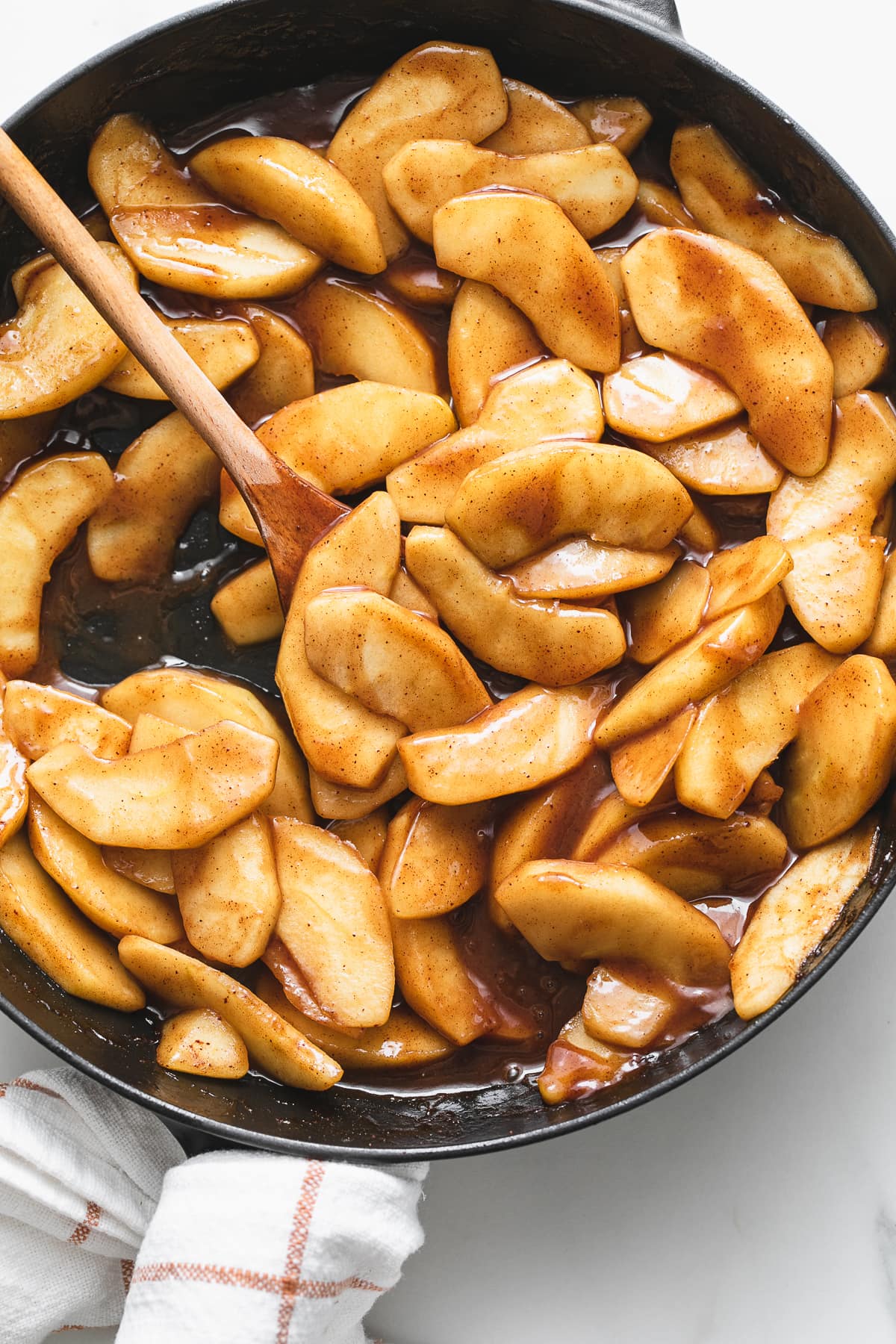
Remove the lid. If using a natural sweetener like maple syrup or honey, drizzle 1 tablespoon over the apples now. Stir gently for 1 to 2 minutes over medium heat as the liquid reduces into a warm, glossy glaze that clings to the fruit. Test tenderness with a fork; the apples should be yielding but not falling apart. Remove from heat immediately.
Zero-Waste Kitchen Strategies: Utilizing Apple Scraps
A core element of sustainable cooking is extracting maximum value from every ingredient before composting. When preparing apples, cores and seeds are typically discarded. However, these scraps can easily be transformed into valuable kitchen staples.
- Apple Scraps
- Apple Core Scraps + Sugar + Water: Ferment 3 Weeks: Homemade Apple Cider Vinegar
- Boil Cores & Seeds with Water: Strain & Simmer: Natural Liquid Pectin / Scrap Jelly
- Simmer Cores with Cinnamon Sticks: Strain: Zero-Waste Apple Herbal Tea
1. Homemade Scrap Vinegar
Collect apple cores and scraps in a clean glass jar. Fill the jar with water and add 1 tablespoon of raw cane sugar per cup of water to feed beneficial bacteria. Cover the jar with a breathable cloth securing it with a rubber band. Store in a dark place for 3 to 4 weeks, stirring daily, until the liquid ferments into raw, unfiltered apple cider vinegar.
2. Natural Homemade Pectin
Apple cores and seeds contain high concentrations of natural pectin. Simmer clean scrap cores in water for 30 minutes, then strain the liquid through cheesecloth. This concentrated pectin extract can be frozen and used later as a natural gelling agent for low-sugar jams and fruit preserves.
3. Scrap Infused Tea
Boil clean apple cores with a cinnamon stick and a strip of lemon peel in water for 15 minutes. Strain into a mug for a soothing, caffeine-free fruit tea that requires no single-use tea bags or added packaging.
Nutritional Breakdown and Health Benefits
Cooking apples with cinnamon creates a nutrient-dense dish suitable for various dietary protocols, including vegan, gluten-free, dairy-free (when using plant oils), and refined-sugar-free diets.
| Nutritional Element (Per Serving) | Approximate Value |
|---|---|
| Calories | 95 kcal |
| Total Carbohydrates | 19 g |
| Dietary Fiber | 4.2 g (15% Daily Value) |
| Sugars (Naturally Occurring) | 14 g |
| Total Fat (with 1 tbsp fat/recipe) | 3.5 g |
| Vitamin C | 8.4 mg (9% Daily Value) |
| Calcium | 18 mg |
| Potassium | 145 mg |
Gut Health and Cooked Pectin
Research shows that cooking apples releases bound soluble fiber, particularly pectin. According to data maintained by the USDA FoodData Central, whole apples with skin provide substantial dietary fiber that feeds beneficial gut microbiota. As apples heat, pectin transforms into a soothing, gel-like substance that supports the mucosal lining of the gastrointestinal tract and aids digestive motility.
Blood Sugar Regulation
Cinnamon contains bioactive polyphenols that mimic insulin and improve cellular glucose uptake. Studies published in the National Center for Biotechnology Information (NCBI) demonstrate that consuming cinnamon alongside carbohydrate-rich foods slows gastric emptying and helps moderate post-meal blood sugar spikes.
Storage, Reheating, and Creative Serving Ideas
Cooked cinnamon apples store exceptionally well, making them ideal for batch cooking and meal preparation to prevent last-minute food convenience purchases.
| Method | Shelf Life | Best Practices |
|---|---|---|
| Refrigeration | 5 to 7 days | Store in airtight glass container once cooled. |
| Freezing | Up to 3 months | Freeze flat in silicone pouches; thaw overnight in fridge. |
| Reheating | 2 to 3 minutes | Warm in covered skillet over low heat with 1 tsp water. |
Versatile Serving Suggestions
- Breakfast Upgrade: Spoon warm cooked apples over steel-cut oatmeal, whole-grain porridge, or plain Greek yogurt.
- Savory Pairings: Serve cooked cinnamon apples alongside roasted root vegetables, braised cabbage, or baked tofu. The natural acidity cuts through rich, savory profiles.
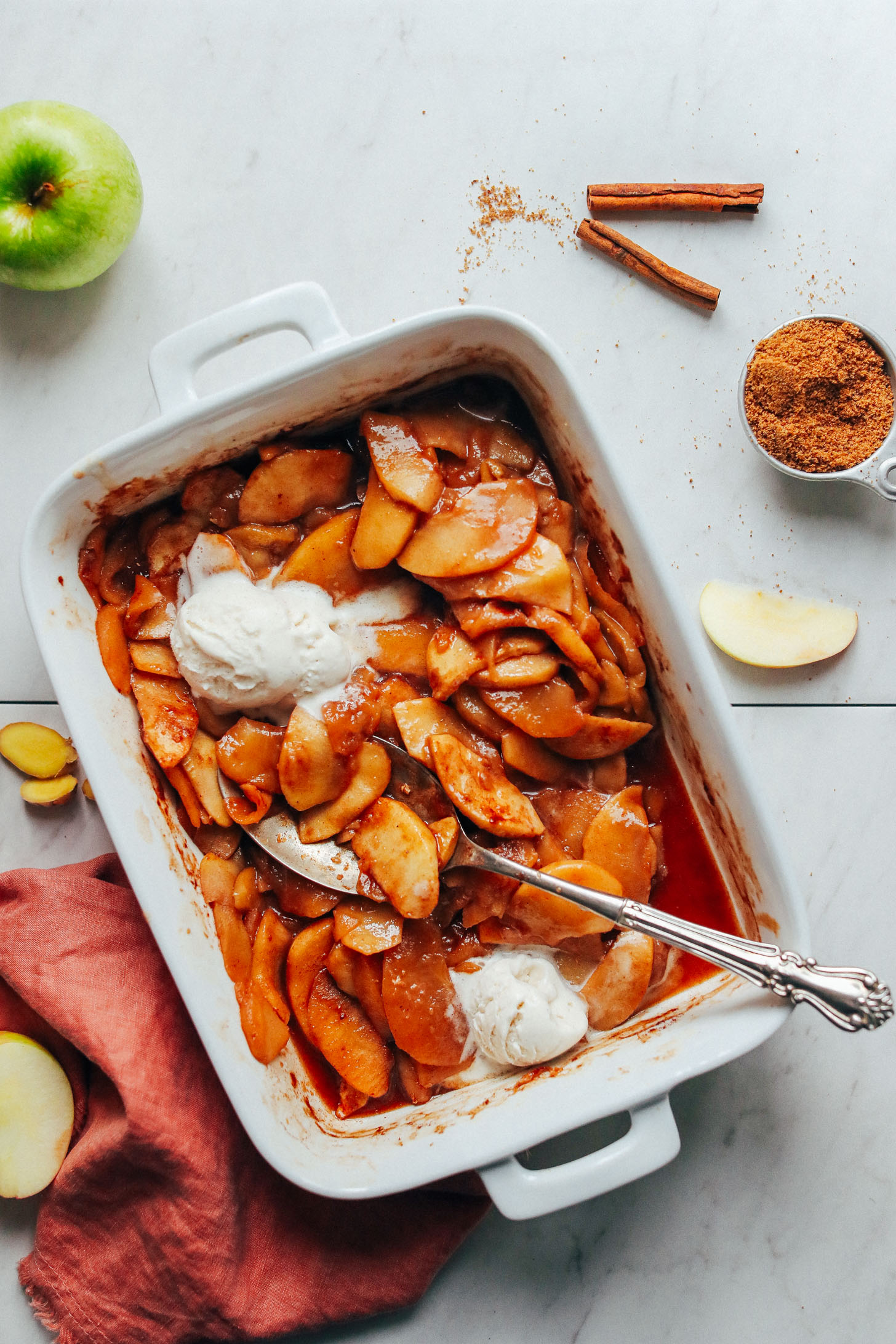
- Zero-Waste Dessert: Serve warm over homemade oat-crumble toppings or vanilla bean ice cream, using leftover cooked juice as a natural syrup.
Frequently Asked Questions
Should you peel apples before cooking them with cinnamon?
No, peeling is unnecessary and counterproductive for sustainable cooking. Apple skins contain up to 300% more dietary fiber and polyphenols than the inner flesh alone. Keeping the skin on prevents the apple slices from breaking down into mush during pan-searing and eliminates organic food waste.
How do you keep cooked apples from becoming mushy?
To maintain structure, select firm apple varieties such as Granny Smith, Honeycrisp, or Braeburn. Additionally, slice the apples into thick wedges (at least 1/2-inch wide) and avoid overcooking. Cook covered over low heat just until fork-tender, which usually takes between 5 and 8 minutes depending on slice thickness.
What is the most energy-efficient way to cook cinnamon apples?
Pan-steaming on a stovetop using a tight-fitting lid is significantly more energy-efficient than baking apples in an oven. The lid traps steam inside the skillet, cooking the fruit in roughly one-third of the time required by a standard electric oven, which conserves household electricity or gas.
Can you cook cinnamon apples without butter or oil?
Yes, you can easily make oil-free cooked apples. Replace the butter or oil with 2 tablespoons of water, unsweetened apple juice, or vegetable broth. Heat the liquid in the skillet, add the spices, and simmer the apples covered. The natural pectin and juices released from the apples will form a light, oil-free glaze.
How long do cooked cinnamon apples stay fresh in the refrigerator?
When stored in a clean, airtight glass container, cooked cinnamon apples keep well in the refrigerator for 5 to 7 days. Reheat them gently in a saucepan over low heat with a splash of water, or enjoy them cold directly from the fridge.
Sustainable Home Kitchen Recommendations
To maximize the environmental benefits of your home cooking, implement these practical habits when making this recipe:
- Buy Local "Seconds": Purchase slightly imperfect apples from local farmers to directly reduce agricultural food waste and cut down transport emissions.
- Keep the Stovetop Covered: Always use a well-fitted lid while cooking to retain heat and lower energy usage.
- Repurpose Scrap Cores: Ferment leftover apple cores into raw vinegar or brew them into herbal scrap tea instead of throwing them away.
- Batch Cook Efficiently: Double the recipe using a large skillet to prepare a week’s worth of breakfast toppings in a single, energy-saving cooking session.
By applying these zero-waste strategies, a simple skillet of warm cinnamon apples becomes a delicious, nutritious step toward a low-carbon lifestyle.
Image Gallery