Analyzing the Contenders: Determining Who Is Going to Win the Belmont Stakes
Predicting the winner of the Belmont Stakes requires a multi-faceted analysis of pedigree, racing surface experience, current form, and the unique challenges posed by the "Test of the Champion." As the third jewel of the Triple Crown,...
Predicting the winner of the Belmont Stakes requires a multi-faceted analysis of pedigree, racing surface experience, current form, and the unique challenges posed by the "Test of the Champion." As the third jewel of the Triple Crown, this race tests stamina over a grueling 1 1/2-mile distance at Saratoga or Belmont Park, often exposing horses that peaked earlier in the spring.
Contents
The Belmont Stakes, traditionally contested at the distance of 1 1/2 miles, is fundamentally different from the Kentucky Derby (1 1/4 miles) and the Preakness Stakes (1 3/16 miles). Because very few three-year-old Thoroughbreds in the modern era have been bred or trained to maintain top-tier speed over twelve furlongs, the outcome is rarely determined by raw velocity alone. Instead, the winner is typically the horse that possesses the greatest "stamina reserve"—the biological capacity to sustain a consistent gallop while others falter in the final quarter-mile.
When handicapping the field in 2026, experts look for horses that demonstrate "bottom"—a racing term referring to the horse's ability to handle distance and rigorous training. Unlike shorter sprint races, the Belmont is a war of attrition. A horse that won a high-pressure, fast-paced Derby may find itself empty when approaching the final turn of the Belmont if its pedigree leans toward middle-distance speed rather than true distance classicism.
Evaluating Pedigree and Stamina Profiles
The primary filter for any Belmont contender is the pedigree analysis. Thoroughbred breeding is heavily influenced by the "dosage" system, which quantifies a horse’s inherited propensity for distance. Pedigree researchers look for sires and broodmare sires that have produced winners at the 1 1/2-mile distance.
Horses by stallions known for producing stamina-rich offspring—often those with European turf influence or classic American dirt lines like A.P. Indy or Deputy Minister—frequently hold an advantage. When reviewing a past performance (PP) grid, look specifically for siblings who have performed well in races like the Travers Stakes or the Breeders' Cup Classic, as these races share similar aerobic demands with the Belmont.
The Impact of Recent Racing History
The lead-up to the Belmont Stakes has evolved. While some trainers prefer to bring a horse fresh off the Kentucky Derby, others utilize the Preakness Stakes or a dedicated prep race to sharpen their contender.
- The Derby Alum: Horses coming off a hard race in the Derby have the benefit of fitness but face the risk of "the bounce"—a regression in performance after a peak effort.
- The Fresh Contender: Horses that skipped the first two legs of the Triple Crown often enter with fresher legs, but they may lack the seasoning required to handle the psychological pressure of a large crowd and a high-stakes gate.
- The Pace Scenario: The Belmont is frequently won by horses that can settle in the middle of the pack. A horse that is forced to lead the pace early often succumbs to the distance unless it possesses a truly superior aerobic capacity.
Analyzing Track Bias and Surface Conditions
The Belmont Stakes is held on dirt, but the track surface at 1 1/2 miles can change significantly throughout the day. Humidity, track maintenance protocols, and the presence of "cuppiness" (a loose top layer of soil) impact how a horse handles the turns.
In 2026, track analysts categorize the surface as either "fast," "good," or "sloppy." A horse that excels on a "fast" track might struggle if the surface becomes "sealed" due to rain. Conversely, "mud-runners"—horses with a specific running style that allows them to skim across the surface rather than digging deep—often outperform their odds in inclement weather.
Comparison of Critical Handicapping Factors
| Factor | Relevance to Belmont | Key Metric to Watch |
|---|---|---|
| Distance Pedigree | High | Sire/Dam stats at 1 1/2 miles |
| Early Speed | Moderate | Opening quarter-mile times |
| Closing Kick | High | Final quarter-mile splits |
| Training Routine | High | Distance of final pre-race gallops |
| Jockey Experience | Moderate | Success at the specific track |
The Role of Trainer and Jockey Synergy
A horse is only as good as the instructions given by the jockey. In the Belmont, the strategy is often to hold the horse back for the first mile. A jockey who moves too early—pushing the horse to the lead at the mile marker—often ends up on a horse that tires significantly before the finish line.
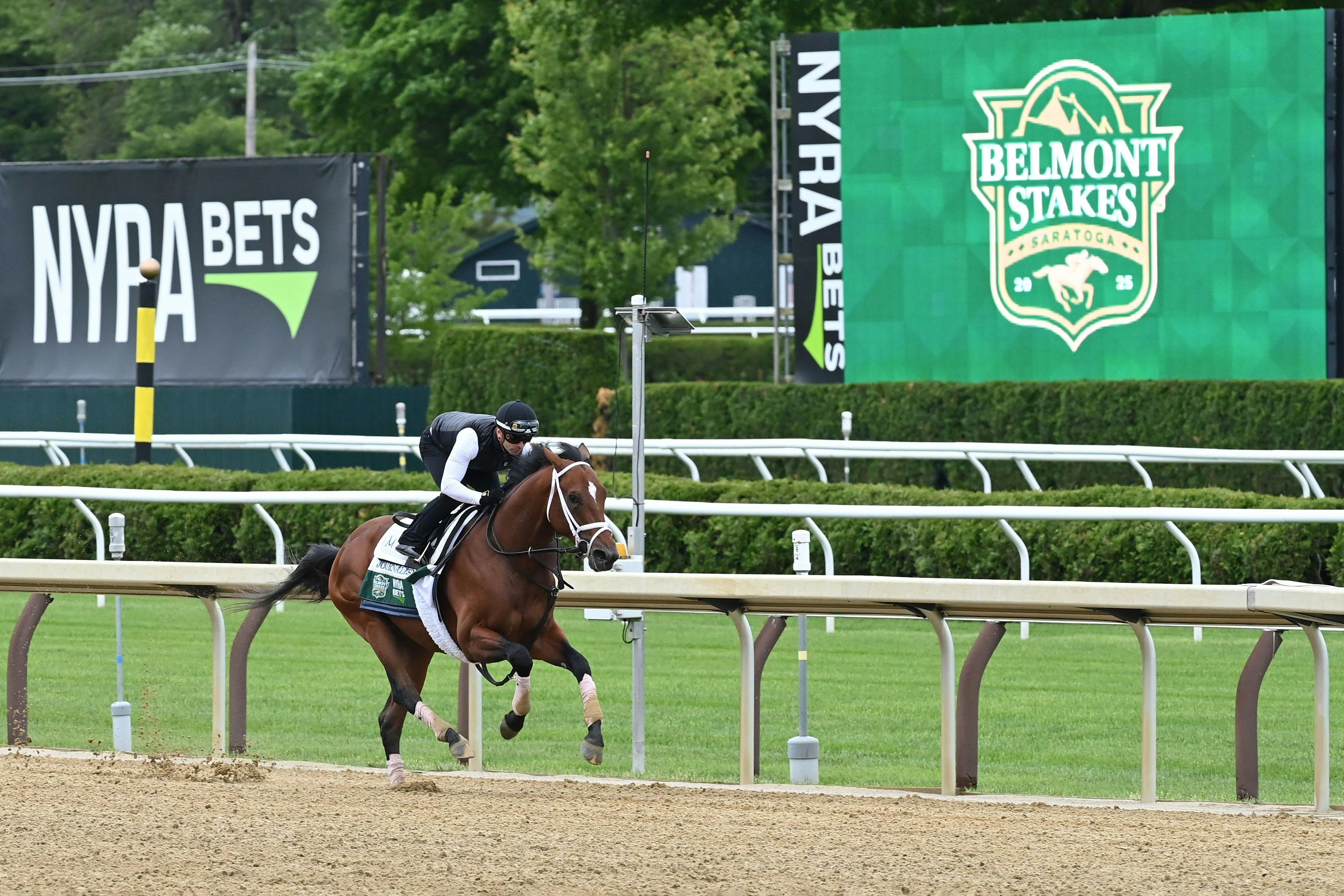
Winning trainers in the Belmont are those who focus on "distance training." This involves long, slow gallops in the weeks leading up to the race to build cardiovascular efficiency. If you are researching a specific horse, look for reports from the training track. "Bullet" workouts (the fastest of the day) are often less important than long, steady five-furlong or six-furlong works that demonstrate endurance.
Identifying Value in the Betting Market
Predicting who is going to win is not the same as identifying the best bet. The betting public often over-bet the Kentucky Derby winner or the most popular horse in the field. Professional handicappers often look for the "underlay" or "overlay"—a horse whose probability of winning is higher than the odds suggest.
Look for a horse that performed well in a shorter race but was compromised by a bad trip or a poor post position. If that horse is now stretching out to the 1 1/2-mile distance and has the pedigree to match, it may offer significant value at higher odds.
Frequently Asked Questions
Does the winner of the Kentucky Derby usually win the Belmont Stakes? Historically, the Derby winner does not always win the Belmont. The five-week gap between the two races changes the internal rhythm of the horse, and many Derby winners find the additional two furlongs of the Belmont to be beyond their physical threshold.
How much does post position matter in the Belmont Stakes? Post position is less critical in the Belmont than in the Kentucky Derby because the race is longer, allowing jockeys more time to maneuver their horses into position. However, drawing an extreme outside post can force a horse to run wide on the turns, adding unnecessary distance to their total ground covered.
What is the "Test of the Champion" nickname referring to? The phrase refers to the grueling nature of the 1 1/2-mile distance. It is designed to be the ultimate test of a three-year-old Thoroughbred's physical ability, mental stamina, and breeding, effectively separating elite classic distance runners from middle-distance horses.
Can a horse win the Belmont Stakes without running in the Derby? Yes. Several notable winners have bypassed the Kentucky Derby to focus specifically on the Belmont. This strategy ensures the horse is fresh and has been specifically targeted for the distance of this race by its training team.
What impact does a "muddy" track have on the race? A muddy or "off" track changes the track surface's resistance. Some horses struggle to gain traction on wet, loose dirt, while others thrive because they don't have to deal with as much "kickback"—the debris thrown into their faces by the horses in front of them.
How do I verify the fitness of a horse before the race? You should consult the official Daily Racing Form or the track’s official morning line reports. These documents provide the most granular data on workout times, recent race results, and pedigree analysis needed to make an informed decision.
Next Steps for Informed Analysis
To determine the most likely winner of the 2026 Belmont Stakes, start by reviewing the official field list. Eliminate horses with pedigrees that suggest they are purely sprint-oriented. Next, cross-reference the remaining field against their previous performances at distances of 1 1/8 miles or greater. Finally, monitor the late-breaking news from the track regarding final morning workouts, as a horse's demeanor and physical output in the final seven days of training are the most accurate predictors of their readiness for the mile-and-a-half challenge.
Image Gallery