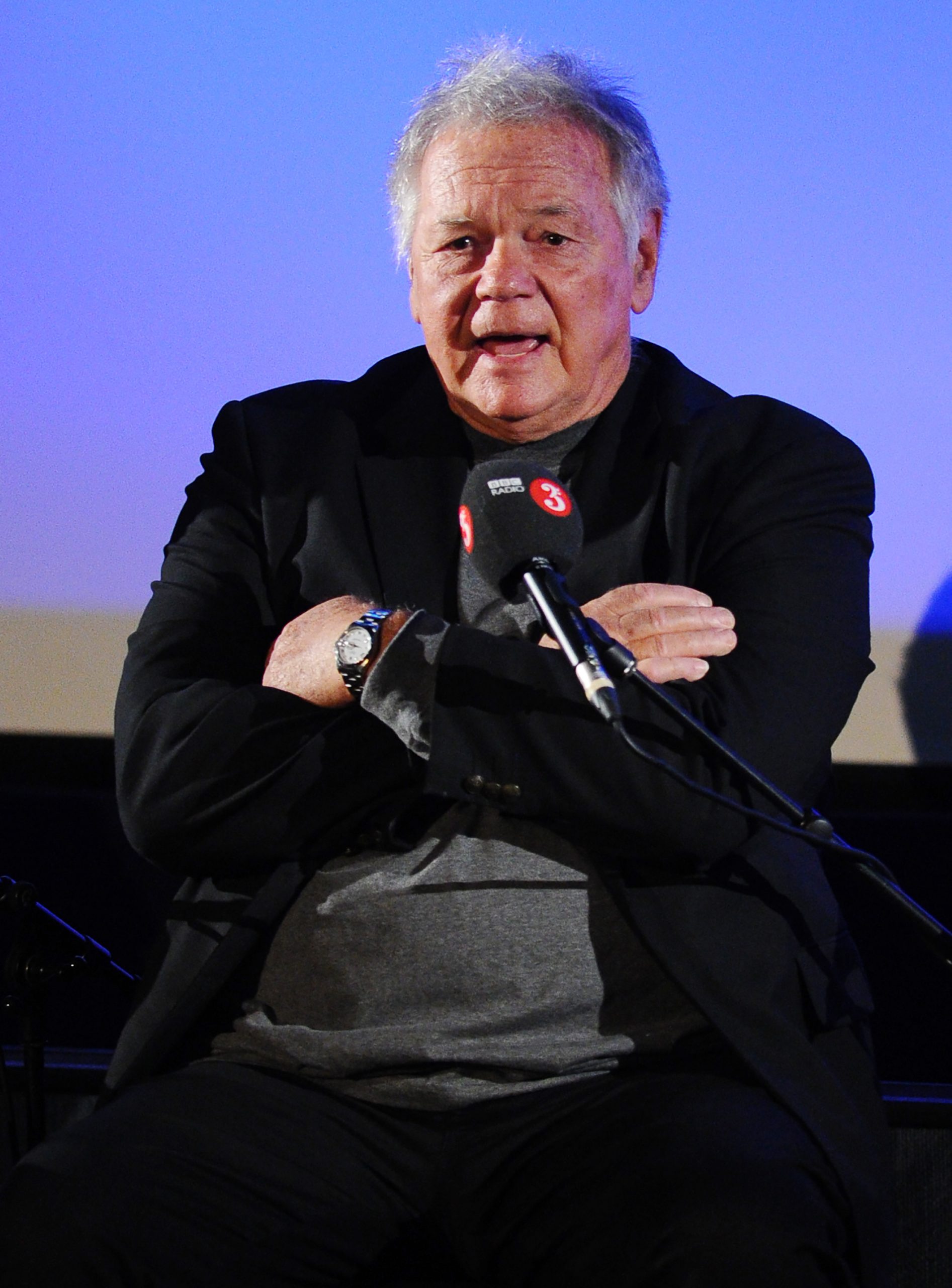
Gary Lockwood Net Worth 2026: Analyzing the Financial Journey of a Hollywood Maverick
As of 2026, Gary Lockwood’s net worth is estimated to be between $2 million and $4 million. This valuation reflects a career spanning over six decades, fueled by iconic roles in film and television, significant residual income from cul...
As of 2026, Gary Lockwood’s net worth is estimated to be between $2 million and $4 million. This valuation reflects a career spanning over six decades, fueled by iconic roles in film and television, significant residual income from cult classics, and his long-standing popularity on the international science fiction convention circuit.
Contents
The Foundations of Gary Lockwood’s Professional Wealth
To understand the financial standing of Gary Lockwood, one must look beyond modern blockbuster salaries and examine the economic structure of Hollywood during the mid-20th century. Born John Gary Yurosek in 1937, Lockwood did not begin his career with the intent of becoming a wealthy leading man. Instead, his initial entry into the industry was as a stuntman and a stand-in, primarily for Anthony Perkins.
During the late 1950s, stunt work was a physically demanding but relatively lucrative entry point. It provided Lockwood with a foundational understanding of film production and a steady income that many aspiring actors lacked. His transition from behind the scenes to the front of the camera was facilitated by his athletic build and commanding screen presence, qualities that eventually caught the eye of legendary director Elia Kazan.
Lockwood’s early roles in films like Splendor in the Grass (1961) were the result of this transition. While these early supporting roles did not command multi-million dollar paychecks, they established him as a "bankable" young actor, leading to more substantial contracts with major studios.
Television Success: The Lieutenant and Follow the Sun
In the early 1960s, television was the primary driver of consistent wealth for actors. Lockwood secured the lead role in the ABC series Follow the Sun (1961–1962), followed by the title role in The Lieutenant (1963–1964). The latter was particularly significant as it was created by Gene Roddenberry, a professional relationship that would later prove to be a cornerstone of Lockwood's financial and cultural legacy.
As a series lead in the 1960s, Lockwood would have earned a weekly salary significantly higher than the average American household income of the era. The Lieutenant ran for 38 episodes. During this period, series regulars typically negotiated contracts that included escalating per-episode fees and, crucially, residual payments for a set number of reruns. While the residual structures of the 1960s were not as robust as those established by the Screen Actors Guild (SAG) in later decades, these roles provided the capital necessary for Lockwood to transition into major motion pictures.
2001: A Space Odyssey and the Impact of Cinema History
The most significant contributor to Lockwood's professional prestige—and a consistent source of indirect income—is his role as Dr. Frank Poole in Stanley Kubrick's 2001: A Space Odyssey (1968). While the film is a monumental achievement in cinema, the financial arrangement for actors at the time rarely included "points" or backend participation in the film's profits, especially for those not yet considered "A-list" stars.
Lockwood was paid a flat fee for his work on the film. However, the true financial value of 2001 for Lockwood lies in its longevity. The film's status as a masterpiece ensured that Lockwood remained a relevant figure for decades. This relevance translated into:
- Increased Demand for Guest Appearances: Throughout the 1970s and 80s, Lockwood was a highly sought-after guest star for television procedurals and dramas.
- Home Media Royalties: Subsequent SAG-AFTRA agreements ensured that actors from major films received a portion of home media sales (VHS, DVD, Blu-ray, and eventually Digital).
- The Science Fiction Premium: Unlike actors in standard dramas, science fiction stars possess a "long tail" of marketability.
The Star Trek Factor and the Convention Circuit
Lockwood’s appearance in the second Star Trek pilot, "Where No Man Has Gone Before," as Lt. Cmdr. Gary Mitchell, is perhaps his most lucrative guest-starring role when measured over a lifetime. Although it was a single episode, the explosion of Star Trek fandom in the late 1970s created a new economy: the fan convention.
For several decades, Lockwood has been a staple at science fiction conventions worldwide. These appearances represent a significant portion of his modern net worth. Professional guest stars at these events typically receive:
- Appearance Fees: Guaranteed payments to attend the event.
- Autograph Sales: A direct revenue stream where the actor retains a significant percentage of the price per signature.
- Photo Opportunities: Similar to autographs, these sessions provide immediate cash flow.
For a legacy actor like Lockwood, the convention circuit can generate six-figure annual revenues, often exceeding what they might earn from modern acting residuals. This "passive-active" income has been instrumental in maintaining his net worth well into the 21st century.
Career Financial Comparison Table
The following table outlines the estimated financial impact of different phases of Gary Lockwood’s career, adjusted for historical context and industry standards of the 2026 timeframe.
| Career Phase | Key Projects | Primary Income Source | Financial Impact Rating |
|---|---|---|---|
| Early Career (1958-1961) | Stunt work, Splendor in the Grass | Weekly wages, stunt premiums | Moderate |
| TV Leading Man (1961-1964) | The Lieutenant, Follow the Sun | Contractual salary, early residuals | High |
| Peak Cinema (1968) | 2001: A Space Odyssey | Fixed salary, long-term residuals | Very High (Legacy Value) |
| Guest Star Era (1970s-1990s) | Barnaby Jones, The Six Million Dollar Man | Per-episode fees, SAG residuals | Consistent / Stable |
| Legacy/Niche (2000-2026) | Conventions, Autobiography, Signings | Appearance fees, memorabilia sales | High (Stability) |
Diversification and Personal Assets
Beyond acting, Lockwood’s financial health has been influenced by his personal life and real estate holdings. Having lived in Southern California for the majority of his adult life, he benefited from the massive appreciation of property values in the region. Although he has faced the financial complexities of multiple divorces—notably from actresses Stefanie Powers and Denise DuBarry—his ability to remain active in the industry has preserved his capital.
Lockwood also published his autobiography, 2001: The Expressing of an Era, which provided an additional revenue stream. While celebrity memoirs rarely generate millions unless they are major bestsellers, they serve as high-margin items at conventions and personal appearances, further cementing the actor's brand.
Why Net Worth Figures for Legacy Actors Vary
It is important to note that net worth estimates for actors like Gary Lockwood are often subject to fluctuations based on the reporting source. Publicly available data focuses on:
- Identifiable Assets: Known real estate and business holdings.
- Estimated Royalties: Calculations based on the frequency of his work being aired on television or streaming platforms.
- Public Appearances: Estimated earnings from known convention schedules.
Unlike modern stars whose contracts are often leaked to the press, Lockwood belongs to a generation where financial privacy was more strictly maintained. Therefore, the $2 million to $4 million range represents a conservative estimate that accounts for taxes, agent fees, and lifestyle maintenance over a long career.
FAQs About Gary Lockwood's Wealth and Career
Does Gary Lockwood receive residuals for 2001: A Space Odyssey?
Yes. Under the SAG-AFTRA residual structures, actors receive payments for the continued distribution of their work. While these payments decrease over time, the frequent re-releases and streaming deals for a film as significant as 2001 provide a steady, albeit modest, stream of income.
How much do actors like Lockwood earn at conventions?
While specific contracts are private, veteran actors from iconic franchises can earn anywhere from $5,000 to $20,000 per weekend in appearance fees, plus additional revenue from autograph sales, which can double those figures depending on the size of the event.
Did Lockwood have any major business ventures outside of acting?
Lockwood primarily focused on his craft and the monetization of his celebrity. Unlike some of his contemporaries who moved into real estate development or production, his wealth is almost entirely derived from the entertainment industry and associated appearances.
How did his role in Star Trek impact his net worth?
Despite appearing in only one episode, the cult status of Star Trek made Lockwood a permanent member of a very exclusive "alumni" club. This membership is the primary driver of his convention income, which has likely contributed more to his net worth over the last 30 years than his original salary for the episode.
What is the primary source of his wealth in 2026?
By 2026, the primary drivers of Lockwood’s wealth are residuals from his expansive catalog of 20th-century television and film, coupled with the management of his personal estate and continued interest in his autobiography and historical contributions to cinema.
Final Perspective on Gary Lockwood’s Financial Legacy
Gary Lockwood represents the successful "working actor" who parlayed a few iconic moments into a sustainable, lifelong career. His net worth is not the result of a single massive payout, but rather the cumulative effect of strategic role selection, the enduring nature of the science fiction genre, and his ability to engage with a dedicated fan base for over half a century. For those studying the economics of Hollywood, Lockwood serves as a prime example of how legacy status can be effectively managed to provide financial security long after the cameras have stopped rolling.
Image Gallery