The Sheets That Stay Cool for Hot Sleepers: A Complete Fabric and Weave Guide
Finding sheets that stay cool throughout the night requires prioritizing breathable fibers and light, open weaves over high thread counts. Natural materials like long-staple cotton percale, pure linen, and plant-derived Tencel Lyocell...
Finding sheets that stay cool throughout the night requires prioritizing breathable fibers and light, open weaves over high thread counts. Natural materials like long-staple cotton percale, pure linen, and plant-derived Tencel Lyocell allow body heat to dissipate while managing moisture, making them superior to heat-trapping polyester microfibers or dense synthetic blends for hot sleepers.
Contents
The Thermal Science Behind Cooling Bedding
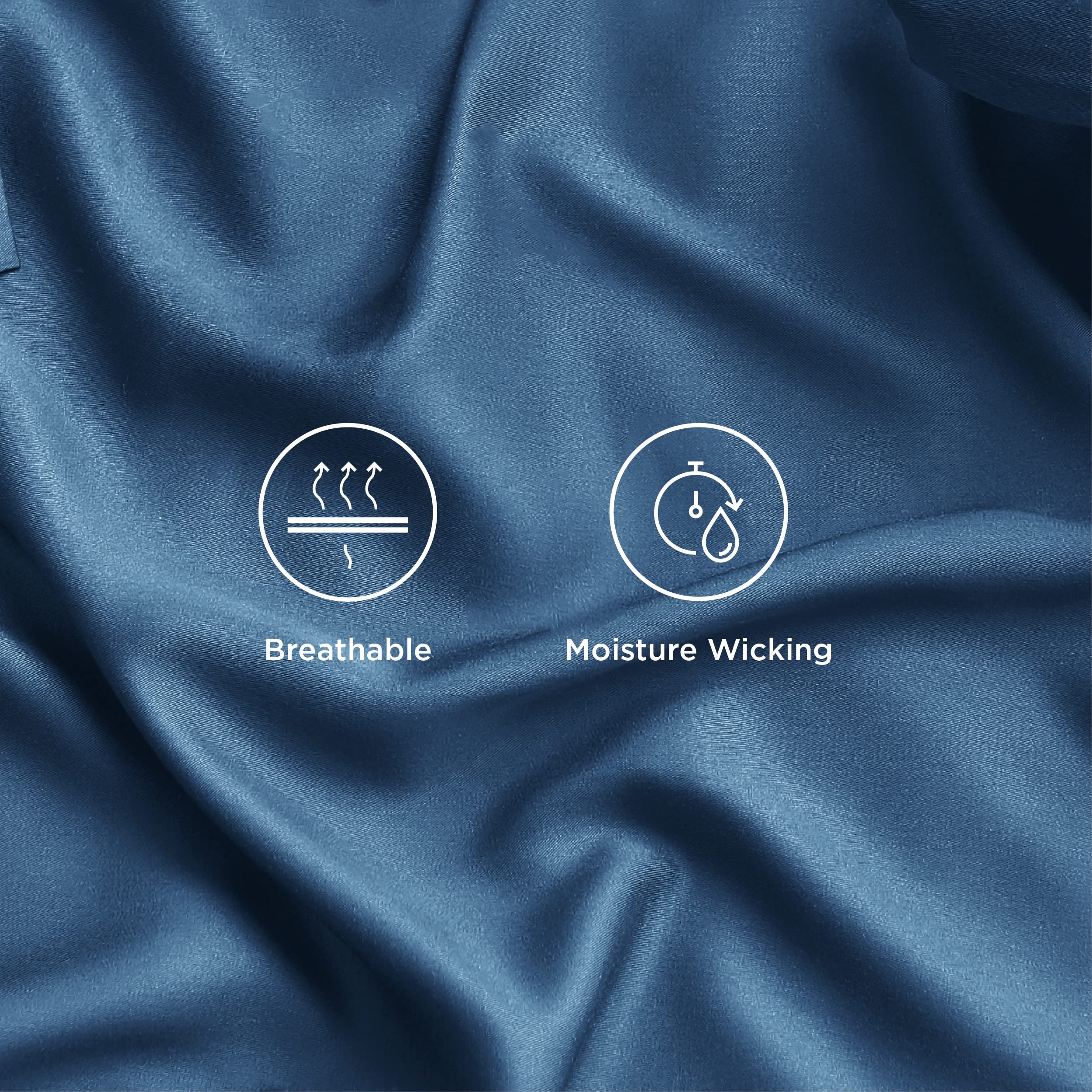
Nighttime overheating occurs when ambient heat and moisture become trapped between your skin, mattress, and top bedding layers. To maintain an optimal body temperature for restful deep sleep, bed sheets must perform two distinct physical functions: thermal regulation (breathability) and moisture management (wicking and absorption).
Thermal Regulation Process:
- Hot Sleeper (Body Heat) to Airflow / Breathable Weave
- Night Sweats (Moisture) to Moisture-Wicking Fiber
- Heat Dissipation & Evaporation to Dry, Cool Sleep Surface
Thermal regulation depends on air permeability. Fabrics with an open weave structure allow warm air generated by your metabolic process to escape, while letting room air circulate across your skin. When airflow is blocked, heat builds up rapidly in the microclimate under the covers.
Moisture management involves how fibers handle perspiration. Some fibers absorb excess humidity into their core without feeling wet to the touch, while others pull moisture along the surface of the thread so it can evaporate quickly into the air. True cooling bedding balances both mechanisms to prevent the clammy sensation that triggers nighttime wakefulness.
Best Fabrics for Hot Sleepers
Not all bedding materials perform equally when subjected to high body heat. Understanding the underlying raw fibers helps narrow down the most effective options for your individual sleep style.
Cotton Percale
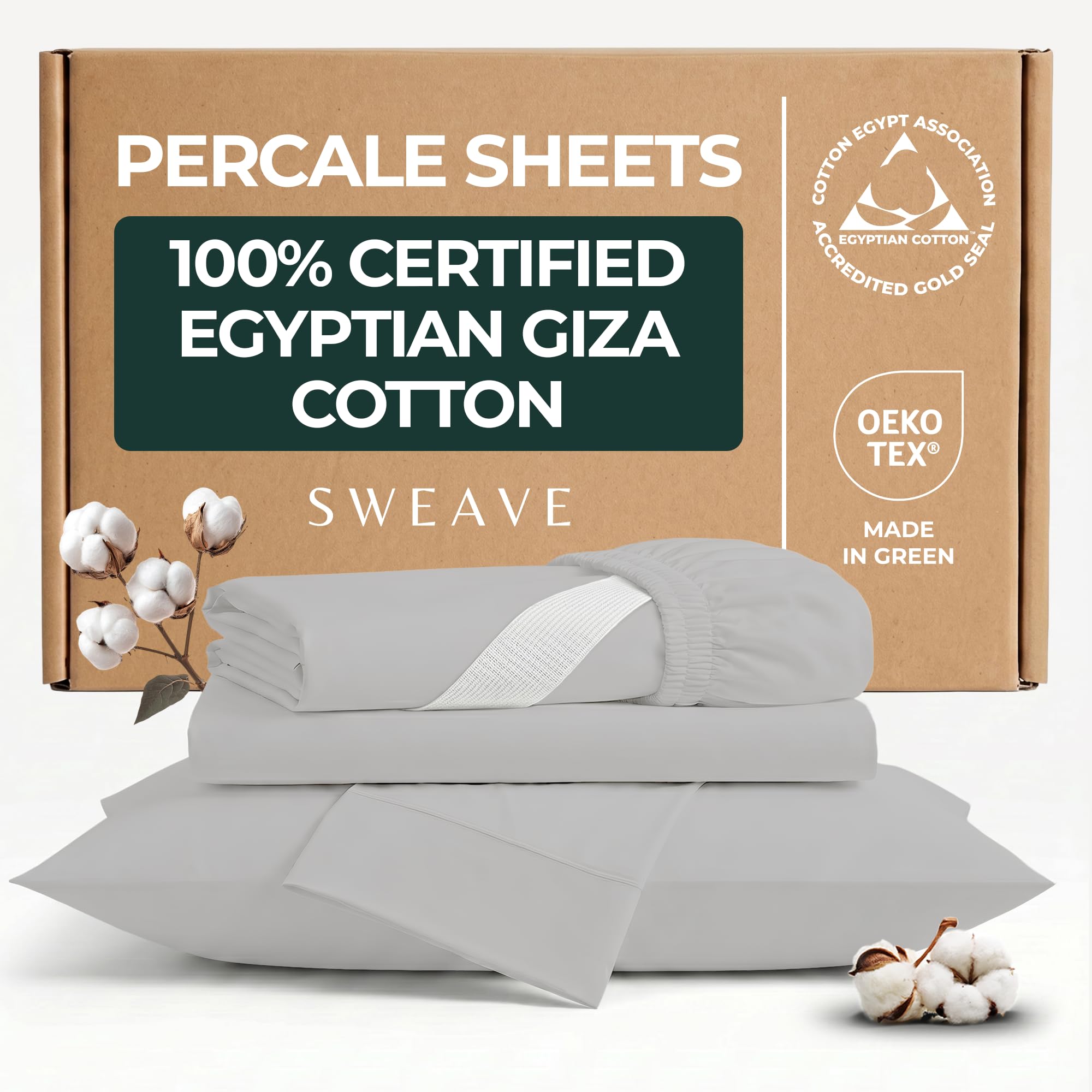
Crisp cotton percale remains the classic benchmark for cooling sheets. Made from high-quality long-staple or extra-long-staple cotton (such as Pima or Egyptian varieties), percale utilizes a simple, balanced weave pattern. The resulting fabric feels lightweight, matte, and cool to the touch—reminiscent of crisp hotel bedding. Cotton fibers naturally absorb moisture, allowing sweat to transfer away from your skin while air circulates through the weave.
Tencel (Lyocell)
Tencel is a brand name for cellulosic fibers made from sustainably harvested wood pulp (typically eucalyptus) produced through an environmentally responsible closed-loop process. Tencel Lyocell possesses an exceptionally smooth fiber surface that feels noticeably cool when you first climb into bed. It manages moisture transport far more efficiently than standard cotton, absorbing sweat directly into the fiber structure and releasing it into the atmosphere. This prevents liquid from building up on the surface, keeping hot sleepers dry.
Linen
Derived from the flax plant, linen is one of the oldest and most breathable textiles available. Flax fibers are thicker and stiffer than cotton threads, resulting in a loosely woven fabric with high natural air permeability. Linen can absorb up to 20 percent of its weight in moisture before feeling damp, making it exceptionally effective for people who suffer from heavy night sweats. While linen has a textured, slightly slubbed hand-feel initially, it softens progressively with every wash while retaining its heat-dissipating qualities.
Bamboo Viscose / Rayon
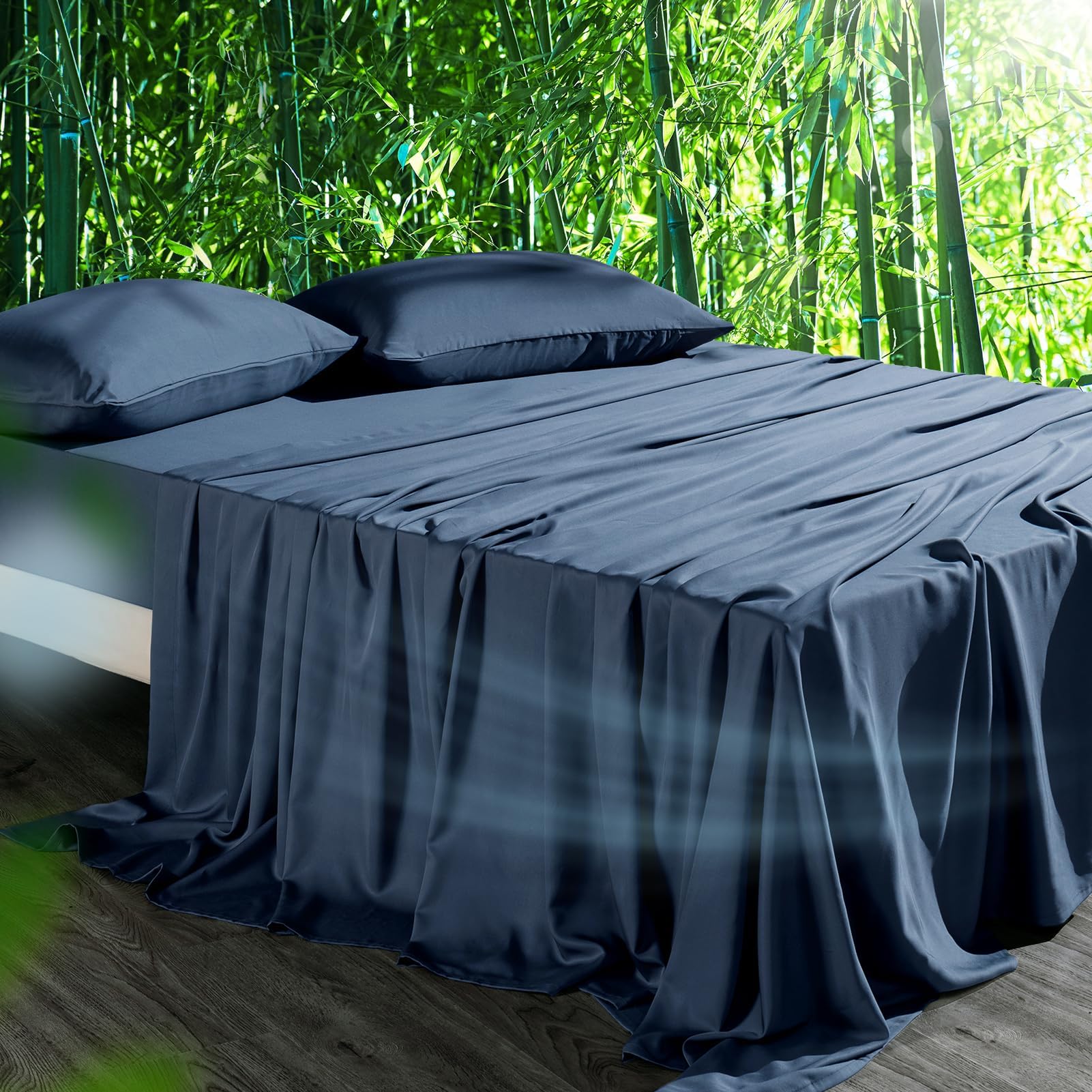
Bedding made from bamboo-derived viscose or rayon features a silky texture with high moisture-absorption capabilities. The micro-gap structure of bamboo fiber gives it strong drape and immediate cool-to-the-touch properties. However, buyers should check the specific manufacturing details: while bamboo viscose wicks moisture extremely well, poor-quality low-density weaves can trap heat if the fabric is too heavy or tightly woven.
Silk
Mulberry silk is a natural protein fiber that inherently regulates temperature. It accommodates body temperature fluctuations by providing minimal insulation while allowing excess heat to vent. While silk offers a smooth surface that reduces friction against skin and hair, it demands delicate washing care and carries a significantly higher price point than cellulose-based alternatives.
How Weave and Thread Count Impact Airflow
A common misconception in bedding design is that higher thread count equals superior quality. For hot sleepers, high thread counts are often counterproductive.
- Percale Weave (1-over, 1-under): Maximum Airflow & Breathability
- Sateen Weave (3-over, 1-under): Dense, Traps Body Heat
Percale vs. Sateen
- Percale Weave: Constructed using a basic grid structure (one thread over, one thread under). This simple grid leaves tiny micro-gaps between the yarns, promoting continuous airflow and heat dissipation. It yields a matte, crisp sheet with high breathability.
- Sateen Weave: Constructed using a floating pattern (typically three or four threads over, one thread under). This exposes more thread surface on the top side of the fabric, creating a lustrous sheen and a silky feel. However, this tight structure reduces air permeability significantly, trapping body heat and making sateen a poor choice for warm sleepers.
Decoding Thread Count
Thread count refers to the number of horizontal and vertical threads woven into one square inch of fabric.
- Optimal Range for Breathability: For cotton percale, an ideal thread count lies between 200 and 400. Within this range, yarns are packed tightly enough for durability and softness, yet loosely enough to permit healthy air circulation.
- The High Thread Count Trap: Counts exceeding 500 often require manufacturers to twist thin multi-ply yarns together or weave threads so tightly that air cannot pass through the fabric. Dense, ultra-high thread count sheets restrict heat release, effectively acting as an insulating barrier over your body.
Cooling Sheet Materials Comparison
| Fabric Material | Weave / Structure Type | Air Permeability | Moisture Wicking | Texture & Hand-Feel | Care & Maintenance |
|---|---|---|---|---|---|
| Cotton Percale | 1-over-1-under Grid | Very High | Moderate to High | Crisp, matte, lightweight | Machine washable; standard tumble dry |
| Tencel Lyocell | Plain or Twill | High | Excellent | Silky, smooth, fluid drape | Machine wash cold; low heat dry |
| Pure Linen | Loose Plain Weave | Maximum | Excellent | Textured, organic, softens over time | Machine wash gentle; air dry or low heat |
| Bamboo Viscose | Plain or Satin Weave | High | Very High | Ultra-soft, silky sheen | Machine wash gentle; prone to pilling if abused |
| Mulberry Silk | Filament Weave | Moderate to High | Moderate | Exceptionally smooth, lustrous | Hand wash or delicate cycle; dry flat |
| Polyester Microfiber | Tightly Knitted / Woven | Very Low | Poor (Traps Sweat) | Soft, synthetic, static-prone | Easy care, but retains odors and heat |
Fabrics and Features Hot Sleepers Should Avoid
Selecting sheets that stay cool requires eliminating options that retain heat or impede moisture evaporation.
Synthetic Microfiber and Polyester
Polyester, microfiber, and acrylic sheets are derived from synthetic polymers—essentially plastic. These fibers lack natural pore structures. While soft and inexpensive, synthetic fabrics create a barrier that seals in warm air and holds moisture against your skin, resulting in an uncomfortable microclimate.
Phase-Change Coatings vs. Natural Breathability
Some contemporary bedding products use chemical surface treatments or phase-change materials (PCMs) engineered to absorb thermal energy. While PCMs offer a noticeable cold feeling when touch-tested in a showroom, these chemical applications can wear off over multiple wash cycles. Relying on inherent fiber structure—such as long-staple percale cotton or pure flax linen—provides consistent, long-term temperature regulation without degrading over time.
Heavy Weight Fabrics
Heavy flannel, thick velvet, knit jersey made from low-grade cotton, and high-GSM fabrics insulation properties designed for winter cold. Hot sleepers should avoid these construction styles year-round.
Washing Practices to Preserve Breathability
Proper care ensures that your sheets maintain their cooling efficiency, airflow, and moisture-wicking capabilities throughout their lifespan.
Care Routine for Cooling Sheets:
Neutral Liquid Detergent
Cold / Warm Water Cycle
Skip Fabric Softeners
Low Heat Tumble Dry
Avoid Fabric Softeners and Dryer Sheets: Liquid fabric softeners and dryer sheets leave a thin silicon-based coating over textile fibers. This coating clogs the micro-voids in cotton, linen, and Tencel, drastically reducing their breathability and moisture-wicking capacity.
Use Mild, Liquid Detergents: Heavy powder detergents or excess soap residue can remain embedded in high-density weaves, altering the texture and hindering airflow. Wash cooling sheets with a clear, liquid detergent and run an extra rinse cycle if necessary.
Wash in Cold to Warm Water: High temperatures can break down fine plant fibers like Tencel and bamboo, causing micro-fraying that degrades the smooth surface texture. Stick to cool or warm water settings.
Line Dry or Tumble Dry Low: High heat in the dryer damages natural fibers and hardens flax linen. Line drying outside promotes maximum freshness, while low-heat tumble drying prevents thermal damage to delicate cooling weaves.
Frequently Asked Questions
What thread count is best for cooling sheets?
For cotton percale cooling sheets, a thread count between 200 and 400 is ideal. Higher thread counts require dense weaves or multi-ply yarns that block airflow and trap body heat, rendering the sheets significantly warmer.
Is Tencel cooler than bamboo bedding?
Both materials offer strong thermal management, but Tencel (Lyocell) generally provides superior durability, a smoother initial feel, and more efficient moisture management than basic bamboo viscose. Tencel's closed-loop production also creates a uniform fiber that resists pilling better over time.
Why do my sheets feel cold when I get in bed but warm up later?
Many fabrics feel cool upon initial contact because they conduct thermal energy away from your skin rapidly. However, if the fabric lacks open air permeability or strong moisture evaporation properties, your accumulated body heat saturates the material within 20 to 30 minutes, turning the sheets warm and humid.
Are 100% organic cotton sheets naturally cooling?
Not automatically. Cooling performance depends on the weave pattern and thread count, not organic certification alone. Organic cotton woven into a 300-thread-count percale will stay remarkably cool, whereas the same organic cotton woven into a heavy 800-thread-count sateen will trap heat.
Does linen stay cooler than cotton percale?
Linen offers higher maximum airflow and absorbs more moisture than cotton due to its thicker flax fibers and loose weave. However, cotton percale provides a smoother, crisper initial feel. Sleepers who experience heavy night sweats generally prefer linen, while those who prefer a slick, smooth bed prefer percale.
How to Select the Ideal Cooling Set
To choose sheets that will keep you cool, evaluate your specific bedroom environment, budget, and physical preference for fabric texture:
- For the Crispest, Cleanest Feel: Select a 200 to 300 thread-count long-staple cotton percale. It offers classic hotel-style crispness with high airflow at a reasonable price point.
- For Maximum Sweat and Humidity Control: Choose 100% pure flax linen (around 150 to 180 GSM). Linen provides the highest structural ventilation and moisture absorbency for warm climates or severe hot sleepers.
- For a Silky Surface with Strong Cooling: Opt for 100% Tencel Lyocell. It combines an exceptionally soft hand-feel with strong moisture absorption, making it gentle on sensitive skin while preventing overheating.
Always inspect product specifications for raw material source and weave type before buying, avoiding synthetic microfibers, dense sateen structures, and artificially high thread counts.
Image Gallery