Understanding Rosanne’s Life Insurance Policy and What It Means for Her Future
When Rosanne has a life insurance policy, it means she has established a binding legal contract with an insurance company to provide financial security for her survivors or her own estate. This policy ensures that, in exchange for regu...
When Rosanne has a life insurance policy, it means she has established a binding legal contract with an insurance company to provide financial security for her survivors or her own estate. This policy ensures that, in exchange for regular premium payments, the insurer will pay a designated sum of money—known as a death benefit—to her chosen beneficiaries upon her passing.
Contents
In the financial landscape of 2026, life insurance has evolved beyond a simple death benefit. For someone like Rosanne, a policy represents a foundational piece of a comprehensive wealth management strategy. Whether she holds a term policy for temporary protection or a permanent policy with cash value accumulation, the "meaning" of the policy is rooted in risk mitigation, tax planning, and the guaranteed transfer of liquidity when it is needed most.
The Legal Structure of Rosanne’s Policy
To understand what it means for Rosanne to "have" a policy, one must first identify her role within the contract. In most standard scenarios, Rosanne occupies three distinct positions, though these can be separated depending on her specific financial goals.
The Policy Owner
As the policy owner, Rosanne holds all the legal rights to the contract. She is the only person authorized to make changes to the policy, such as naming or changing beneficiaries, increasing or decreasing coverage amounts (where permitted), and deciding when to terminate the contract. In 2026, most owners manage these rights through secure digital portals, allowing for real-time updates to their estate plans.
The Insured
Usually, Rosanne is also the "insured," meaning the policy is underwritten based on her age, health, and lifestyle. The "meaning" of the policy is tied directly to her life expectancy. If the policy were on someone else's life—such as a business partner or a spouse—Rosanne would still be the owner, but the payout would trigger upon the death of that third party.
The Beneficiaries
The beneficiaries are the individuals or entities Rosanne has chosen to receive the proceeds. By having this policy, Rosanne has created a "will substitute." Unlike assets that must pass through the often lengthy and expensive process of probate, life insurance proceeds are generally paid directly to beneficiaries, providing them with immediate liquidity to cover funeral costs, debts, or living expenses.
Distinguishing Between Policy Types
What a policy "means" for Rosanne depends heavily on the type of insurance she has selected. In 2026, the distinction between term and permanent insurance remains the most critical factor in determining the policy’s long-term utility.
Term Life Insurance: Temporary Protection
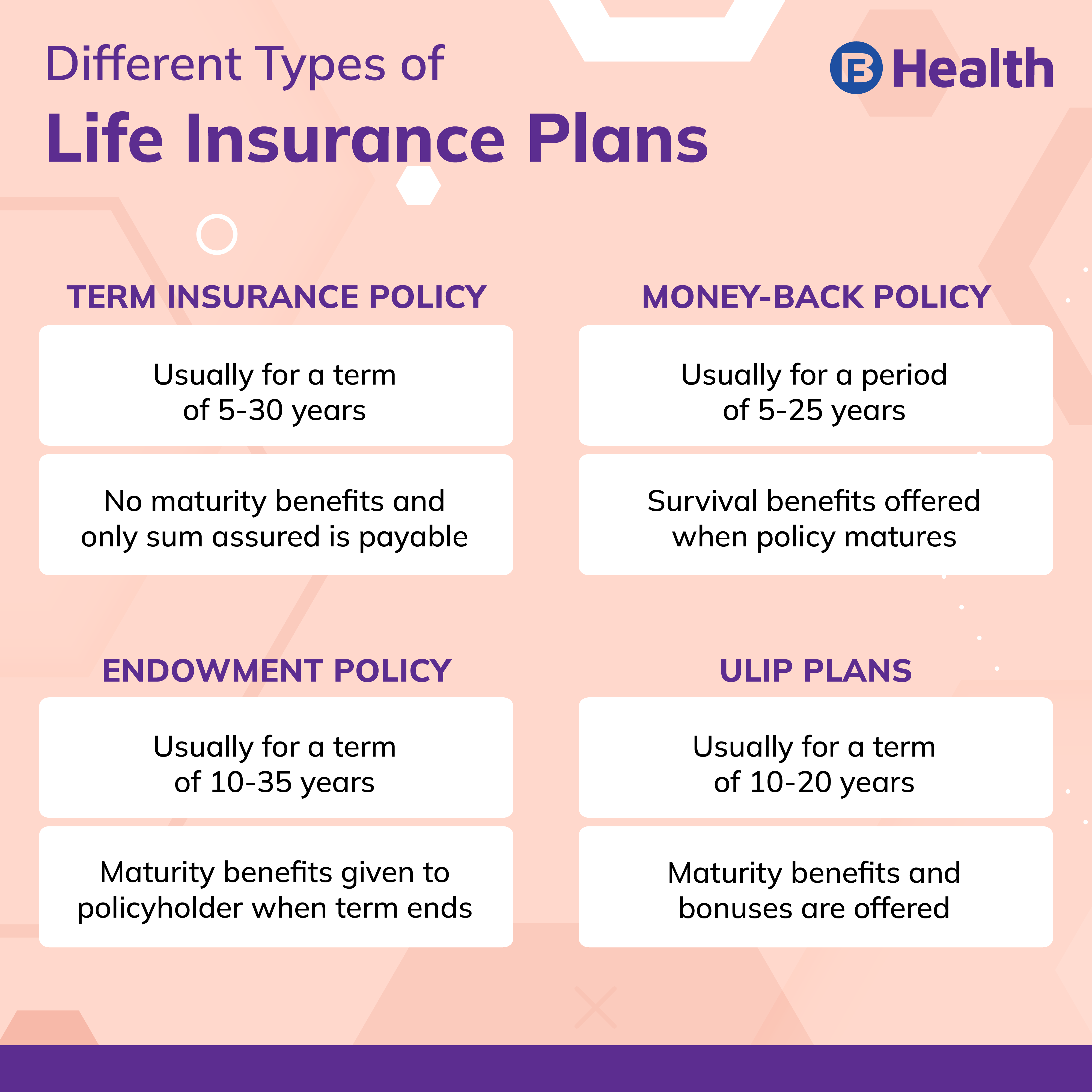
If Rosanne has a term life insurance policy, it means she has purchased protection for a specific window of time—typically 10, 20, or 30 years.
- Purpose: This is often used to cover "declining" needs, such as a mortgage or the years until her children reach adulthood.
- Cost: Term insurance is significantly more affordable than permanent options, allowing Rosanne to secure a high death benefit for a lower monthly premium.
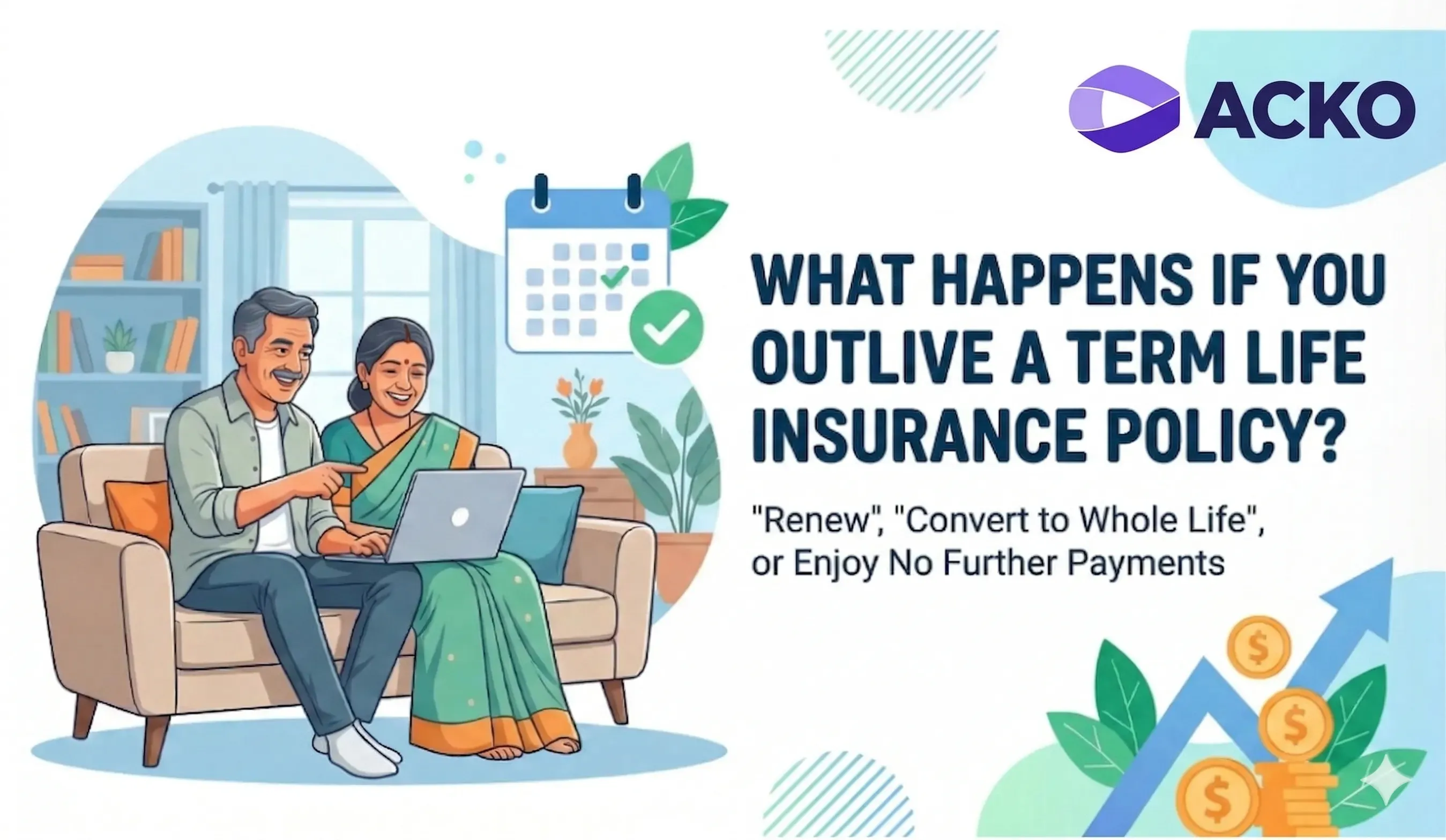
- The Catch: If Rosanne outlives the term, the policy simply expires. There is no money returned to her unless she had a "Return of Premium" rider, which is less common in the current 2026 market due to its high cost.
Permanent Life Insurance: Asset Accumulation
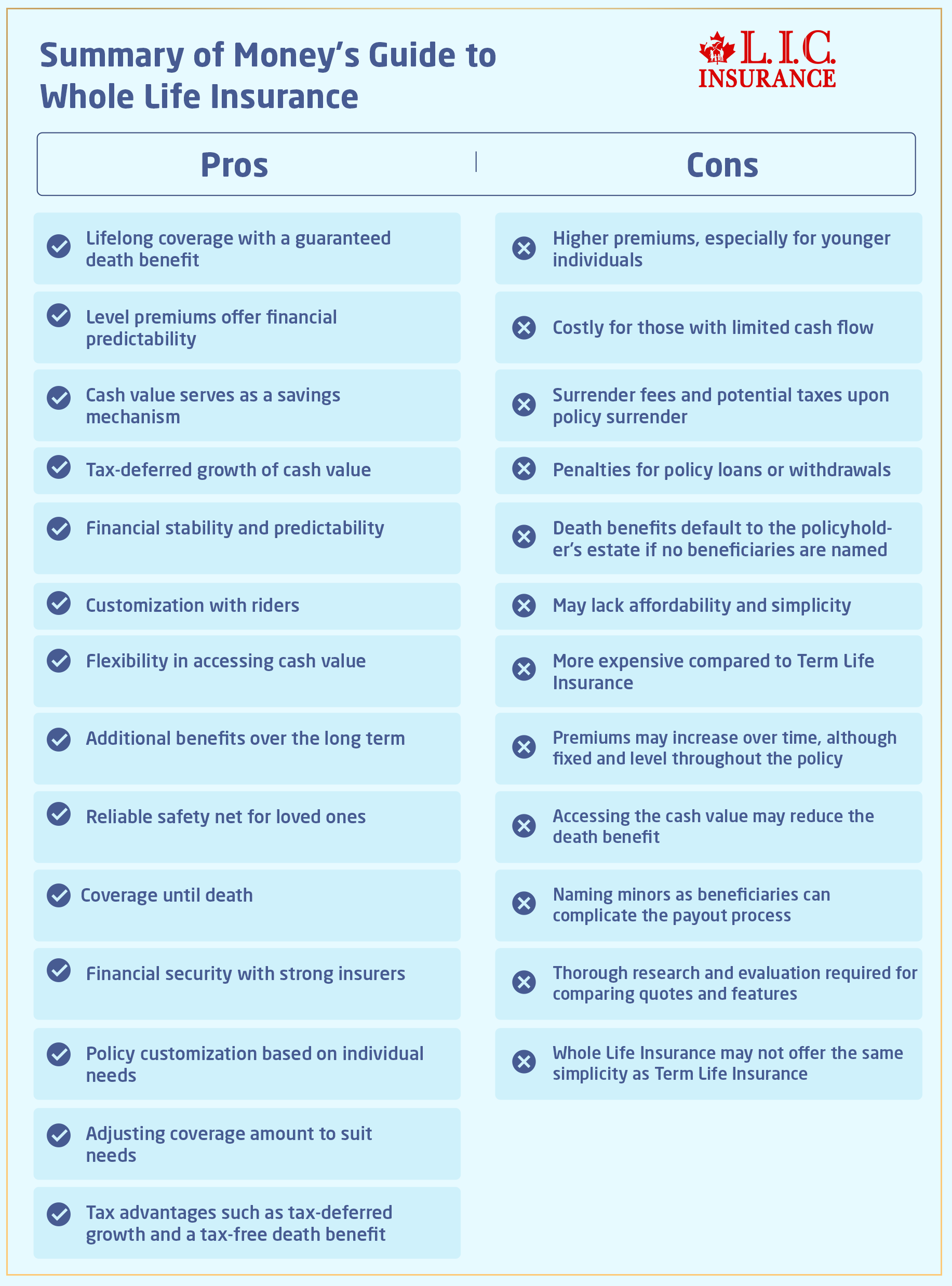
If Rosanne’s policy is a form of permanent insurance (such as Whole Life or Universal Life), it means the coverage lasts for her entire lifetime, provided premiums are paid.
- Cash Value: These policies include a savings component known as "cash value." A portion of Rosanne’s premium grows over time, often tax-deferred.
- Living Benefits: Rosanne can potentially borrow against this cash value or even surrender the policy for its accumulated worth if her financial needs change. In 2026, many policyholders use this as a "volatility buffer" during market downturns.
The Financial Mechanics of the Policy
Having a policy means Rosanne is committed to a set of financial mechanics that dictate how the money moves. This involves the interaction between premiums, dividends (if applicable), and the eventual death benefit.
| Feature | Term Life Insurance | Whole Life Insurance | Universal Life Insurance |
|---|---|---|---|
| Duration | Fixed period (e.g., 20 years) | Entire lifetime | Flexible (to age 100 or 121) |
| Premium | Lowest; usually level | Higher; fixed for life | Flexible; can be adjusted |
| Cash Value | None | Guaranteed growth | Linked to interest/market |
| Death Benefit | Fixed | Guaranteed | Can be adjusted by owner |
| 2026 Utility | Debt protection | Estate liquidity | Flexible wealth transfer |
Premium Obligations
For the policy to remain "in force," Rosanne must meet her premium obligations. Failure to pay usually results in a grace period (typically 31 days), after which the policy may lapse. If she has a permanent policy with sufficient cash value, the insurer might use an "Automatic Premium Loan" to pay the premium from the policy’s own value, preventing it from cancelling.
The Death Benefit Payout
The core "meaning" of the policy is the death benefit. This is the sum paid to beneficiaries. Because life insurance proceeds are generally not considered gross income by the IRS (under Internal Revenue Code Section 101(a)), the payout is typically federal income tax-free. For Rosanne’s family, a $500,000 policy means they receive the full $500,000, not a diminished amount after taxes.
What Rosanne’s Policy Means for Estate Planning
In 2026, life insurance is a primary tool for estate equalization and liquidity. If Rosanne owns a business or a family farm that is not easily divisible among her heirs, a life insurance policy can "bridge the gap."
- Estate Liquidity: If Rosanne’s estate is large enough to trigger estate taxes, the life insurance policy provides the cash necessary to pay the government without forcing the heirs to sell off physical assets or investments at an inopportune time.
- Debt Clearance: The policy ensures that Rosanne’s debts—mortgages, personal loans, or credit cards—do not become a burden for her survivors.
- Final Expenses: Even a modest policy means that funeral, burial, and legal costs are covered, allowing the family to grieve without the immediate pressure of raising funds for a service.
Critical Clauses and Policy Limitations
While having a policy provides peace of mind, Rosanne must be aware of certain clauses that define what the policy doesn't mean. No insurance contract is absolute; they all contain standard exclusions and periods of investigation.
The Contestability Period
For the first two years after Rosanne buys the policy (the "contestability period"), the insurance company has the right to investigate the original application if a claim is made. If Rosanne omitted significant health information or lied about her lifestyle (e.g., tobacco use), the insurer could deny the claim or adjust the payout. After 2026, many digital underwriting tools have made these disputes rarer, but the legal right for the insurer to investigate remains standard.
The Suicide Clause
Similar to the contestability period, most policies contain a suicide clause. If the insured takes their own life within the first two years of the policy, the insurer will generally only refund the premiums paid, rather than paying the full death benefit. Once this two-year window passes, the full benefit is typically covered.
Exclusions
Depending on the specific policy Rosanne signed, there may be exclusions for "high-risk activities" such as private aviation, professional racing, or war-related deaths. It is essential for Rosanne to review her policy's "Exclusions" section to ensure her current lifestyle doesn't inadvertently void her coverage.
Modern Features: Living Benefits in 2026
In 2026, "having a policy" often means more than just a payout after death. Modern life insurance contracts frequently include Accelerated Death Benefit Riders.
If Rosanne were to be diagnosed with a terminal illness or a chronic condition requiring long-term care, these riders allow her to access a portion of her death benefit while she is still alive. This can be used to pay for medical bills, hospice care, or to modify her home for accessibility. This transformation of the policy from a "death benefit" to a "living benefit" is a hallmark of current 2026 insurance products, offering Rosanne a layer of disability and long-term care protection within a single contract.
Common Questions Regarding Rosanne's Policy
Can Rosanne change her mind about the policy? Yes. During the "Free Look Period" (usually 10 to 30 days after delivery), Rosanne can cancel the policy for a full refund of any premiums paid. After that, she can cancel a term policy at any time by stopping payments, or she can "surrender" a permanent policy for its remaining cash value.
What happens if Rosanne forgets to update her beneficiary? If Rosanne’s named beneficiary passes away before she does, and she has not named a "contingent" (secondary) beneficiary, the money will likely be paid to her estate. This means the funds would go through probate, which contradicts one of the primary reasons for having life insurance in the first place.
Can Rosanne's creditors take the life insurance money? In many jurisdictions, the death benefit paid to a beneficiary is protected from the deceased's creditors. However, if the money is paid to the estate (because no beneficiary was named), those funds become fair game for creditors. Some states also protect the cash value of a policy from Rosanne’s own creditors while she is still alive.
How does inflation affect Rosanne’s policy in 2026? Inflation reduces the purchasing power of a fixed death benefit over time. If Rosanne bought a $250,000 policy ten years ago, that amount buys significantly less in 2026. To combat this, some policies offer "inflation protection" riders or allow for the purchase of additional coverage without a new medical exam.
Summary and Next Actions
For Rosanne, having a life insurance policy means she has taken a proactive step in financial stewardship. It is a declaration of responsibility toward those she will eventually leave behind. To ensure the policy continues to meet its intended meaning, Rosanne should take the following steps:
- Annual Review: Every year, or after major life events (marriage, birth, divorce, or home purchase), she should review the coverage amount to ensure it is still sufficient.
- Beneficiary Audit: Ensure the names on the policy are correct and that contact information for those individuals is up to date.
- Storage of Documents: Keep the policy number and the name of the insurance company in a place where her executors or family members can easily find it. In 2026, this usually involves a digital "legacy vault" or an encrypted file shared with her attorney.
- Premium Verification: Confirm that premiums are being paid through a reliable method, such as an automated bank draft, to prevent an accidental lapse in coverage.
By maintaining this policy, Rosanne secures a legacy that transcends her physical presence, providing her loved ones with the financial resources to maintain their standard of living and pursue their own goals even in her absence.
Image Gallery