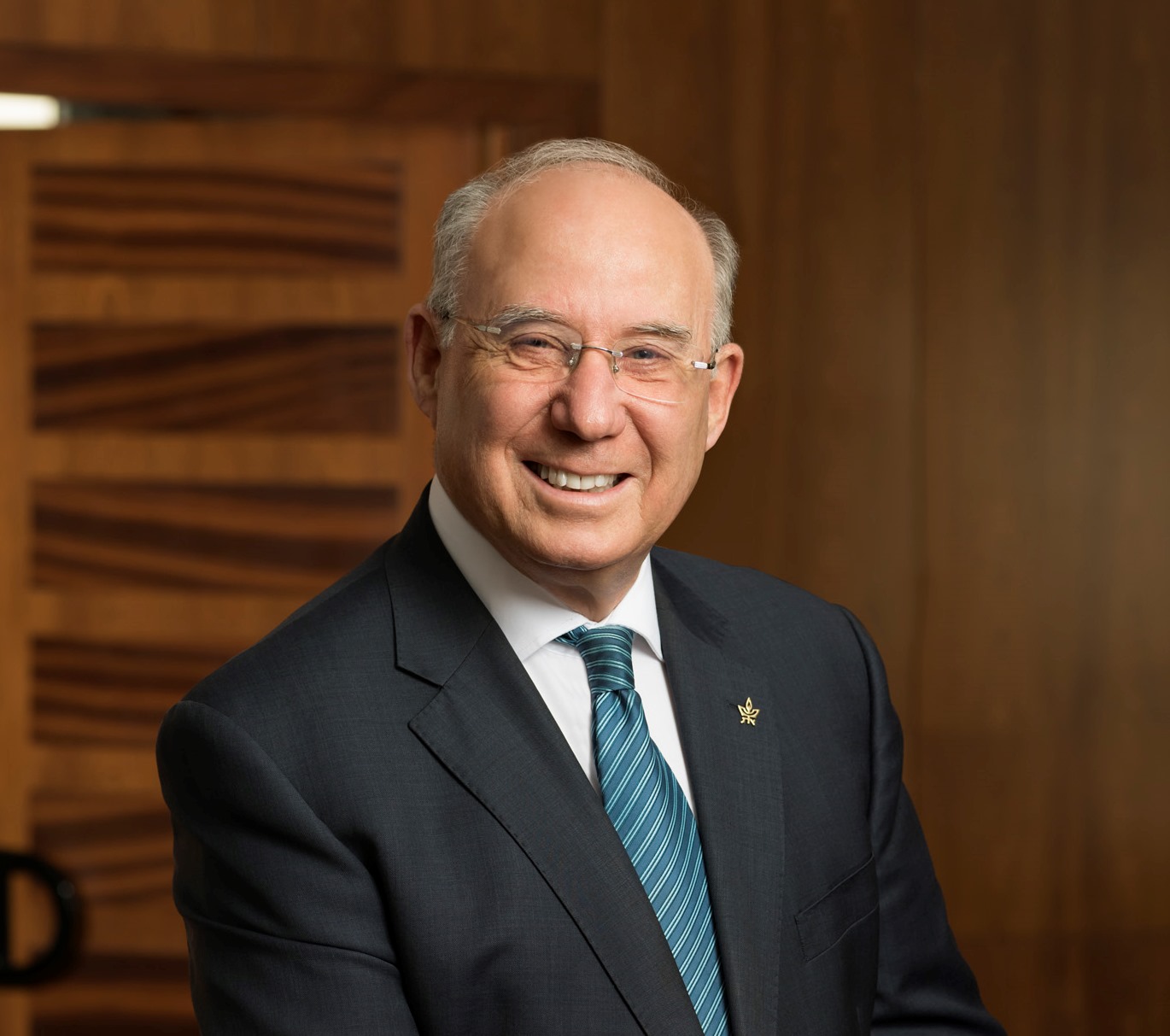
Jacob Frenkel Net Worth Explained: A Career in Global Finance and Policy
Jacob Frenkel’s net worth is primarily the result of his extensive career spanning elite academia, international policy, and top-tier executive banking. While private financial records are not public, his high-level roles at JPMorgan C...
Jacob Frenkel’s net worth is primarily the result of his extensive career spanning elite academia, international policy, and top-tier executive banking. While private financial records are not public, his high-level roles at JPMorgan Chase International, the International Monetary Fund (IMF), and the Bank of Israel suggest a net worth in the range of $15 million to $45 million as of 2026.
Contents
The name Jacob Frenkel often appears in the context of global economic stability and monetary policy. However, understanding his financial standing requires a look at the specific trajectory of a man who moved from the "Chicago School" of economics to the helm of a central bank, and eventually to the upper echelons of one of the world's largest investment banks.
Disambiguation: Which Jacob Frenkel?
Before analyzing the financial details, it is crucial to distinguish between two prominent figures. The subject of this analysis is Jacob A. Frenkel, the Israeli-American economist, former Governor of the Bank of Israel, and former Chairman of JPMorgan Chase International.
He is frequently confused with Jacob S. Frenkel, a high-profile white-collar defense attorney and former federal prosecutor who currently serves as a Member at the law firm Dickinson Wright. While both individuals possess significant professional success and high net worths within their respective fields, the "global economist" Jacob Frenkel is the figure whose career spans the multi-million dollar compensation packages of Wall Street and international finance.
The Foundation: Academic and IMF Career
Jacob Frenkel’s wealth accumulation began with a robust foundation in academia. He earned his B.A. from the Hebrew University of Jerusalem and followed it with an M.A. and Ph.D. from the University of Chicago. During the 1970s and 1980s, his role as a Professor of International Economics at Chicago placed him within a network of Nobel laureates and high-level consultants.
Academic salaries for tenured professors at elite institutions are substantial, often exceeding $250,000 annually in today's terms, supplemented by research grants, speaking engagements, and textbook royalties. However, the real financial pivot occurred when he joined the International Monetary Fund (IMF).
As the Economic Counsellor and Director of Research at the IMF from 1987 to 1991, Frenkel held one of the most prestigious positions in international civil service. Salaries at this level are not only competitive with private sector economics roles but are also typically net-of-tax for international staff. This period allowed for significant capital accumulation while solidifying his reputation as a "master of markets," a designation that would later command high fees in the private sector.
The Central Bank Era: Governor of the Bank of Israel
From 1991 to 2000, Frenkel served two terms as the Governor of the Bank of Israel. During this decade, he was credited with reducing inflation and liberalizing Israel's foreign exchange markets.
While the salary of a central bank governor is public record and generally lower than Wall Street compensation, the role serves as a massive multiplier for "post-public service" earning potential. In Israel, the governor’s salary is aligned with senior judicial or ministerial pay scales. However, the true value of this tenure was the global visibility it provided. Under his leadership, Israel integrated more deeply into the global financial system, and Frenkel himself became a fixture at the World Economic Forum in Davos and G7/G20 meetings.
His work during this period earned him the Israel Prize in economics in 2002, an honor that, while carrying a modest monetary award, cements a professional legacy that translates into lucrative board seats and advisory roles.
Private Sector Transition: JPMorgan Chase International
The most significant growth in Jacob Frenkel's net worth occurred after he transitioned to the private sector. In 2000, he joined Merrill Lynch as Chairman of the Sovereign Advisory Group and later became Vice Chairman of American International Group (AIG).
However, his most lucrative and long-standing private sector role was as the Chairman of JPMorgan Chase International. Serving in this capacity for over a decade, Frenkel was responsible for the bank's international strategy and its relationships with governments and central banks worldwide.
Executive Compensation Structures
At the level of Chairman for an international division of a global systemic bank like JPMorgan Chase, compensation packages typically consist of:
- Base Salary: Usually ranging from $500,000 to $1,000,000.
- Cash Bonuses: Linked to the bank’s international performance and strategic milestones.
- Equity Grants (RSUs): Restricted stock units that vest over several years, aligning the executive's wealth with the bank's stock price.
- Benefits and Perquisites: Including high-level travel, security, and specialized insurance.
Given JPMorgan’s performance during the 2010s and early 2020s, the equity portion of such a package likely contributed the bulk of Frenkel's liquid wealth. For a senior executive of his stature, total annual compensation could easily range between $3 million and $7 million during peak years.
Board Memberships and Global Advisory Roles
Beyond his primary employment, Jacob Frenkel has held numerous board positions that contribute to his annual income and net worth. Board members for multinational corporations often receive annual retainers and equity awards ranging from $200,000 to $500,000 per board.
Frenkel’s notable affiliations include:
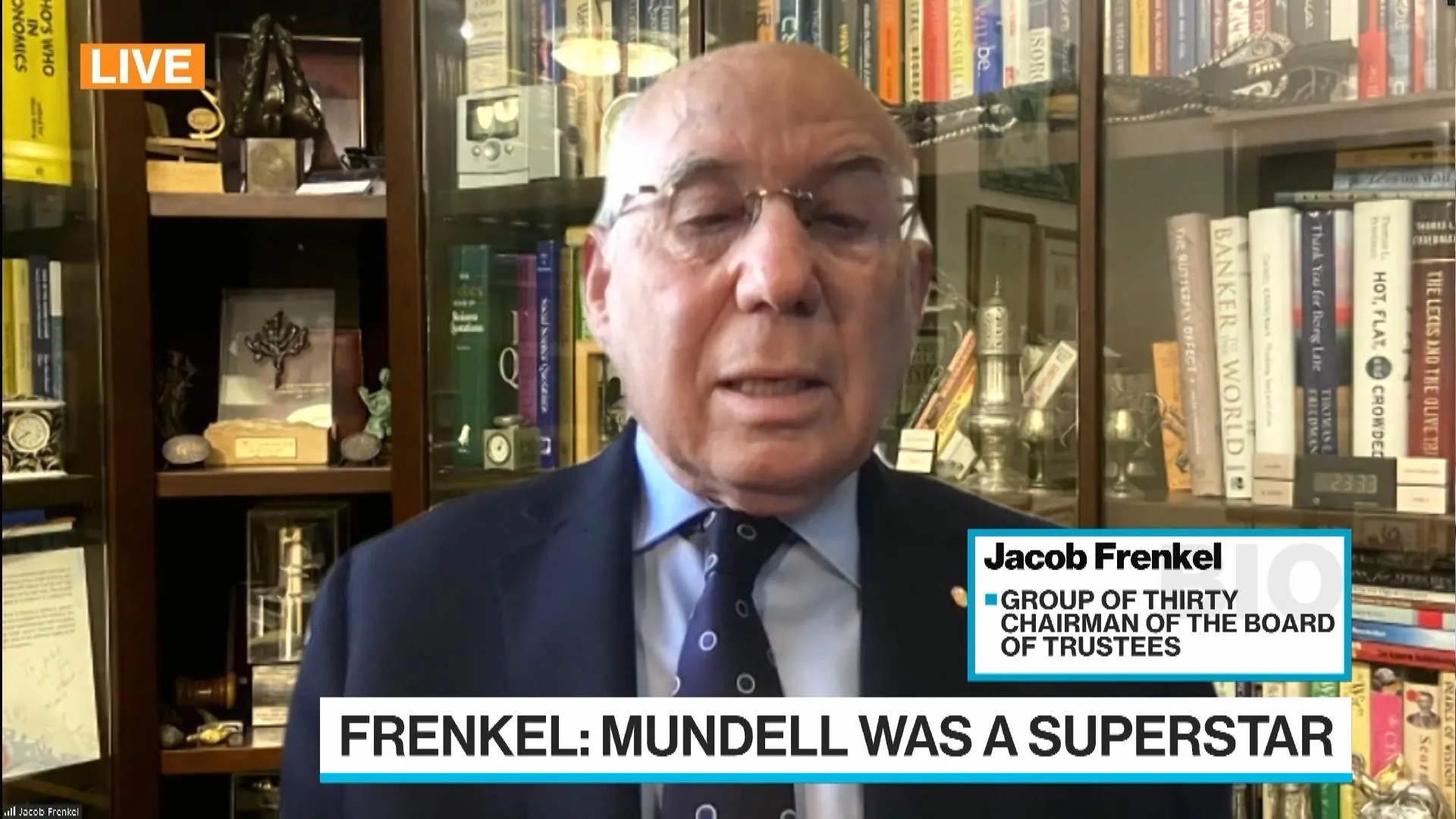
- The Group of Thirty (G30): He served as the Chairman of the Board of Trustees. While the G30 is a non-profit consultative group, the position is one of the most influential in the world, providing access to the most powerful central bankers and private sector CEOs.
- Loews Corporation: He has served as a director for Loews, a diversified holding company.
- BrainTrust and Think Tanks: Advisory roles for organizations like the Peterson Institute for International Economics and various university boards.
Each of these roles adds to a diversified income stream, including speaking fees which, for an economist of his caliber, can exceed $50,000 per event.
Wealth Composition Analysis
To understand how Frenkel’s net worth is structured, we can look at the typical asset distribution for high-net-worth individuals who have spent time in both public policy and private banking.
| Category | Primary Source | Estimated Impact on Net Worth |
|---|---|---|
| Direct Compensation | JPMorgan Chase, Merrill Lynch, AIG | High (Largest share of liquid assets) |
| Equity & Stock | JPM Stock Options, Corporate RSUs | High (Vested over 15+ years) |
| Public Pensions | Bank of Israel, IMF Pension Fund | Moderate (Stable long-term cash flow) |
| Real Estate | Personal residences in New York and Israel | Moderate (Appreciated assets) |
| Advisory & Speaking | Global Keynotes, Board Retainers | Moderate (Ongoing supplemental income) |
Influence vs. Net Worth: The Global Network
In the world of high finance, "net worth" is often secondary to "net influence." Frenkel’s value to institutions like The Group of Thirty or the International Monetary Fund is his ability to bridge the gap between theoretical economics and practical policy.
His wealth is not merely a collection of assets but a byproduct of his role as a "diplomat of finance." This status ensures that even in his senior years, his earning potential remains high through consultancy. Unlike tech founders whose wealth is tied to a single company’s valuation, Frenkel’s wealth is diversified across global currencies, blue-chip stocks, and institutional pensions, making it exceptionally stable.
Comparing Frenkel to Other Central Bankers
When examining Jacob Frenkel's net worth, it is helpful to compare him to other central bankers who moved into the private sector.
- Mario Draghi: Former ECB President and Italian PM. Much like Frenkel, his wealth is a mix of high-level public service pensions and former Goldman Sachs executive compensation.
- Mark Carney: Former Governor of the Bank of England and Bank of Canada. Carney’s roles at Brookfield Asset Management represent the modern path of "Green Finance" wealth.
- Stanley Fischer: Former Vice Chair of the Fed and Governor of the Bank of Israel. Fischer and Frenkel share nearly identical career paths, with Fischer also spending significant time at Citigroup.
Frenkel sits comfortably within this peer group. While they are not "billionaires" in the sense of hedge fund managers or tech moguls, they represent the "wealthy elite" of the technocratic class—individuals whose net worth is measured in the tens of millions, supported by the highest levels of global institutional security.
Frequently Asked Questions
Is Jacob Frenkel a billionaire?
No. There is no evidence in public filings or wealth tracking data to suggest Jacob Frenkel’s net worth reaches the billion-dollar threshold. His wealth is consistent with that of a top-tier investment banking executive and high-level international consultant.
How did the Bank of Israel role affect his net worth?
While the salary itself was not "Wall Street level," the role was a massive career catalyst. It allowed him to demonstrate leadership during economic crises, making him an invaluable asset for JPMorgan Chase later in his career. His Israeli pension also provides a stable, inflation-adjusted income stream.
What is Jacob Frenkel’s current role in 2026?
As of 2026, Jacob Frenkel largely operates in advisory and "Emeritus" capacities. He remains a sought-after speaker for global financial summits and continues to provide strategic counsel to international organizations and sovereign wealth funds.
Does he have any legal issues affecting his wealth?
No. While there was a highly publicized airport incident in Hong Kong years ago involving an alleged shoplifting misunderstanding, it was ultimately resolved with no charges and no impact on his professional standing or financial assets. He has maintained his positions on major corporate boards throughout his career.
Where does Jacob Frenkel live?
Frenkel maintains a global presence, typically splitting time between Israel and the United States (New York City). His real estate holdings in these high-value markets represent a significant portion of his non-liquid net worth.
Final Considerations
Jacob Frenkel’s financial story is a masterclass in the "revolving door" between public policy and private profit. By building a reputation as a brilliant academic and a steady hand at the Bank of Israel, he made himself indispensable to the world's largest financial institutions.
For those looking to understand the financial trajectory of global policy leaders, Frenkel represents the pinnacle of the "Advisor-Statesman" model. His net worth is a testament to the high premium placed on economic expertise and high-level networking in the 21st-century global economy.
Recommendation: For individuals interested in the intersection of policy and personal wealth, studying the career of Jacob Frenkel highlights the importance of institutional tenure. Aspiring economists should focus on building "intellectual capital" in the public sector (IMF, Central Banks) before transitioning to the private sector, as this path often leads to more stable and prestigious wealth accumulation than a direct route into entry-level private banking.
Image Gallery