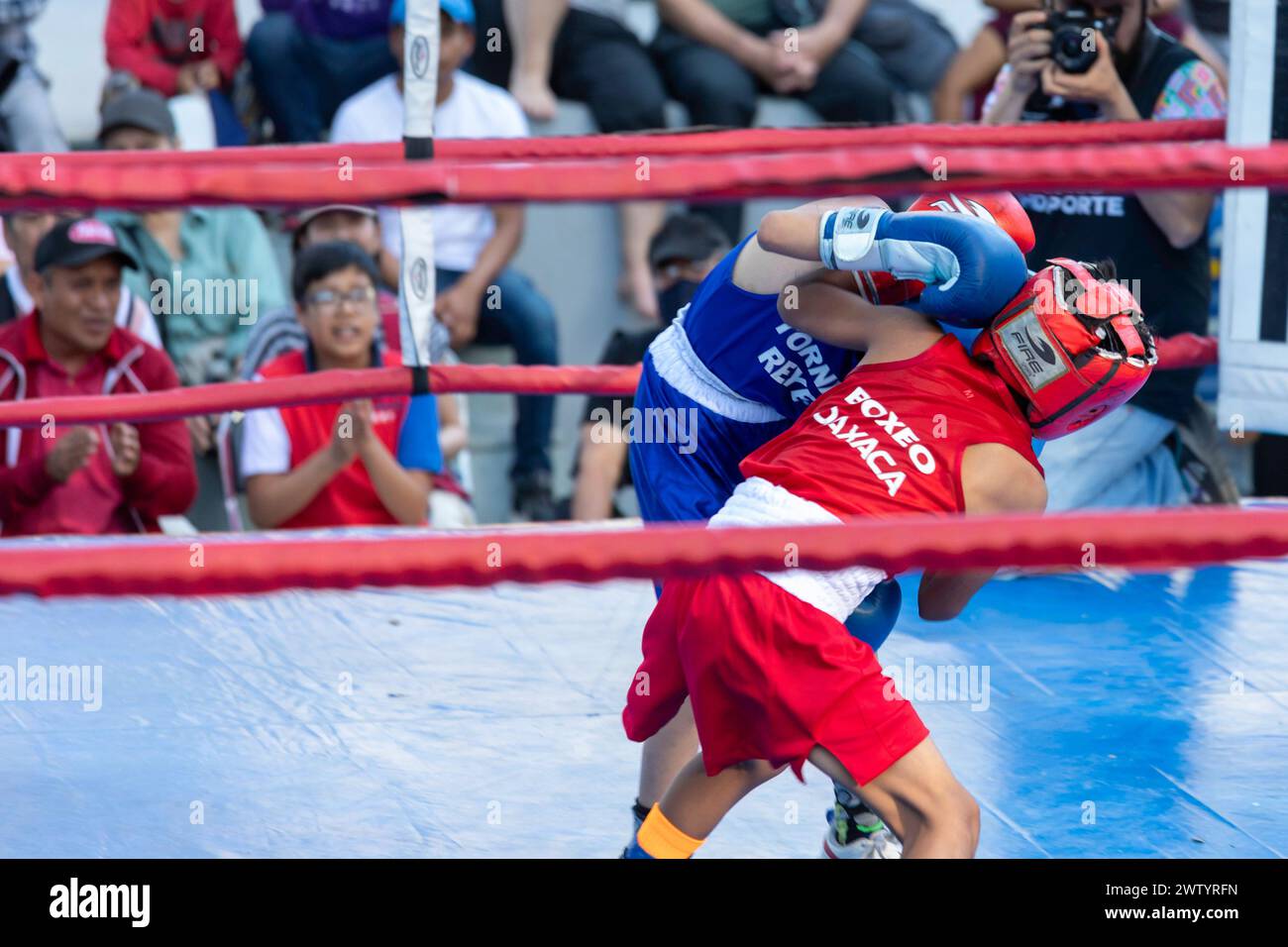
Boxing in Mexico Thrives Amid History and Change
Boxing in Mexico remains a powerful cultural institution and a global sporting force, combining historic fighting traditions with modern commercial adaptation. Fueled by a network of grassroots gyms, world-class trainers, and internati...
Boxing in Mexico remains a powerful cultural institution and a global sporting force, combining historic fighting traditions with modern commercial adaptation. Fueled by a network of grassroots gyms, world-class trainers, and international streaming partnerships, Mexican combat sports continuously produce champion athletes while modernizing fighter development, safety protocols, and promotional models.
Contents
The Cultural and Historical Pillars of Mexican Boxing
To understand why boxing in Mexico thrives amid history and change, one must examine the deep cultural resonance the sport holds across the country. Boxing in Mexico is not merely a commercial sport; it is an athletic ladder for socio-economic mobility and a cornerstone of national pride. For over a century, the sport has provided working-class athletes with a platform to achieve global recognition, creating a rich lineage of iconic champion boxers.
Historical figures such as Raúl "Raton" Macías, Rubén "El Púas" Olivares, Salvador Sánchez, Julio César Chávez, and Ricardo "Finito" López established a standard of athletic excellence characterized by conditioning, courage, and technical proficiency. Chávez, whose legendary 87-fight unbeaten streak captivated millions during the late 20th century, cemented boxing as a major cultural force in Mexican media. That legacy continues today through modern champions like Saul "Canelo" Álvarez, who has redefined fighter autonomy, pay-per-view economics, and cross-border brand appeal.
Beyond individual fighters, Mexico City serves as the administrative heart of the World Boxing Council (WBC), one of the sport's primary global sanctioning organizations. Founded in 1963, the WBC has introduced major safety innovations—including reducing title fights from 15 to 12 rounds, mandatory weigh-in schedules, and advanced medical protocols—shaping international boxing rules from within Mexico.
- Grassroots Gym Network
- Regional Circuit / State Titles
- National Boxing League
- WBC / International Sanctioning
- Global Media & PPV
The Fighting Style: Tradition Meets Tactical Evolution
The traditional "Mexican style" of boxing is globally recognized for high volume, continuous forward pressure, devastating body attacks, and exceptional durability. Classic Mexican fighters were famous for fighting inside the pocket, taking a punch to deliver two, and breaking down opponents systematically through sustained attrition.
However, the modern era has forced a sophisticated evolution in this tactical identity. Modern Mexican fighters synthesize classic pressure tactics with advanced defensive movements, counterpunching, and precise distance management.
- Body Punching Infrastructure: The left hook to the liver remains a signature weapon taught from the beginner level. Trainers emphasize placing the hook beneath the floating ribs while stepping outside the opponent's lead foot.
- Defensive Layering: Modern practitioners incorporate upper-body head movement, shoulder rolls, and tight guard placement while closing distance, moving away from pure brawl tactics toward calculated aggression.
- Conditioning Protocols: Historical reliance on high-altitude roadwork in places like Otomí High Altitude Training Center in Toluca is now integrated with sports science, isometric strength building, and targeted hydration protocols.
This blending of traditional grit and modern sports science allows contemporary Mexican boxers to remain competitive across all weight classes, from traditional strongholds in flyweight and bantamweight divisions up to super middleweight and cruiserweight limits.
The Grassroots Ecosystem: From Barrio Gyms to Global Arenas
The bedrock of Mexican boxing excellence lies in its local gym ecosystem. Facilities like the famous Gimnasio Nuevo Jordán in Mexico City's Centro Histórico, or developmental gyms in Tepito, Tijuana, Guadalajara, and Culiacán, serve as talent incubators.
These gyms function through a mentorship model where veteran trainers pass down refined mechanics to younger generations. Renowned trainers like Ignacio "Nacho" Beristáin—architect of over two dozen world champions including Juan Manuel Márquez—and Chepo and Eddy Reynoso have established distinct training philosophies that emphasize rhythmic footwork, crisp combinations, and mental resilience.
Mexican Boxing Gym Ecosystem
- RECRUITMENT & FOUNDATION
- Local neighborhood gyms (Gimnasio Nuevo Jordán, Tepito, Tijuana)
- Shadowboxing fundamentals, footwork drills, and heavy-bag rhythm
- TACTICAL & TECHNICAL REFINEMENT
- Intense sparring rounds under experienced corner oversight
- Mastery of upper-body slips, shoulder positioning, and liver hooks
- PROFESSIONAL TRANSITION
- Local commission licensing (Comisión de Box de la Ciudad de México)
- Entry into regional 4-round and 6-round developmental cards
The professional pipeline operates under regional boxing commissions, notably the Comisión de Box de la Ciudad de México. Aspiring boxers typically turn professional at a younger age than their American or European counterparts, frequently skipping lengthy amateur careers to gain practical, professional experience in 4-round and 6-round local bouts.
Evolving Dynamics: Streaming, Global Media, and Institutional Growth
The business of boxing in Mexico has undergone significant shifts in recent years. Historically dependent on terrestrial television broadcasts—primarily TV Azteca and Televisa—the sport has adapted to international digital streaming platforms and global promotional networks.
The transition to digital platforms such as DAZN, ESPN KnockOut, and Prime Video has altered how events are funded, scheduled, and consumed. While domestic free-to-air broadcasts remain essential for maintaining broad public interest, international streaming enables Mexican fighters to secure substantial international purses while fighting on cards hosted in Saudi Arabia, Las Vegas, and the United Kingdom, as well as high-profile domestic events in Guadalajara and Mexico City.
The Rise of Women's Boxing
Mexico has emerged as a powerhouse in women's professional boxing. Female fighters like Jackie Nava, Ana María Torres, Yamileth Mercado, and Irma García laid the groundwork for modern female combat sports in Latin America. Today, female fighters command major event slots, secure lucrative broadcast deals, and display elite technical execution, further broadening the sport's domestic audience and participant base.
Traditional vs. Modern Mexican Boxing Architecture
The evolution of Mexican boxing can be seen across training practices, economic structures, and global reach.
| Aspect | Historical Framework (20th Century) | Contemporary Ecosystem (2026) |
|---|---|---|
| Primary Media Distribution | Free-to-Air Terrestrial TV (Televisa, TV Azteca) | Global Digital Streaming (DAZN, Prime Video) + Domestic Broadcast |
| Training Philosophy | High-mileage roadwork, high volume sparring, traditional attrition | Altitude training paired with biomechanics, nutritionists, & strength work |
| Tactical Approach | High-workrate inside fighting, pressure, body targeting | Hybrid counterpunching, distance control, and structured defense |
| Primary Fight Hubs | Mexico City (Arena Coliseo), Los Angeles, Texas | Global venues (Las Vegas, Riyadh, Mexico City arenas, Guadalajara) |
| Fighter Autonomy | Promoter-dominated contracts and regional exclusivity | Multi-platform promotional partnerships and fighter-owned promotions |
| Women's Division Support | Limited sanctioning and low domestic visibility | Full sanctioning equality, headlining broadcasts, and title parity |
Challenges Facing the Modern Industry
Despite its continued success, Mexican boxing faces operational and structural challenges that demand ongoing adaptation:
- Fighter Safety and Weight Management: Extreme weight cutting remains a major health concern. Sanctioning bodies and commissions are increasingly implementing 30-day and 7-day pre-fight weight checks to prevent dangerous dehydration.
- Economic Disparities: While elite championship fighters command million-dollar purses, entry-level professional fighters on domestic cards often earn modest fees, making secondary employment necessary until reaching national title contention.
- Promoter Politics and Fragmentation: Conflicts between international promotional entities can delay mandatory title defenses and unify championships, requiring sanctioning bodies to balance institutional rules with commercial interests.
Practical Guidance for Trainers, Athletes, and Sports Researchers
For those looking to engage with, study, or train within the Mexican boxing system, structured preparation is critical:
Gym Selection and Training Protocols
- Identify Specialized Facilities: High-performance boxers seeking authentic technical development should evaluate gyms based on corner experience rather than modern amenities. Facilities in Mexico City, Guadalajara, and Tijuana offer high-level sparring with experienced active professionals.
- Adaptation to High Altitude: Athletes training in regions such as Mexico City (2,240 meters above sea level) or Toluca (2,660 meters) must allow 10 to 14 days for physiological altitude acclimatization to avoid overtraining syndrome.
Regulatory and Licensing Procedures
- Commission Compliance: Foreign boxers intending to compete in Mexico must register with the relevant municipal commission (such as the Comisión de Box de la Ciudad de México).
- Required Documentation: Standard licensing requires complete medical clearance—including brain MRI/CT scans, comprehensive cardiovascular evaluations, blood panels, and an active sports passport issued by an officially recognized national sanctioning body.
Frequently Asked Questions
What defines the traditional "Mexican style" of boxing?
The traditional Mexican style prioritizes effective aggressive forward movement, continuous punch volume, tight guard defense, and systematic body targeting, particularly left hooks to the liver. Modern practitioners combine these aggressive fundamentals with defense, counterpunching, and precise footwork.
How does high altitude impact boxing training in Mexico?
Major training centers in Mexico, such as those in Toluca and Mexico City, sit over 2,000 meters above sea level. Training at high altitude stimulates erythropoietin (EPO) production, enhancing red blood cell count and aerobic capacity, which provides endurance advantages during late rounds.
Which organization sanctions major boxing fights in Mexico?
While international fights in Mexico are sanctioned by major global bodies like the WBC, WBA, IBF, and WBO, domestic events are regulated by municipal boxing commissions (such as the Comisión de Box de la Ciudad de México) which oversee licensing, referee assignments, and safety enforcement.
Why do many Mexican boxers turn professional at an early age?
Unlike countries with heavily funded national amateur programs targeting Olympic competition, the Mexican combat sports ecosystem offers more financial incentives and developmental opportunities within the professional ranks, leading many prospects to turn pro in their late teens.
How has women's boxing developed in Mexico?
Mexico is a top producer of female world champions across multiple weight divisions. Strong domestic fan interest, improved promotional backing, and dedicated broadcast coverage have made women's boxing an equal and thriving component of the country's combat sports industry.
Recommended Next Actions
To further explore or engage with the Mexican boxing ecosystem, consider the following actionable steps:
- Review Sanctioning Guidelines: Consult the official regulatory updates published by the World Boxing Council (WBC) regarding medical standards, weight-check rules, and division rankings.
- Inspect Local Commission Requirements: Athletes planning to fight domestically should contact local sanctioning authorities, such as the Comisión de Box de la Ciudad de México, to verify medical certifications and licensing deadlines.
- Audit High-Altitude Training Centers: Trainers and fight teams planning camp logistics should evaluate facilities in the State of Mexico or Jalisco, ensuring adequate medical coverage and acclimatization timeframes prior to competition.
Image Gallery