Taylor Swift Life of a Showgirl Album Colors Explained
The colors for the fan-designated Life of a Showgirl aesthetic—primarily associated with Taylor Swift’s The Tortured Poets Department (TTPD) performance era and the long-rumored "Orange Era"—consist of burnt orange, metallic gold, and...
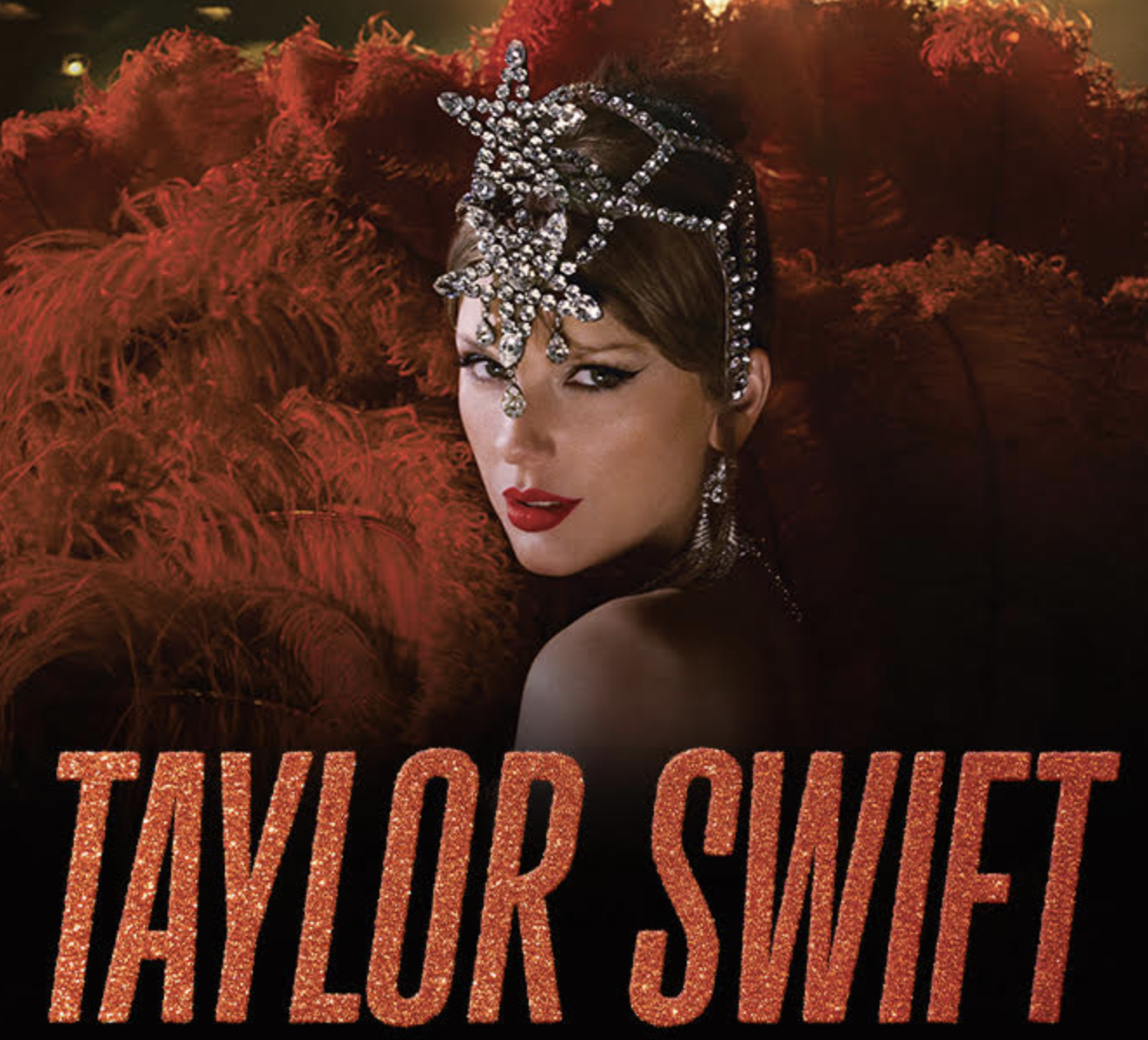
The colors for the fan-designated Life of a Showgirl aesthetic—primarily associated with Taylor Swift’s The Tortured Poets Department (TTPD) performance era and the long-rumored "Orange Era"—consist of burnt orange, metallic gold, and stark monochrome (black and white). These hues symbolize the tension between a glamorous public facade and internal emotional complexity.
Contents
While Taylor Swift has not officially released a studio album titled Life of a Showgirl as of 2026, the term has become the definitive label for a specific visual and thematic chapter of her career. This "era" is defined by the vaudevillian, Old Hollywood aesthetic introduced during the later legs of The Eras Tour. Fans and fashion historians use this title to categorize the transition from the somber, academic tones of the "Poets" era into a high-octane, theatrical "Showgirl" persona. Understanding the color palette of this era requires an analysis of both color theory and the specific narrative arc Swift has constructed through her 2024–2026 visuals.
The Origins: Why "Life of a Showgirl"?
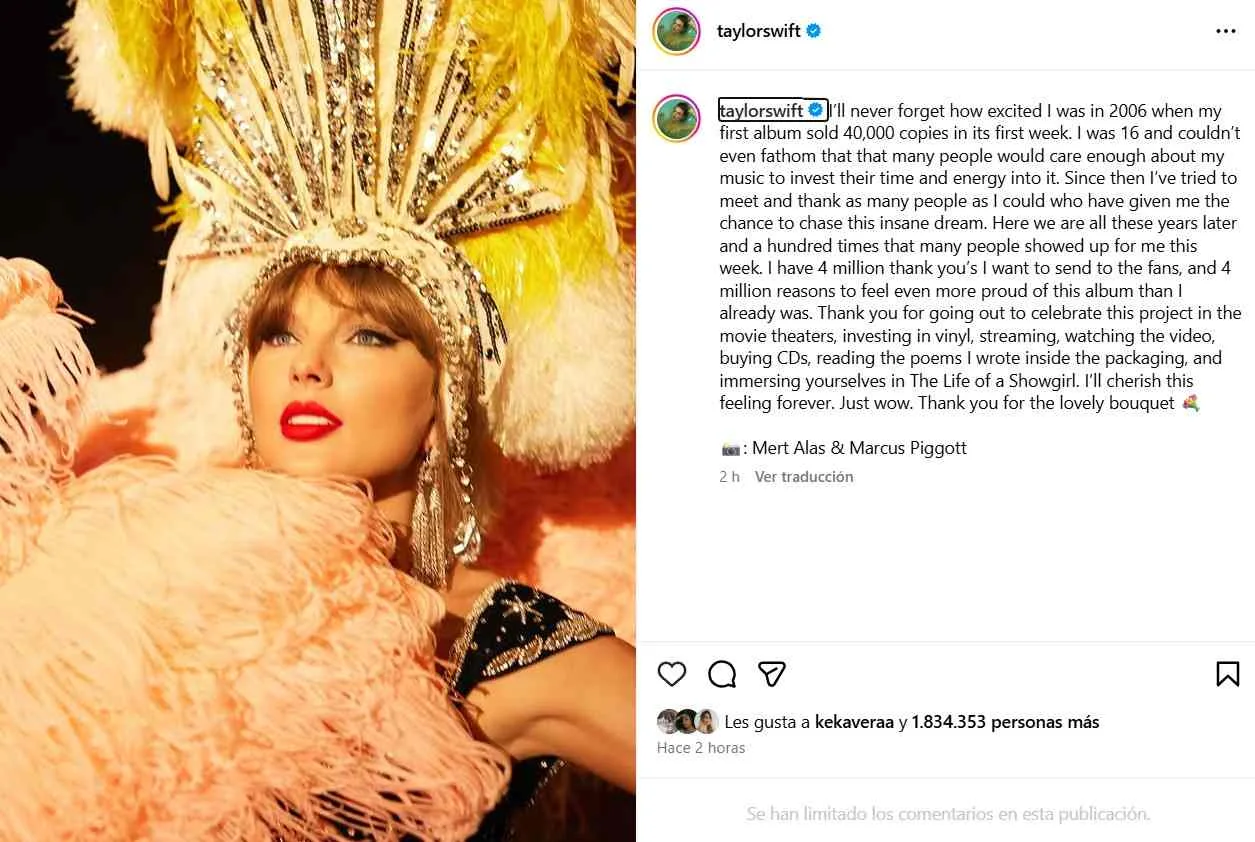
The phrase "Life of a Showgirl" gained traction within the Swiftie community following the debut of the The Tortured Poets Department set on The Eras Tour. Specifically, the performance of the track "I Can Do It With a Broken Heart" featured a dramatic tonal shift. After a segment of melancholic, black-and-white imagery, Swift emerged in a shimmering, two-piece "showgirl" outfit, complete with feathers, top hats, and a vaudeville-style marching band.
In the context of 2026, "Life of a Showgirl" is treated as the bridge between her 11th studio album and her highly anticipated 12th project. The "Showgirl" persona represents the "performer's mask"—the ability to maintain a glittering exterior while navigating personal turmoil. The colors chosen for this era are not merely aesthetic choices; they are foundational to the storytelling of a woman who is "acting" for an audience of millions.
The Core Color Palette: Orange, Gold, and Monochrome
The "Life of a Showgirl" palette is distinct because it combines the warmth of "lost" eras with the cold reality of her recent discography. Unlike the pastel blues of 1989 or the deep purples of Speak Now, this era relies on high-contrast metallic and secondary colors.
The Significance of Burnt Orange (The "Lost" Era)
For years, a segment of the fanbase has theorized the existence of a "lost" album titled Karma, allegedly scrapped in favor of reputation. The color associated with this theory was always orange. When Swift began incorporating orange visuals into her 2024 and 2025 performances—including a specific orange bodysuit and sunset-hued lighting during the acoustic sets—the "Showgirl" era became synonymous with this color.
In color psychology, orange represents energy, attention, and playfulness, but in its "burnt" or "sunset" variations, it can signify the end of a cycle or a "warning." Within the "Life of a Showgirl" framework, orange represents the "hot" light of the stage and the scorching nature of fame. It is the color of the spotlight that never turns off.
Metallic Gold and Champagne: The Performance Facade
Gold is the "Showgirl" color par excellence. From the Vivienne Westwood-designed gold-fringe outfits to the champagne-colored micro-sequins, gold represents the wealth of experience and the "glitter" that masks "the mess."
Technically, the gold used in this era is more "brass" and "antique" than the bright, royal gold of the Fearless era. This signifies a vintage, Old Hollywood glamour—a nod to icons like Clara Bow and Marilyn Monroe. Gold here is the armor of the showgirl; it is what the audience sees, providing a barrier between the performer’s true self and the public’s expectations.
Stark Black and White: The "Tortured" Foundation
The "Showgirl" does not exist in a vacuum; she is born from the "Tortured Poet." The base colors of the TTPD era—inky black, crisp white, and sepia grey—remain present in the "Life of a Showgirl" aesthetic. This monochrome foundation represents the "truth" or the "manuscript" behind the performance.
- White: Represents the blank page, the hospital gown, and the ghost of past versions of herself.
- Black: Represents the "Female Rage" and the mourning of a lost love that occurred behind the scenes.
When these colors are paired with gold and orange, it creates a visual "shattering" effect, mimicking the lyrics of "I Can Do It With a Broken Heart."
Visual Storytelling through the "Showgirl" Lens
The colors of this era are often explained through the lens of cinematic lighting. During her 2025 tour updates, Swift utilized "Golden Hour" lighting transitions that moved from the cold blue of Midnights into the warm, almost aggressive orange of the "Showgirl" set.
This transition is a technical masterclass in brand evolution. By using Burnt Sienna and Copper, Swift avoids the youthful associations of bright orange, instead opting for a palette that feels mature and "lived-in." These colors are often found in vintage circus posters and vaudeville playbills, grounding the "Life of a Showgirl" concept in historical theatricality.
Comparative Color Analysis: Showgirl vs. Previous Eras
To understand why these colors matter, we must compare them to the established "Eras" color-coding system.
| Color | Associated Era | "Life of a Showgirl" Context | Meaning in 2026 |
|---|---|---|---|
| Orange | The "Lost" Era / TS12 | The primary accent for the Showgirl persona. | The "Warning" and the "Sunlight" of fame. |
| Gold | Fearless (Original) | Updated to Antique Brass/Champagne. | The professional mask and "Old Hollywood" legacy. |
| White | The Tortured Poets Department | The "under-layer" of the showgirl costume. | The raw, unedited truth behind the performance. |
| Black | reputation | Used for silhouettes and dramatic shadows. | The "Female Rage" fueling the stage presence. |
| Silver | 1989 / Renaissance (Overlap) | Used for "mirrorball" reflections. | Reflecting the audience back at themselves. |
The Influence of Vaudeville and Old Hollywood
The "Life of a Showgirl" colors are heavily influenced by the 1920s and 30s. The use of Crimson and Deep Red in the stage curtains—often seen during the transition into the TTPD set—adds a layer of "theatre blood" and passion.
This era’s color story is one of "High Definition" vs. "Grainy Film." While the "Poet" is grainy and desaturated, the "Showgirl" is saturated and vibrant. This contrast is a deliberate commentary on how society consumes female artists: we want them to be "tortured" in private (black and white) but "entertaining" in public (orange and gold).
Fan Theories and the Future of the Aesthetic
As we look toward the late 2026 landscape, many fans believe the "Life of a Showgirl" aesthetic is a precursor to a visual album or a feature film directed by Swift. The color orange, which has been "missing" from the official clock-based era cycles, is widely expected to be the primary color of her next full studio release.
The "Showgirl" palette is unique because it is the first time Swift has allowed an aesthetic to be almost entirely defined by live performance visuals rather than an album cover. This has created a "living palette" that continues to evolve as she adds new variations of her gold and orange costumes to her wardrobe.
How to Identify the "Showgirl" Palette in 2026:
- Look for the "Sunburn" Effect: High-saturation orange lighting paired with deep shadows.
- Metallic Layering: The use of multiple shades of gold (rose gold, yellow gold, and brass) in a single outfit.
- Monochrome Accents: Black gloves or white feathers that break up the warmth of the orange tones.
Frequently Asked Questions
Is "Life of a Showgirl" an official Taylor Swift album?
As of early 2026, "Life of a Showgirl" is a prominent fan-given name for the aesthetic era surrounding The Tortured Poets Department and the "I Can Do It With a Broken Heart" performance. While not a standalone LP title, it describes the "Orange/Gold" visual chapter of her career that bridge the gap between her 11th and 12th studio albums.
Why is orange the main color of the Showgirl era?
Orange is the primary color because it has long been the "missing" color in Taylor Swift’s discography (often linked to the Karma theory). In the "Showgirl" context, it represents the heat of the spotlight, the "Female Rage" in a vibrant form, and the theatricality of a circus or vaudeville performance.
How do the colors of the Showgirl era differ from the "Red" era?
While both eras use red tones, the Red era is characterized by "Cherry" and "True Red" (youthful passion and heartbreak). The "Life of a Showgirl" era uses Burnt Orange, Crimson, and Antique Gold, which represent a more mature, professionalized, and "performed" version of those emotions.
What is the significance of the gold outfits in this era?
The gold outfits, primarily seen during the TTPD set on The Eras Tour, symbolize the "mask of the performer." The gold is designed to be blindingly bright under stage lights, ensuring the audience sees a "shining star" even when the lyrical content of the songs is deeply sorrowful.
Will the "Showgirl" aesthetic continue into TS12?
Visual cues from 2025 and 2026 suggest that the "Life of a Showgirl" palette—specifically the orange and metallic tones—is a direct lead-in to the aesthetic of her 12th studio album. Fans point to the increasing use of orange in her branding as evidence of this transition.
Practical Recommendation for Fans and Collectors
If you are looking to style an outfit or create a digital aesthetic based on the "Life of a Showgirl" era, focus on texture over solid color. Use sequins, feathers, and metallic fabrics to capture the light. For a color-accurate palette, use the following hex codes: #FF8C00 (Dark Orange), #D4AF37 (Metallic Gold), and #1A1A1A (Eerie Black). These colors perfectly encapsulate the "Broken Heart" showgirl who continues to perform despite the odds.
Image Gallery