The Assembly of the International Space Station: A Multi-Year Orbital Launch Strategy
The International Space Station (ISS) was not launched as a single piece, but rather assembled piece-by-piece in low Earth orbit over the course of 13 years. Beginning with the Zarya module in 1998 and culminating in the completion of...
The International Space Station (ISS) was not launched as a single piece, but rather assembled piece-by-piece in low Earth orbit over the course of 13 years. Beginning with the Zarya module in 1998 and culminating in the completion of the major U.S. and Russian segments by 2011, the station relied on a coordinated series of launches using Russian Proton and Soyuz rockets alongside the American Space Shuttle fleet.
Contents
The Modular Concept: Why Launching in Pieces Was Mandatory
The decision to build the International Space Station in modular segments was dictated by the limitations of existing launch vehicle fairing sizes and payload capacities. No single rocket available in the 1990s possessed the lift capacity or the structural dimensions to launch the entire complex—which eventually weighed nearly 450,000 kilograms—into orbit at once.
Engineers opted for a “building block” approach. This strategy required that every module launched be self-sustaining to a degree, providing its own power, thermal control, and communications upon reaching orbit, or being capable of quickly docking with a pre-existing module to share these critical life-support resources. This incremental construction allowed the ISS to expand its habitable volume and scientific research capabilities progressively, rather than waiting for a single, massive launch event.
Key Phases of the Construction Sequence
The launch history of the ISS is generally categorized into several distinct phases. Understanding these phases reveals the complexity of coordinating international aerospace assets.
Phase 1: Foundation and Early Russian Modules
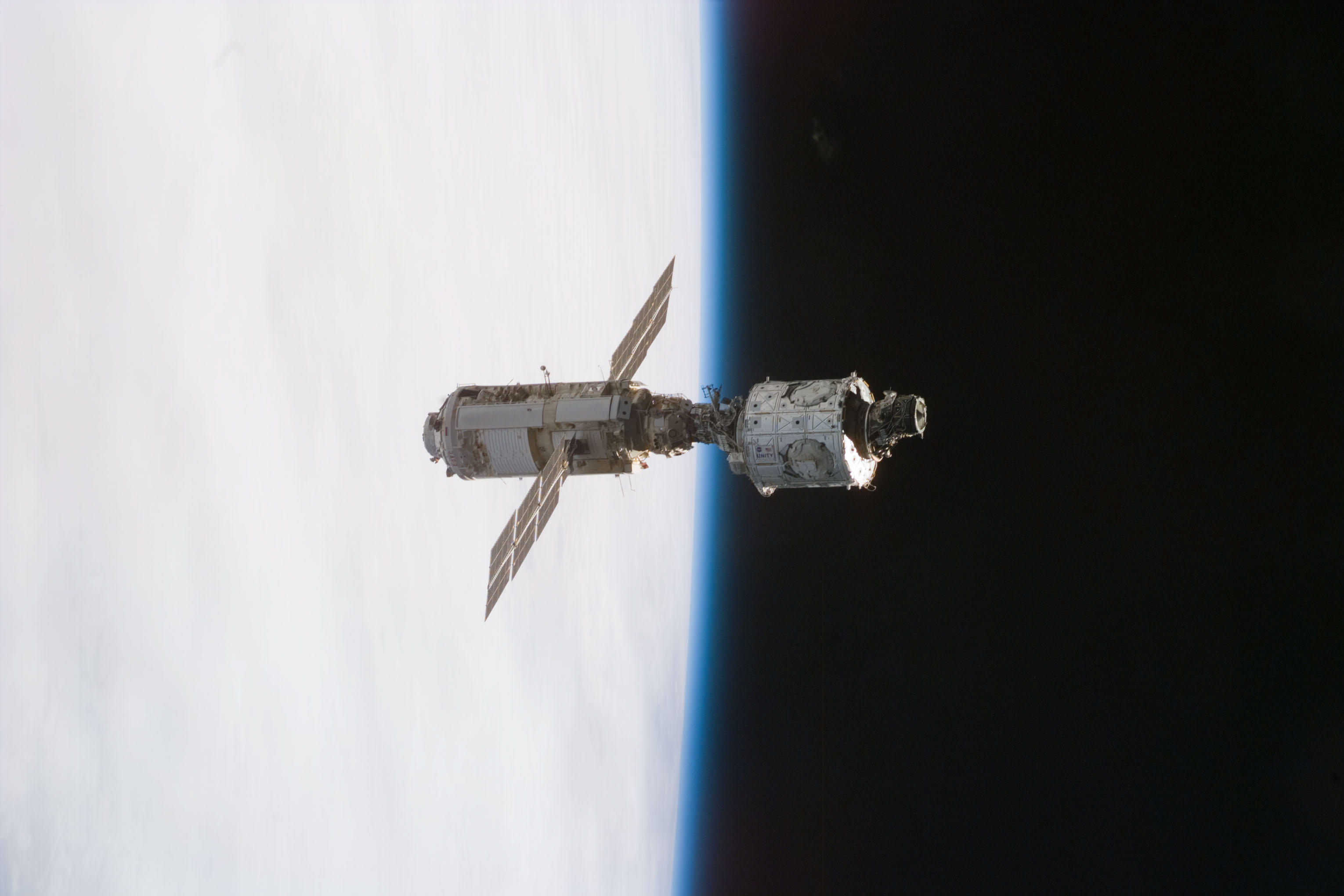
The station began its orbital life on November 20, 1998, with the launch of the Zarya Functional Cargo Block. This module was launched via a Russian Proton-K rocket from the Baikonur Cosmodrome in Kazakhstan. Zarya provided the initial propulsion, attitude control, and battery power for the nascent station. Shortly after, the Unity (Node 1) module was launched on Space Shuttle Endeavour (STS-88). Unity served as the connecting hub, physically joining the Russian and American segments for the first time.
Phase 2: Crew Accommodation and Lab Integration
Once the initial structure was secure, the focus shifted to human habitability. The Russian Zvezda Service Module was launched in July 2000, providing the first living quarters for permanent crews. This was followed by the arrival of the first resident crew (Expedition 1) in November 2000. Subsequent launches focused on adding major laboratory modules, including the U.S. Destiny Laboratory, the European Columbus Laboratory, and the Japanese Kibo module. Each of these launches required precise orbital maneuvering to ensure docking ports were correctly aligned.
Phase 3: Power and Expansion
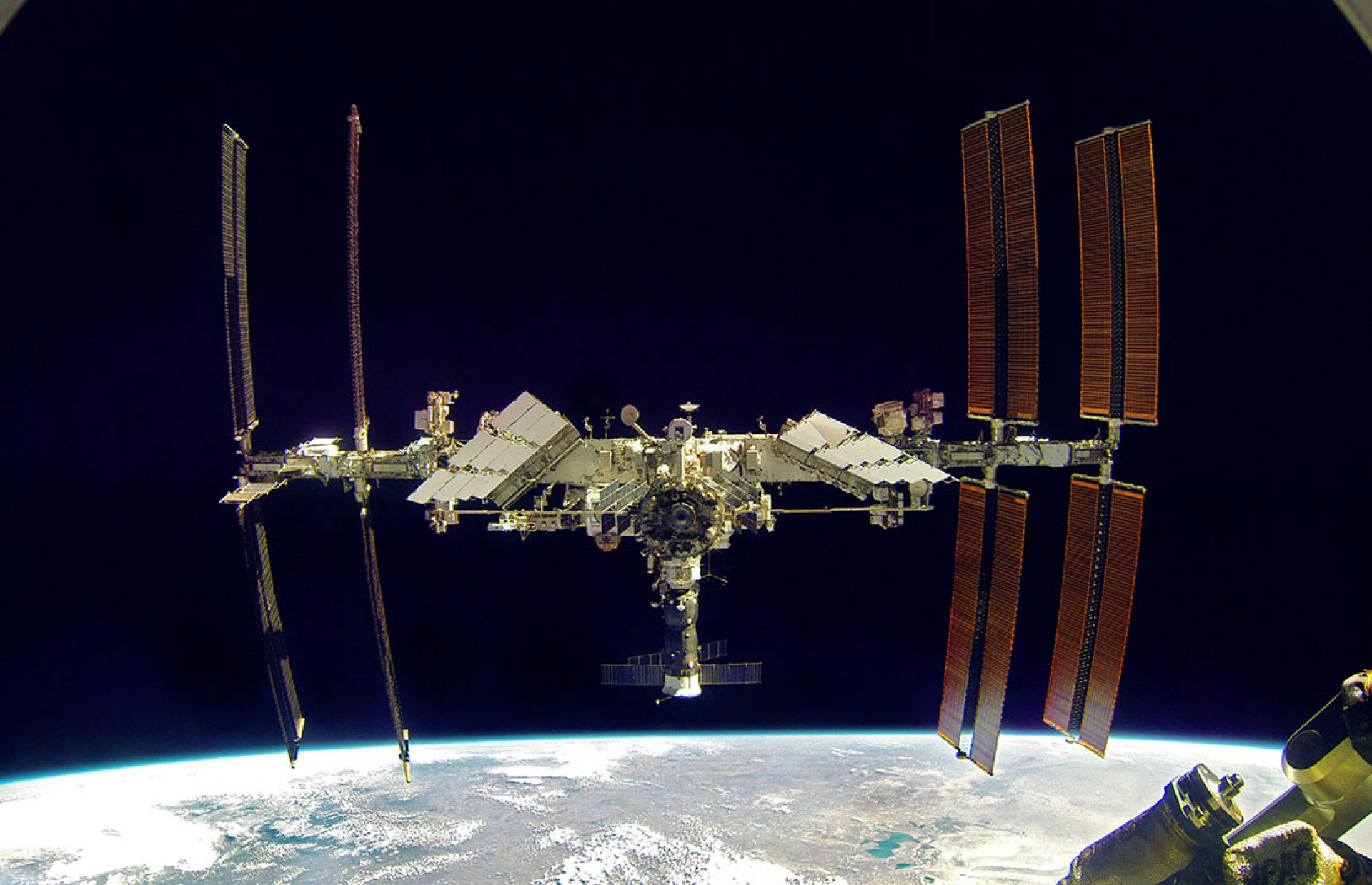
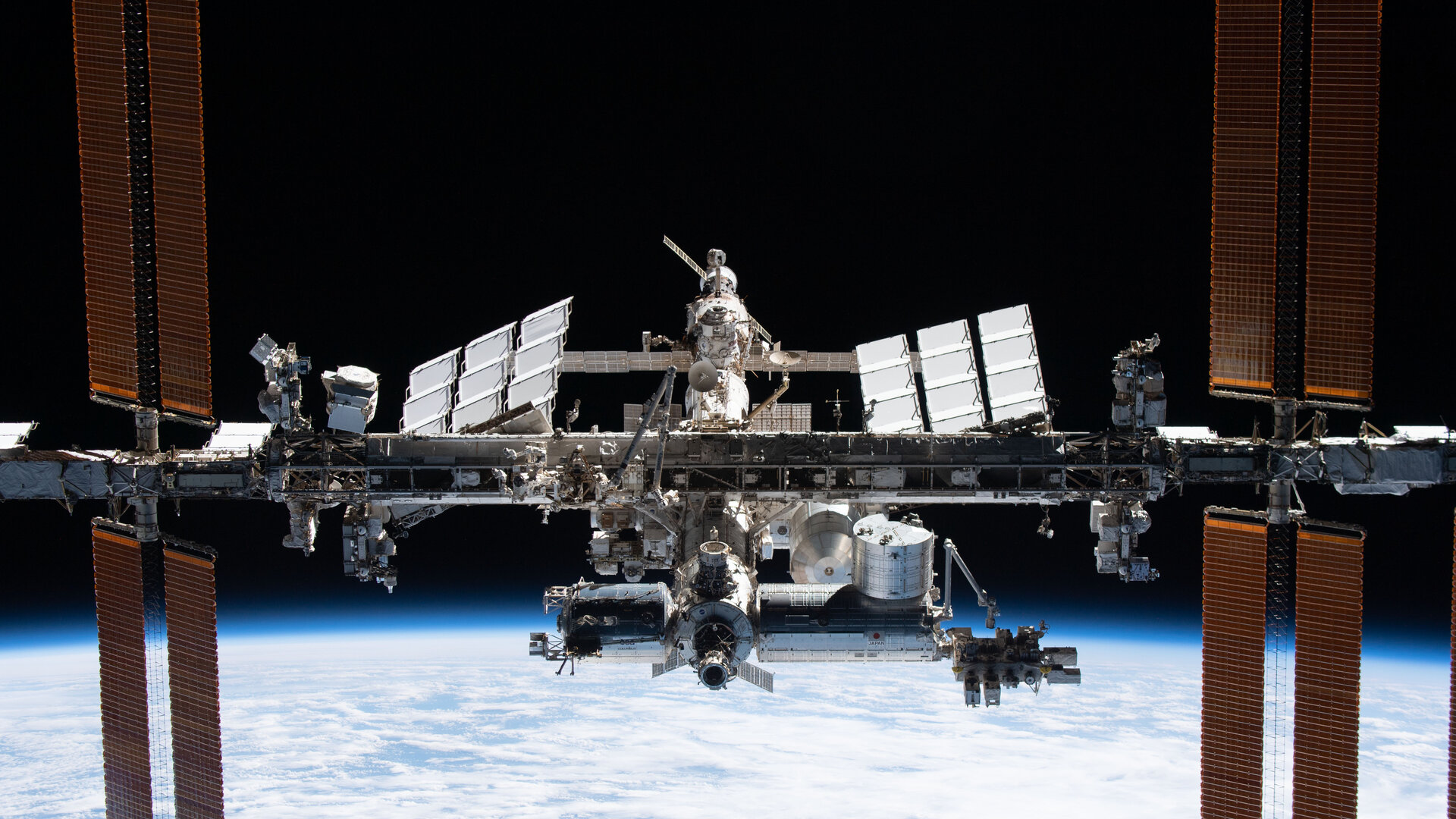
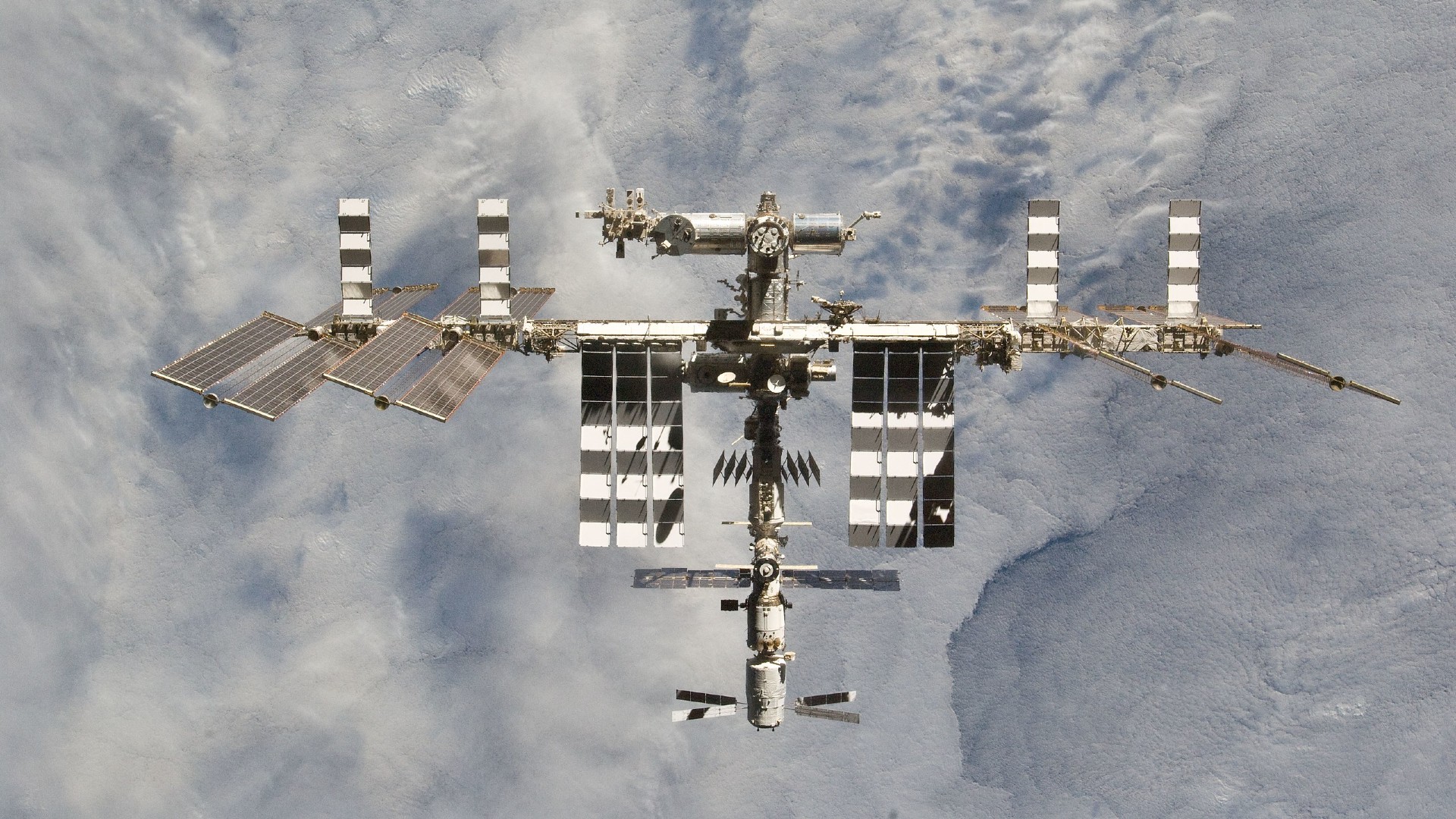
As the station grew, its power requirements increased exponentially. The installation of the Integrated Truss Structure (ITS) was critical. These long, steel-girder segments were carried up by the Space Shuttle and served as the backbone for massive solar array wings. By 2011, with the installation of the final permanent modules, the station reached its current operational configuration, characterized by a complex, cross-shaped truss structure supporting massive solar panels and thermal radiators.
Logistics and Vehicle Utilization
The assembly of the ISS was a triumph of inter-agency cooperation between NASA, Roscosmos, JAXA, ESA, and CSA. The launch logistics relied on two distinct, complementary methods of orbital delivery.
| Launch Method | Role in ISS Construction | Typical Payload Type |
|---|---|---|
| Proton Rocket | Heavy-lift for Russian modules | Zarya, Zvezda, Nauka, and logistics |
| Space Shuttle | Precise placement and crew/cargo transport | Laboratory modules, truss segments, solar arrays |
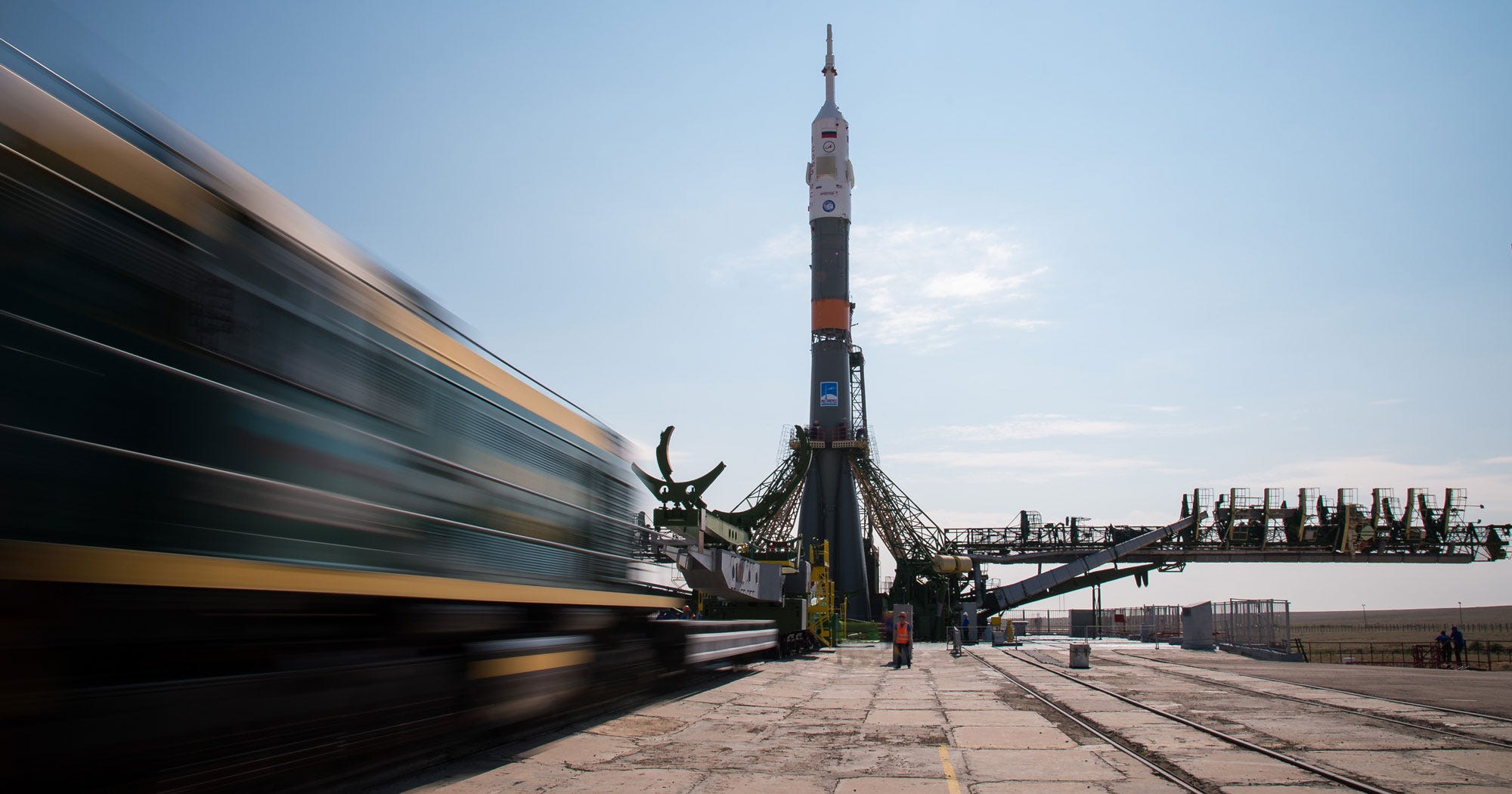
| Soyuz Rocket | Crew transport and small cargo | Human crews and perishable supplies |
| Automated Transfer Vehicle (ATV) | Logistics and re-boost capability | Fuel, water, air, and dry cargo |
The Space Shuttle was uniquely suited for the assembly phase because it functioned as a "flying construction crane." Using the shuttle’s Remote Manipulator System (Canadarm), astronauts could carefully extract massive components from the cargo bay and lock them into place. Automated Russian Proton launches, conversely, provided the necessary bulk mass for the station’s structural integrity.
Logistical Challenges and Risks
Launching the ISS was a high-stakes operation characterized by significant technical risks. Each launch represented a potential single point of failure that could have halted the entire program.
- Orbital Mechanics and Phasing: Every module had to be launched into a specific orbital inclination (51.6 degrees) to ensure the station could be accessed by both high-latitude launch sites (Baikonur) and lower-latitude sites (Kennedy Space Center).
- Dynamic Pressures: During launch, modules were subjected to intense acoustic vibrations and G-forces. Ensuring internal equipment—such as sensitive scientific sensors and pressurized computer systems—survived these conditions required rigorous shock testing and hardening.
- The "Last-Mile" Problem: Docking in space is a non-trivial process. Whether manual or automated, the relative velocity between the visiting vehicle and the ISS had to be reduced to near zero, requiring highly sophisticated radar and laser ranging systems.
Summary of Major Module Origins
The ISS is a collaborative project, and its physical structure reflects the specific engineering philosophies of its primary partner nations.
- Russian Segment: Primarily launched using Proton-K and Proton-M rockets. These modules arrived at the station in a semi-autonomous state, often utilizing their own thrusters to conduct the final approach and docking sequence.
- U.S. Segment: Launched almost exclusively via the Space Shuttle orbiter. These components were often integrated with the truss structure, which served as the mechanical skeleton for the entire station.
- International Partners: Modules like the European Columbus or the Japanese Kibo were integrated into the U.S. launch manifest, utilizing the Space Shuttle for their final journey to orbit.
Frequently Asked Questions
How long did it take to assemble the entire station?
Assembly began in 1998 with the Zarya module and was considered substantially complete by 2011 with the final Space Shuttle mission (STS-135). However, the station continues to receive new upgrades, such as the IROSA (ISS Roll-Out Solar Array) sets, even as of 2026.
Could the ISS have been built with fewer launches?
No. Due to the physical volume limits of rocket fairings, it was impossible to launch a station of this magnitude as a single object. Modular assembly was the only viable engineering pathway given the launch technology available between 1998 and 2011.
Why is the station in a 51.6-degree orbit?
The 51.6-degree inclination was chosen as a compromise. It is high enough to be easily reached by Russian rockets launched from the Baikonur Cosmodrome, yet low enough to allow the Space Shuttle to reach the orbit with a significant payload capacity from Florida.
How are modules powered during the launch phase?
Most modules are launched with internal battery packs to sustain basic systems during the ascent and initial approach. Once docked, they interface with the station’s primary power grid, which is supplied by the large solar arrays mounted on the truss.
Are there any modules left to add?
While the main construction phase is finished, the ISS remains an evolving platform. New modules, such as commercial additions or upgraded airlocks, continue to be proposed and launched to extend the station's utility for private research and long-duration testing.
Next Steps for Orbital Infrastructure
As of 2026, the International Space Station serves as a foundational template for future orbital construction. Lessons learned from the assembly process—specifically regarding robotic integration and standardized docking interfaces—are currently being applied to the planning of lunar orbiting stations and deep-space transit vehicles. The primary recommendation for those studying this history is to focus on the Interface Control Documents (ICDs), which were the technical "blueprints" that allowed components built in different countries to snap together perfectly in the vacuum of space.
Image Gallery