Comprehensive Guide to Digital Payment Methods in 2026: Modern Ways to Pay Online
The digital economy of 2026 demands a diverse, secure, and rapid ecosystem of transaction architectures. Whether you are settling utility bills, purchasing enterprise software subscriptions, or acquiring retail goods across borders, se...
The digital economy of 2026 demands a diverse, secure, and rapid ecosystem of transaction architectures. Whether you are settling utility bills, purchasing enterprise software subscriptions, or acquiring retail goods across borders, selecting the optimal payment channel dictates transaction speed, fee structures, and data privacy. This guide analyzes current payment mechanisms, technical verification standards, and operational strategies to optimize digital checkout workflows.
Contents
The Evolution of Digital Payment Gateways and Infrastructure
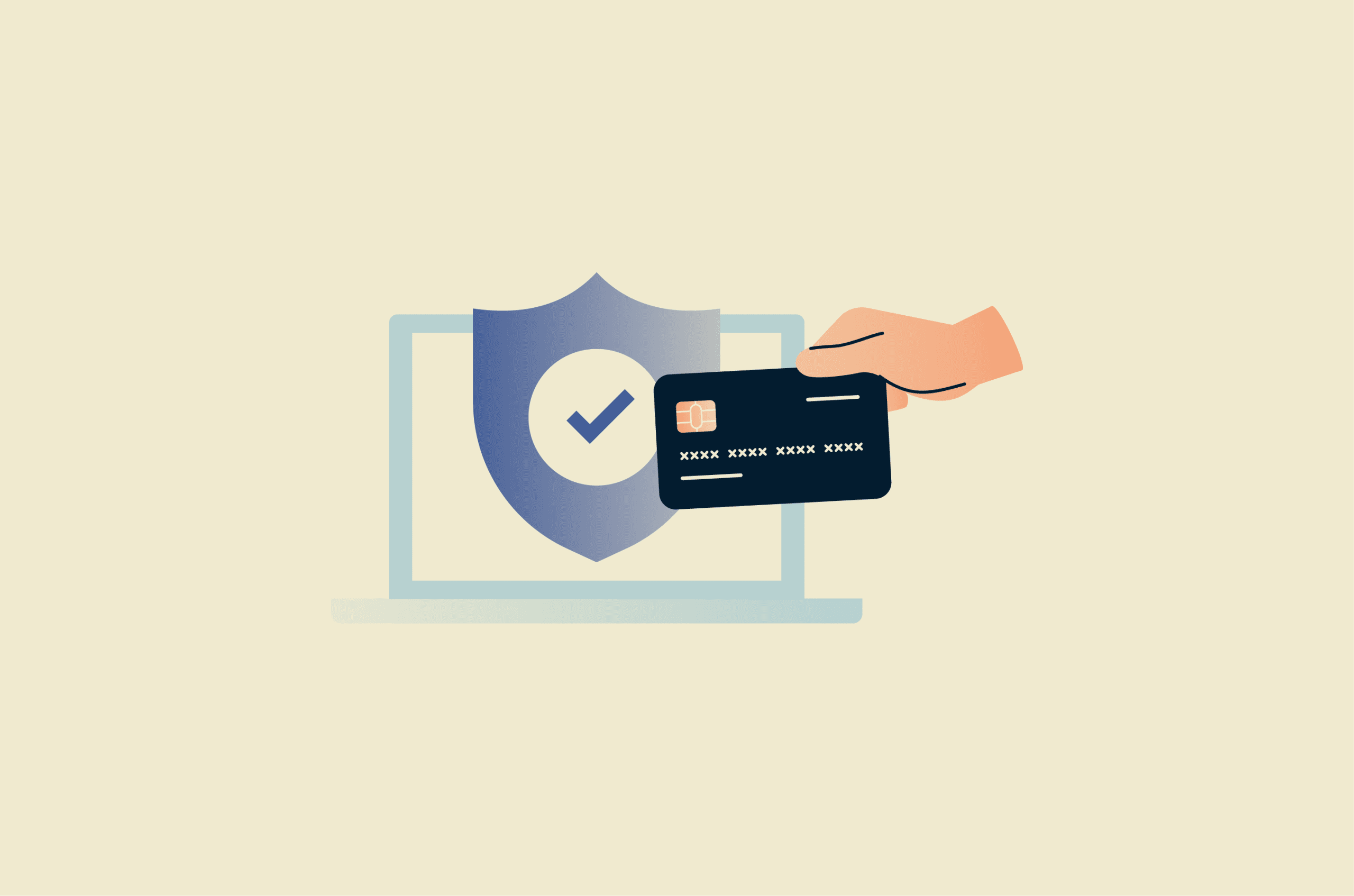
Modern electronic payments operate on highly sophisticated processing rails that connect merchant acquirers, payment service providers (PSPs), and card networks instantly. The underlying architecture involves tokenization, where sensitive Primary Account Numbers (PANs) are substituted with surrogate cryptograms to protect consumer identity during data transmission.
In 2026, compliance frameworks such as the Payment Card Industry Data Security Standard (PCI-DSS) version 4.0 enforcement and regional open banking directives have redefined how authorization requests are authenticated. Multi-factor authentication (MFA) protocols and biometric checks, including Face ID and hardware security keys, are standard requirements for initiating card-not-present transactions, significantly mitigating the risk of unauthorized use.
Core Categories of Online Payment Methods
Navigating digital checkout systems requires an understanding of the distinct functional categories available to consumers and businesses. Each option carries unique transactional mechanics, processing speeds, and chargeback protections.
- Credit and Debit Cards: The foundational rail for global ecommerce, processing billions of transactions daily via networks like Visa, Mastercard, American Express, and Discover.
- Digital Wallets and Mobile Pay: Centralized applications that store multiple funding sources and streamline checkout via one-click biometric authentication (e.g., Apple Pay, Google Pay).
- Account-to-Account (A2A) and Open Banking Transfers: Direct bank-to-bank settlements utilizing automated clearing houses (ACH), instant payment rails, or real-time payment (RTP) networks.
- Alternative Payment Methods (APMs): Region-specific ecosystems, buy-now-pay-later (BNPL) platforms, and prepaid vouchers designed for specific demographics or unbanked populations.
- Cryptocurrency and Stablecoins: Decentralized digital assets utilizing blockchain ledgers for cross-border settlements with immediate finality.
Comparative Analysis of Digital Payment Solutions
Selecting the right transaction vehicle depends heavily on transaction velocity, processing fees, and regional availability. The matrix below contrasts the leading online payment categories utilized in 2026.
| Payment Method Category | Primary Settlement Speed | Average Processing Fee | Fraud Protection Level | Cross-Border Capability |
|---|---|---|---|---|
| Credit Cards | Real-time authorization (1-3 days settlement) | 1.5% - 3.5% + fixed fee | High (Chargeback rights) | Universal (Global networks) |
| Digital Wallets | Instant (Tied to underlying card/bank) | Variable (Matches underlying funding) | High (Tokenized credentials) | High (Multi-currency support) |
| Instant A2A / RTP | Immediate to seconds | Low ($0.25 to 1.00 flat) | Moderate (Harder to reverse) | Limited (Mostly domestic rails) |
| Buy Now, Pay Later (BNPL) | Instant for merchant, installment-based | 3% - 6% charged to merchant | Moderate | Moderate (Region restricted) |
| Cryptocurrency / Stablecoins | Minutes to hours (Network dependent) | Variable (Network gas fees) | Low (Irreversible transactions) | Universal (Permissionless) |
Step-by-Step Guide: Executing a Secure Online Transaction
To safeguard personal financial data and ensure successful order fulfillment, consumers and business operators should follow a rigorous transactional workflow. Implementing these steps minimizes fraud exposure and prevents common payment decline errors.
- Verify Merchant Authenticity: Check for valid Transport Layer Security (TLS) certificates, identifiable contact information, and transparent privacy policies on the target website before entering credentials.
- Select the Optimal Payment Channel: Choose a digital wallet or tokenized credit card to shield actual financial account numbers from potential third-party data breaches.
- Input and Verify Billing Data: Ensure the billing address and postal code match the exact records held by the issuing bank to prevent Address Verification System (AVS) mismatches.
- Complete Multi-Factor Authentication (MFA): Respond promptly to push notifications, one-time passcodes (OTPs), or biometric prompts sent by your banking institution to authorize the payment.
- Save Transaction Records: Retain the digital receipt, transaction ID, and merchant confirmation email for tracking, subscription management, or potential dispute resolution.
Advantages and Disadvantages of Modern Online Payment Rails
Every payment modality involves operational trade-offs regarding cost, convenience, and risk management. Evaluating these factors helps users make informed decisions.
Card-Based Transactions Pros: Excellent consumer protection laws, robust rewards programs, and universal acceptance across millions of global merchants. Cons: Higher interchange fees for merchants, susceptibility to card-not-present fraud, and risk of accumulating high-interest debt on revolving balances.
Account-to-Account and Instant Transfers Pros: Substantially lower transaction fees, elimination of intermediary credit networks, and immediate funds availability for merchants. Cons: Limited consumer recourse for fraud recovery, lack of standard chargeback mechanisms, and complex setup processes for cross-border transactions.
Frequently Asked Questions Regarding Online Payments
What is the safest way to pay online in 2026?
Using encrypted digital wallets (such as Apple Pay or Google Pay) combined with biometric authentication is widely considered the safest method because it masks your actual card numbers via tokenization. This prevents merchants from ever storing your raw financial credentials.
Why was my online payment declined despite having sufficient funds?
Transactions frequently fail due to AVS (Address Verification System) mismatches, triggered fraud detection algorithms at your bank, expired card details, or failed 3D Secure (3DS) authentication checks. Contact your card issuer to verify if a security hold was placed on your account.
How do buy-now-pay-later (BNPL) services affect credit scores?
Most BNPL providers perform soft credit checks upon application that do not impact credit scores, but missed or late installment payments can be reported to major credit bureaus and negatively affect your credit standing. Some larger BNPL structures are now fully integrated into traditional credit reporting agencies.
Are transaction fees higher for international online payments?
Yes, cross-border transactions typically incur international service assessment fees, currency conversion markups, and higher processing costs ranging from 1% to 3% above standard domestic rates. Utilizing multi-currency accounts or stablecoin rails can help mitigate these extra charges.
What should I do if an online payment goes through to a fraudulent merchant?
Immediately contact your bank or credit card issuer to report the fraudulent activity, request a freeze or replacement of your payment card, and initiate a formal chargeback dispute under consumer protection regulations.
Do instant payment rails offer chargeback protection like credit cards?
No, direct account-to-account and real-time payment transfers function similarly to cash and are generally irreversible once cleared, meaning they lack the robust fraud dispute and chargeback rights inherent to traditional credit networks.
Optimizing Your Digital Payment Strategy
Adopting a diversified approach to digital transactions ensures maximum financial flexibility, security, and cost efficiency. By leveraging tokenized wallets for everyday retail purchases, secure credit lines for high-value acquisitions, and direct bank rails for recurring domestic obligations, users can navigate the 2026 digital commerce landscape with absolute confidence and protection.
Image Gallery