Understanding TLC Plates: A Comprehensive Guide to Thin Layer Chromatography
A TLC plate is a fundamental tool in analytical chemistry used to separate, identify, and monitor the purity of chemical compounds within a mixture. It consists of a thin layer of adsorbent material, such as silica gel or alumina, coat...
A TLC plate is a fundamental tool in analytical chemistry used to separate, identify, and monitor the purity of chemical compounds within a mixture. It consists of a thin layer of adsorbent material, such as silica gel or alumina, coated onto a rigid, unreactive backing like glass, aluminum, or plastic.
Contents
Thin Layer Chromatography (TLC) remains one of the most widely used laboratory techniques due to its simplicity, low cost, and rapid results. As of 2026, while high-performance liquid chromatography (HPLC) and gas chromatography (GC) dominate quantitative analysis, the manual TLC plate remains an indispensable diagnostic tool in organic synthesis, pharmaceutical quality control, and forensic science. To understand what a TLC plate is, one must look at its physical construction, the chemical principles that drive it, and the practical steps required to interpret its results.
The Physical Anatomy of a TLC Plate
A TLC plate is essentially a "stationary phase" supported by a "backing." The quality of the separation depends heavily on the uniformity of this coating and the material used for the support.
The Backing Material (Support)
The backing provides structural integrity to the thin, fragile layer of adsorbent. There are three primary types of backing used in laboratories:
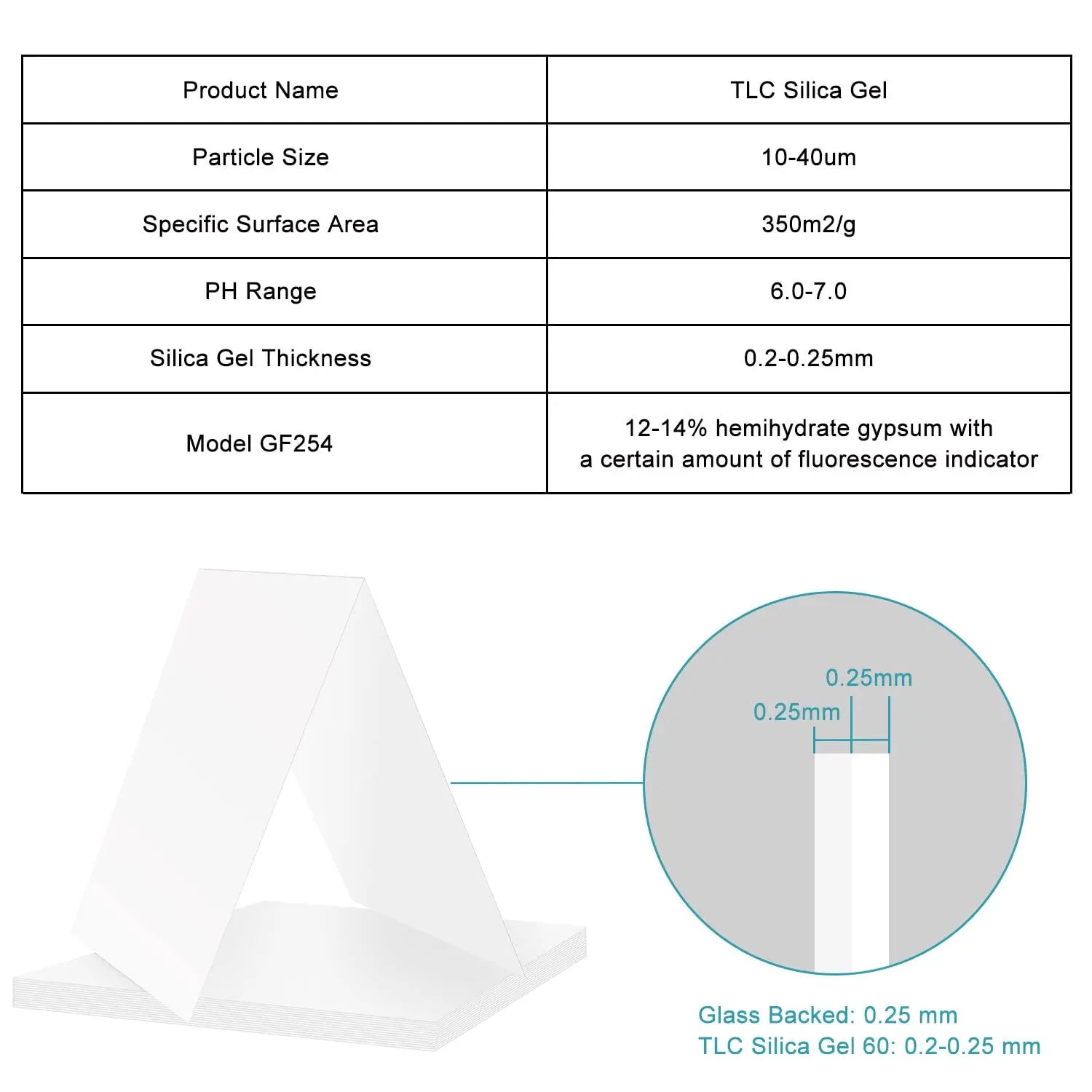
- Glass Plates: These are traditional and offer excellent chemical resistance. They are transparent, allowing for visualization from the back, and can withstand high temperatures if the plate needs to be heated during a visualization step. However, they are fragile and cannot be easily cut to size.
- Aluminum Sheets: Highly popular in modern labs, aluminum-backed plates are durable and can be easily cut with scissors to the desired dimensions. They are lightweight and conduct heat efficiently, which is useful for "charring" or heat-activated stains.
- Plastic (Polyester) Sheets: These are the most flexible and cost-effective. Like aluminum, they can be cut with scissors. However, they lack the thermal stability of glass or aluminum and may deform if subjected to intense heat or certain aggressive organic solvents.
The Stationary Phase (Adsorbent)
The "thin layer" in Thin Layer Chromatography is the stationary phase. This is the material that interacts with the sample molecules to facilitate separation.
- Silica Gel ($SiO_2$): By far the most common adsorbent. It is highly polar due to the presence of silanol (-Si-OH) groups on its surface. It is ideal for separating a wide range of organic molecules based on their polarity.
- Alumina (Aluminum Oxide): Available in acidic, basic, and neutral forms. It is often used for separating basic compounds or those that might decompose on acidic silica.
- Cellulose: Used primarily for the separation of hydrophilic molecules like sugars or amino acids, acting similarly to paper chromatography but with better resolution.
Binders and Indicators
Because a dry powder like silica gel would simply fall off the backing, a binder is added to the mixture. Calcium sulfate (gypsum) is the most common binder, often denoted by the letter "G" in product names (e.g., Silica Gel G).
Many commercial plates also include a fluorescent indicator, typically zinc sulfide. These plates are marked with "F254," indicating they will glow green under short-wave ultraviolet light (254 nm). When a sample spot covers the indicator, it quenches the fluorescence, appearing as a dark spot against the glowing background.
The Working Principle: Differential Migration
The operation of a TLC plate relies on the principle of differential migration. This is the process where different components of a mixture move up the plate at different rates based on their relative affinities for the stationary phase and the mobile phase.
Adsorption and Polarity
Most TLC is "normal phase," meaning the stationary phase is polar (silica) and the mobile phase (solvent) is less polar. When a mixture is applied to the plate, the molecules compete for binding sites on the silica. Polar molecules form strong hydrogen bonds or dipole-dipole interactions with the silanol groups, causing them to "stick" more tightly. Non-polar molecules have weaker interactions and prefer to stay dissolved in the moving solvent.
Capillary Action
The mobile phase moves up the TLC plate through capillary action. As the solvent climbs, it carries the sample components with it. The distance a specific compound travels is a net result of the "tug-of-war" between the solvent's desire to pull it upward and the stationary phase's desire to hold it back.
How to Use a TLC Plate: A Step-by-Step Procedure
To achieve accurate and reproducible results, the preparation and development of a TLC plate must follow a standardized protocol.
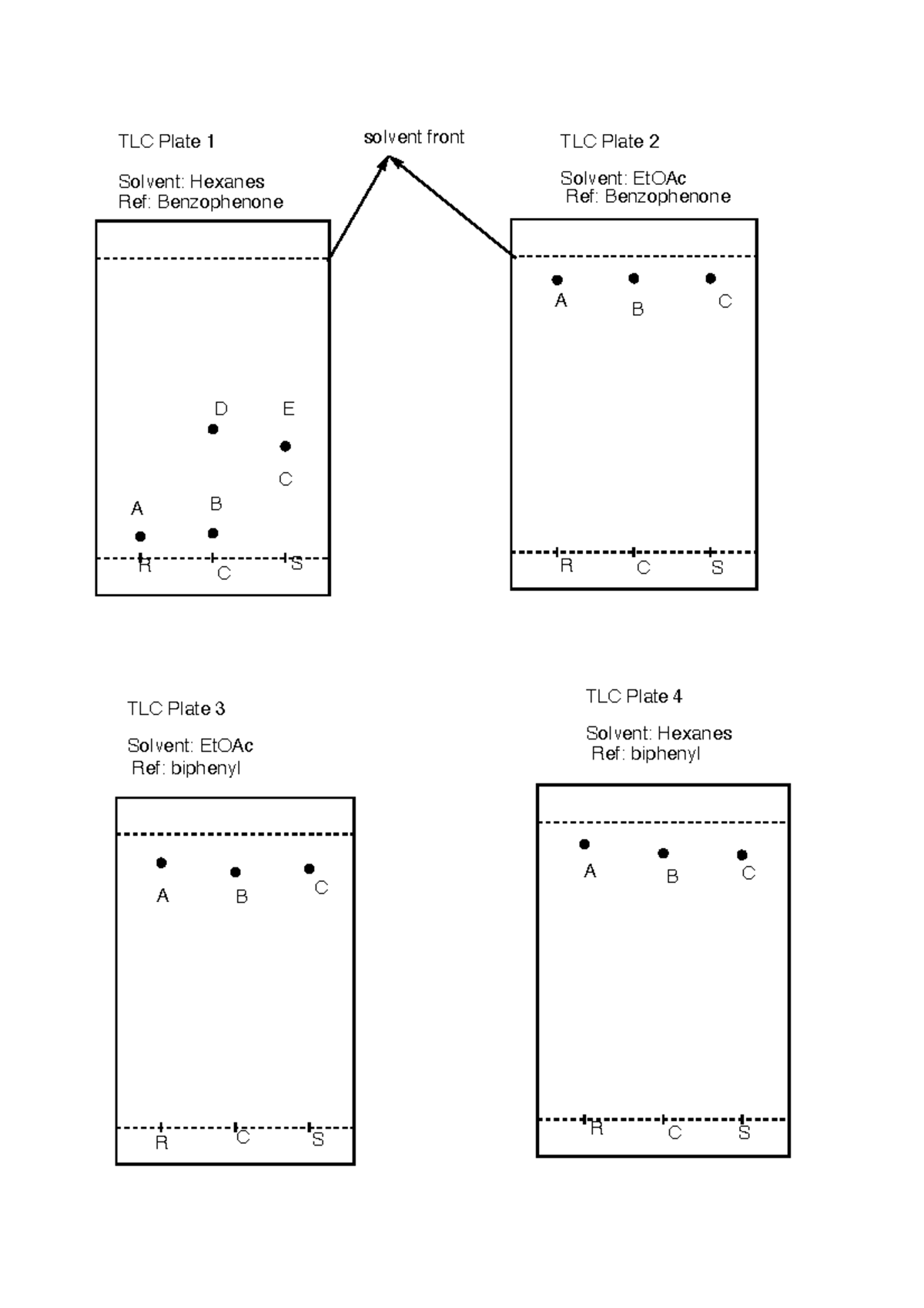
Plate Preparation and Marking: Using a pencil (never a pen, as ink will chromatography along with the sample), draw a light line about 1 cm from the bottom of the plate. This is the "origin." Mark small "x" marks or ticks along this line where the samples will be placed.
Spotting the Sample: A small amount of the sample is dissolved in a volatile solvent. A capillary tube or micro-pipette is used to dab a tiny spot onto the origin. The spot should be as small as possible (usually 1-2 mm in diameter) to prevent "tailing" or overlapping during development.
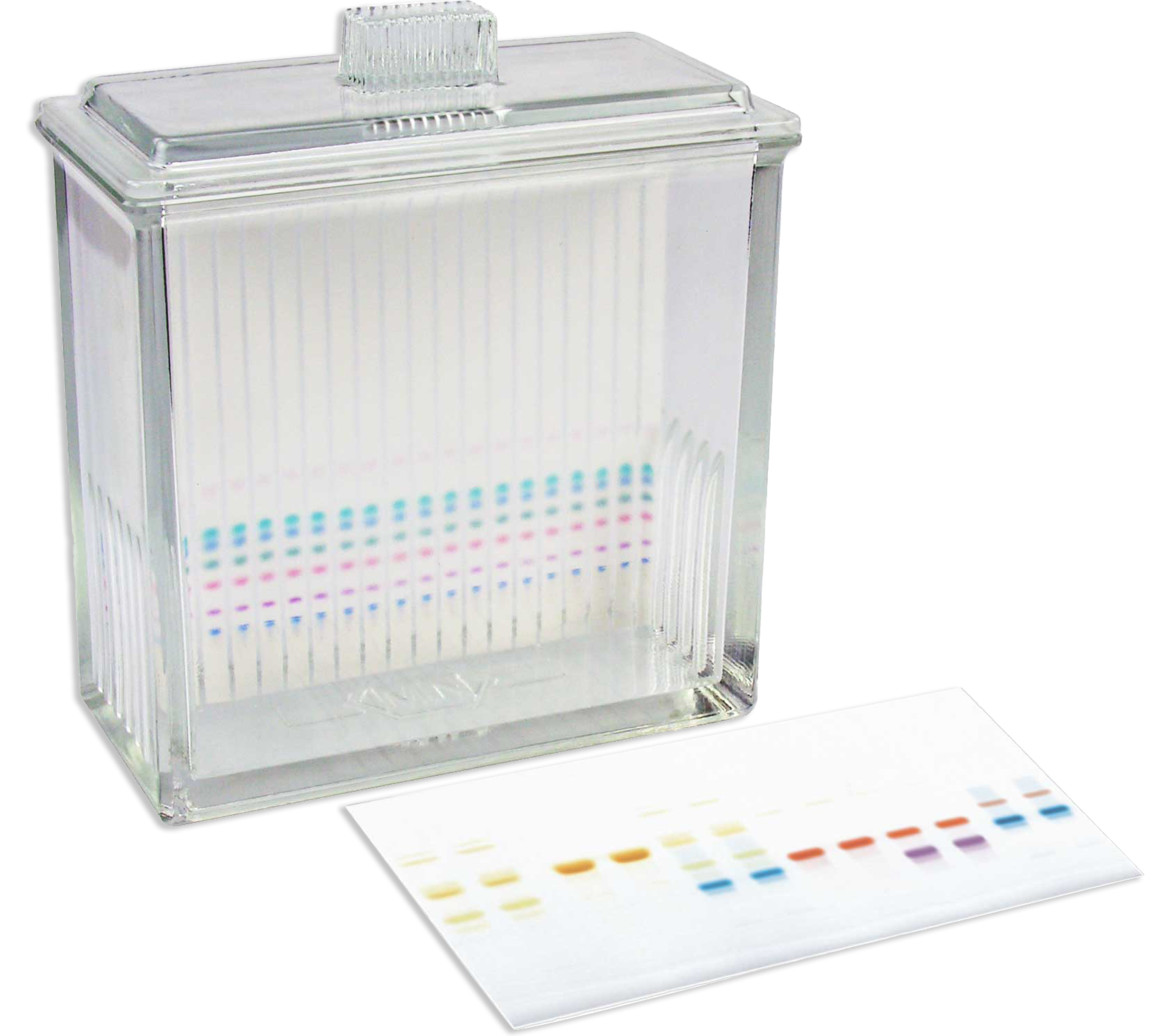
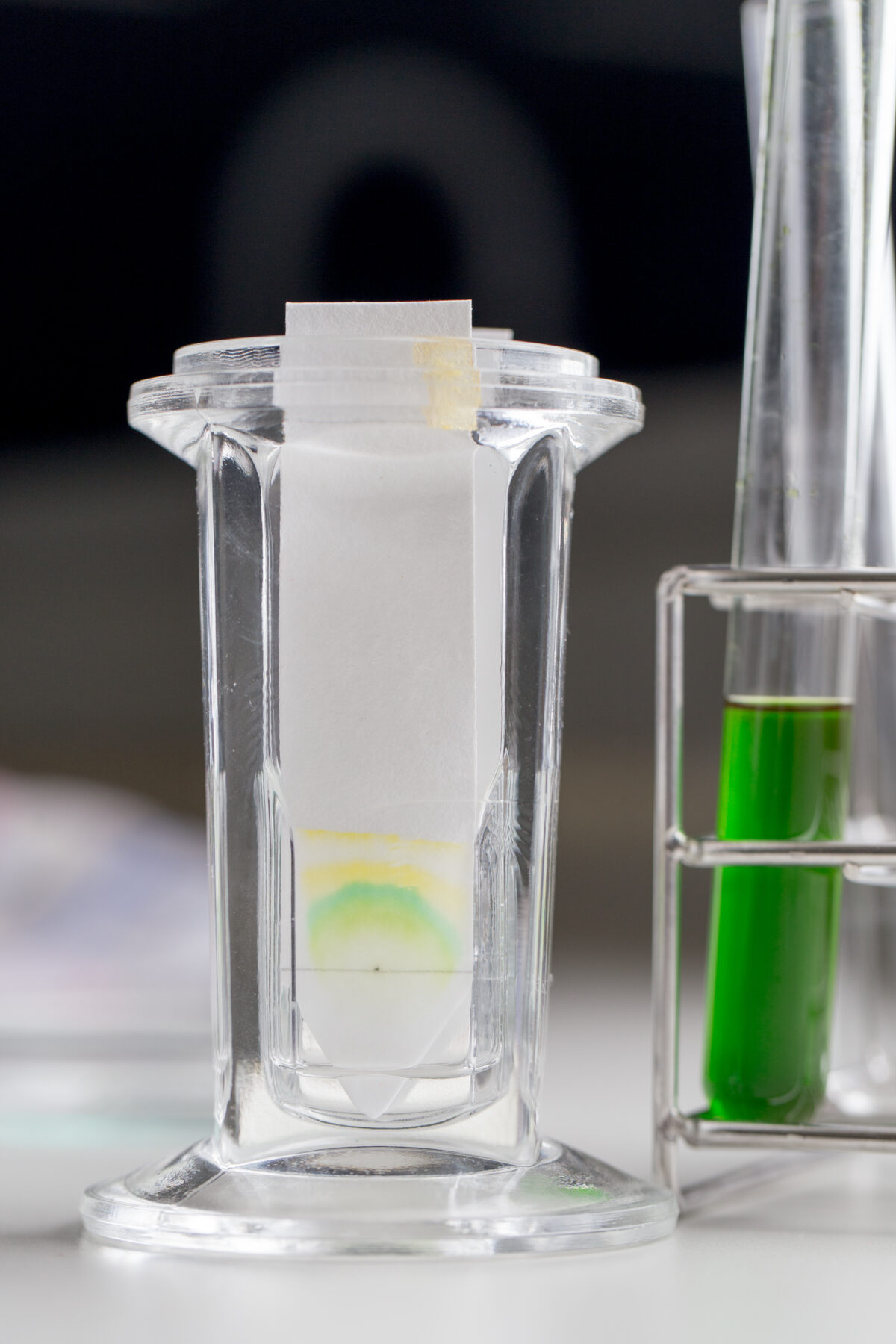
Development: The plate is placed in a developing chamber (a glass jar with a lid) containing a small amount of the mobile phase. The level of the solvent must be below the origin line to prevent the samples from dissolving directly into the solvent reservoir. The chamber should be saturated with solvent vapor by placing a piece of filter paper inside.
Visualization: Once the solvent reaches near the top of the plate (the "solvent front"), the plate is removed, and the front is immediately marked with a pencil. Since most organic compounds are colorless, they must be visualized using UV light, iodine vapor, or chemical stains like vanillin, phosphomolybdic acid (PMA), or ninhydrin.
Interpreting Results: The Retention Factor ($R_f$)
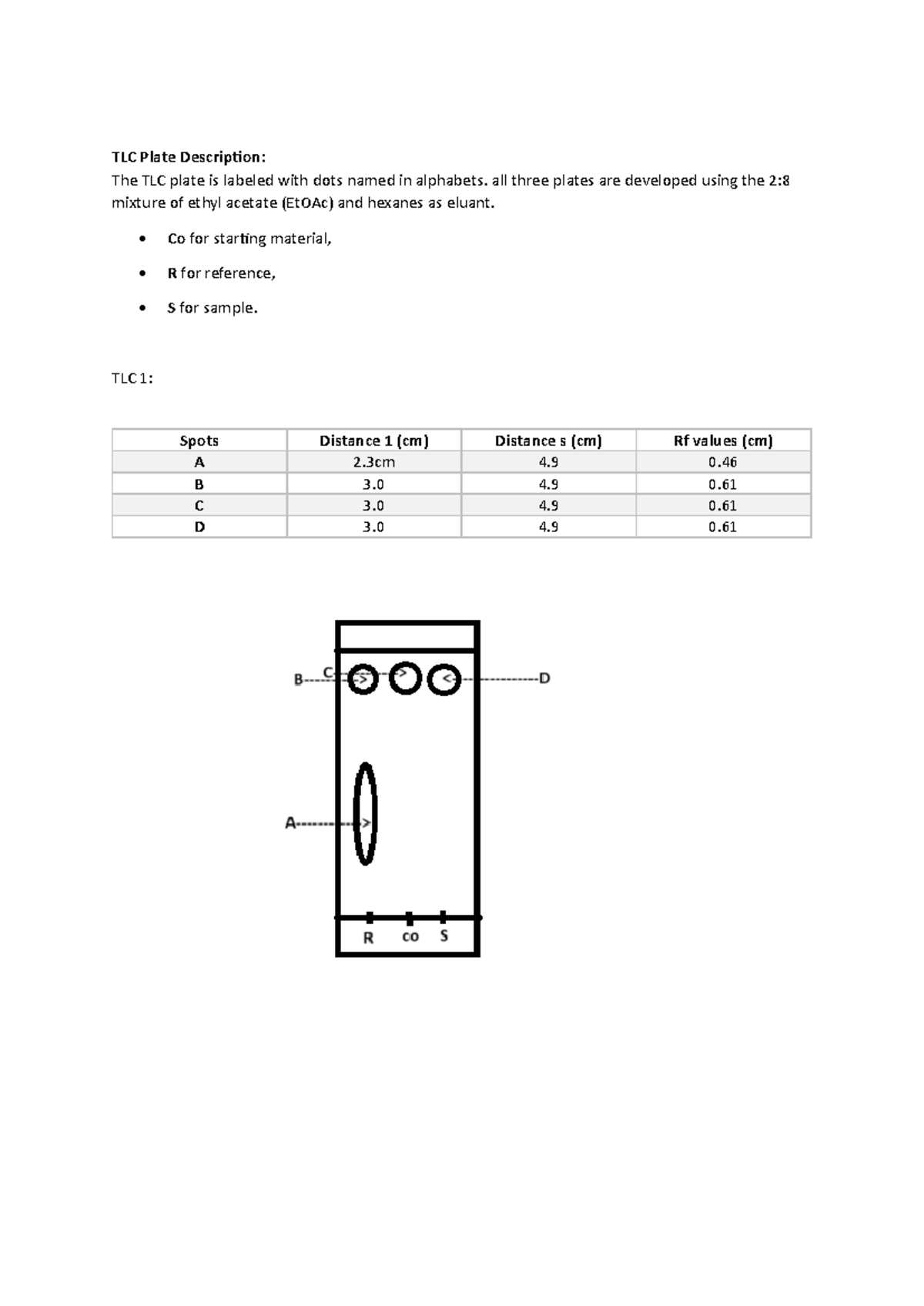
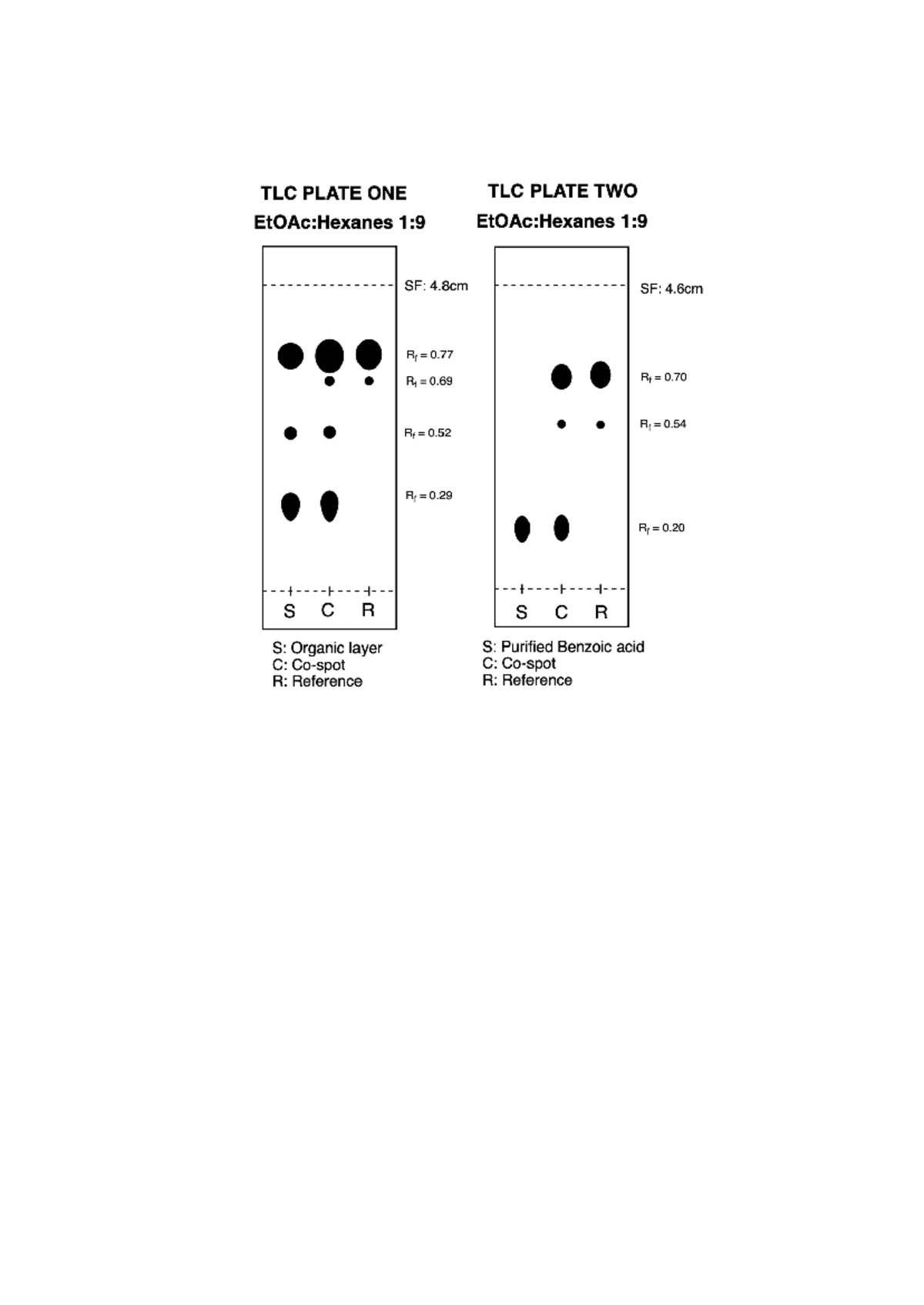
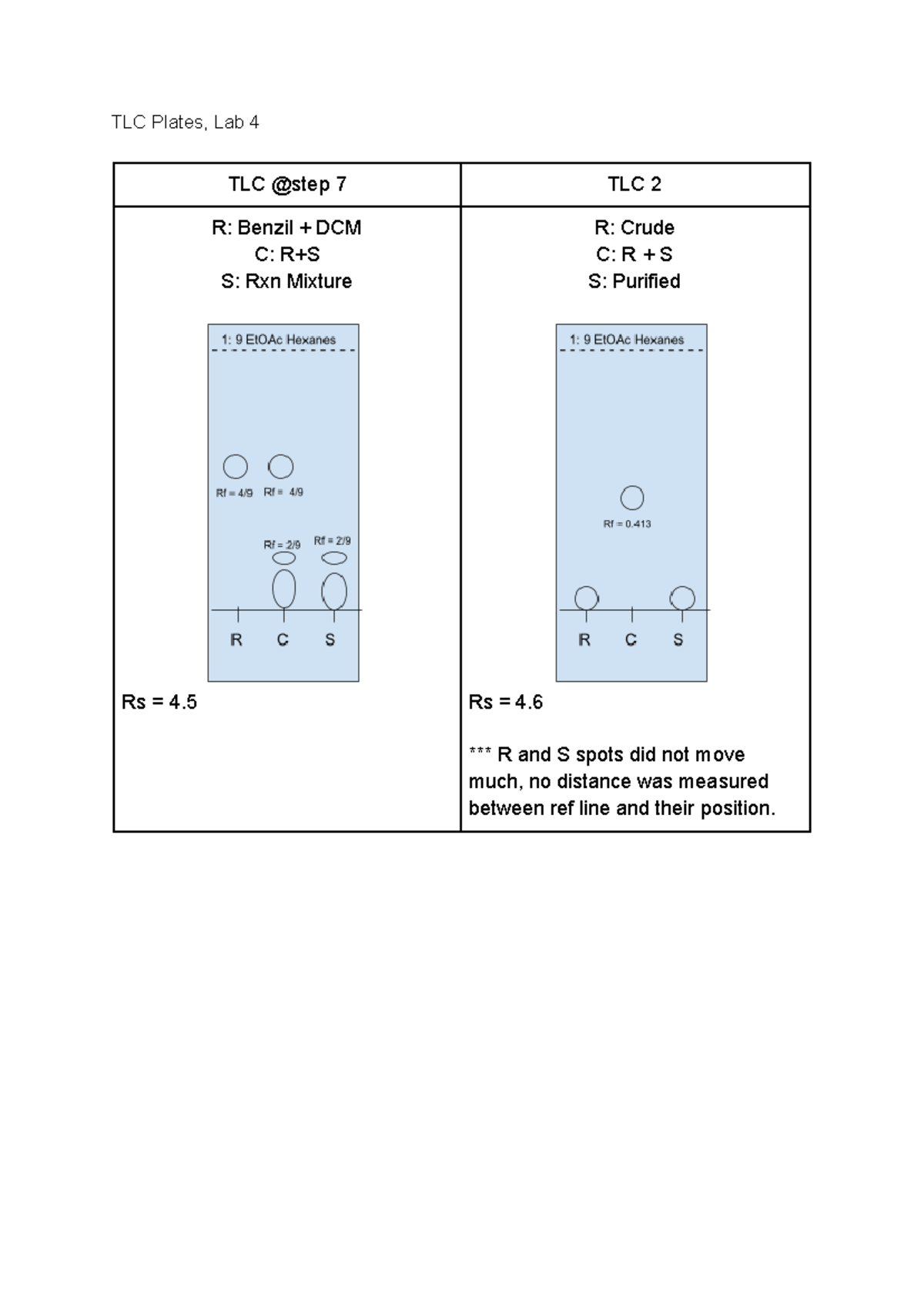
The primary measurement derived from a TLC plate is the $R_f$ value (Retention Factor). This value is a ratio that describes how far a compound traveled relative to the solvent.
The formula is: $$R_f = \frac{\text{Distance traveled by the substance}}{\text{Distance traveled by the solvent front}}$$
Because it is a ratio, the $R_f$ value is always between 0 and 1.
- An $R_f$ near 0 indicates a very polar compound that barely moved from the origin.
- An $R_f$ near 1 indicates a non-polar compound that moved almost as fast as the solvent front.
It is important to note that $R_f$ values are not absolute physical constants. they are highly dependent on the solvent system, the temperature, the type of plate, and even the humidity in the lab. For identification, a sample is usually run side-by-side with a known "standard" on the same plate to ensure identical conditions.
Comparison of Common TLC Plate Backing Materials
The choice of backing material affects how the plate is handled and visualized. The following table summarizes the key differences as of 2026 standards.
| Feature | Glass Backing | Aluminum Backing | Plastic (Polyester) |
|---|---|---|---|
| Chemical Resistance | Excellent (Inert) | High (Avoid strong acids/bases) | Moderate |
| Thermal Stability | Very High (up to 500°C) | High (up to 200°C) | Low (Melt risk >100°C) |
| Flexibility | Rigid/Fragile | Flexible/Cuttable | Highly Flexible/Cuttable |
| Transparency | Transparent | Opaque | Translucent/Opaque |
| Best Use Case | Harsh reagents/heating | Routine lab work/Reaction monitoring | Educational use/Field testing |
Common Applications of TLC Plates
Despite the rise of automated chromatography, the manual TLC plate remains vital in several sectors:
- Monitoring Reaction Progress: In synthetic chemistry, a chemist will "run a TLC" every 30 minutes to see if the starting material spot has disappeared and a product spot has formed.
- Determining Purity: If a "pure" sample shows three spots on a TLC plate under different solvent systems, it is clearly contaminated.
- Optimizing Column Chromatography: Before performing a large-scale separation on a silica column, a chemist uses TLC plates to find the perfect solvent ratio that provides the best separation (resolution) between components.
- Food and Environmental Testing: Detecting pesticides in water or testing the purity of essential oils and herbal extracts.
Troubleshooting Common TLC Issues
Even experienced researchers encounter problems with TLC plates. Identifying the cause of a "bad" plate is essential for accurate analysis.
- Tailing/Streaking: This occurs when a spot looks like a smear rather than a distinct circle. This is often caused by applying too much sample (overloading) or the sample being too acidic/basic for the silica. Adding a trace of acetic acid or triethylamine to the solvent can often sharpen these spots.
- No Movement: If the spots stay at the origin, the solvent is not polar enough to displace the molecules from the silica.
- Spots Running Together: This is usually due to the spots being placed too close together at the origin or the solvent front being uneven (often caused by the plate touching the filter paper in the chamber).
- Ghost Spots: If the plate is handled with bare fingers, oils from the skin can appear as spots under UV light or iodine visualization.
FAQs about TLC Plates
1. Can a TLC plate be reused?
Generally, no. TLC plates are designed for single use. The stationary phase is often damaged during visualization (especially with chemical stains) or by the solvent itself. While some researchers attempt to "wash" plates with polar solvents, the risk of cross-contamination and loss of adsorbent uniformity makes this practice unreliable for scientific work.
2. Why is silica gel the most common stationary phase?
Silica gel is preferred because it is chemically inert, has a very high surface area, and possesses a versatile polarity. It can separate a vast range of functional groups. Furthermore, it is relatively inexpensive to produce and can be modified (into "Reverse Phase" silica) for specialized applications.
3. What does "F254" mean on a TLC plate package?
The "F" stands for Fluorescent, and "254" refers to the wavelength of light (254 nanometers) at which the indicator in the plate's coating will fluoresce. This is the standard wavelength for short-wave UV lamps used in laboratories to visualize organic compounds that contain conjugated double bonds or aromatic rings.
4. How do I choose the right solvent for my TLC plate?
Selecting a mobile phase is often a process of trial and error. A common starting point is a mixture of a non-polar solvent (like Hexane or Petroleum Ether) and a moderately polar solvent (like Ethyl Acetate). By adjusting the ratio (e.g., 9:1, 7:3, 1:1), you can fine-tune the $R_f$ values until the components are clearly separated.
5. What is the difference between TLC and HPTLC?
HPTLC (High-Performance Thin Layer Chromatography) uses plates with much smaller and more uniform particle sizes of adsorbent. This results in higher resolution, faster development times, and the ability to detect much smaller quantities of a substance. HPTLC is usually automated and used for quantitative analysis, whereas standard TLC is manual and qualitative.
6. Why should I use a pencil to mark the plate instead of a pen?
Ballpoint or felt-tip pens contain organic dyes and pigments. These inks will dissolve in the chromatography solvent and travel up the plate, creating confusing spots or streaks that interfere with your sample analysis. Pencil graphite (carbon) is insoluble and does not migrate.
Final Recommendation for Laboratory Practice
When working with TLC plates, always prioritize consistency. Ensure your developing chamber is properly sealed and saturated with vapor, as an unsaturated chamber will lead to "edge effects" where the solvent moves faster at the sides than in the center. If you are monitoring a new reaction, always run three lanes: one for the starting material, one for the reaction mixture, and a "co-spot" lane containing both. This "co-spot" technique is the gold standard for confirming that a new spot is truly a new product and not just a shifted version of the starting material.
Image Gallery