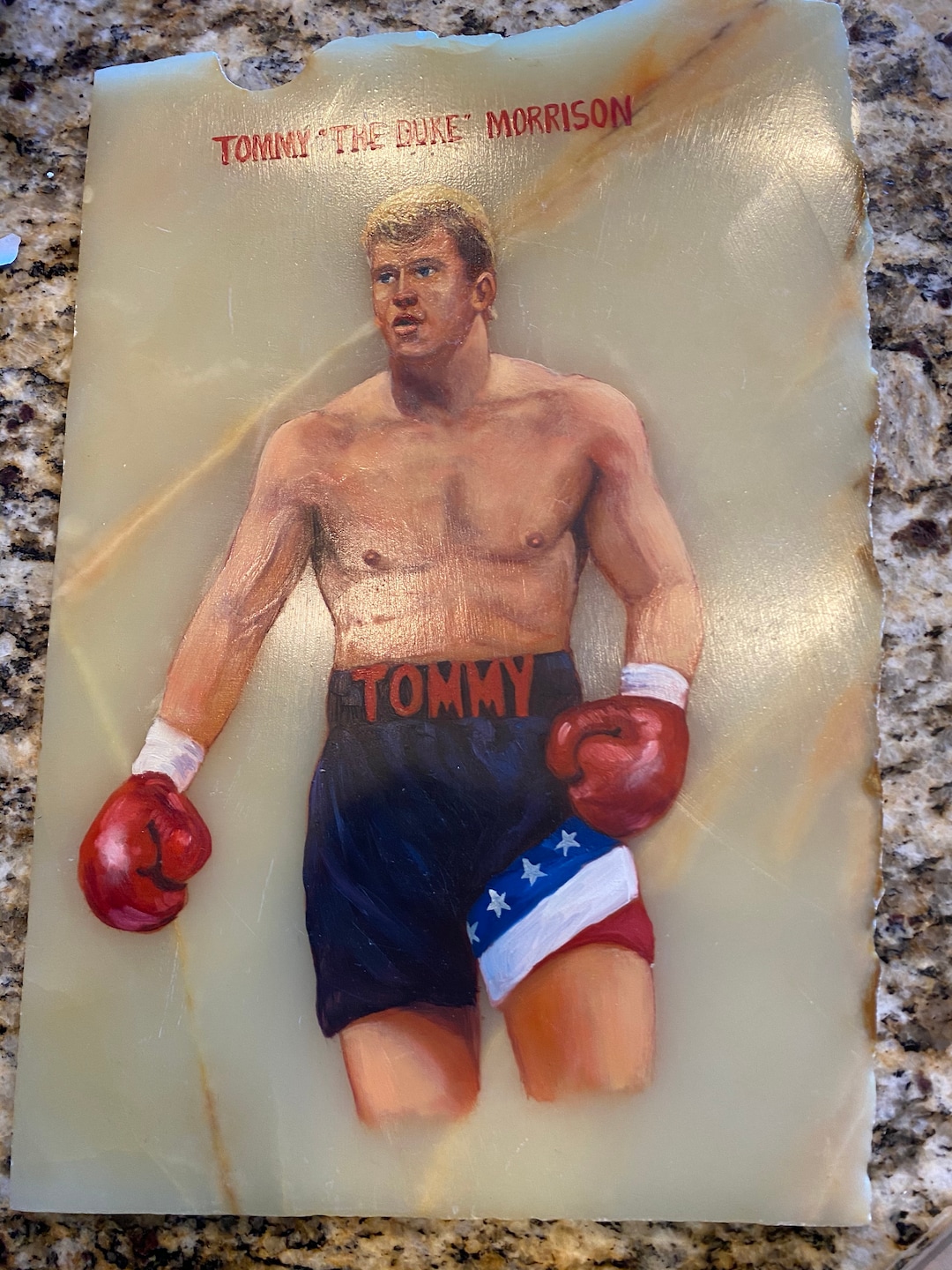
Tommy "The Duke" Morrison Net Worth at His Death: The Rise and Fall of a Heavyweight Icon
At the time of his death on September 1, 2013, Tommy "The Duke" Morrison had an estimated net worth of less than $10,000. Despite accumulating career earnings estimated between $16 million and $20 million during the 1990s, a combinatio...
At the time of his death on September 1, 2013, Tommy "The Duke" Morrison had an estimated net worth of less than $10,000. Despite accumulating career earnings estimated between $16 million and $20 million during the 1990s, a combination of medical expenses, legal crises, and a decade-long ban from professional boxing left his estate essentially insolvent.
Contents
The Financial Peak: Tommy Morrison’s Career Earnings
To understand the magnitude of Tommy Morrison’s financial decline, one must first examine the height of his earning power. Morrison was not just a boxer; he was a crossover star. With his Hollywood looks and a devastating left hook, he became a "Great White Hope" in a heavyweight division dominated by legends.
The George Foreman Payday
The pinnacle of Morrison’s financial success occurred in June 1993. Facing George Foreman for the vacant WBO Heavyweight title, Morrison delivered a disciplined performance to win by unanimous decision. This fight earned him a career-high purse of approximately $7 million to $8 million. This victory established him as a premier draw and led to a massive multi-fight contract offer from promoter Don King, reportedly worth $38.5 million.
The Rocky V Boost
Morrison’s wealth was bolstered by his foray into acting. Cast by Sylvester Stallone as Tommy "The Machine" Gunn in Rocky V (1990), Morrison received a significant salary and international exposure. While his exact acting fee was not public record, industry estimates for a major supporting role in a franchise film at that time suggest he earned between $500,000 and $1 million, plus residuals.
Major Purses and Bouts
Morrison remained a high-value fighter throughout the early 90s. His 1995 bout against Lennox Lewis, despite being a TKO loss, netted him a multi-million dollar purse (estimated at $2.1 million). Other notable earnings came from fights against Ray Mercer and Donovan "Razor" Ruddock. By the mid-1990s, Morrison’s gross earnings were comfortably in the eight-figure range, allowing for a lifestyle of luxury cars, properties, and significant personal expenditures.
The Downward Spiral: Why the Money Disappeared
The financial collapse of Tommy Morrison is a cautionary tale involving health crises, legal mismanagement, and the sudden cessation of income.
The 1996 HIV Diagnosis
The turning point in Morrison’s life and finances occurred in February 1996. Just hours before a scheduled fight against Arthur Weathers in Las Vegas, the Nevada Athletic Commission announced that Morrison had tested positive for HIV. He was immediately suspended from boxing.
This diagnosis did more than end his career; it voided the lucrative $38.5 million contract he had recently signed with Don King. Overnight, Morrison went from being a multi-millionaire in his prime to an uninsurable athlete with no primary source of income.
Legal Battles and Incarceration
As his boxing career stalled, Morrison’s personal life fractured. Between 1996 and 2001, he faced numerous legal issues, including:
- DUI Charges: Multiple arrests led to mounting legal fees.
- Weapon and Drug Charges: In 1999, he was sentenced to two years in prison for drug and weapon possession.
- Civil Litigation: Constant legal battles regarding his medical status and attempts to regain his boxing license drained his remaining cash reserves.
Medical Costs and Experimental Treatments
In the years leading up to his death, Morrison spent significant sums on medical care. Interestingly, a portion of his wealth was spent on his attempt to "prove" he did not have HIV. Morrison became a vocal HIV/AIDS denier in his later years, seeking out niche doctors and experimental testing to challenge the 1996 results. These efforts were expensive and yielded no financial return, as he was never able to secure a high-profile return to the ring.
Tommy Morrison’s Estimated Net Worth at the Time of His Death (2013)
By 2013, the luxury cars and mansions were long gone. Morrison spent his final years in a state of physical and financial fragility. When he passed away at the age of 44 in a Nebraska hospital, he left behind very few tangible assets.
| Financial Category | Peak Career (1990–1995) | At Time of Death (2013) |
|---|---|---|
| Gross Career Earnings | $16,000,000 - $20,000,000 | $0 (Income ceased) |
| Primary Asset Value | Multiple Properties & Cars | Negligible / Personal effects |
| Estimated Net Worth | ~$10,000,000 (Liquid + Assets) | < $10,000 |
| Main Income Source | Fight Purses / Movie Roles | Occasional appearances / Support |
| Debt & Liabilities | Minimal | High (Medical & Legal) |
At his death, Morrison was primarily supported by his wife, Trisha Morrison, who continued to fight legal battles on his behalf regarding his medical records and the cause of his death. The estate was so depleted that there were no significant funds for his children or heirs, a stark contrast to the millions he once generated.
The Role of Trisha Morrison and the Legal Aftermath
Following his death, Tommy’s widow, Trisha Morrison, became the steward of his legacy. Her focus was not on recovering lost millions—as there were none—but on challenging the narrative of his HIV diagnosis. She filed several lawsuits against the Nevada Athletic Commission and Quest Diagnostics, claiming the 1996 test was a false positive or was mishandled.
From a financial perspective, these lawsuits were uphill battles. Without a massive war chest, the estate struggled to keep up with the legal costs associated with suing large state entities and laboratories. As of 2026, most of these efforts have served more as a public record of the family's protest rather than a source of financial recovery for the estate.
Factors Influencing Athlete Wealth Depletion
Morrison's story is often cited by financial advisors for professional athletes as a "perfect storm" of wealth destruction. Several factors contributed to the total loss of his $20 million fortune:
- Concentration Risk: Morrison’s entire net worth was tied to his physical ability to fight. Unlike athletes who diversify into real estate or stocks, his wealth was largely liquid and spent as it was earned.
- Lack of Disability Insurance: When his license was revoked in 1996, he did not have the specific insurance protections that modern athletes use to hedge against career-ending medical diagnoses.
- High Burn Rate: During his peak, Morrison lived a high-expenditure lifestyle. When the income stopped, the fixed costs of his lifestyle (and the rising costs of his legal defense) quickly eroded his savings.
- Health Denialism: Significant resources were redirected toward fighting a medical diagnosis rather than managing the financial reality of that diagnosis.
The Legacy of "The Duke"
While his bank account was empty at the end, Tommy Morrison’s impact on the sport of boxing remains significant. He finished his career with a record of 48 wins, 3 losses, and 1 draw, with 42 wins by knockout. His 2026 status in boxing history is that of one of the most powerful punchers of the 90s, whose career remains one of the great "what ifs" of the heavyweight division.
His story serves as a somber reminder of the volatility of professional sports. For every million-dollar purse, there is a risk of sudden loss. In 2026, many athletic commissions and sports leagues have implemented more robust financial literacy programs for young fighters, using the life of Tommy Morrison as a primary case study.
Frequently Asked Questions
How much did Tommy Morrison make for the Lennox Lewis fight?
Tommy Morrison earned a guaranteed purse of approximately $2.1 million for his 1995 fight against Lennox Lewis. Despite the loss, it was one of the last major paydays of his career before his 1996 suspension.
Did Tommy Morrison receive royalties from Rocky V?
Yes, as a featured actor in a major MGM production, Morrison was entitled to Screen Actors Guild (SAG) residuals. However, by the time of his death, these payments had dwindled to very small amounts as the film aged, and they were likely garnished or used to pay off existing debts.
Who inherited Tommy Morrison's estate?
Because Morrison died with a negative net worth or very few assets, there was no significant inheritance for his children (including his sons Trey Lippe-Morrison and James Witt-Morrison, who both followed him into boxing). His wife, Trisha Morrison, inherited the rights to his name and the ongoing legal challenges associated with his medical history.
What was the cause of Tommy Morrison's death?
According to his death certificate, Morrison died of cardiac arrest resulting from multiorgan failure, caused by septicemia (Pseudomonas aeruginosa). His wife has publicly disputed the link between his death and HIV/AIDS, which complicates the official medical narrative.
How much money did Tommy Morrison lose when his Don King contract was canceled?
The contract was reportedly worth $38.5 million for a series of fights. Morrison lost the entirety of this potential income because he could not fulfill the requirement of being a licensed, medically cleared boxer.
Practical Considerations for Professional Athletes
Tommy Morrison’s financial history provides critical lessons for modern professionals in high-risk, high-reward industries:
- Establish a Trust: Protecting assets early in a career can prevent legal judgments or sudden lifestyle changes from depleting a retirement fund.
- Health and Disability Coverage: Athletes must secure "loss of value" or "permanent total disability" insurance to protect against medical diagnoses that can end a career overnight.
- Diversified Income: Morrison’s total reliance on his "left hook" meant that when his physical license was revoked, his financial life ended simultaneously. Investing in passive income streams is essential for long-term stability.
Looking back from 2026, Tommy Morrison remains a symbol of both the glory of the ring and the fragility of the "American Dream" when faced with the realities of health and legal turmoil.
Image Gallery