Comenity Bank vs Competitors: 2026 Comprehensive Financial Comparison
When evaluating credit card portfolios, savings vehicles, and digital banking platforms in 2026, consumers frequently weigh Comenity Bank against traditional and digital-first financial institutions. Comenity Bank, a subsidiary of Brea...
When evaluating credit card portfolios, savings vehicles, and digital banking platforms in 2026, consumers frequently weigh Comenity Bank against traditional and digital-first financial institutions. Comenity Bank, a subsidiary of Bread Financial, occupies a distinct niche in the banking ecosystem, specializing in private-label and co-branded retail credit cards. However, as modern consumers demand comprehensive personal finance tools, high-yield savings accounts, and seamless mobile interfaces, understanding how Comenity Bank compares to major competitors is critical for optimizing your financial strategy.
Contents
Understanding the Comenity Bank Model in 2026
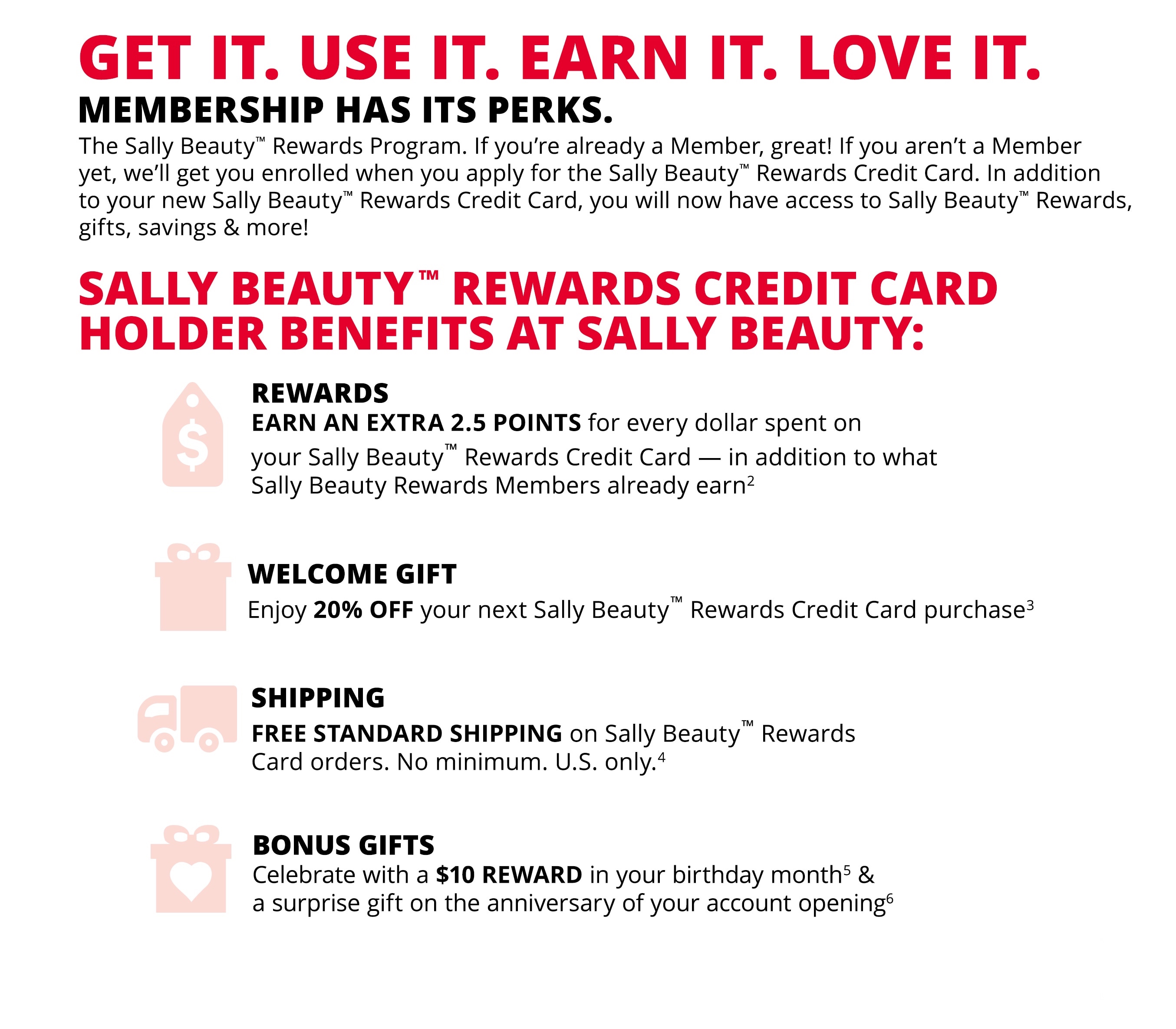
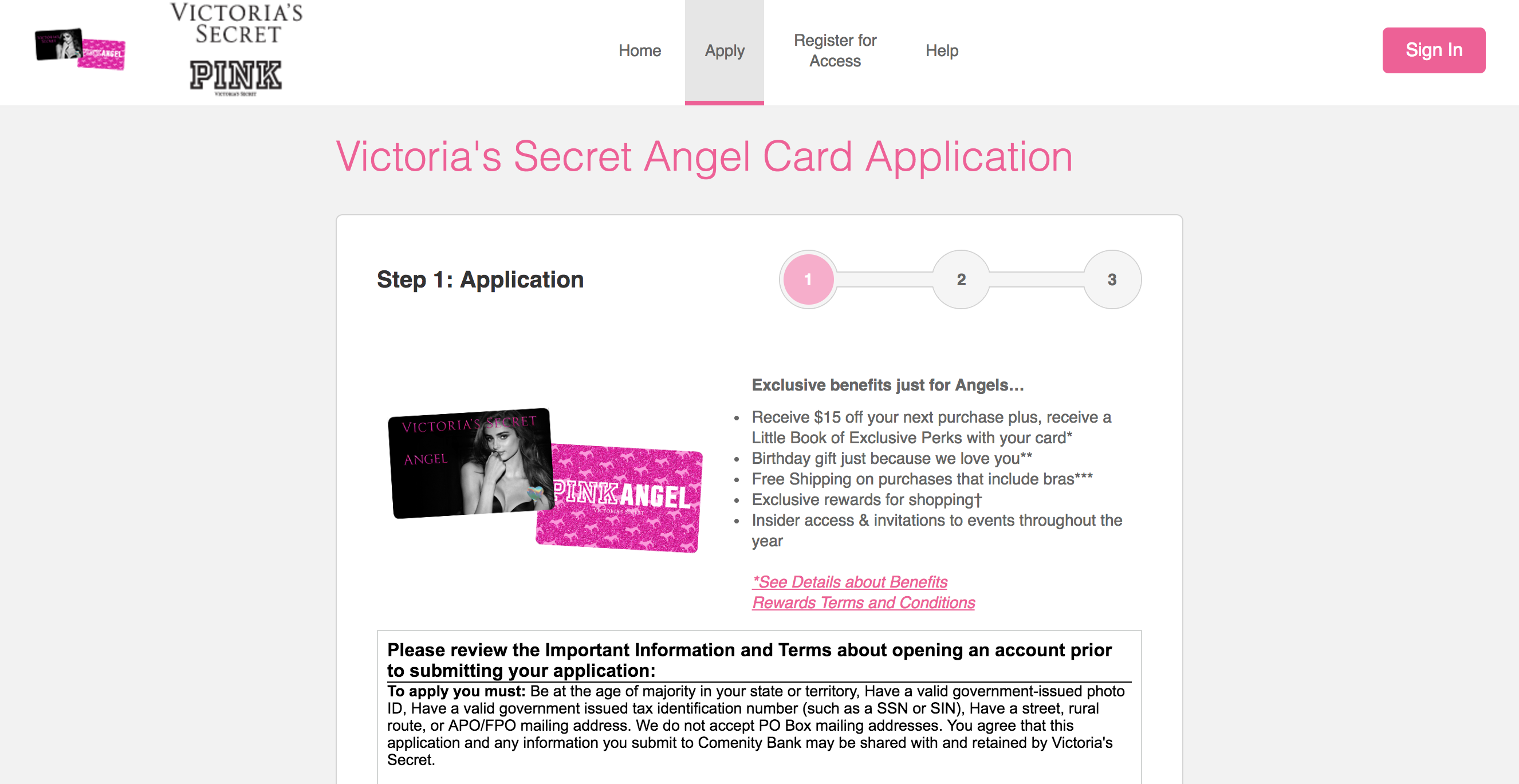
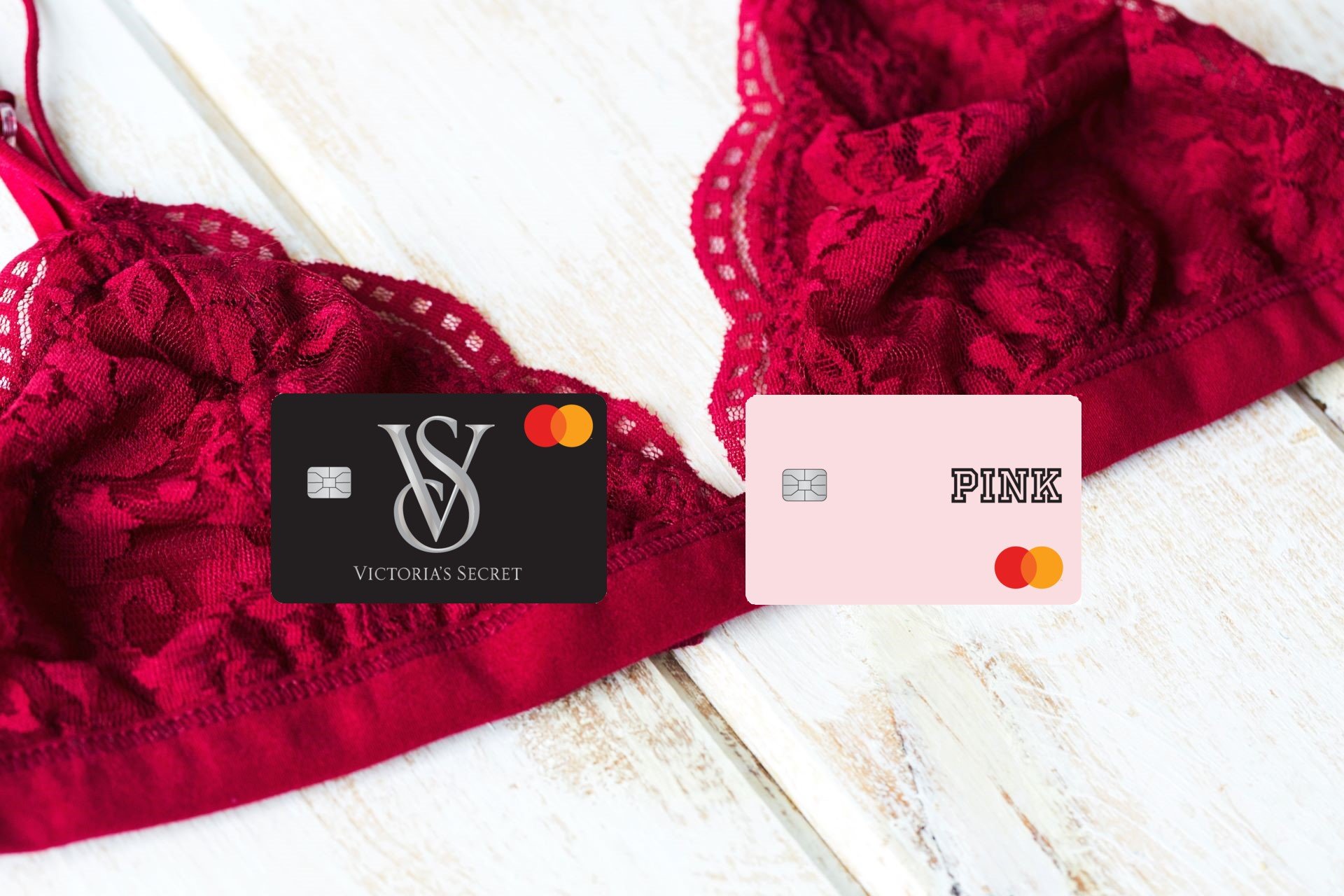
Comenity Bank operates primarily as a white-label issuer powering store cards for major retailers like Wayfair, Ulta Beauty, Victoria's Secret, and Caesars Rewards. Unlike retail banks that focus on checking accounts, mortgages, and branch banking, Comenity's core infrastructure centers on revolving retail credit lines, promotional financing, and merchant loyalty programs.
In 2026, the competitive landscape has evolved significantly. Digital-first neo-banks, fintech platforms, and traditional mega-banks offer integrated financial ecosystems that challenge specialized issuers. To determine whether a Comenity product aligns with your financial goals, you must evaluate its APR structures, fee schedules, customer service infrastructure, and digital accessibility against broader market standards.
Core Feature Comparison: Comenity Bank vs Traditional and Digital Competitors
Evaluating retail credit products and online banking services requires a direct side-by-side analysis of key operational metrics. The following matrix contrasts Comenity Bank’s typical retail credit offerings and online savings features against standard consumer banking benchmarks in 2026.
| Feature Category | Comenity Bank (Retail/Savings) | Traditional Banks (e.g., Chase, BofA) | Digital-First Neo-banks (e.g., Marcus, Ally) |
|---|---|---|---|
| Primary Product Focus | Retail credit cards & select high-yield savings | Full-service checking, savings, loans, wealth management | High-yield savings, fee-free checking, automated investing |
| Standard Purchase APR | Typically higher (Variable 28.99% - 34.99% range) | Moderate (Variable 15.99% - 29.99% range) | N/A (Credit products vary, often lower) |
| Branch Accessibility | 100% Digital and Phone-based Support | Extensive physical branch and ATM networks | Minimal or no physical branches; robust app support |
| Rewards Structure | Deeply integrated with specific merchant ecosystems | Broad cash back, travel miles, or flexible points | Flat-rate cash back or spend-rounding savings tools |
| Customer Service Rating | Mixed; heavily dependent on merchant partnership | Moderate to high; dedicated phone and in-branch support | High digital responsiveness; 24/7 chat support |
Key Advantages and Disadvantages of Choosing Comenity
Every financial institution carries specific operational trade-offs. Examining the distinct pros and cons of Comenity Bank helps clarify whether its product lineup suits your purchasing habits and credit management style.
Advantages of Comenity Bank Products
- Exclusive Retail Perks: Access to lucrative sign-up bonuses, anniversary discounts, and tier-based loyalty perks exclusive to partnered brands.
- Promotional Financing: Special deferred interest or equal-pay plans for large-scale purchases at major furniture, apparel, and entertainment retailers.
- Accessible Qualification: Generally more lenient credit score requirements for store-branded cards compared to premium travel rewards cards.
- Dedicated Savings Yields: Periodic competitive rates on online savings vehicles backed by Bread Financial stability.
Disadvantages and Risk Factors
- High Standard Interest Rates: Carrying a balance on retail credit cards incurs steep double-digit APRs that can quickly negate rewards value.
- Customer Portal Fragmentation: Because Comenity manages dozens of separate brand interfaces, user experience and app quality vary wildly depending on the specific card you hold.
- Deferred Interest Traps: Promotional financing plans can result in retroactive interest charges if the entire principal balance is not paid before the promotional window expires.
- Limited Everyday Utility: Co-branded and private-label cards offer minimal value for spending outside their designated merchant ecosystem.
Step-by-Step Guide to Managing and Evaluating Comenity Accounts
Managing specialized retail credit and online banking accounts requires disciplined oversight to avoid common pitfalls such as deferred interest penalties or unexpected fees. Implement this structured workflow to optimize your experience:
- Audit Your Spending Habits: Identify which retail brands you frequent organically. Only open a Comenity-issued store card if the projected annual rewards significantly outweigh potential temptation spending.
- Centralize Digital Credentials: Utilize secure password managers and register for the specific online portal associated with your card brand to monitor statement cycles and payment due dates instantly.
- Set Up Automated Full-Balance Payments: Mitigate the risk of high-interest charges by configuring autopay for the full statement balance every month rather than the minimum payment.
- Monitor Credit Utilization: Keep your utilization ratio below 30% on revolving retail lines to protect your overall credit score from adverse fluctuations.
- Review Terms Regularly: Read annual notice-of-change disclosures regarding fee adjustments, penalty APR triggers, and reward program modifications.
Expert Financial Tip: When utilizing promotional financing options through Comenity-backed store cards, calculate the exact monthly payment required to clear the total balance at least 30 days prior to the promotional expiration date. This safety buffer protects you against processing delays that could trigger retroactive interest charges on the original purchase price.
Frequently Asked Questions
What is the primary difference between Comenity Bank and traditional national banks?
Comenity Bank specializes primarily in private-label retail credit cards and online savings products, whereas traditional national banks offer fully integrated checking accounts, mortgages, and physical branch networks. Comenity's products are usually tied directly to specific merchant rewards and promotional financing programs.
Are Comenity Bank savings accounts safe and FDIC-insured?
Yes, savings products offered through Comenity Bank are backed by Bread Financial and carry standard Federal Deposit Insurance Corporation (FDIC) protection up to statutory limits per depositor, per ownership category.
Why are the interest rates on Comenity credit cards generally higher?
Retail credit cards issued by Comenity carry higher variable APRs because they are unsecured revolving credit lines extended to a broad spectrum of credit profiles, often featuring generous rewards or zero-interest promotional periods that the issuer offsets through standard borrowing costs.
How can I avoid paying deferred interest on a Comenity promotional purchase?
You must pay the entire promotional purchase balance in full before the designated promotional period expires. Failing to pay even a small fraction of the principal by the deadline can result in interest being assessed retroactively from the original purchase date.
Is there a central mobile app for managing all Comenity accounts?
No, unlike traditional banks that house all accounts under a single master application, Comenity requires you to log into separate, brand-specific portals or mobile applications corresponding to the specific retail card you hold.
What should I do if I experience login issues with my Comenity online account?
Clear your browser cache, ensure your application is updated to the latest version, and use the dedicated password recovery tool specific to the retailer portal you are trying to access. If issues persist, contact customer service via the phone number printed on the back of your card.
Conclusion
Choosing between Comenity Bank and alternative financial institutions depends entirely on your specific financial objectives. If you frequently shop with partnered retailers and practice strict repayment discipline to avoid high interest charges, Comenity's promotional financing and loyalty rewards provide tangible value. However, for everyday banking, versatile rewards, and centralized financial management, traditional banks or digital-first neo-banks remain superior choices. Assess your spending patterns, prioritize low-cost borrowing, and select the financial partners that best support your long-term economic stability.
Image Gallery